HomeAI · summaries
Storia in 9 fonti
Germany to limit new renewable support in bid to ease grid pressure, lower costs
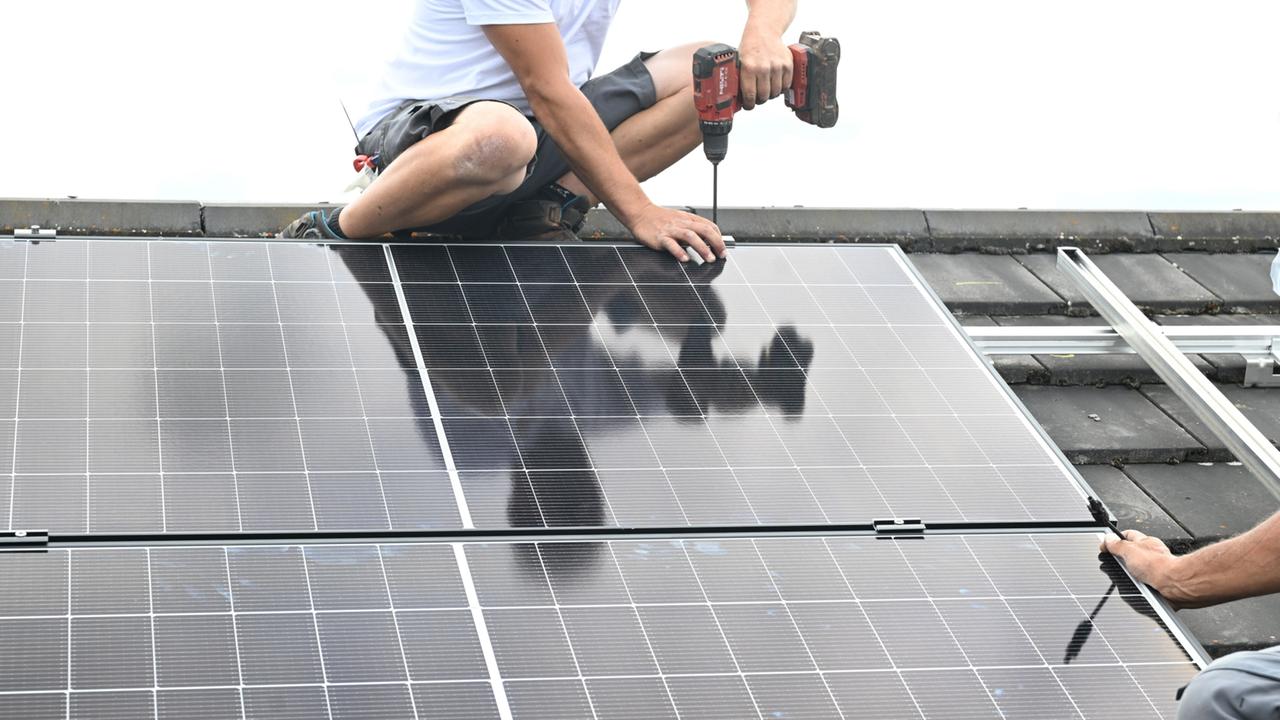
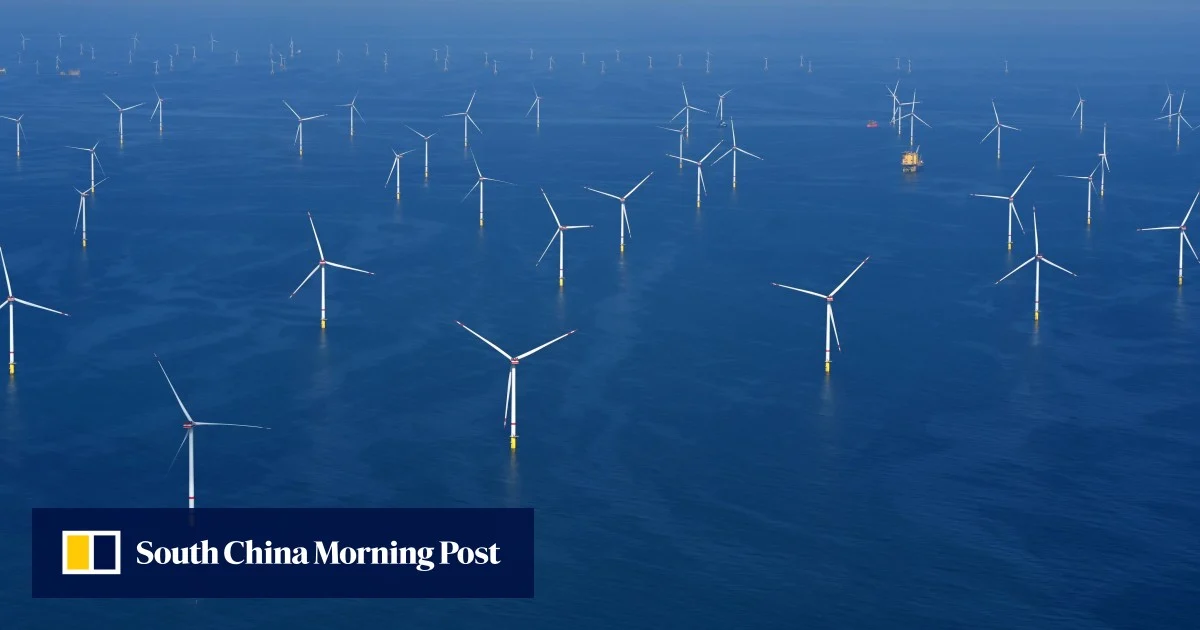
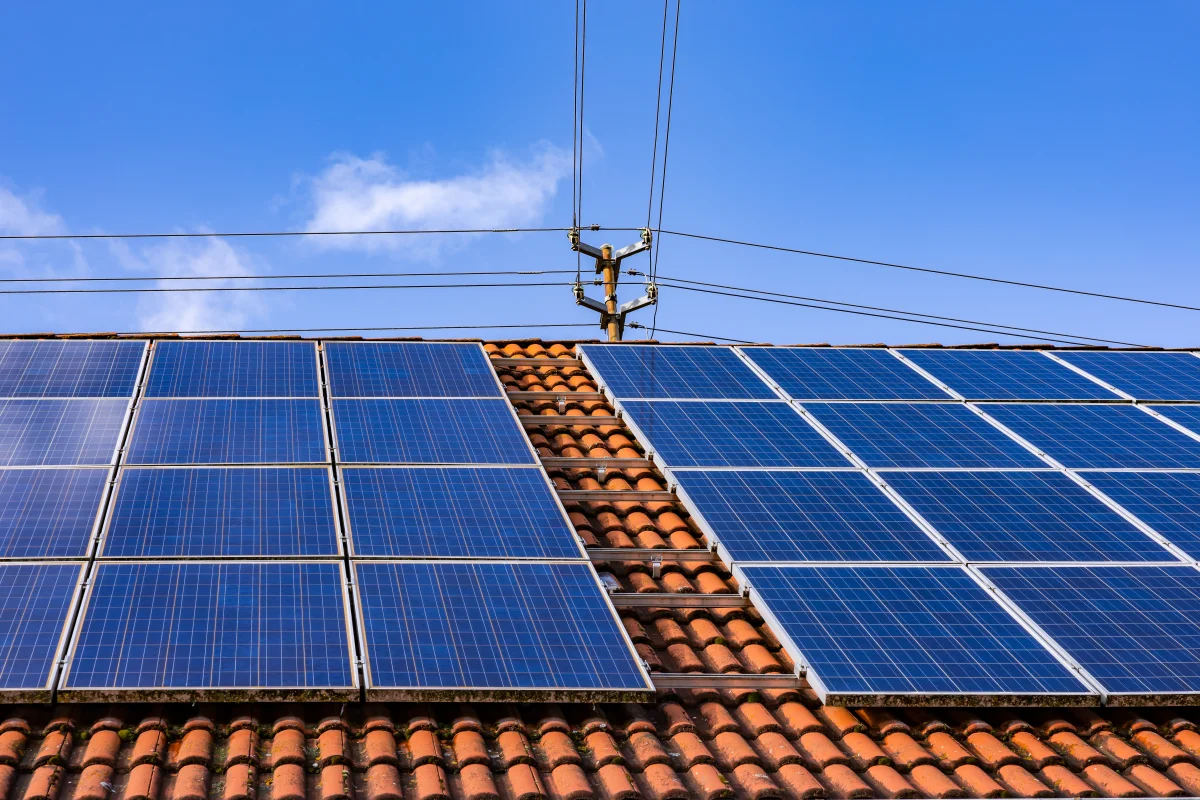
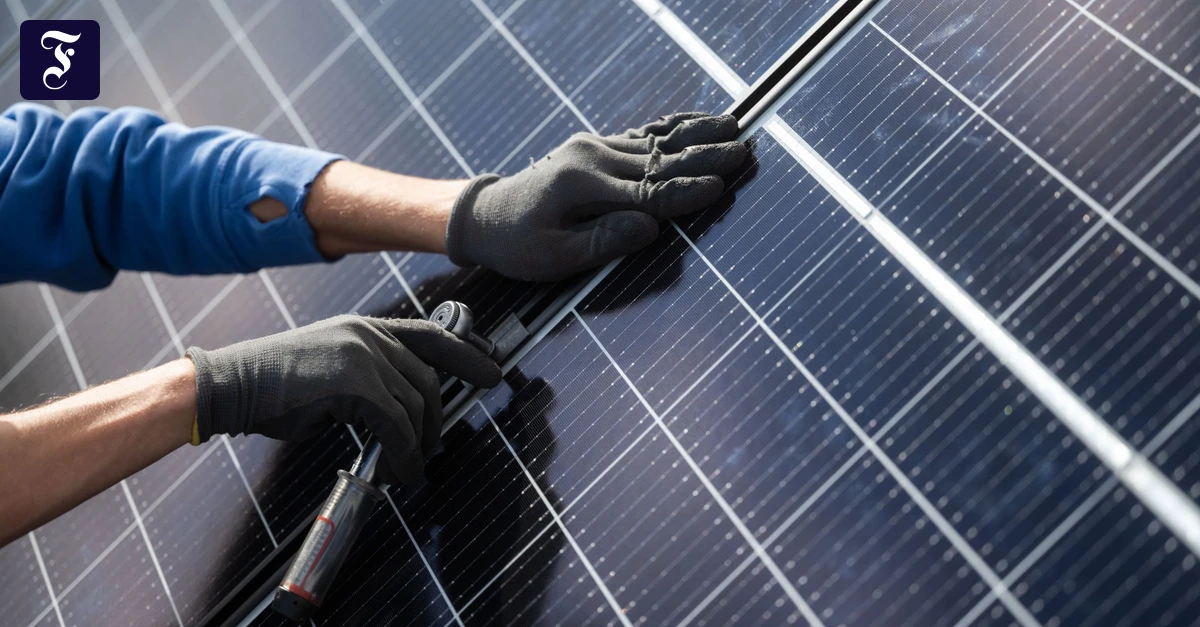
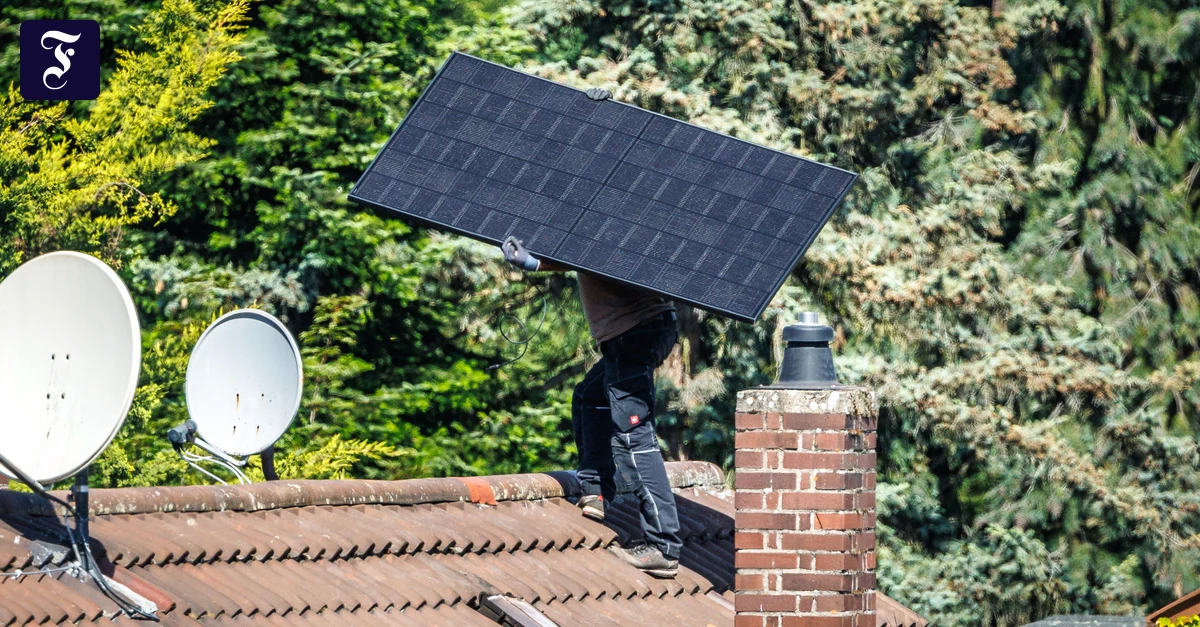
Germany’s government has tabled its proposal for reducing incentives for new solar and wind energy projects in areas with a congested electricity network, and asked industry groups and federal states for feedback. In a bid to lower energy transition costs, the government wants to cut support for small-scale rooftop solar, and lower compensation for forced curtailments of larger renewables projects in case of grid overload. Germany must overhaul its renewable energy support scheme under the Renewable Energy Act (EEG) before the current funding regime expires at the end of 2026, partly to comply with new EU state aid rules requiring windfall-profit clawbacks from 2027. Priority grid access for renewables, which guarantee developers both connection and remuneration, has long been a cornerstone of Germany's energy transition, but grid expansion has lagged far behind renewables additions.The renewable energy association (BEE) and the solar industry association (BSW-Solar) both heavily criticised the reforms to the renewable energy act (EEG) and the grid connection package, saying the proposals jeopardised investments worth billions and put tens of thousands of jobs at risk. “We see the current drafts as a significant setback for renewable energy,” said BEE head Ursula Heinen-Esser. The reforms sent to associations for feedback were watered down compared to initial proposals. New renewable projects in areas with grid bottlenecks will only receive an automatic grid connection if they agree to forgo curtailment compensation payments. However, the threshold was raised and will apply to areas where five percent of the previous year’s electricity could not be fed into the grid, up from three percent, business daily Handelsblatt reported. The period to forgo remuneration payments during times in which produced electricity could not be fed into the grid was also shortened from ten to six years. Moreover, the volume of uncompensated curtailed electricity will be capped at between 10 and 20 percent of annual production, according to Tagesspiegel Background.From 2027 onwards, small rooftop solar installations will continue to receive a feed-in tariff for their first three years, albeit at a lower rate than current support. Owners currently receive a fixed feed-in tariff. Initial plans had foreseen a complete scrap of guaranteed remuneration. Under the current proposal, support payments would be gradually phased down until 2030. Associations were given three working days to submit comments, a timeline they called “unacceptable”, “inadequate” and “inappropriate”, adding that legislation with such far-reaching consequences should be subject to careful scrutiny. Both reforms were under government negotiations for months. They form part of the economy ministry’s push to make the energy transition more cost-efficient and align renewable expansion with grid capacity. Economy minister Katherina Reiche, a member of chancellor Friedrich Merz's conservatives (CDU), argued that renewable projects should bear the financial risk in case their electricity needed to be curtailed, and that small solar panels had already reached market maturity and needed no support. The renewables industry agrees that Germany can increase the transition’s efficiency, but points out that proposals are likely to slow down the expansion of wind and solar power. Germany aims to cover 80 percent of its electricity consumption with renewable sources by 2030. The cabinet is set to agree on the reforms on 29 July, Handelsblatt reported. It will then be sent to parliament.
Confronto fonti
6 prospettive sulla stessa storiaTimeline cronologica
- ·
wiwo.de
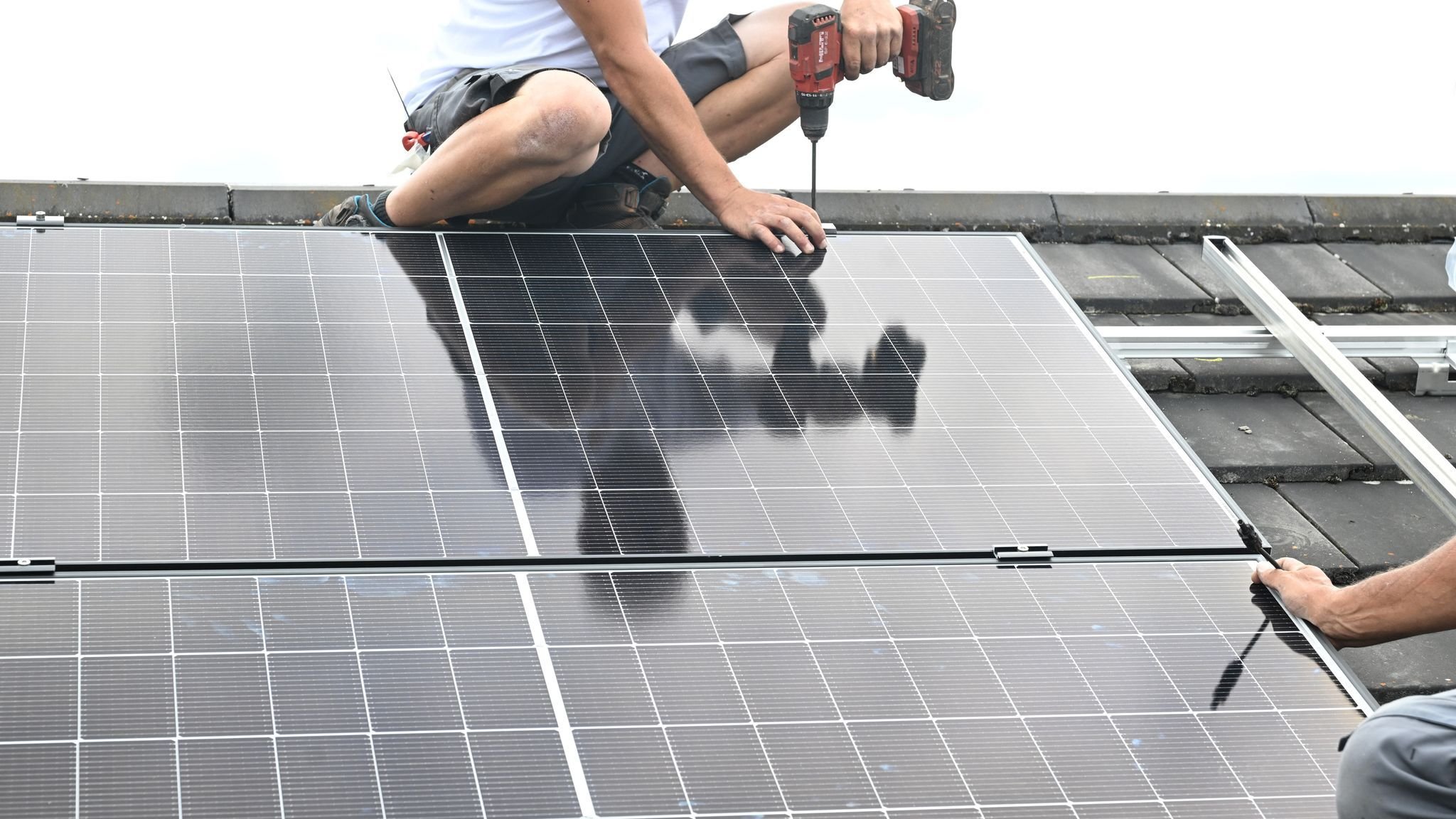
Energiewende: Reiche mildert die Einschnitte für Ökostrom vom eigenen Dach ab
Nach monatelangem Vorlauf legt das Bundeswirtschaftsministerium einen neuen Entwurf des Erneuerbare-Energien-Gesetzes vor. An einigen Punkten wurde nachgebessert.
- ·
sueddeutsche.de
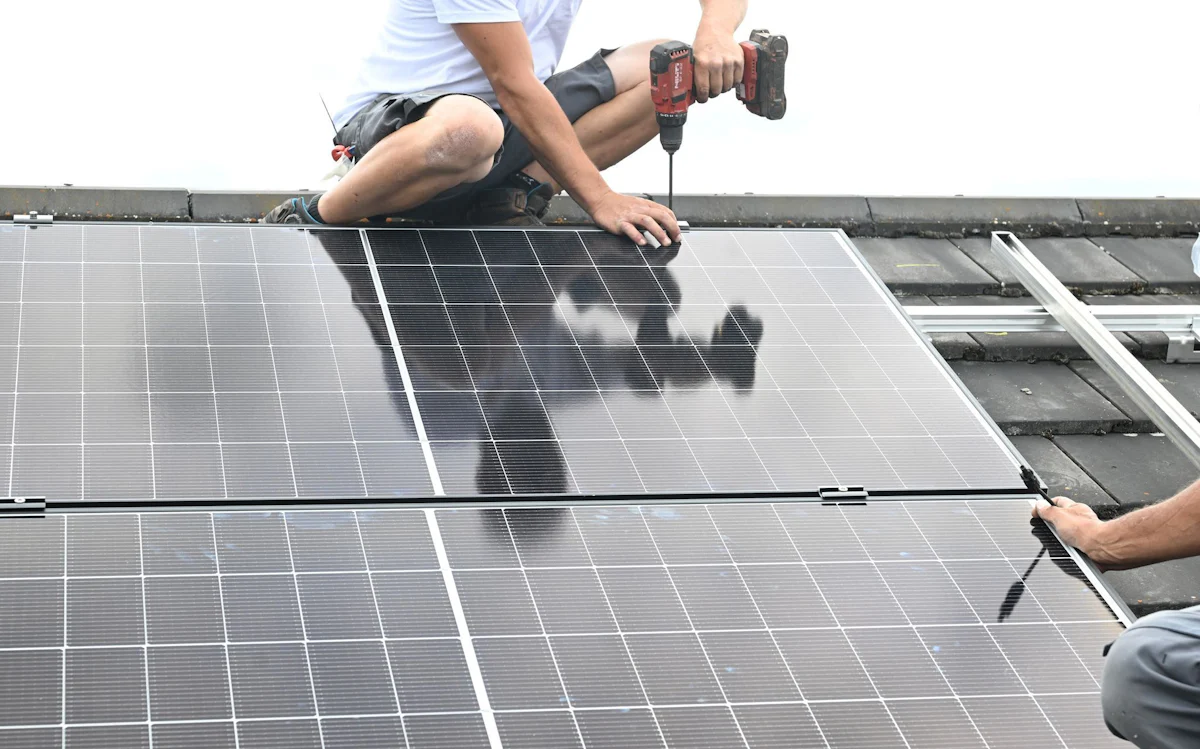
Ökostrom vom eigenen Dach: Reiche mildert Einschnitte ab
Berlin (dpa) - Wirtschaftsministerin Katherina Reiche (CDU) hat ihre Pläne für Einschnitte bei der Förderung neuer kleiner Solaranlagen abgemildert. Dies geht aus dem neuen…