HomeAI · summaries
Storia in 3 fonti
Don’t become an alcoholic: India’s ethanol push risks solving one problem while creating another - The Economic Times
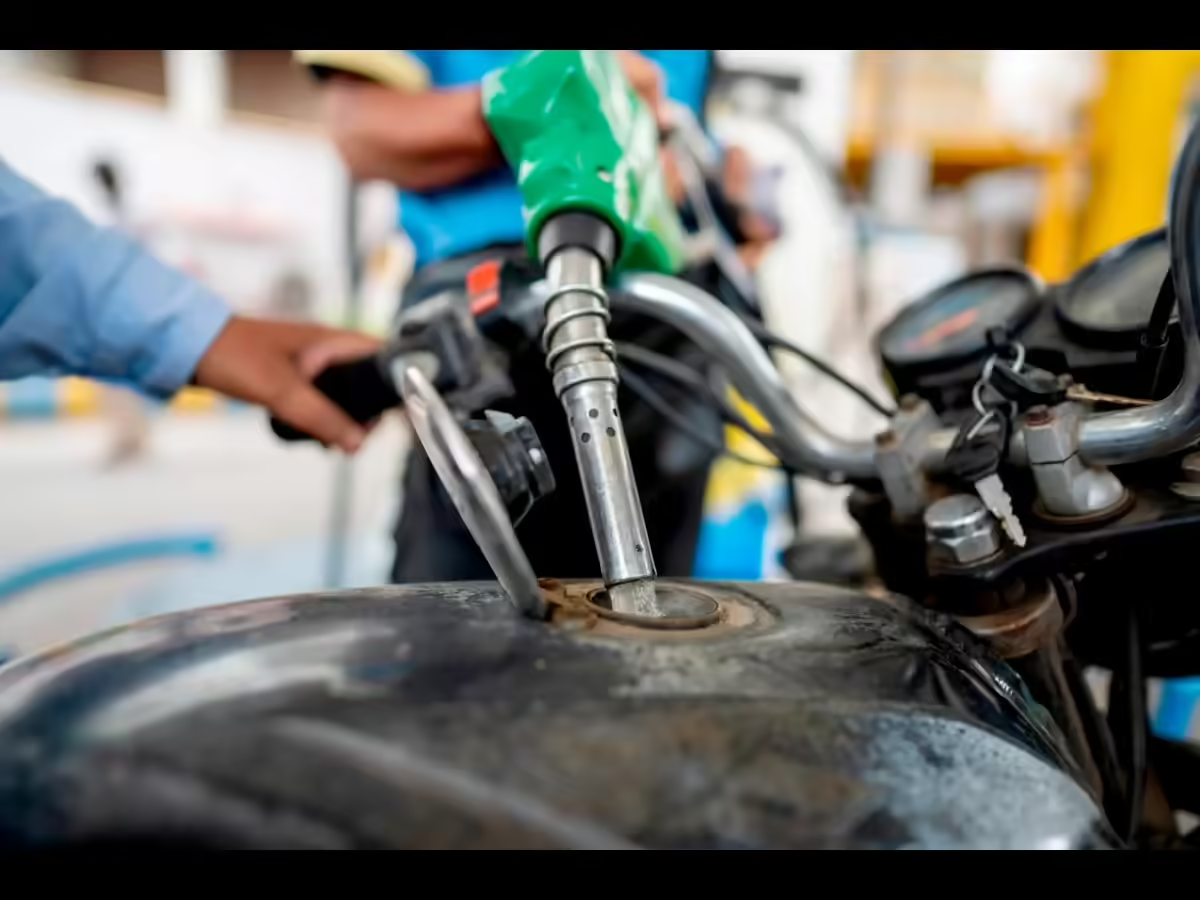
India's push for E20 fuel presents both benefits and drawbacks for vehicular efficiency. Ethanol offers cleaner burning properties but reduces mileage due to lower fuel density. Producing ethanol requires substantial land and water resources, impacting food and environmental security. The country's long-term energy needs are better served by investing in renewable technologies. Future energy security will rely on electric, solar, nuclear, or hydrogen-powered solutions.
Confronto fonti
3 prospettive sulla stessa storiaTimeline cronologica
- ·
360info.org
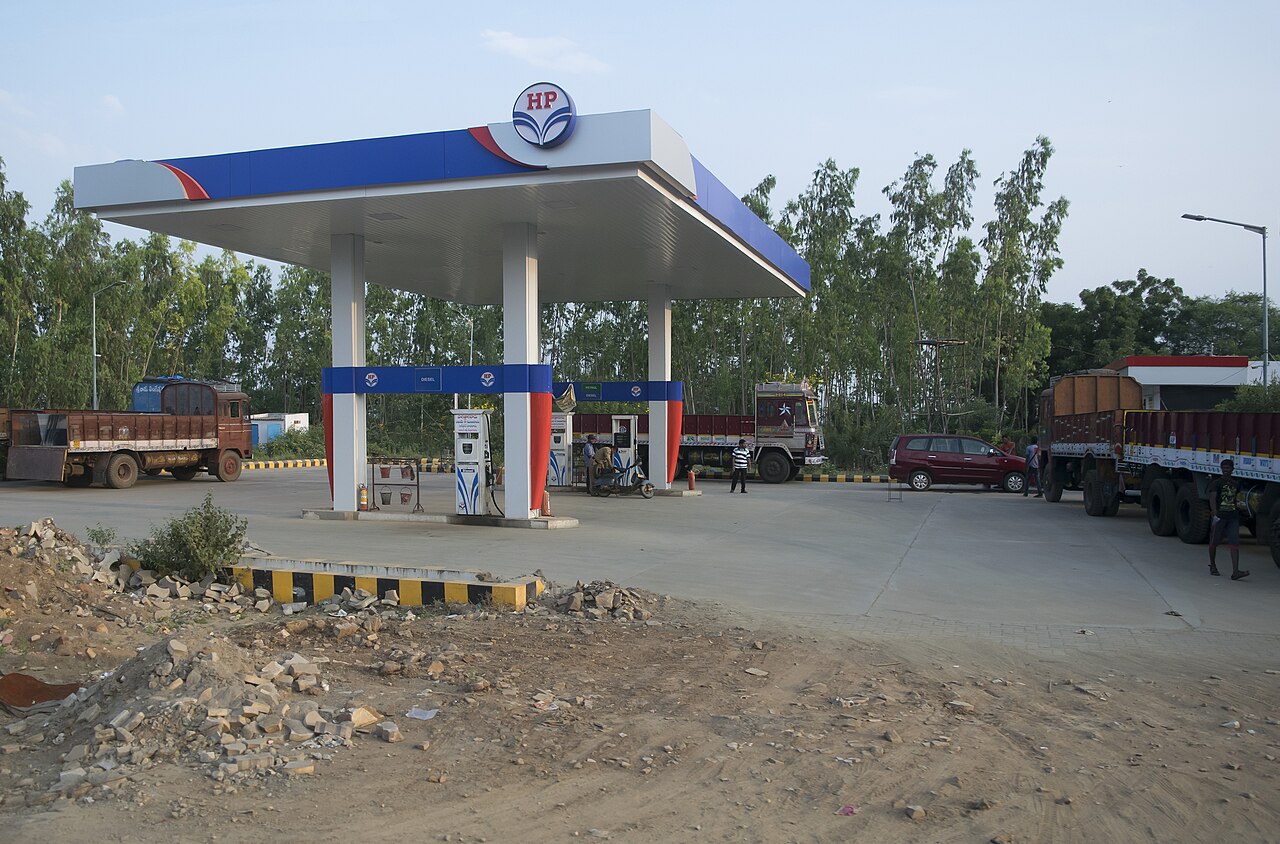
E20 debate reveals India’s uneven energy transition trade-offs.... - 360
India’s ethanol push boosts energy security and farm incomes, but consumers remain unconvinced amid mileage and price concerns. The controversy surrounding India’s E20 fuel…
- ·
thediplomat.com
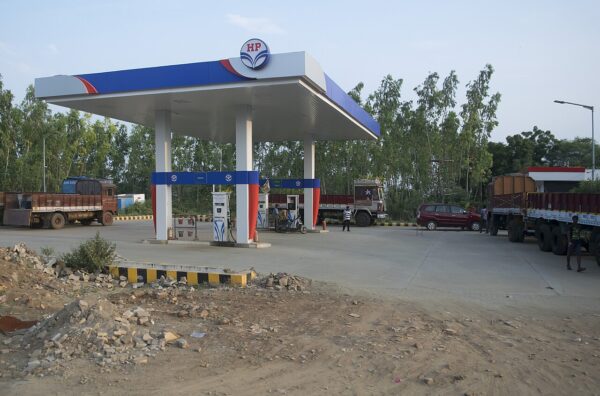
E20 Debate Reveals India’s Uneven Energy Transition Trade-offs
India’s ethanol push boosts energy security and farm incomes, but consumers remain unconvinced amid mileage and price concerns.