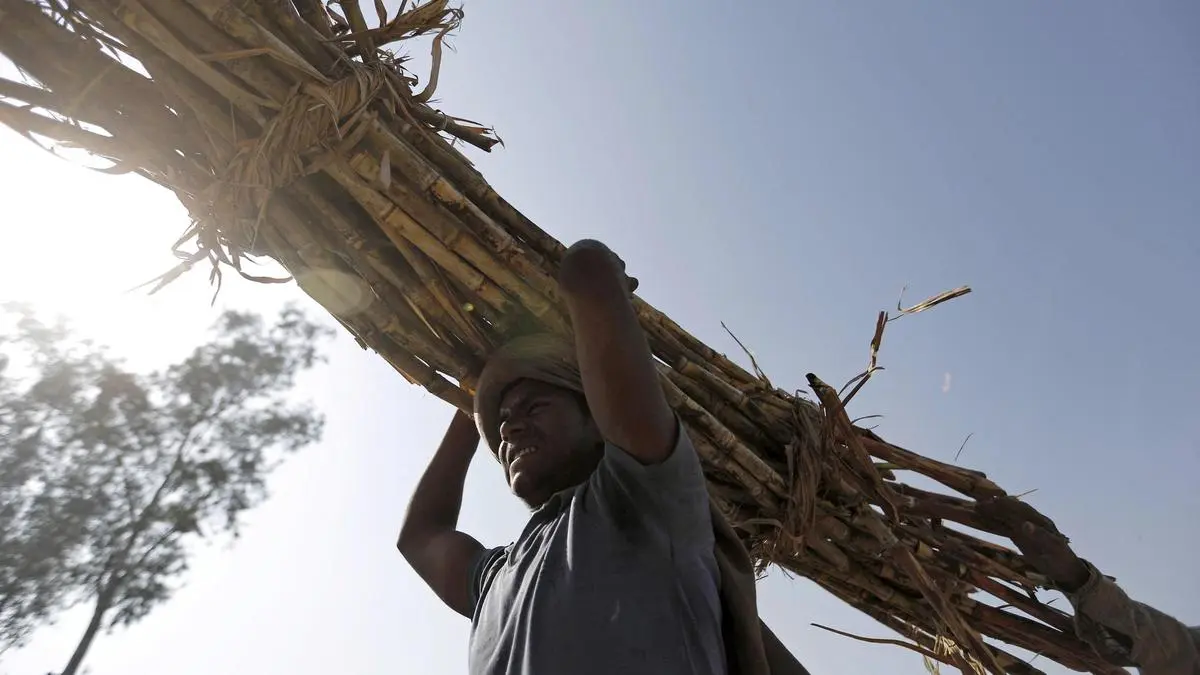
Long before EVs and hydrogen became part of the global energy transition conversation, ethanol was already powering engines. The first ethanol-powered engine was developed in 1826 by Samuel Morey, and Henry Ford's first automobile, the 1896 Quadricycle, was designed to run on ethanol.Some 200 yrs later, ethanol has become an integral part of the transport fuel strategy of more than 60 countries. India may have joined this journey later than many of its peers, but it's now emerging as one of the world's fastest-growing ethanol economies.Ethanol-blending involves mixing ethanol, a renewable biofuel produced from agricultural feedstocks, with petrol. Flex-fuel vehicles (FFVs) extend this concept by allowing motorists to use higher ethanol blends depending on availability and price. Although these technologies are often viewed as relatively new in India, they are supported by decades of global experience.Oil crises of the 1970s established ethanol's strategic importance because countries resorted to domestic alternatives to costly imported crude. Brazil launched its National Alcohol Programme, Proalcool, in 1975 and built the world's most successful ethanol ecosystem. The US later instituted growth through its 2005 Renewable Fuel Standard. With growing climate concerns in the following decades, countries such as Canada, Thailand, Argentina and the Philippines adopted blending mandates, turning ethanol into a mainstream component of energy policy.During much of this period, India's priorities were understandably different. It was focused on ensuring food security, strengthening agricultural production and supporting economic development. While India launched its Ethanol Blended Petrol (EBP) Programme in the early 2000s, progress remained slow for over a decade. Limited ethanol availability, inadequate procurement mechanisms, unattractive producer economics, feedstock constraints and policy uncertainty meant that blending stood at only about 1.5% in 2014.The transformation since then has been remarkable. Through consistent policy support, assured pricing, expansion of feedstock options, investment in distillation capacity and stronger coordination between farmers, industry and oil marketing companies, India has rapidly scaled up ethanol production. It achieved 10% blending ahead of schedule in 2022, and increased blending from 12.06% in ethanol supply year (ESY) 2022-23 to 14.60% in ESY 2023-24. India also crossed its 20% ethanol blending 5 yrs ahead of schedule.The country's progress is particularly significant because it has benefited from decades of international experience. Many of the concerns often raised today - food security, crop diversion, pricing, fuel economics and vehicle compatibility - had been debated in Brazil, the US and several other countries years ago. These countries have demonstrated that, with sound policy design and continuous technological improvements, ethanol can become a reliable component of a country's transport fuel mix, while supporting farmers, strengthening energy security and reducing emissions.The next phase of India's ethanol journey will require moving beyond blending targets to building a complete consumption ecosystem. This includes expanding ethanol retail infrastructure, encouraging flex-fuel vehicles, competitive fuel pricing, increasing consumer awareness and ensuring confidence in higher ethanol blends. GoI's approval of fuels like E85 and E100, along with introduction of India's first commercial FFVs last month, represents an important step in that direction.Benefits of the programme are already becoming evident. According to GoI, EBP Programme has generated payments of more than ₹1.5 lakh cr to farmers, displaced over 289 lakh t of crude oil imports, and reduced net CO2 emissions by nearly 869 lakh t. At a time of volatile global energy markets, domestically produced ethanol has emerged not only as an environmental solution, but also as a strategic tool for enhancing energy security, reducing import dependence and creating additional value within the rural economy.Ethanol's story is one of evolution, going beyond experimentation. Countries have embraced it to strengthen energy security, support agriculture, reduce emissions and cushion oil-price volatility. India may have started later than its peers but it has progressed rapidly. The question is no longer whether ethanol belongs in its energy future, but how its use can expand while balancing energy security, farmer welfare, sustainability and consumer interests. Better late than never, India Inc is now positioned to help shape ethanol's next chapter.(Disclaimer: The opinions expressed in this column are that of the writer. The facts and opinions expressed here do not reflect the views of www.economictimes.com.)
Jump on this bandwagon: India’s ethanol push gathers speed as it transforms energy security and rural economy - The Economic Times
Ethanol, a renewable biofuel, has become integral to India's transport fuel strategy. India achieved ten percent blending ahead of schedule in 2022 and is expanding its use. This program has generated significant payments for farmers and reduced crude oil imports. Flex-fuel vehicles and expanded retail infrastructure are key to the next phase. Ethanol now serves as a strategic tool for energy security and rural economic development.
683 words~3 min read