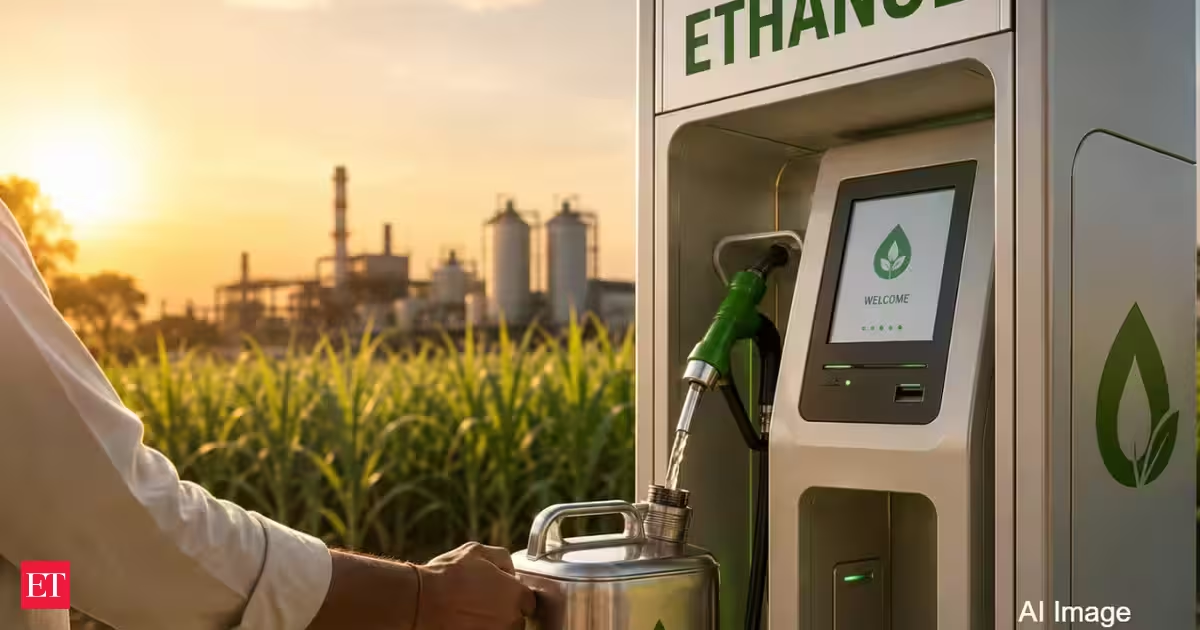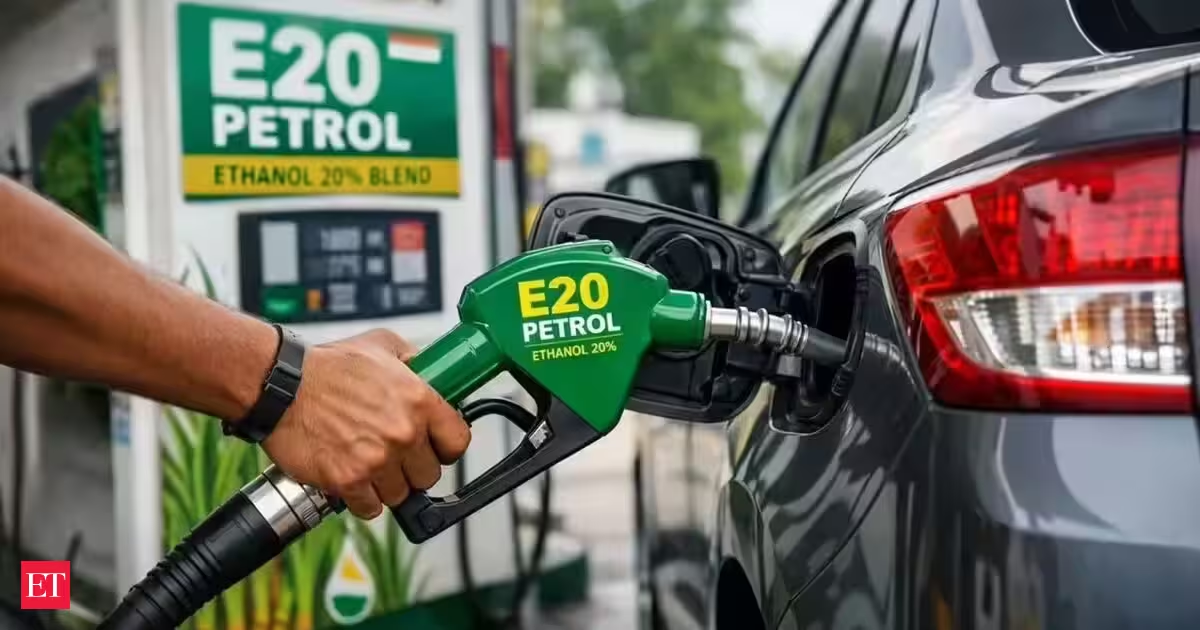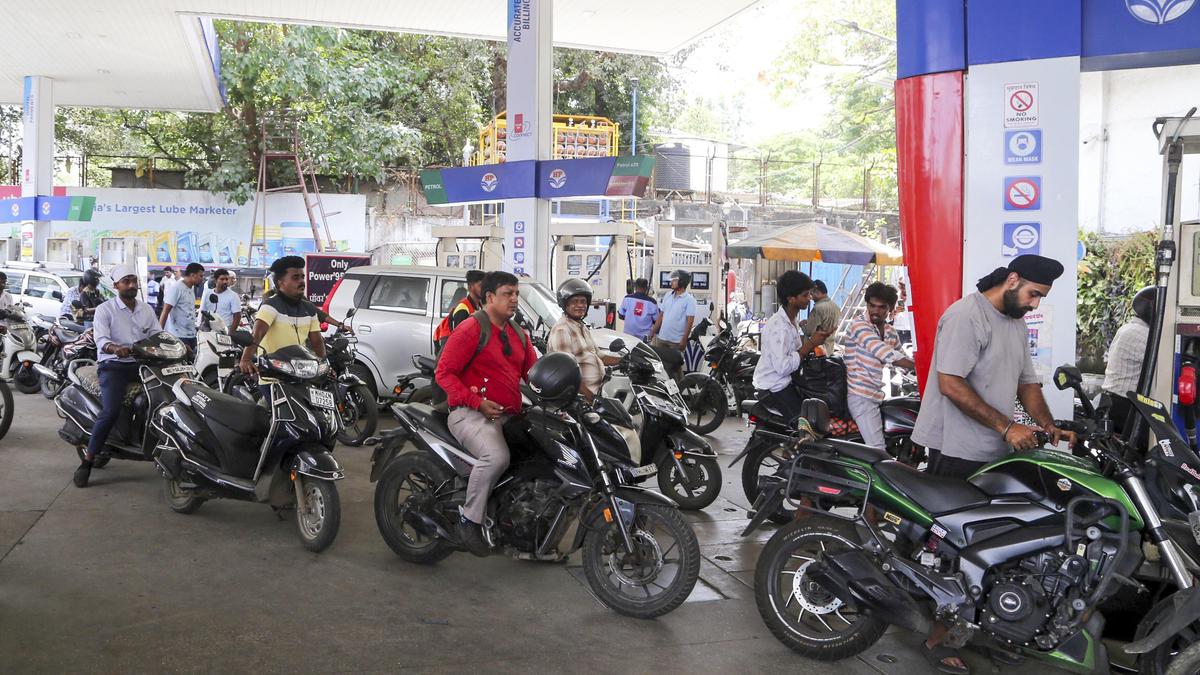
New Delhi: India's ethanol transition is entering its next phase, where the fuel can move from a blending component to a potential transport energy backbone capable of moderating exposure to external price shocks, KPMG said in a report titled "Beyond E20. The consultancy firm flagged an adaptive fuel system, multi-grade distribution and flex-fuel vehicles as critical to unlocking this role."Under low price environments characterised by a supply glut, the system remains anchored at baseline blending levels, allowing the fuel mix to benefit from favourable import economics while enabling diversion of ethanol to alternative pathways such as Sustainable Aviation Fuel," KPMG said.Read more: Higher ethanol mix tax cut a good drive"When global oil supply tightens due to production cuts by OPEC, crude prices tend to rise. In such situations, ethanol can be redirected toward the transport fuel system to reduce exposure to higher import costs, acting as a substitute margin."During acute disruptions like the Russia-Ukraine conflict and recent geopolitical tensions involving Iran, "this flexibility becomes even more critical," the report noted. "Sudden constraints in global supply can lead to sharp price spikes, at which point the system's ability to scale ethanol utilisation through higher pool blends and flex-fuel pathways provides a mechanism to partially offset external volatility."KPMG said the foundation for this shift is already in place. India has built capacity, supply chains and distribution systems at scale through the Ethanol Blended Petrol programme. The next phase, however, requires two structural shifts. Expanding ethanol's role beyond blending, and moving from uniform E20 distribution to a multi-grade ecosystem for E85/E100. That transition "entails coordinated readiness across supply, demand, pricing, infrastructure, and vehicle technology," KPMG said.Despite progress, the report flagged constraints holding back blends beyond E20: dependence on 1G food-linked feedstock that limits scalability; E20 acting as a demand ceiling with supply beginning to exceed absorption; pricing rigidity in a cost-based framework; infrastructure not designed for multi-grade fuels; and limited penetration of flex-fuel vehicles.To move forward, KPMG said India must diversify feedstock beyond 1G, evolve pricing toward a hybrid model balancing market alignment with stabilisation, enable infrastructure for multiple fuel grades, and strengthen the vehicle ecosystem through flex-fuel deployment and regulatory alignment.Read more: Signed file on 100 per cent ethanol fuel rules: Nitin Gadkari says multiple companies to adopt alternative blend"India has already established one of the world's largest ethanol ecosystems. The challenge ahead lies not in incremental scale-up, but in system-level evolution," the report concluded. "The opportunity is to transition ethanol from a successful blending programme to an integrated component of the transport fuel system enhancing resilience, reducing exposure to external volatility, and strengthening long-term energy security."
Ethanol transition can shift to "Transport Energy Backbone" to shield India from oil shocks: KPMG
India's ethanol use is evolving beyond simple blending. It is set to become a key transport energy source. This will help manage fluctuating global fuel prices. An adaptive fuel system, varied distribution, and flex-fuel vehicles are crucial. This shift aims to enhance energy security and reduce reliance on external price volatility.
TL;DRAI
KPMG proposes India transition ethanol from E20 blending to adaptive multi-grade backbone (E85/E100 flex-fuel) hedging OPEC crude volatility and geopolitical shocks. Energy managers must prioritize feedstock diversification, multi-grade infrastructure, and flex-fuel fleet as critical supply-chain resilience dependencies for cost-stable operations.
435 words~2 min read