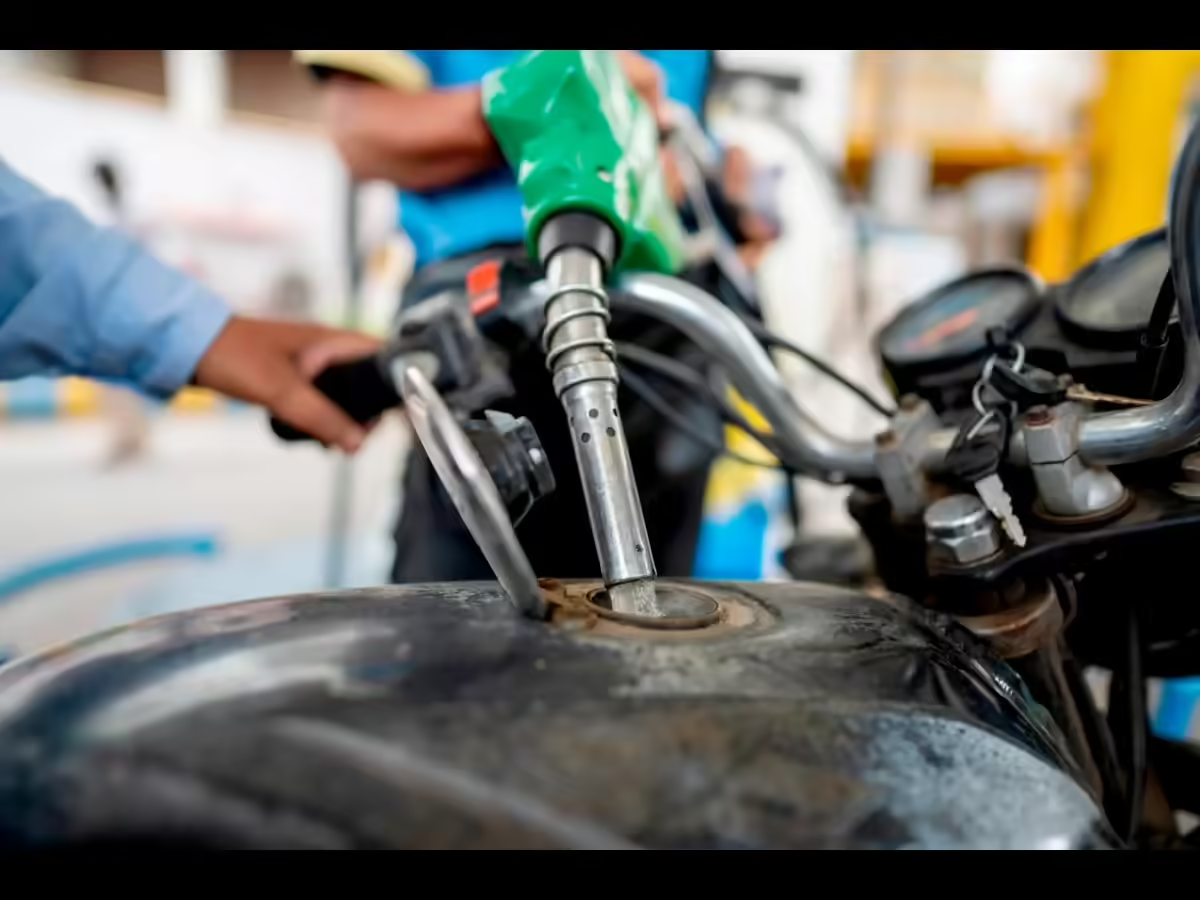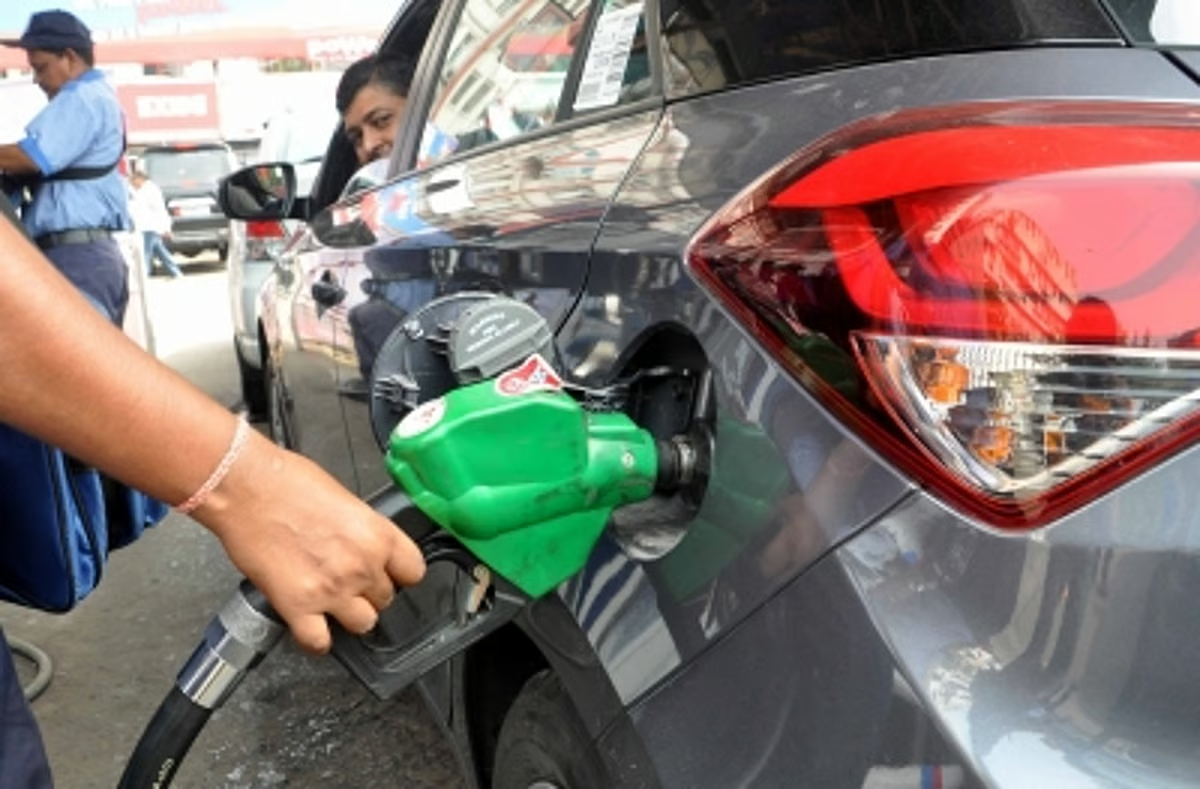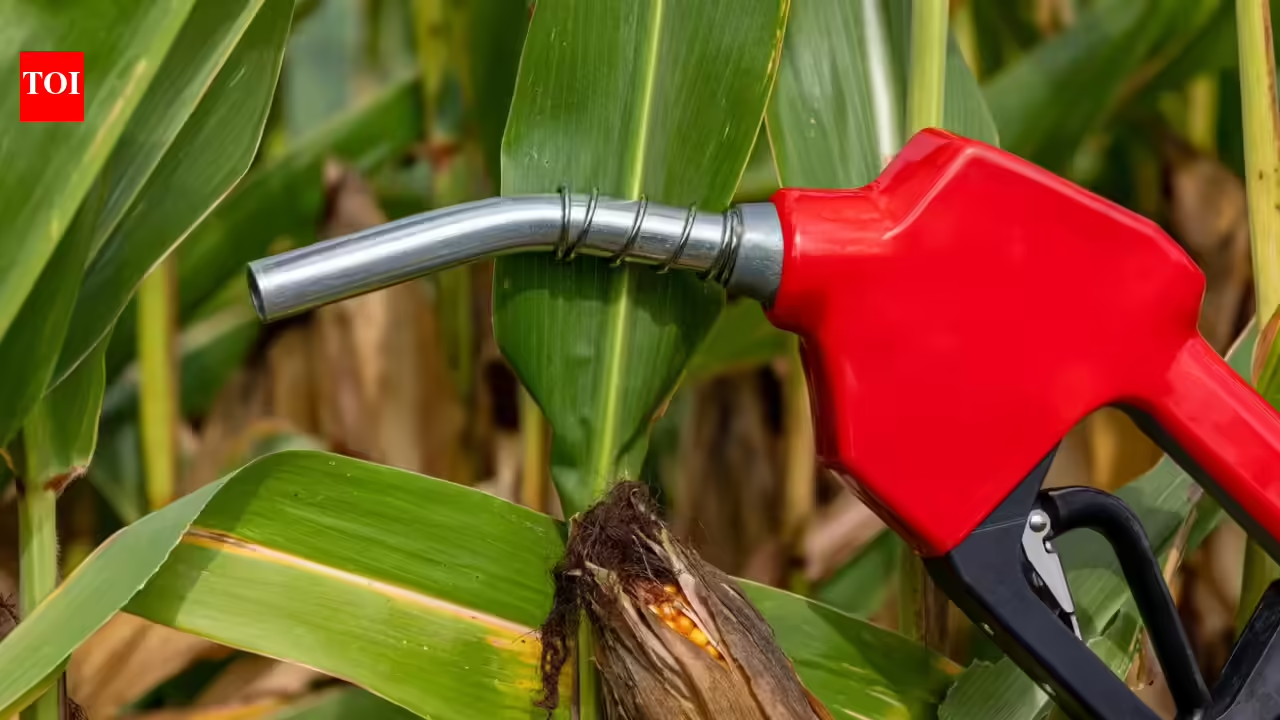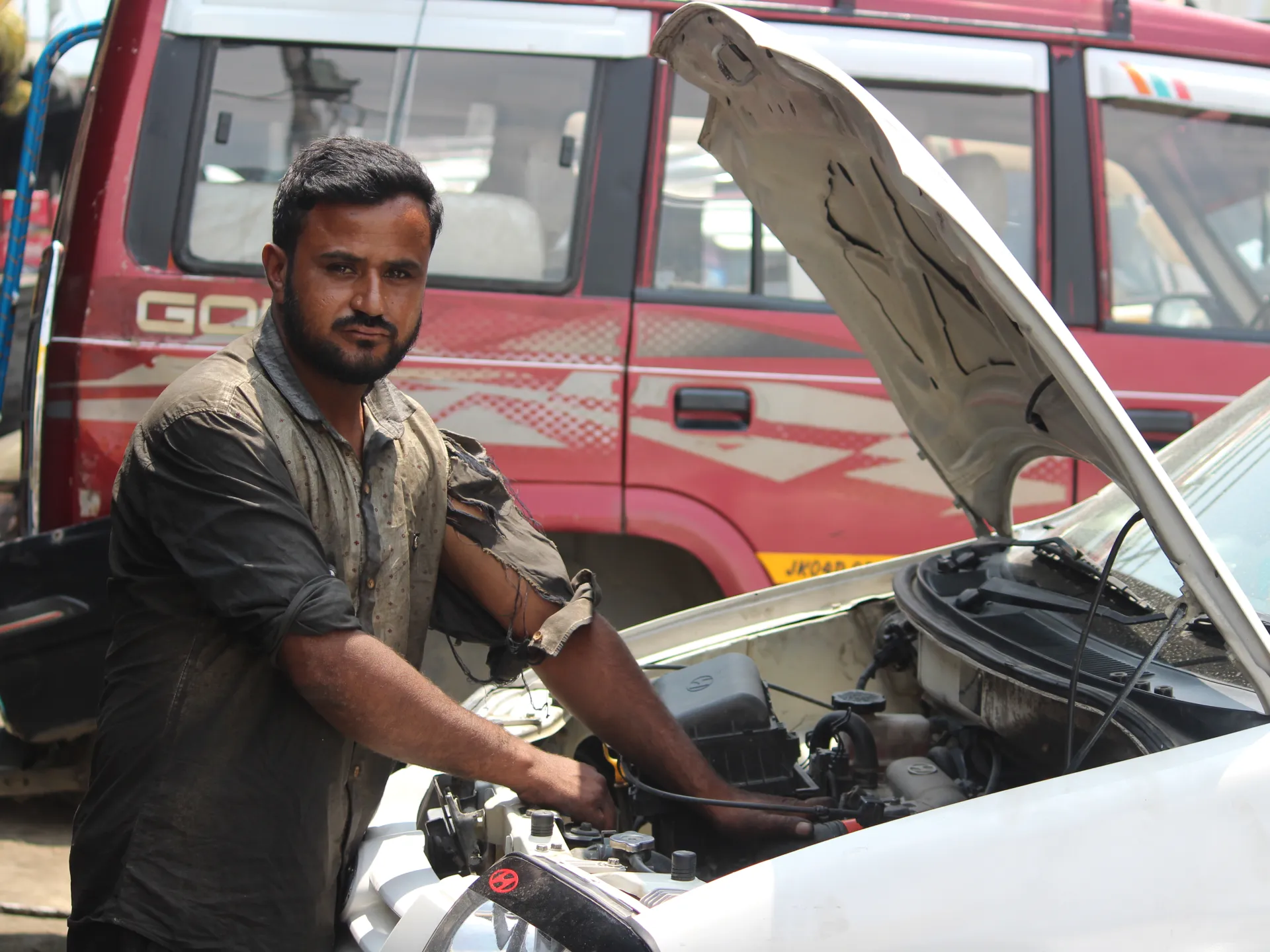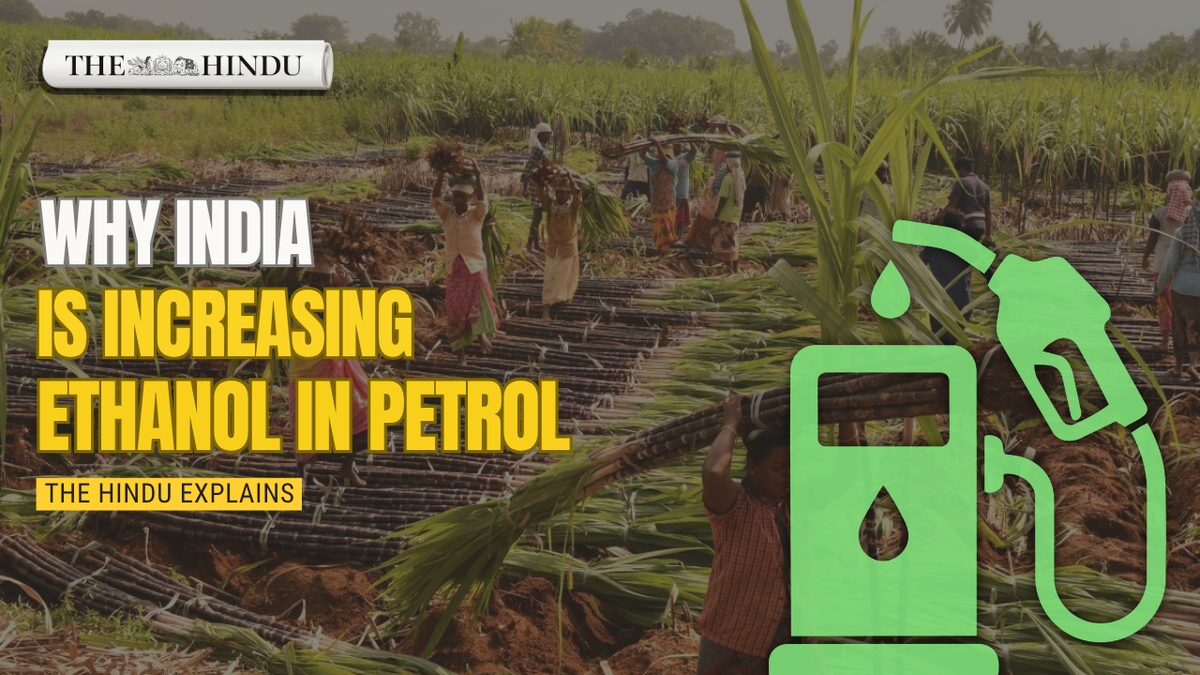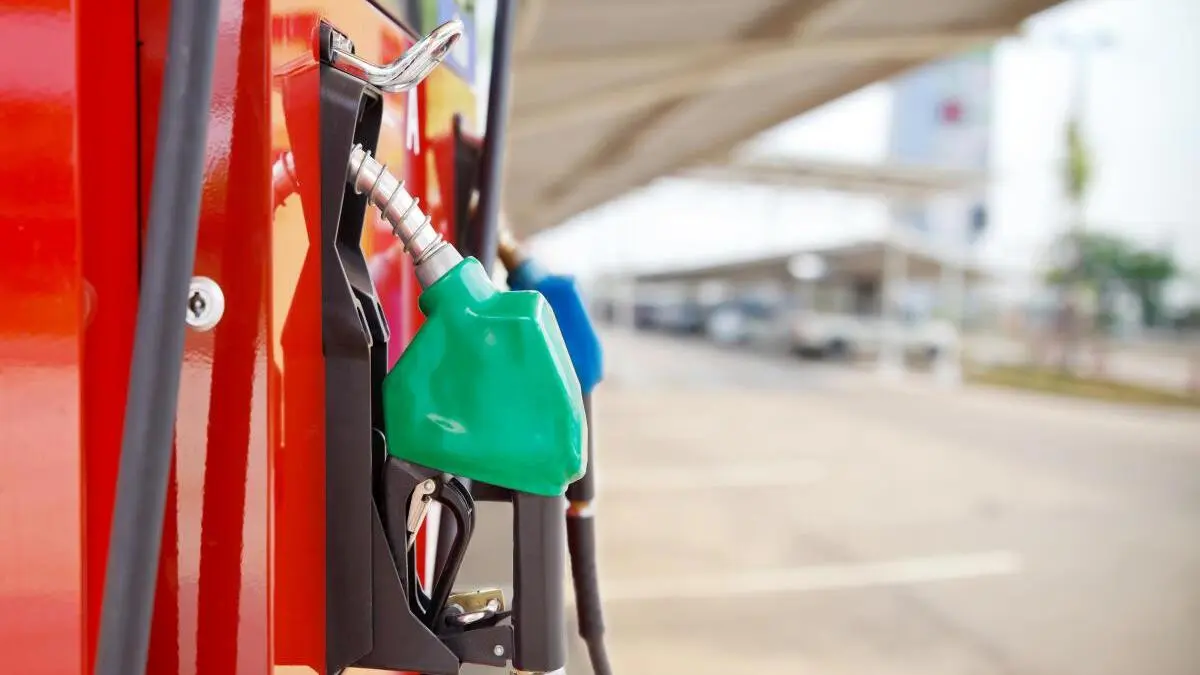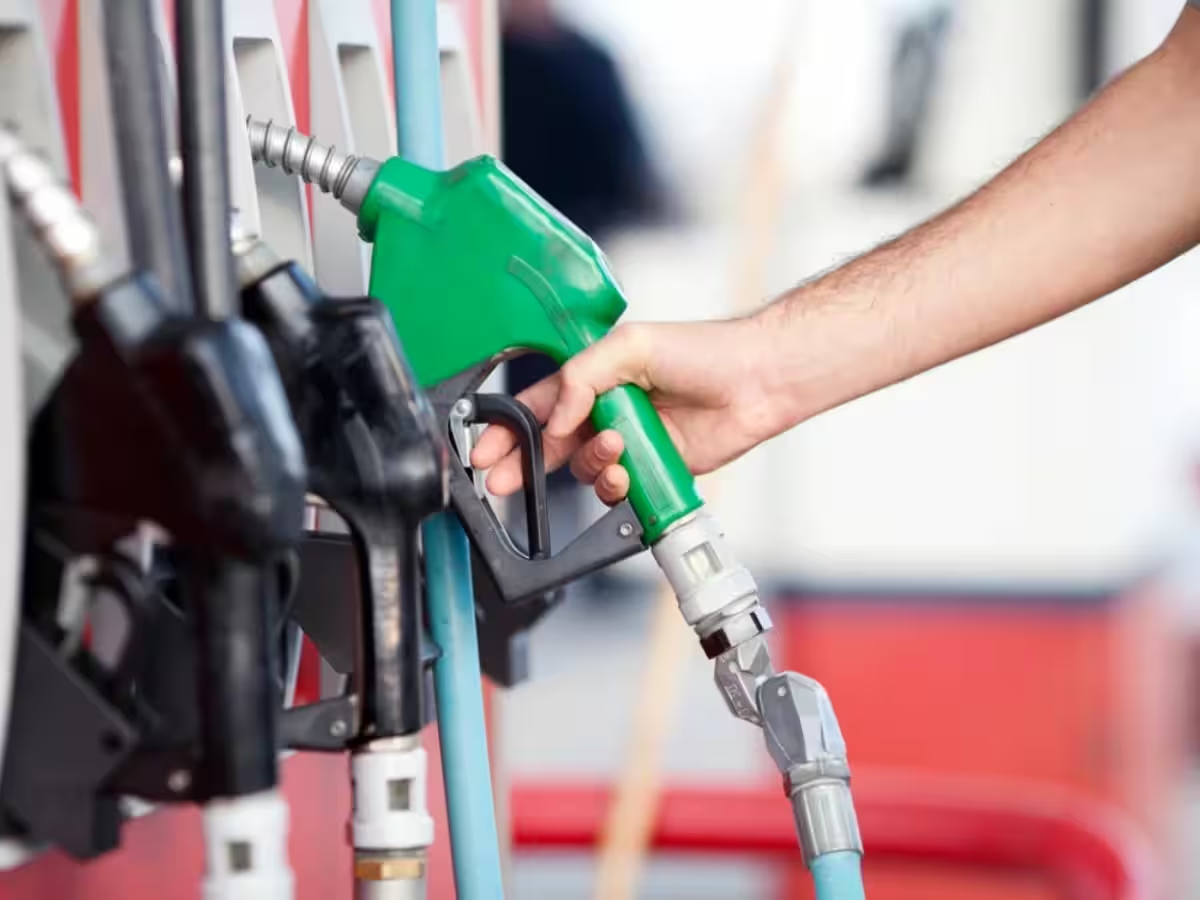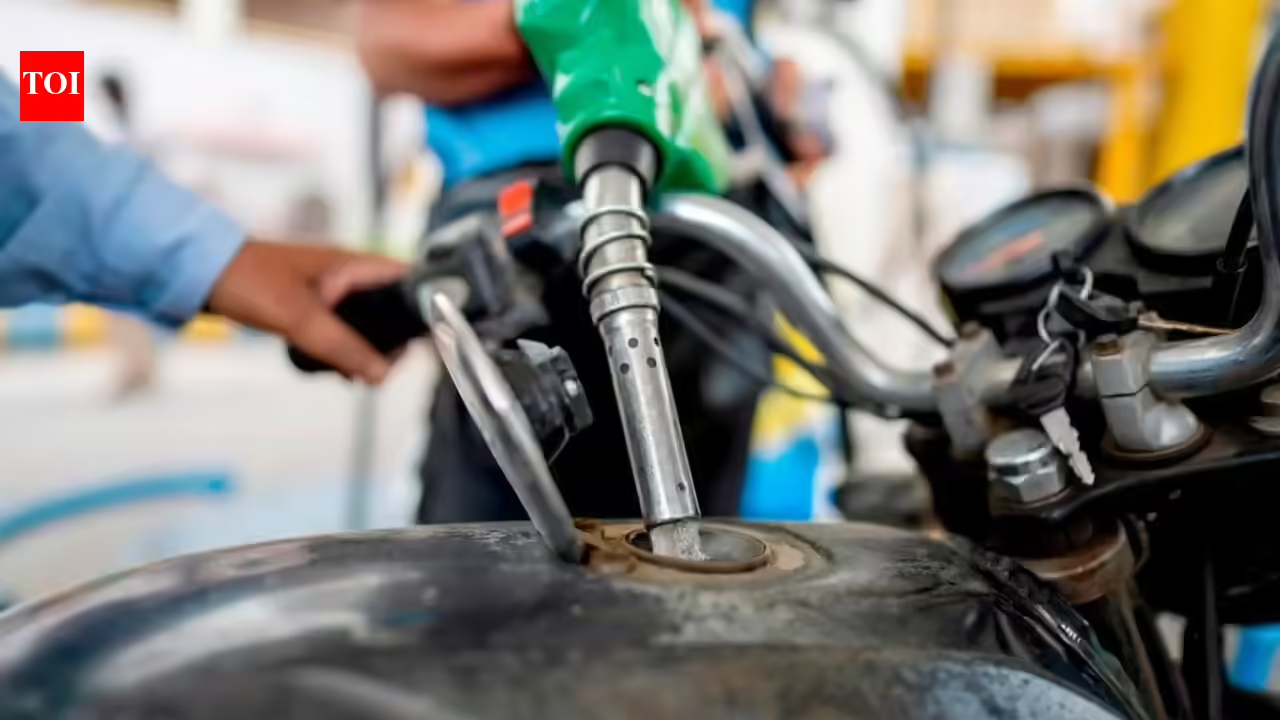
Somewhere between a WhatsApp forward and a viral video, India’s ethanol blending programme has been quietly reinvented as a national menace. Scroll through social media and the story is dramatic enough to spread panic. E25 or 25 per cent ethanol-blended fuel is about to be forced on an unsuspecting nation; engines will seize, warranties will vanish, and two-wheelers will. It’s a compelling story but doesn’t stand scrutiny. And the gap between that manufactured anxiety and the slow, methodical, evidence-led reality of India’s actual ethanol programme deserves greater attention.The E15 blending — a 15 per cent ethanol mix in petrol — began in April 2023. E19 followed through 2024. E20, the 20 per cent blend now available at pumps across the country, has been running since April 2025. This is a two-and-a-half-year, step-by-step rollout, each stage preceded by testing, validation, and consultation with automobile manufacturers and fuel companies before making the next increment. More than 20 crore two-wheelers and 20 lakh four-wheelers are already running on ethanol-blended petrol today, without the epidemic of engine failures.As for E25 — the claim that has generated the most anxiety — government sources have been unambiguous that it has not been scheduled. Testing for E25 compatibility is still underway across multiple automobile brands and vehicle models, and no policy decision will be taken until that testing is complete. This cuts directly against the current narrative that you cannot schedule a policy whose foundational testing hasn’t even concluded. The sequence has always been evidence first and implementation later.Importance of the argument:Why is this argument so important? It is because ethanol blending sits at the heart of a strategic calculation and India can’t afford to get wrong, or to have derailed by manufactured panic. India is one of the fastest-growing crude oil markets in the world, accounting for roughly 30% of global demand growth.Every barrel that India doesn’t import is a barrel that doesn’t strain the current account, devalue the rupee, and doesn’t leave the country’s fuel security at the mercy of a shipping lane. Ethanol is brewed at home, largely from sugarcane and surplus foodgrain and is one of the rare energy levers that manages three things simultaneously. It supports farmers, cuts import dependence and lowers emissions.That’s precisely why the disinformation around it deserves scrutiny. It needs to be reiterated to the Indian consumer that their engines are not at a risk from a fuel blend that has already been safely powering over 20 crore vehicles for years.Global battery manufacturers and crude oil exporters have an obvious commercial interest in slowing India’s shift toward flex-fuel and ethanol-based energy independence. The more India needs imported oil or imported battery technology, the better their business looks. Hence, it should should make newsrooms treat unverified panic-inducing claims about fuel safety with the same scepticism they’d apply to any other unverified claim with an obvious beneficiary on the other side.E20 hasn’t broken engines in the two and a half years it’s been running in the tank of nearly every two-wheeler and a growing share of four-wheelers on Indian roads. That track record is the strongest rebuttal to E25 fears that exists.Ethanol’s technical questions:None of this means blind faith is warranted either. Ethanol blending has real technical questions attached to it — engine compatibility across older vehicle fleets, fuel efficiency trade-offs, and the agricultural economics of feedstock diversion are all legitimate subjects for debate. But that debate should happen based on what officials, automakers, and technical experts have tested and found — not on a video designed to travel faster than facts.India’s energy security doesn’t hinge on any single technology winning a culture war on social media. It hinges on steady, evidence-led execution of a domestic strategy — and on citizens who can tell the difference between a policy rollout and a rumour.The author is President, Grain Ethanol Manufacturers AssociationPublished on July 12, 2026
Setting the record straight on India’s fuel transition
Addressing misconceptions, India's ethanol blending program is a methodical strategy enhancing energy security without compromising vehicle reliability.
643 words~3 min read