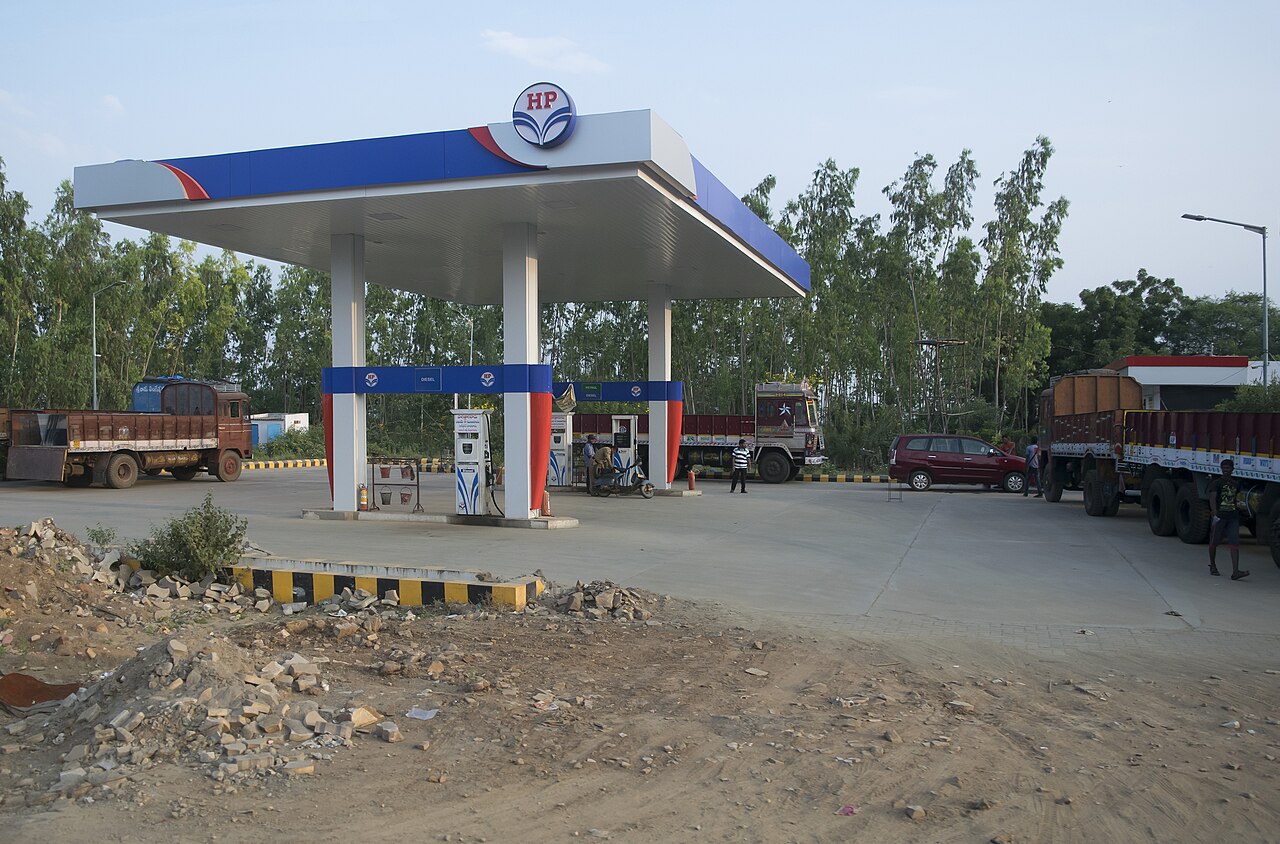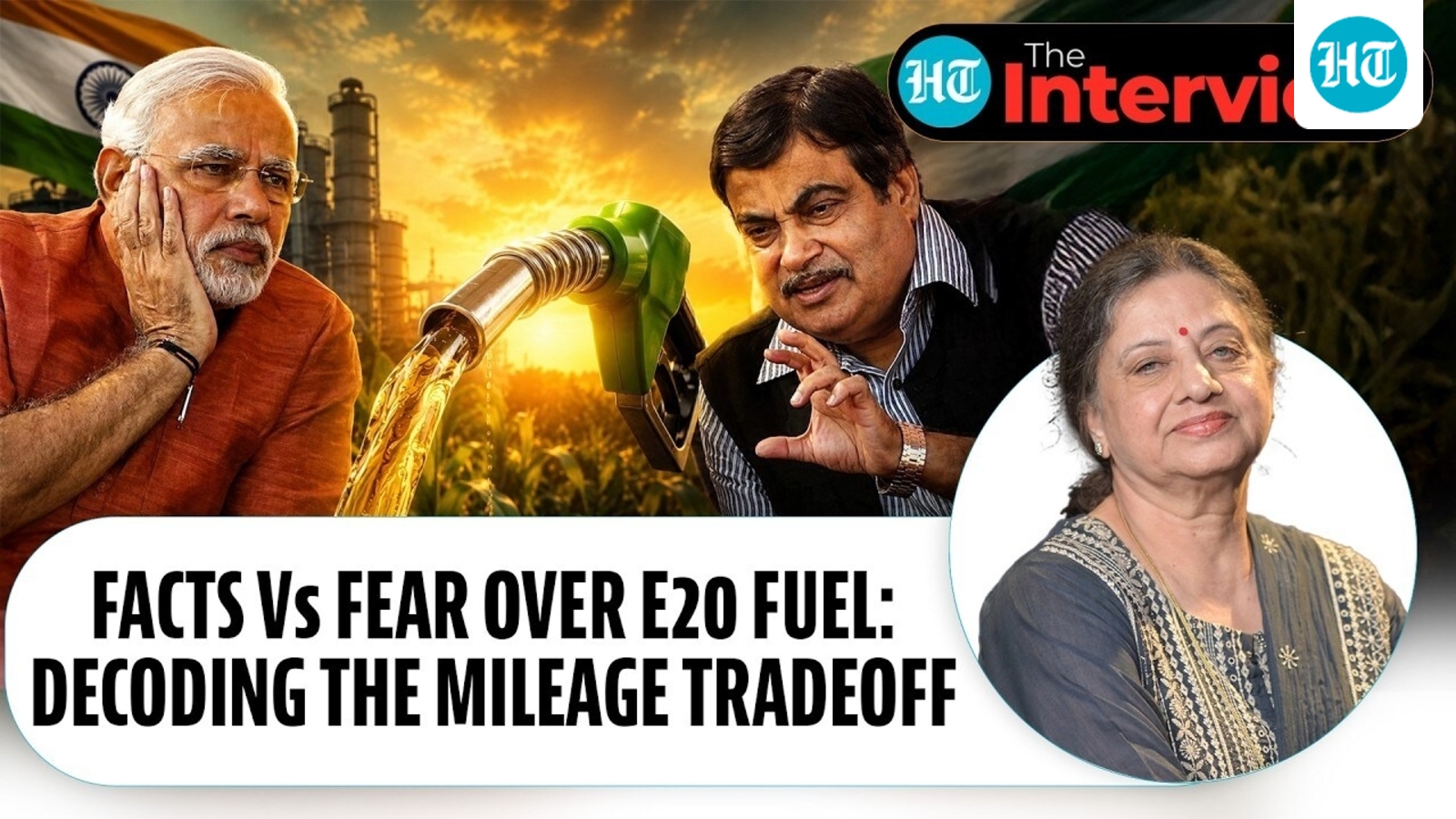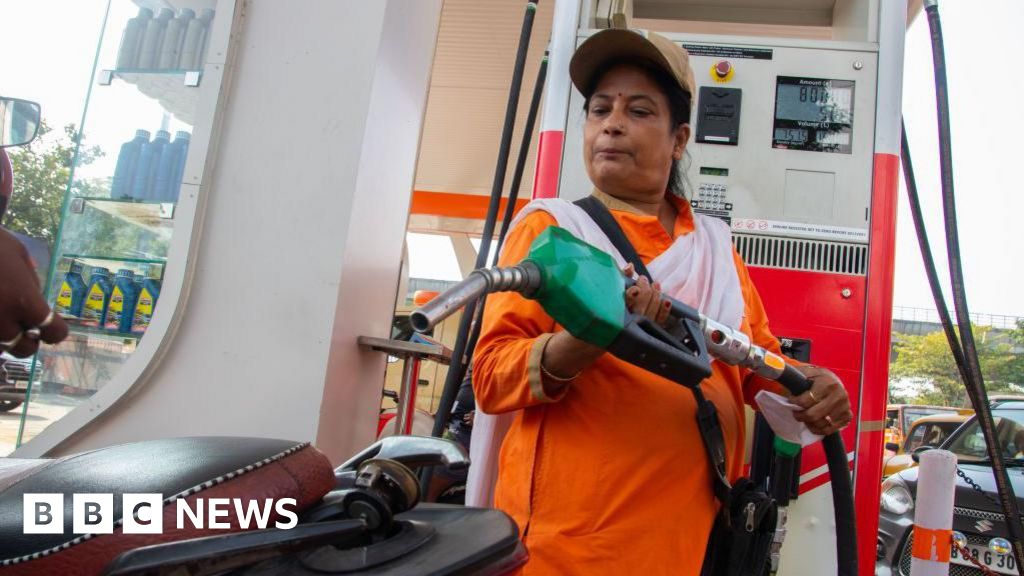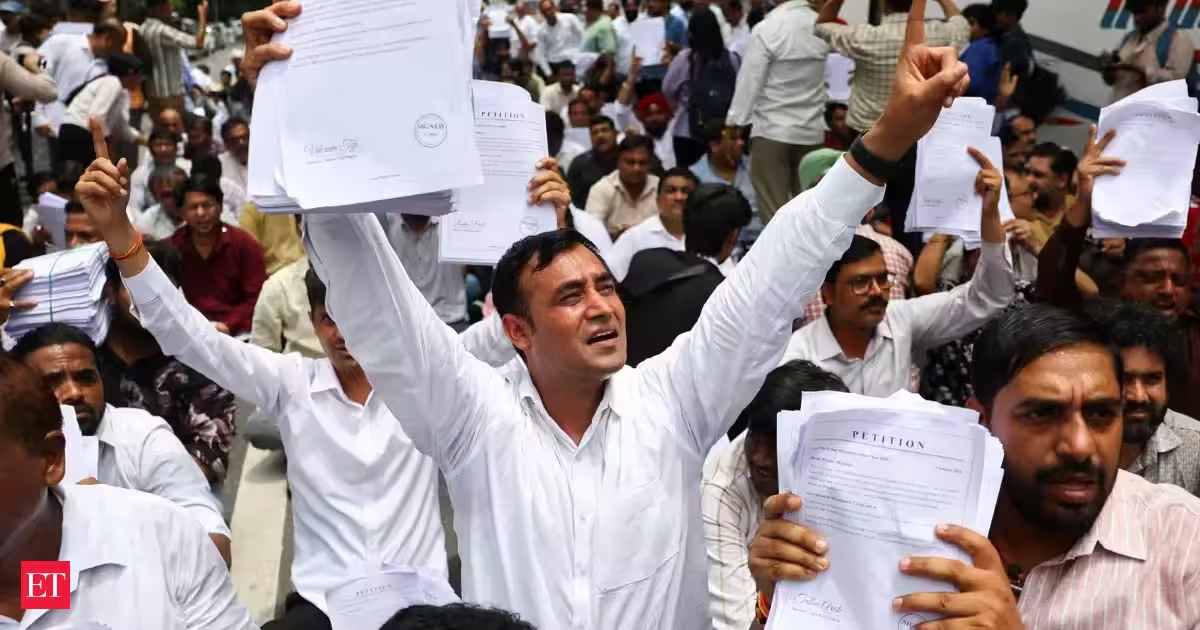
The controversy surrounding India’s E20 fuel program has exposed a deeper tension than a disagreement over automotive technology. Recent proceedings in the Supreme Court and the subsequent clarification issued by the government brought renewed attention to a policy that has transformed India’s fuel landscape.
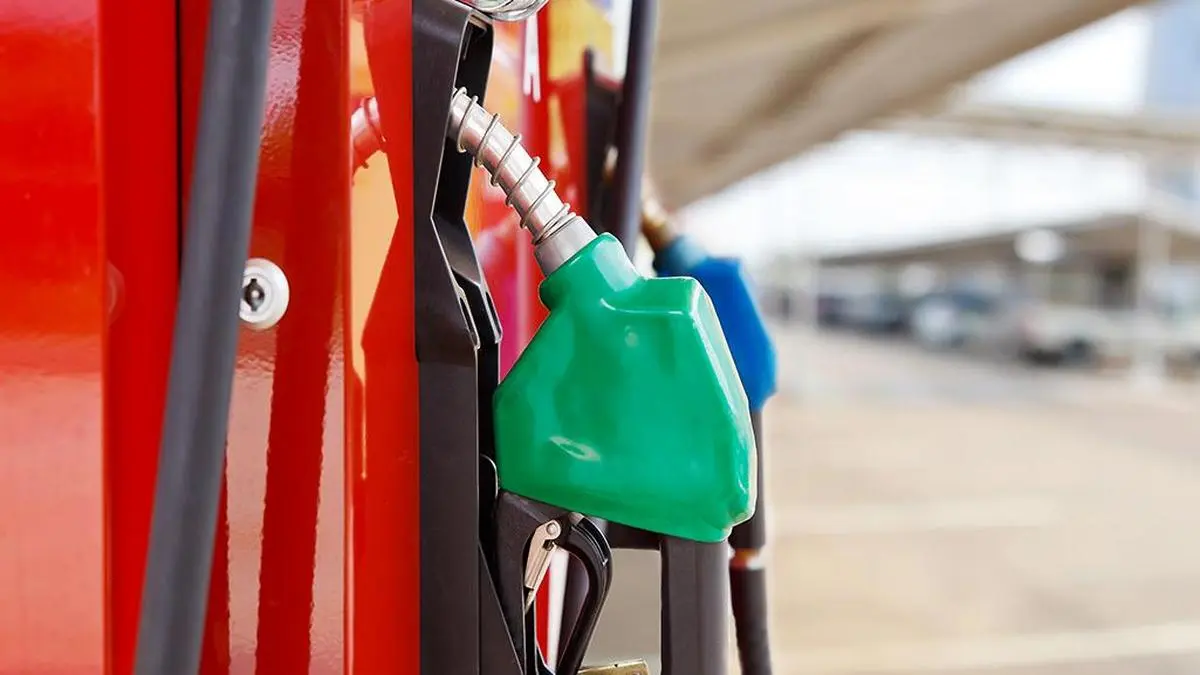
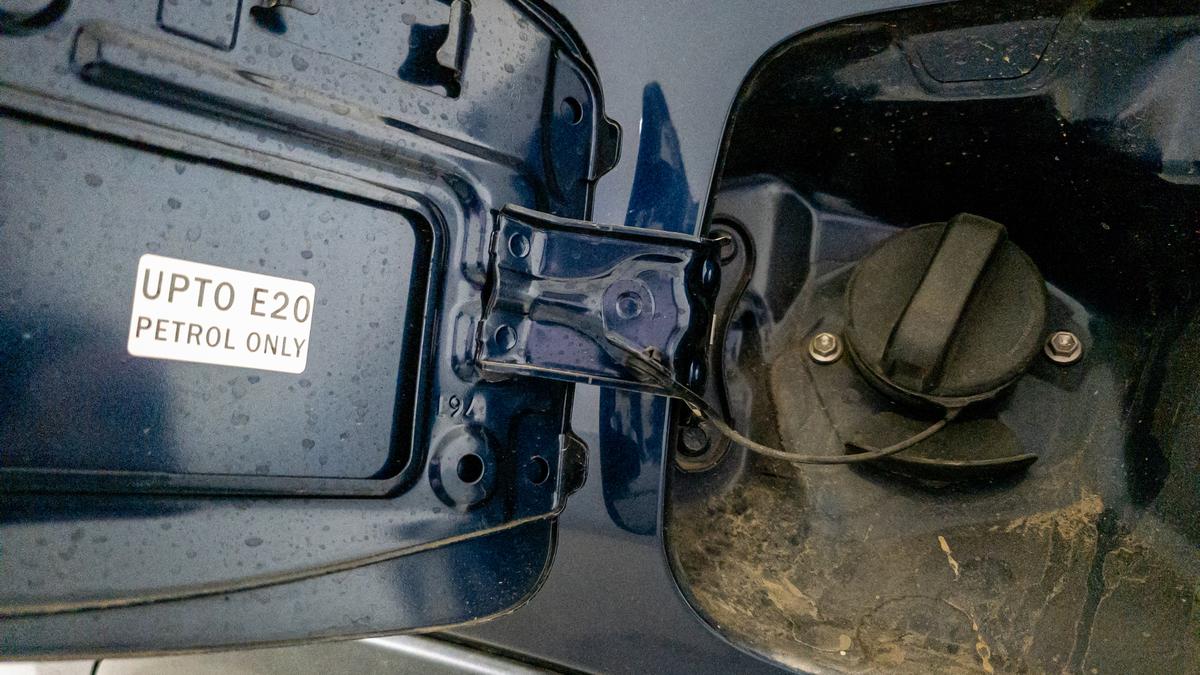
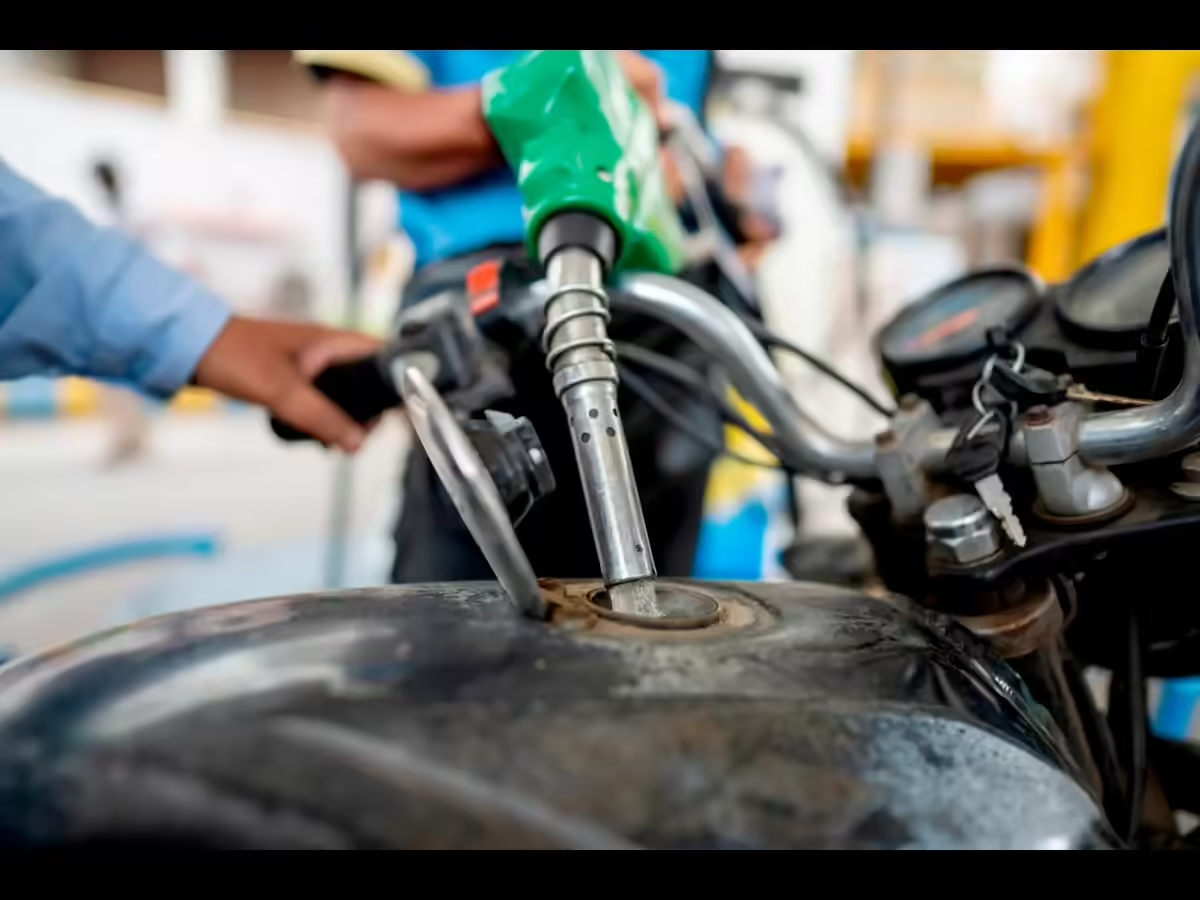
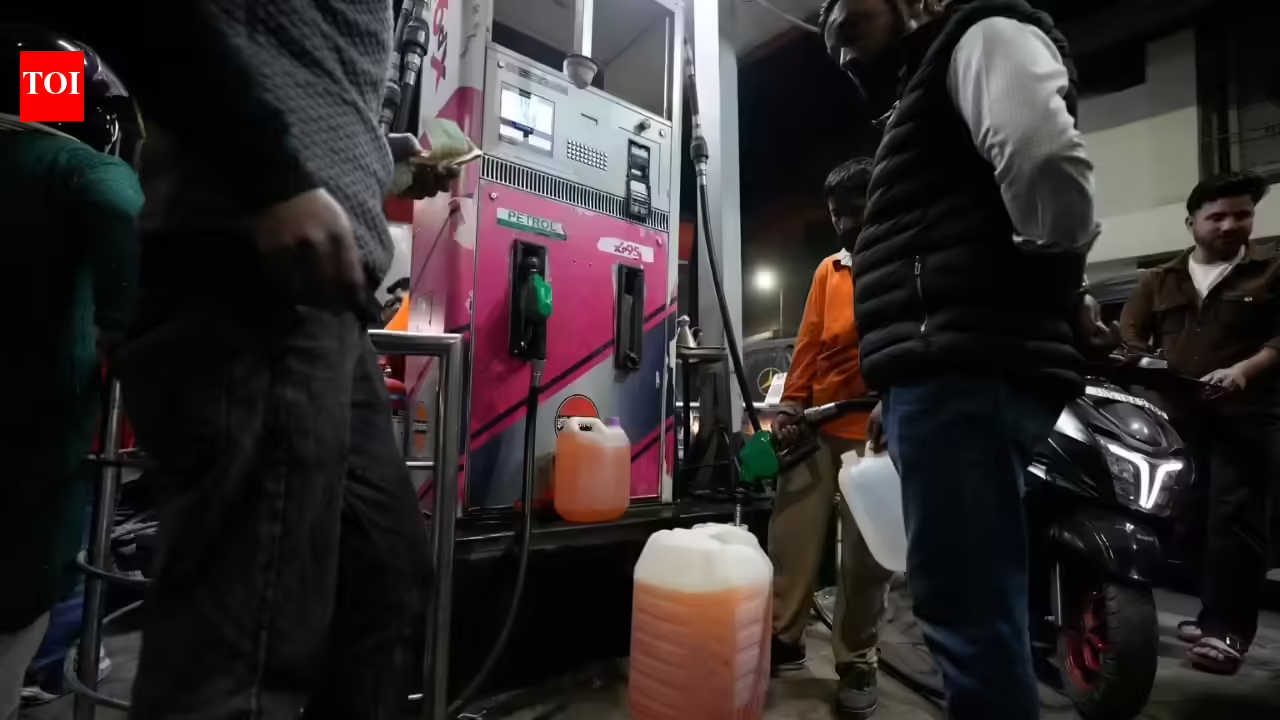
Petrol blended with 20 percent ethanol is now available across the country, years ahead of the original schedule. Policymakers view the program as a milestone in India’s energy transition. Many consumers view it with considerably more skepticism. Complaints about declining mileage, uncertainty over vehicle compatibility, and the absence of any visible reduction in fuel prices have fueled a growing public debate.
Much of that discussion has been framed as a simple choice between environmental responsibility and consumer convenience. The reality is considerably more complex. Ethanol blending sits at the intersection of energy security, agricultural policy, climate commitments, and household economics. Understanding its implications requires moving beyond the immediate concerns of motorists and examining the larger political economy behind the policy.
Globally, ethanol is neither experimental nor unusual. The United States has blended ethanol into petrol for decades, with E10 serving as the standard fuel across much of the country. Higher blends such as E15 and E85 are also available for compatible vehicles. Brazil operates one of the world’s most extensive biofuel ecosystems, where E27 is the standard petrol blend and pure ethanol remains widely available. Several European countries have adopted E10 as a mainstream fuel. The underlying science is well established.