WARPTECHNEWS · LAB
HomeAIBusinessTechArchive
WARPTECH LAB NEWS

Warptech Lab News aggrega le notizie più rilevanti da oltre 700 fonti internazionali, con classificazione AI, TL;DR sintetici e timeline cluster su singole storie.

Navigazione

  • Home
  • Archivio
  • Editor's Brief
  • Cerca
  • Il tuo account
  • Newsletter tech/AI

Informazioni legali

  • Privacy Policy
  • Termini di servizio
  • Cookie Policy

© 2026 Sparktech S.R.L. — Tutti i diritti riservati. Sito gestito e manutenuto da Sparktech S.R.L.

Sede legale: Corso Libertà 55, 13100 Vercelli (VC), Italia · P.IVA / C.F. 02835910023 · Contatti: admin@warptechlab.com

Home
Storia in 11 fonti

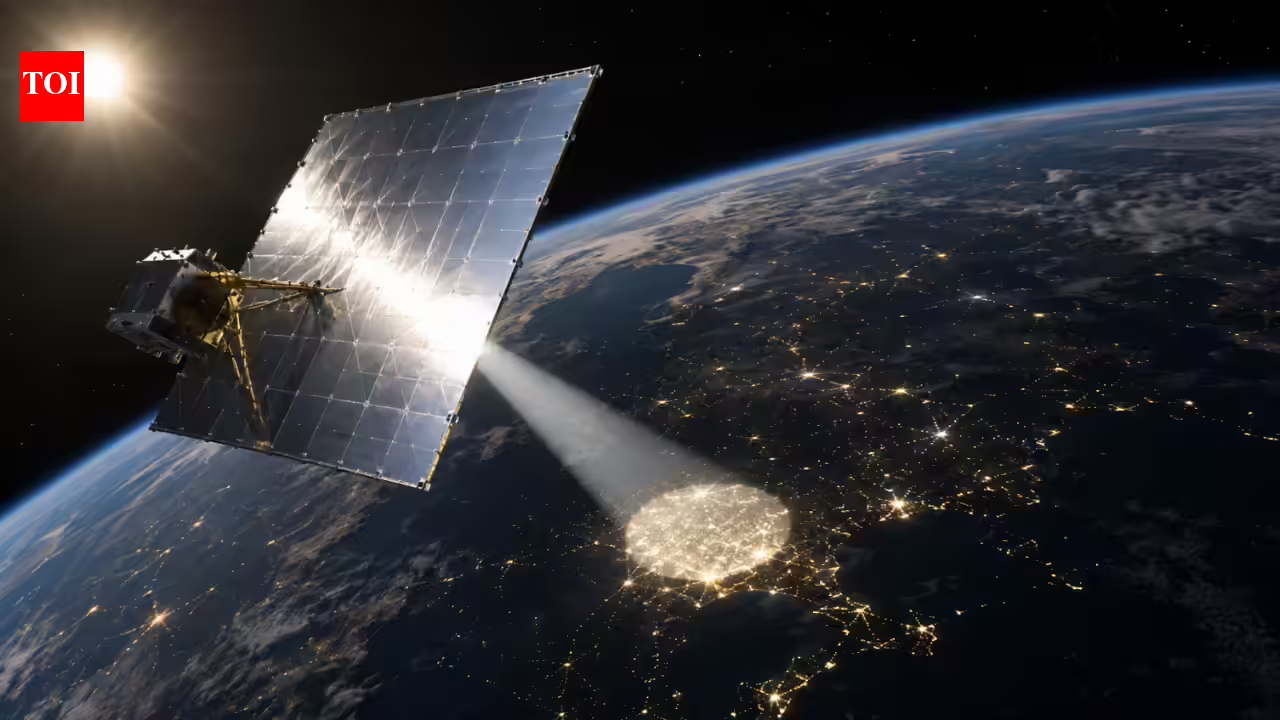
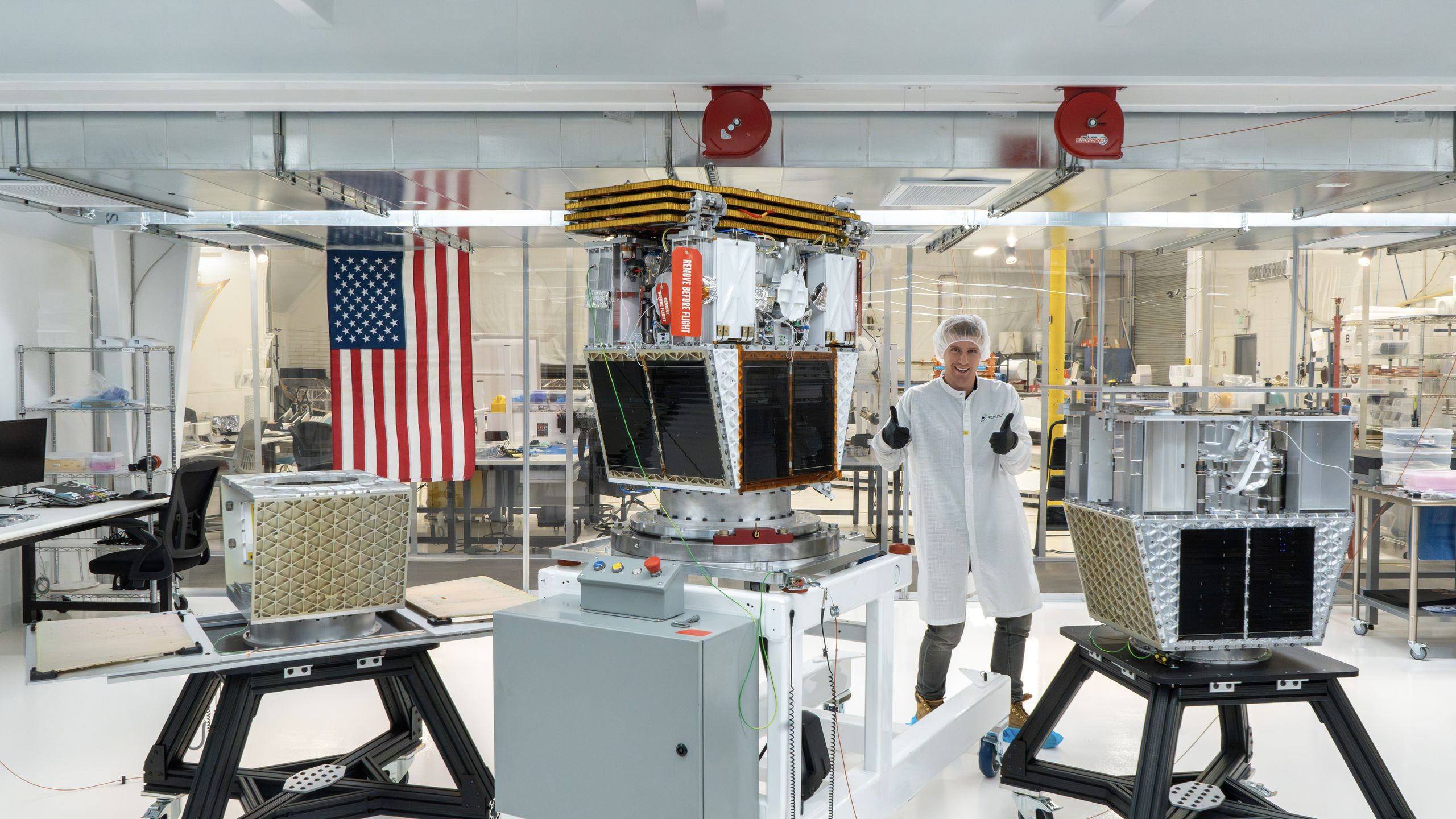
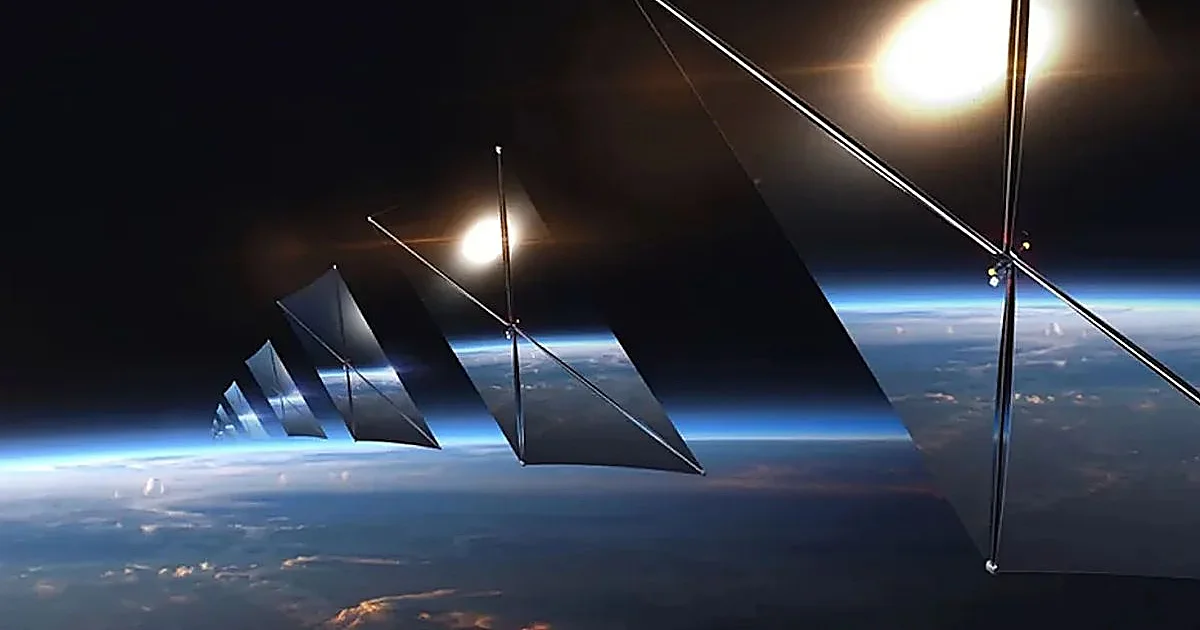
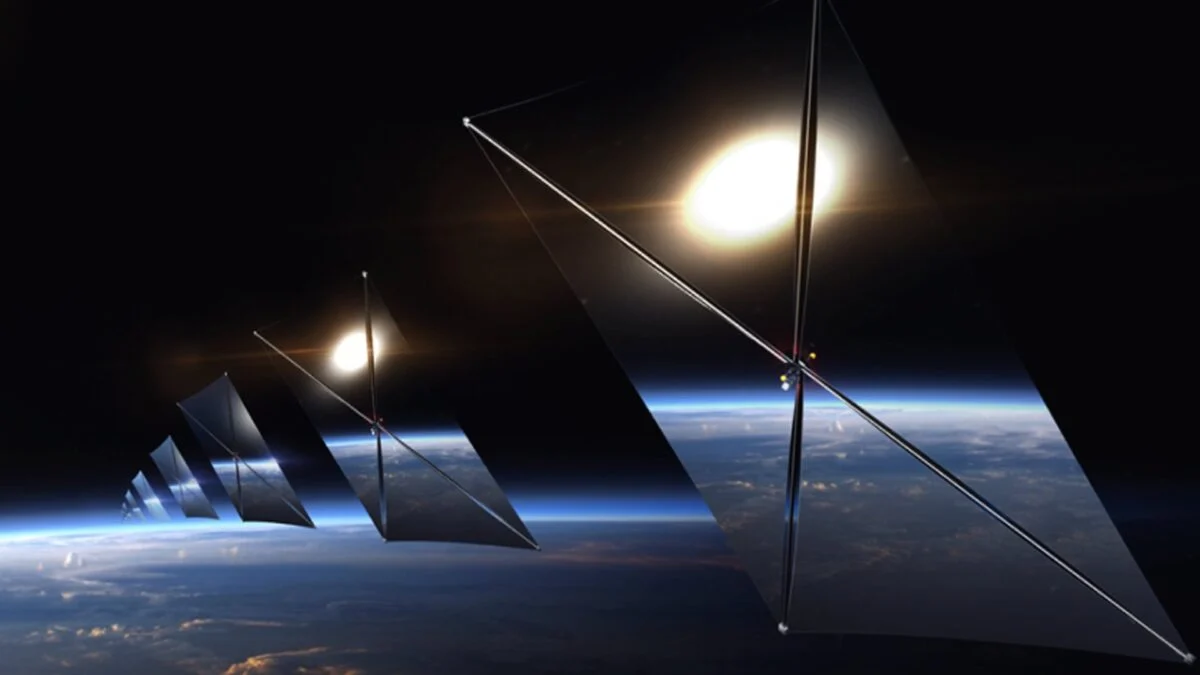
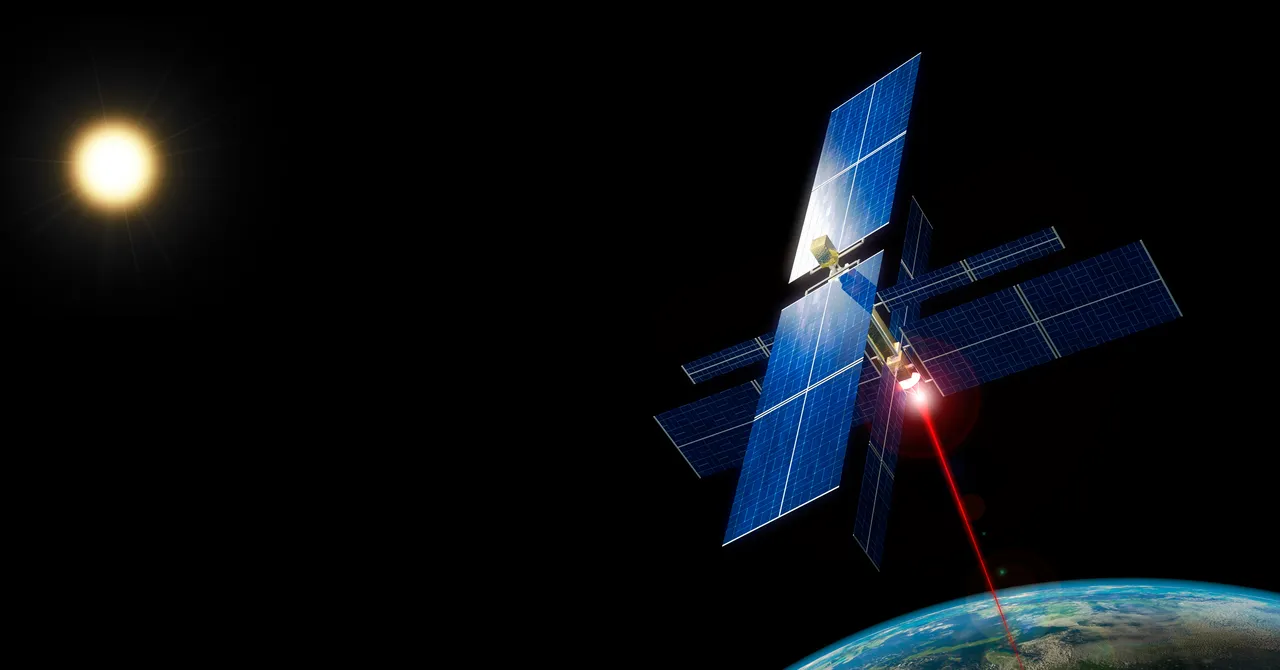
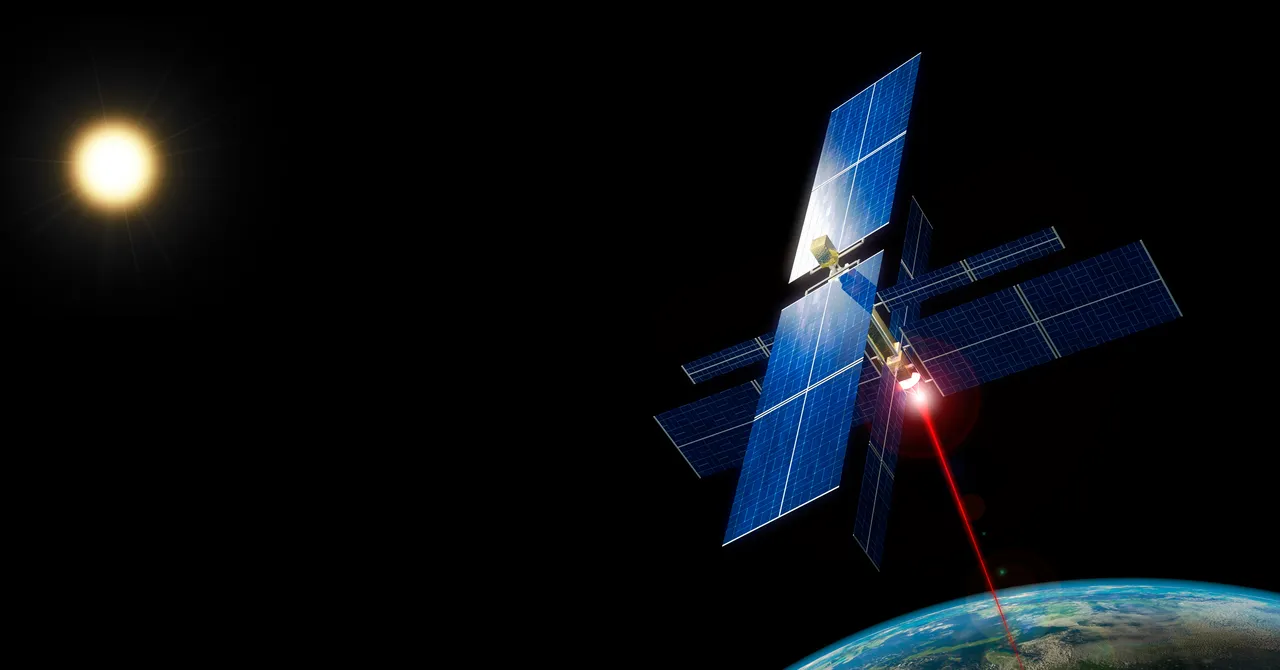
BIG READ | US backs giant mirror in space to create ‘sunlight on demand’

Approval of test satellite that reflects sunlight to Earth, promises extra solar energy but raises concerns about safety, environmental impact, and disruption of natural rhythms

Raccontata danos.nlnu.nltomshardware.comspace.comgizmodo.combusinessday.co.zawired.comtheverge.comtime.comrenewablesnow.comlanacion.com.ar

Confronto fonti

6 prospettive sulla stessa storia
AI · summaries
businessday.co.zaStai leggendo2 g fa

BIG READ | US backs giant mirror in space to create ‘sunlight on demand’

Approval of test satellite that reflects sunlight to Earth, promises extra solar energy but raises concerns about safety, environmental impact, and disruption of natural rhythms

originale

Timeline cronologica

  1. sabato 11 luglio 2026·nos.nl

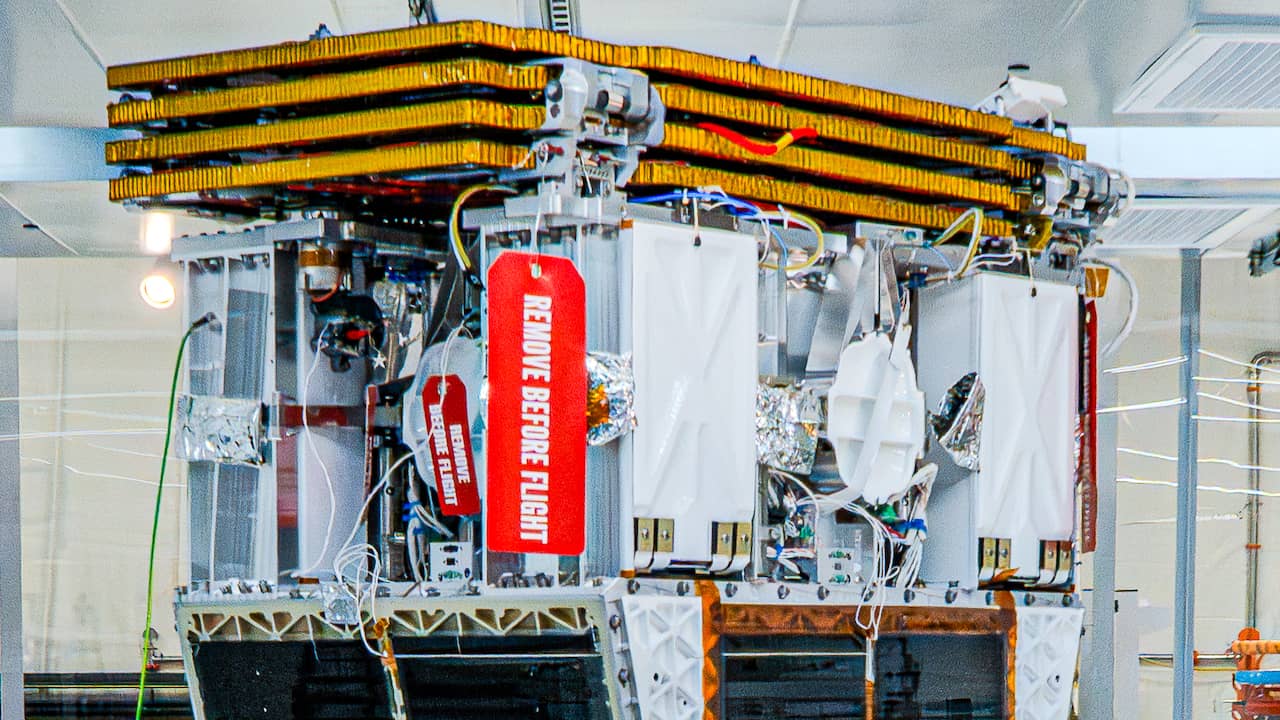
    Amerikaanse communicatiewaakhond geeft groen licht voor omstreden spiegelsatelliet

    Het bedrijf Reflect Orbital wil 50.000 van die spiegelsatellieten lanceren om specifieke plekken 's nachts te verlichten. tegenstanders waarschuwen voor "een hemel vol manen".
  2. sabato 11 luglio 2026·nu.nl

    Groen licht voor omstreden satelliet die deel van aarde 's nachts moet verlichten

    De Amerikaanse Federal Communications Commission (FCC) heeft groen licht gegeven voor de lancering van een experimentele satelliet die 's nachts zonlicht moet weerkaatsen om…

wired.com
1 g fa

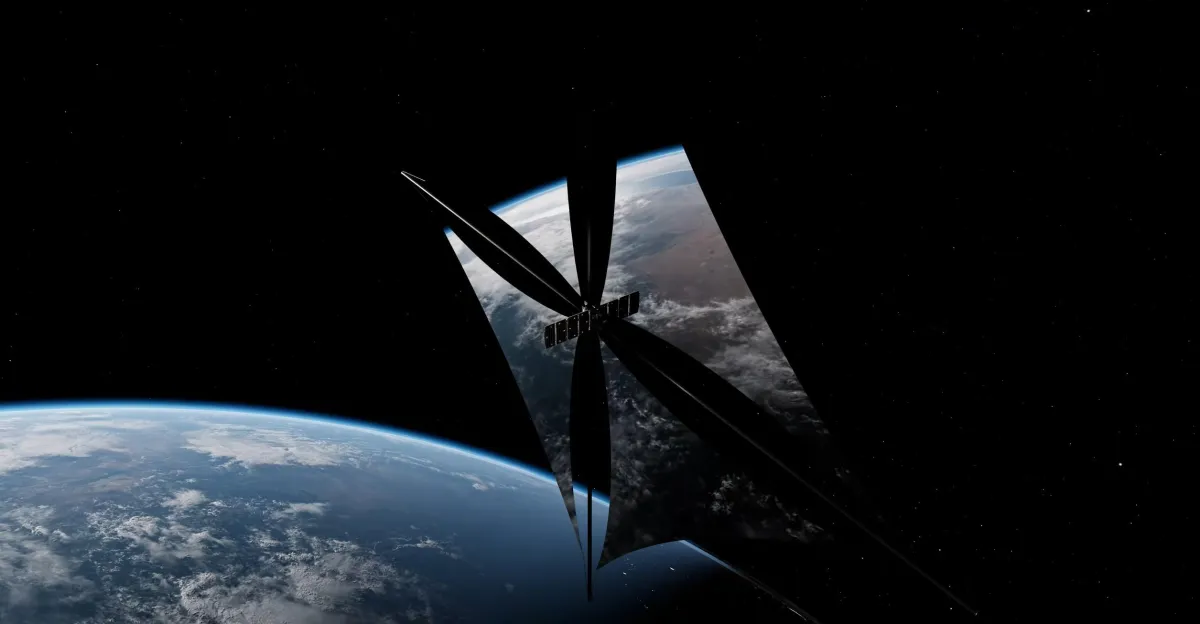
The US Approves the Launch of a Mirror Satellite That Can Reflect Sunlight and Illuminate the Earth at Night

The FCC authorized Reflect Orbital to launch the mirror satellite Eärendil-1. “For optical astronomy, this poses an existential threat,” the European Southern Observatory said.

Leggi questa versione → originale
gizmodo.com2 g fa

This Startup Wants to Use Space Mirrors to Light Up Earth at Night. Feds Just Said Go Ahead

The startup will begin testing its idea of creating sunlight after dark.

Leggi questa versione → originale
tomshardware.com3 g fa

FCC approves orbital space mirrors, first test satellites will launch this year — large spacecraft reflects…

Ambitious startup wants to deploy more than 50,000 of these satellites by 2035.

Leggi questa versione → originale
theverge.com1 g fa

The first sunlight reflecting space mirror has been cleared for launch

Eärendil-1 could be the first of a 50,000 satellite constellation, despite concerns about light pollution.

Leggi questa versione → originale
time.com1 g fa

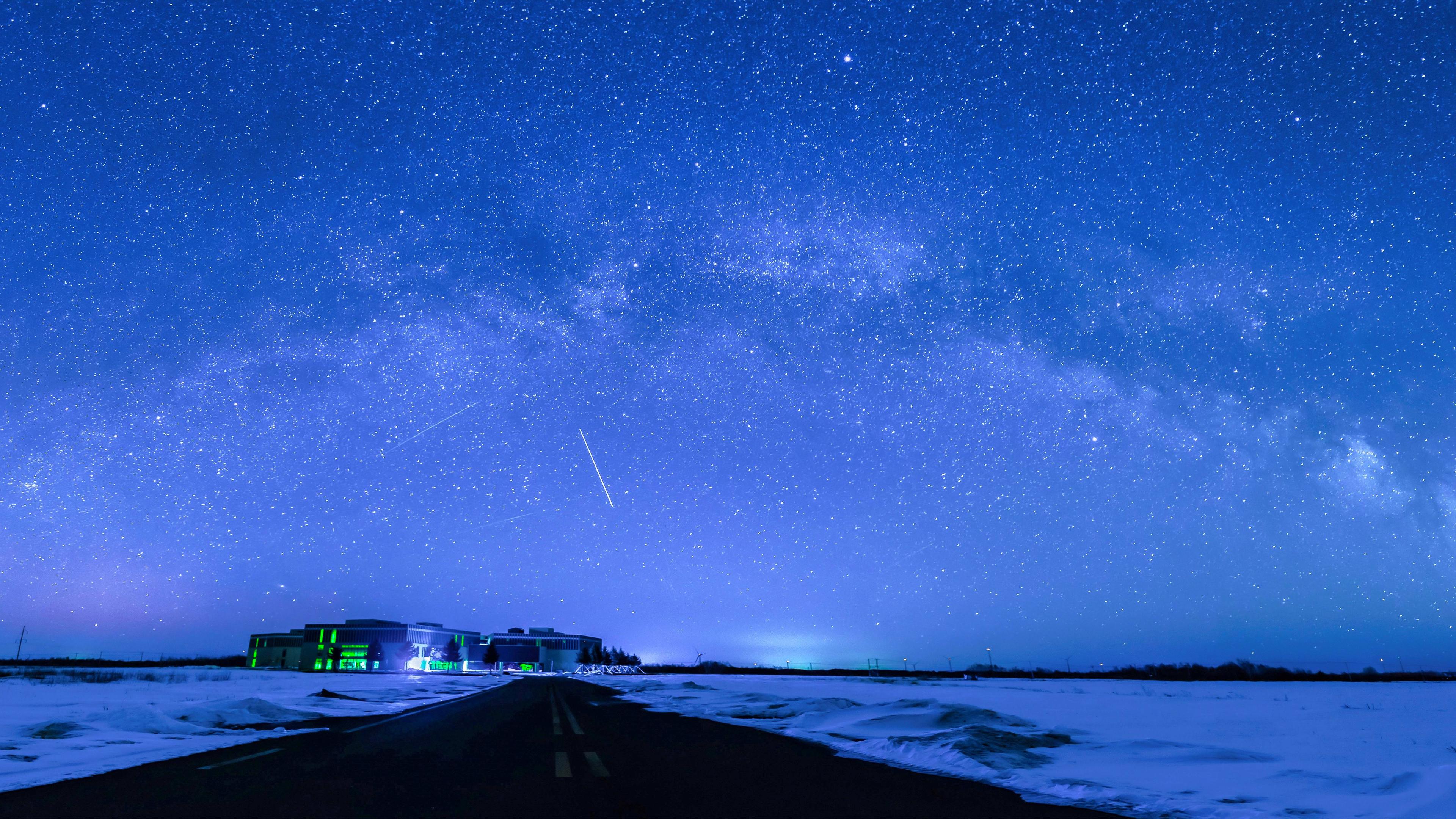
A Space Mirror Will Test Turning Night Into Day. What To Know About the Controversial Project

Astronomers worry that Reflect Orbital's plans to direct sunlight into darkness will put night skies at risk.

Leggi questa versione → originale
  • domenica 12 luglio 2026·tomshardware.com

    FCC approves orbital space mirrors, first test satellites will launch this year — large spacecraft reflects sunlight to Earth’s surface for…

    Ambitious startup wants to deploy more than 50,000 of these satellites by 2035.

  • lunedì 13 luglio 2026·space.com

    Reflect Orbital just got permission to launch its 1st space mirror to orbit. Tens of thousands more could follow

    "We're excited to demonstrate how our technology works and to introduce transformative, clean technology the world urgently needs."

  • lunedì 13 luglio 2026·gizmodo.com

    This Startup Wants to Use Space Mirrors to Light Up Earth at Night. Feds Just Said Go Ahead

    The startup will begin testing its idea of creating sunlight after dark.

  • martedì 14 luglio 2026·businessday.co.za

    BIG READ | US backs giant mirror in space to create ‘sunlight on demand’

    Approval of test satellite that reflects sunlight to Earth, promises extra solar energy but raises concerns about safety, environmental impact, and disruption of natural rhythms

  • martedì 14 luglio 2026·wired.com

    The US Approves Launch of Mirror Satellite That Can Reflect Sunlight and Illuminate the Earth at Night

    The FCC authorized Reflect Orbital to launch the mirror satellite Eärendil-1. “For optical astronomy, this poses an existential threat,” the European Southern Observatory said.

  • martedì 14 luglio 2026·wired.com

    The US Approves the Launch of a Mirror Satellite That Can Reflect Sunlight and Illuminate the Earth at Night

    The FCC authorized Reflect Orbital to launch the mirror satellite Eärendil-1. “For optical astronomy, this poses an existential threat,” the European Southern Observatory said.

  • martedì 14 luglio 2026·theverge.com

    The first sunlight reflecting space mirror has been cleared for launch

    Eärendil-1 could be the first of a 50,000 satellite constellation, despite concerns about light pollution.

  • martedì 14 luglio 2026·time.com

    A Space Mirror Will Test Turning Night Into Day. What To Know About the Controversial Project

    Astronomers worry that Reflect Orbital's plans to direct sunlight into darkness will put night skies at risk.

  • mercoledì 15 luglio 2026·renewablesnow.com

    Reflect Orbital gets FCC nod for inaugural solar reflector

    US start-up Reflect Orbital has won approval from the Federal Communications Commission (FCC) to launch into Low Earth Orbit its first demonstration satellite, Earendil-1, built…

  • mercoledì 15 luglio 2026·lanacion.com.ar

    EE.UU. aprueba el primer satélite espejo para iluminar zonas de la Tierra durante la noche

    El Eärendil-1 es un espejo espacial que Reflect Orbital espera poner a 600 km de altura este año; reflejará la luz solar para iluminar la noche terrestre