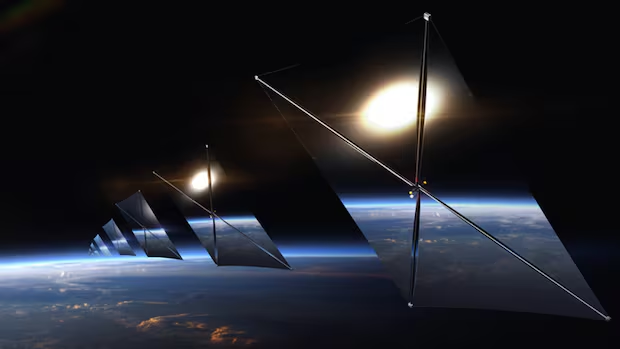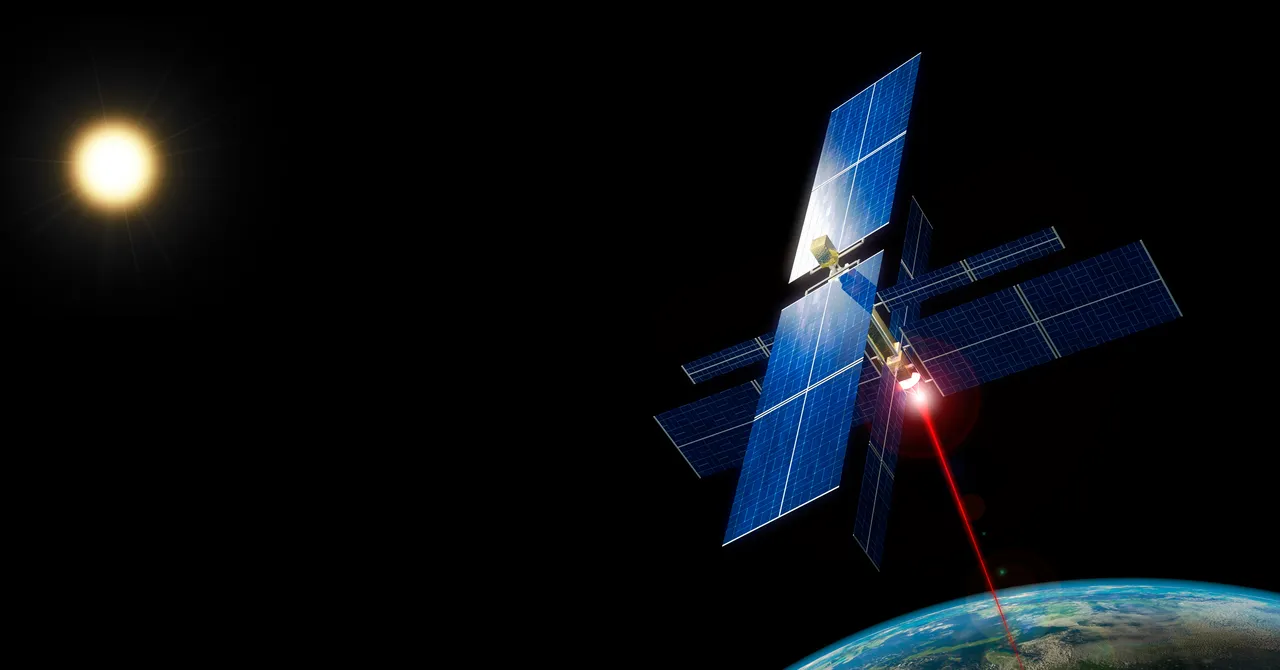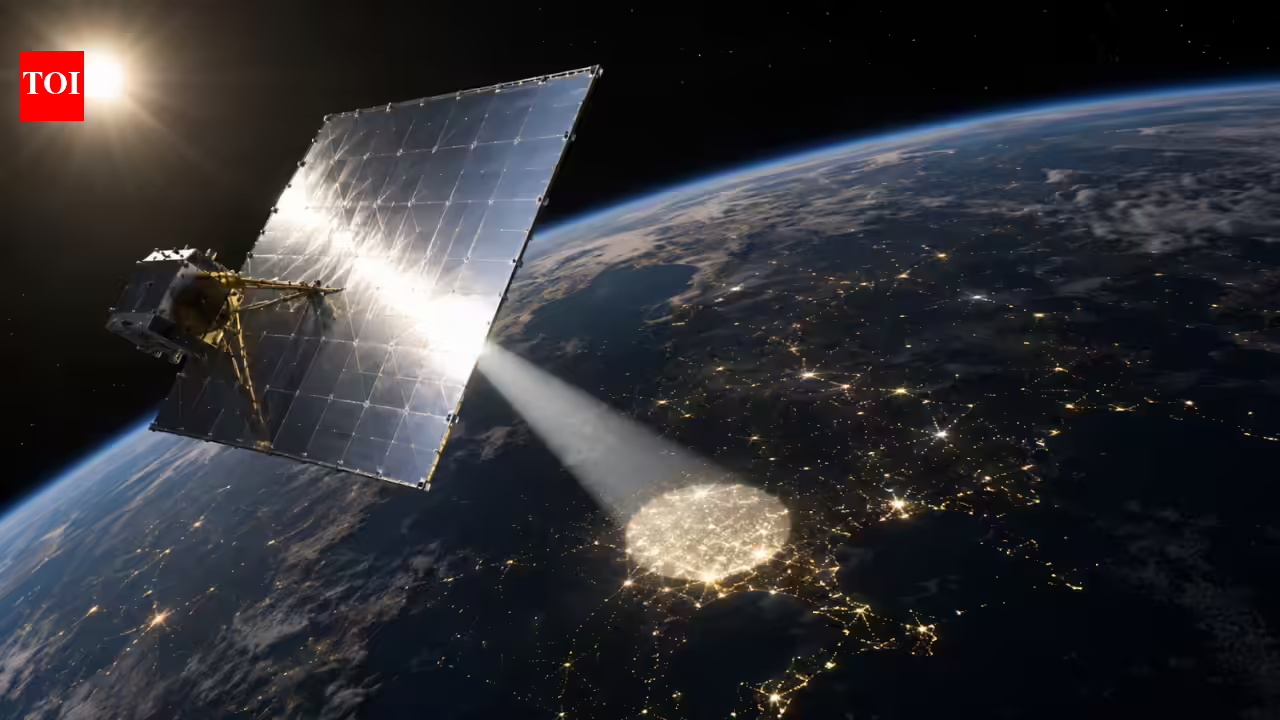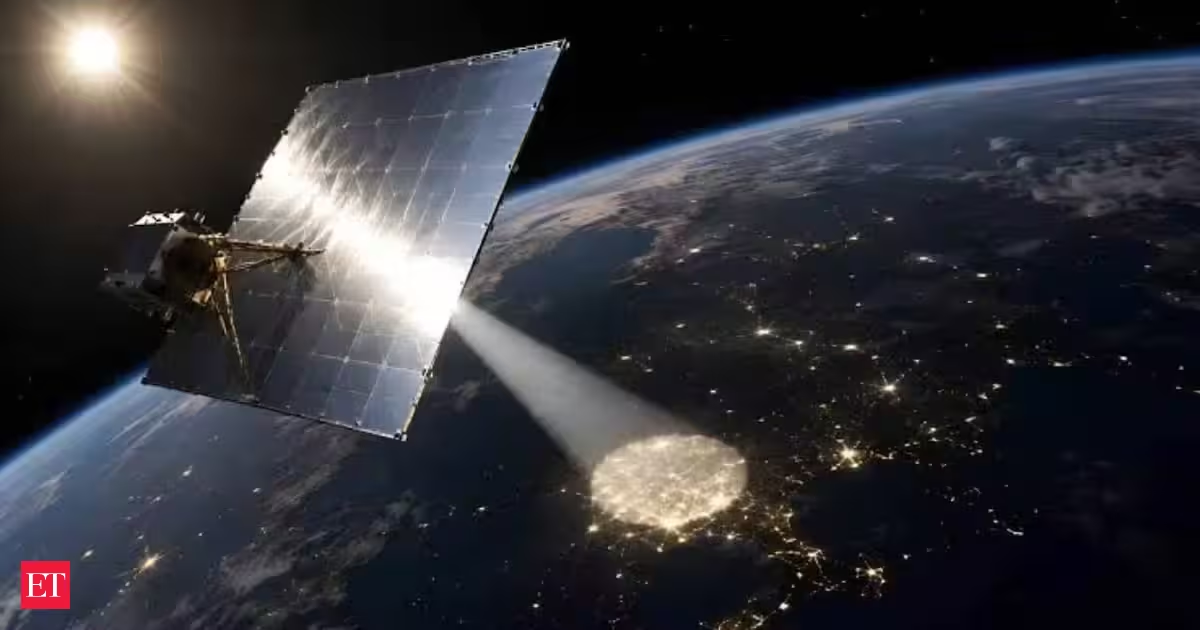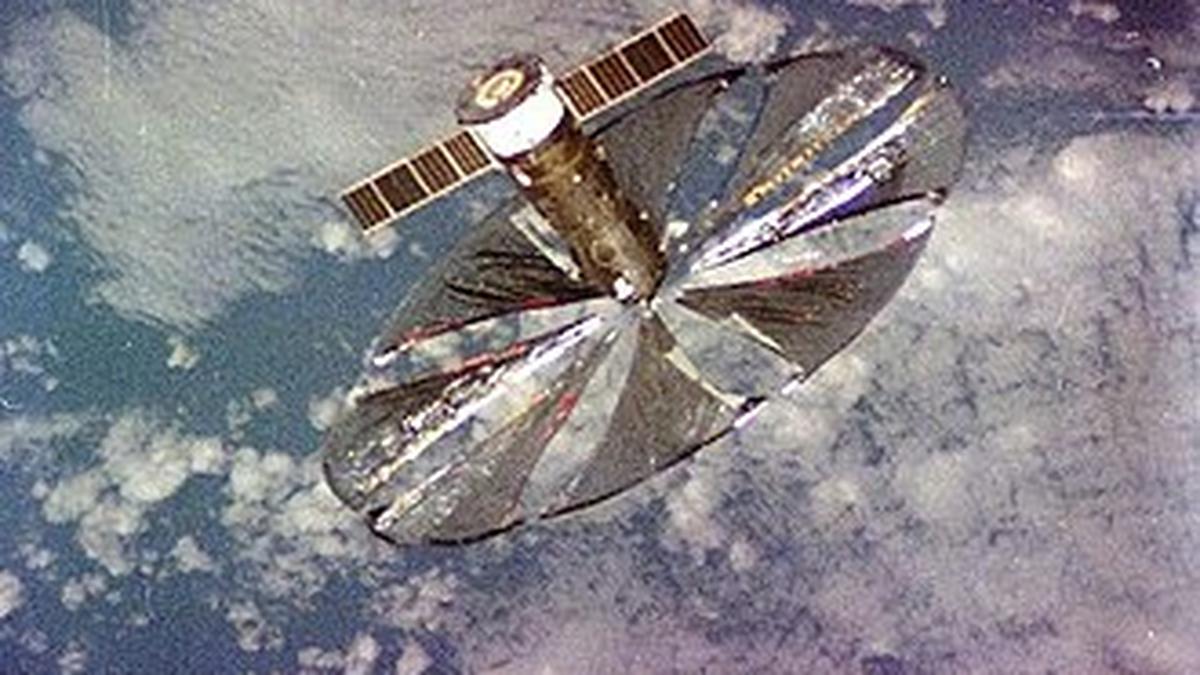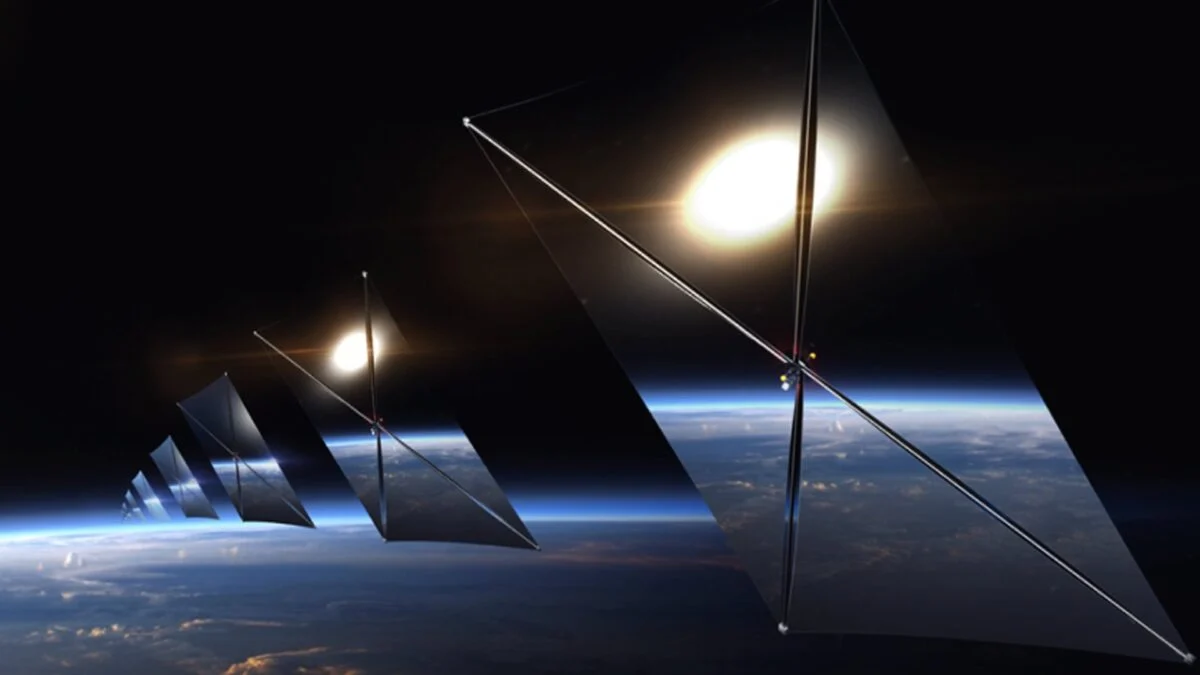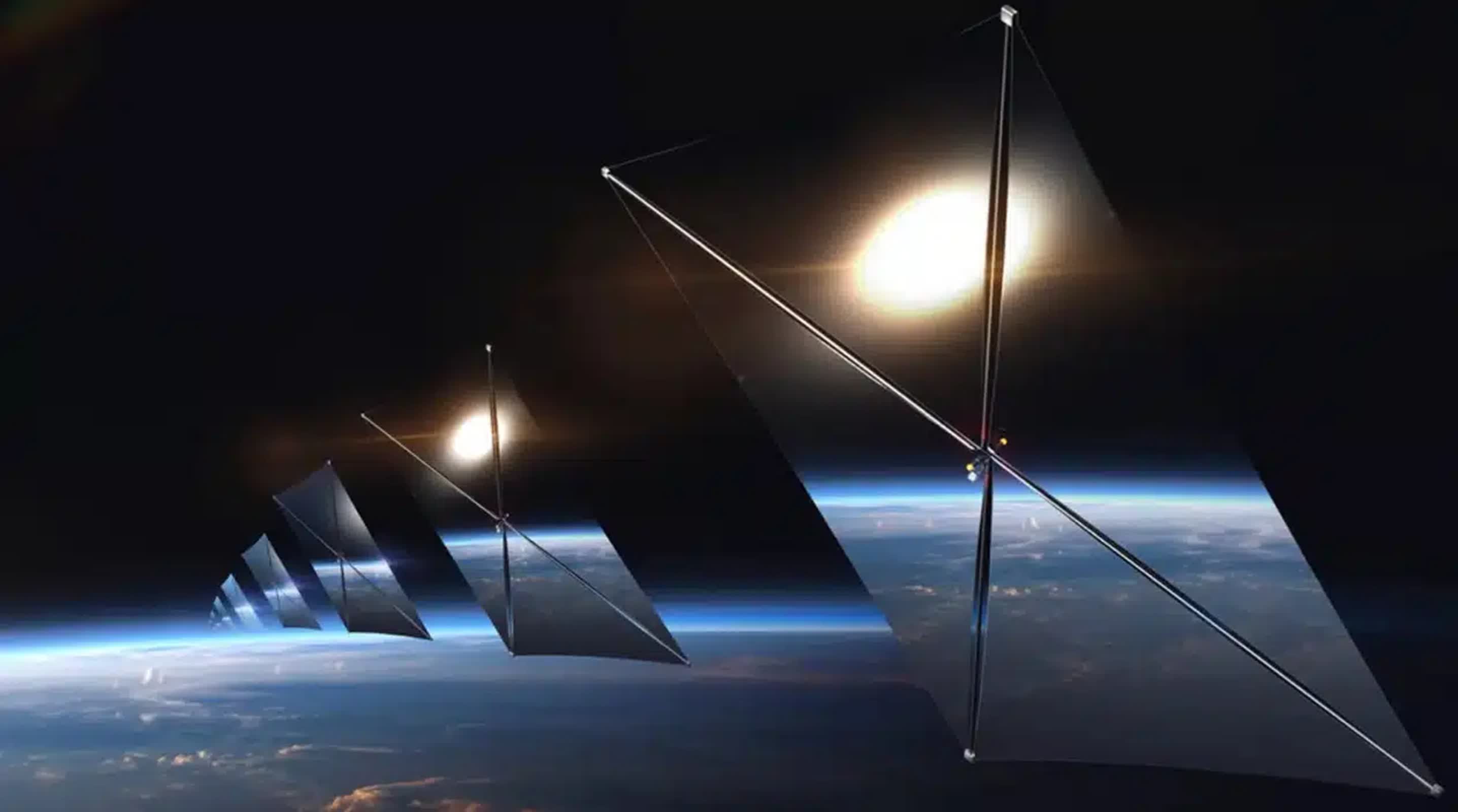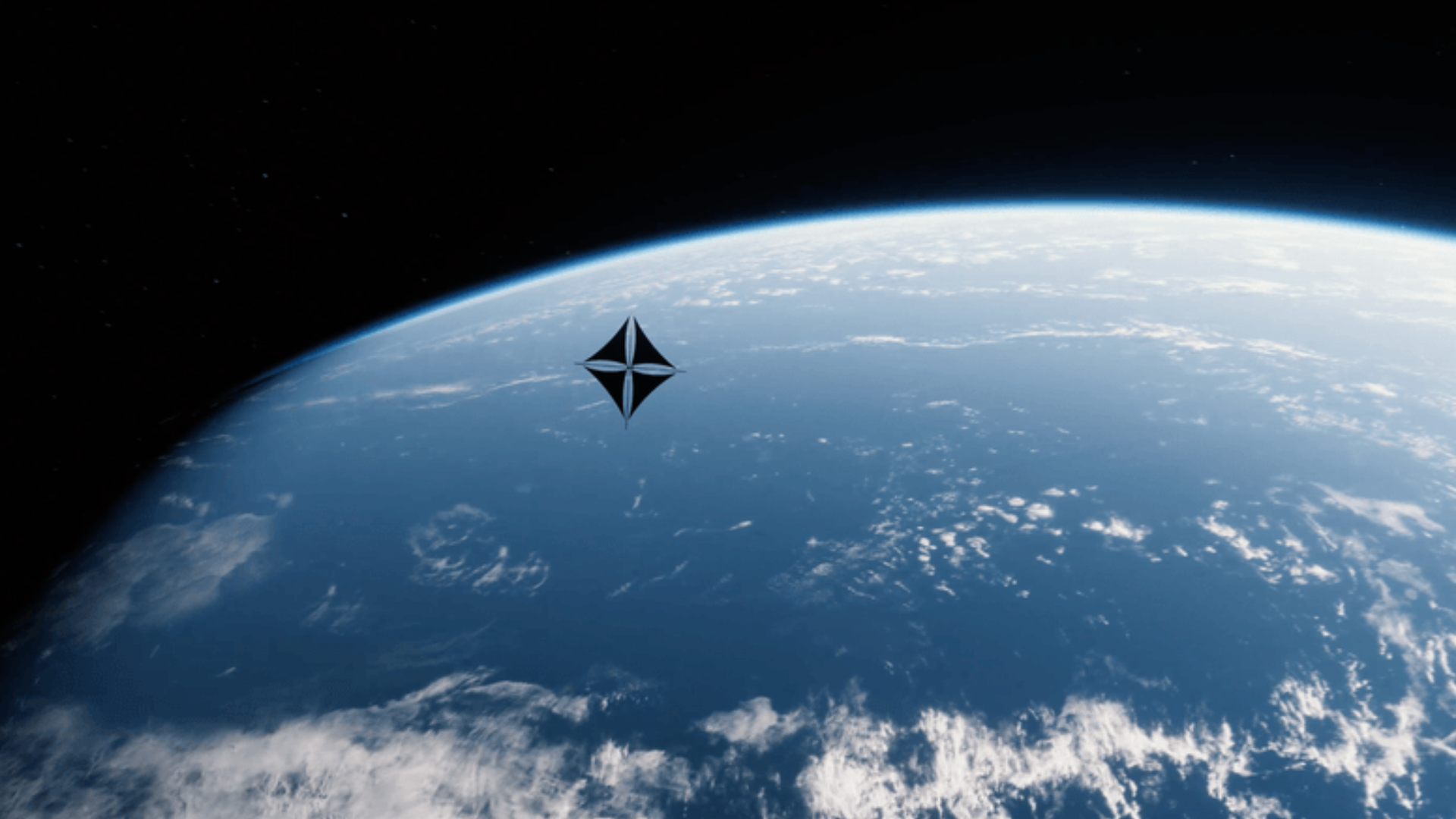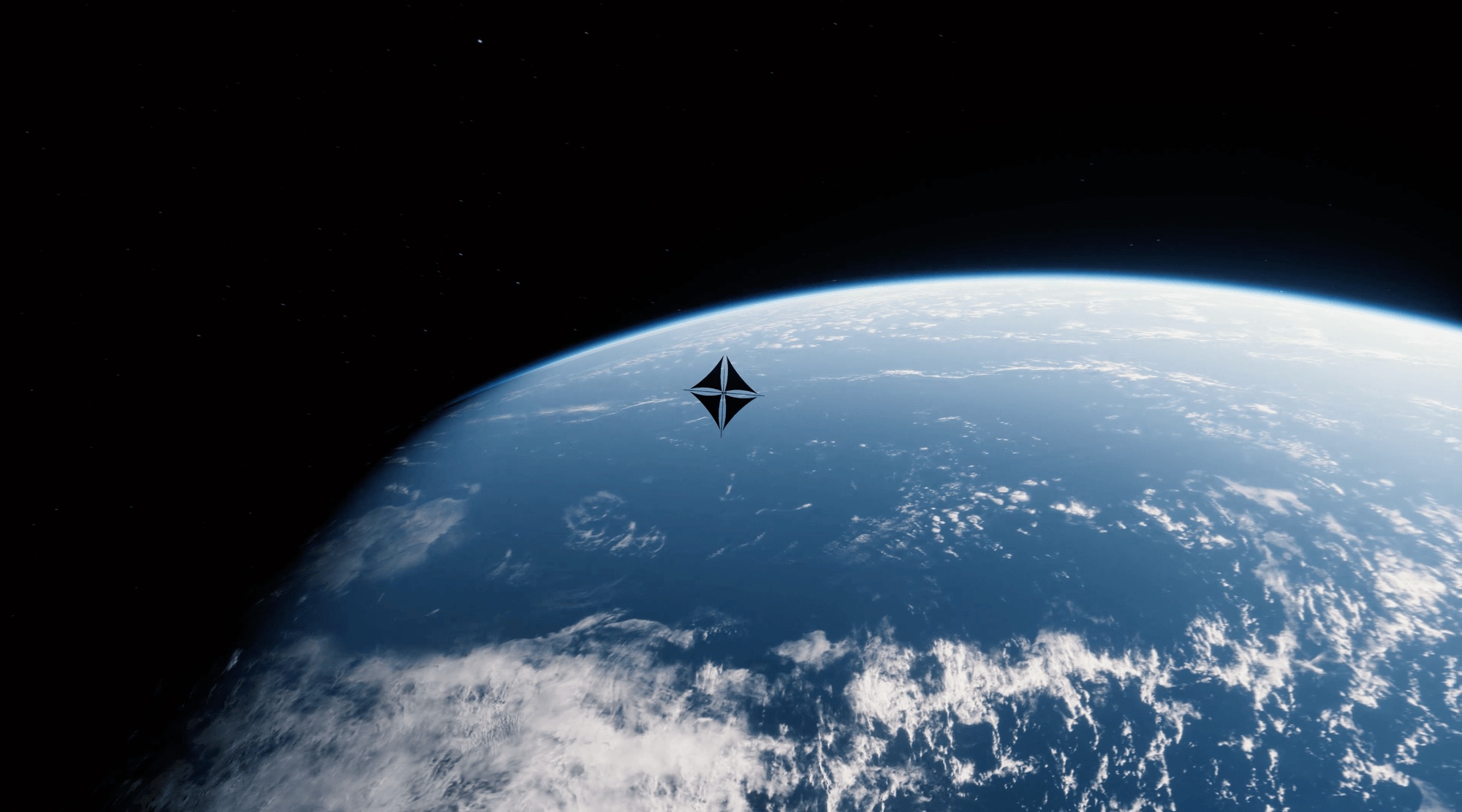
A giant mirror to create “sunlight on demand” was just approved by the US Federal Communications Commission (FCC), despite opposition from astronomers, the public and real safety concerns.The FCC approved the company Reflect Orbital to test one satellite, Earendil-1, as a means of reflecting the sun’s rays back to Earth for extra solar energy and wide-area lighting. The light is expected to cover an area about 5km wide and will require repointing every four minutes.And this is just the start. Reflect Orbital plans to have more than 50,000 satellites in action by 2035, which they claim will be used across agricultural, emergency response and other industrial sectors.There are many problems with this proposal, including impacts these satellites will have on human health and safety, as well as on astronomy and the low-Earth environment.Flashes during mirror repointing could disrupt pilots and drivers. The light could also disrupt circadian rhythms of plants, animals and humans. Sensitive detectors in research telescopes, as well as star-tracking cameras on lower-altitude satellites, could be overloaded and fried.The FCC said that the “risks of harm raised on the record regarding Reflect Orbital’s solar reflector are unrelated to the commission’s role in authorising use of radiofrequency spectrum”.Weird space stuffSatellite proposals for “emergent space activities” in low-Earth orbit are becoming increasingly outlandish. The proposals have become so weird, in fact, that the FCC recently published a document, “Spectrum abundance for weird space stuff”.“Once the province of science fiction,” the document states, “American companies are now upgrading, relocating and servicing satellites; manufacturing pharmaceuticals in space; building private inhabitable spacecraft and conducting private robotic missions to the surface of the Moon.”Millions of orbital AI data centres are also planned. Corporations seem to be scrambling to launch anything that might persuade investors to throw money at them: space advertising, hotels for billionaires, artificial meteor showers, space burials for cremated remains, solar-powered infrared beams to power data centres and a variety of orbital missiles.The phrase “weird space stuff” is refreshingly truthful. So, how did we get here?SpaceX controls orbitAlmost 11,000 SpaceX Starlink satellites are in orbit above our heads. Anyone who wants to launch into low-Earth orbit should carefully consider SpaceX operations, or directly co-ordinate with them.Otherwise, they risk collisions, like the near-miss between a Starlink and Chinese satellite in December 2025.Even the Artemis I launch in 2022 and Artemis II launch in 2026 had small “cutout” windows in their launch timing to avoid satellites, including those belonging to Starlink.Co-ordination is good. Forcing it because one corporation has effectively occupied low-Earth orbit is not. Indeed, the 1967 Outer Space Treaty, which was signed by more than 100 countries, including the US, China and Russia, states that, “outer space is not subject to national appropriation by claim of sovereignty, by means of use or occupation”.Whether SpaceX’s extensive use of Earth orbits violates this principle is now being tested in real time.Copycat megaconstellationsIn February, SpaceX filed with the FCC for 1-million more satellites, for “AI data centres”.One million. That is 40 times as many satellites as have ever been launched — for a single megaconstellation comprising completely untested technology that may not even work in space.Not only did the FCC accept SpaceX’s filing, but did so at ludicrous speed. Scientists worldwide then had just 30 days to model the effects with woefully incomplete information on masses, sizes, compositions and orbital distributions.At the time of writing, four other copycat AI data centre proposals have been filed by rival companies, for tens of thousands of satellites each. And SpaceX just proposed another 100,000 satellites to interface with the million AI data centres that it already asked for.Solar energy from spaceThe US FCC was originally set up to regulate radio broadcasts. But it is now being asked to evaluate many nonradio effects, including orbital safety, which it may not have the required expertise for. It would make sense to move some of this evaluation to the US Office of Space Commerce. However, recent budget cuts make that infeasible.Consequently, the FCC will soon be asked to judge a daunting range of satellite proposals. They include a cluster of proposals to gather solar energy from space.One idea is to send solar power down to Earth through high-energy beams. These could change atmospheric chemistry and kill birds and other wildlife that stray into the beam.They would also require no-fly zones around receiving stations for aircraft and satellites on lower-altitude orbits (such as the orbits SpaceX just requested for 100,000 more Starlink satellites).Environmental costsWhile many of these projects claim to solve environmental problems by creating clean energy or capturing it in space, they function as a form of greenwashing.The solar energy generated is only clean if you ignore the environmental costs of building, launching, maintaining and burning satellites up in Earth’s atmosphere. The daily operations of all these proposed systems will have huge environmental consequences.There are companies that have tested plans for removing space debris from orbit. This is helpful for avoiding Kessler Syndrome — a runaway chain reaction of collisions. But where will the debris go once removed from orbit?It will fall into Earth’s atmosphere, where it will deposit metal and possibly affect Earth’s surface. It is unclear who is responsible for any resulting damage or deaths.For all humankindMost satellites in orbit now are American and the main federal agency regulating satellites is not set up to do that well. We are now seeing the consequences.While outer space is effectively infinite, low-Earth orbit most definitely is not. Satellites orbit the Earth about once every 90 minutes. This means the collision potential between two objects in orbit is large.The many satellites and rocket bodies that have burnt up in Earth’s atmosphere over the past few years have already measurably altered it. Preliminary studies show that using Earth’s atmosphere as a crematorium for tens of thousands of satellites will have devastating effects on ozone and other atmospheric chemistry.Astronomy is also under threat from some of the “weirder” ideas such as space mirrors, solar sails and diffuse sky brightening from orbital debris.An innovation challengeWe are not here to argue against satellites. Indeed, they provide a wide range of beneficial services to science and society. But each satellite comes with a cost that must be taken into account.Ultimately, this is an innovation challenge. Unfettered growth and exploitation of any environment come with serious consequences, including to the long-term sustainability of the operations that depend on that environment.Doing more with less is the engineering challenge that needs to be met if we want to continue to use satellites in orbit.This article appeared first on The Conversation.The writers are Samantha Lawler, an associate professor in astronomy at the University of Regina, and Aaron Boley, a professor in physics and astronomy at the University of British Columbia.
BIG READ | US backs giant mirror in space to create ‘sunlight on demand’
Approval of test satellite that reflects sunlight to Earth, promises extra solar energy but raises concerns about safety, environmental impact, and disruption of natural rhythms
1,119 words~5 min read