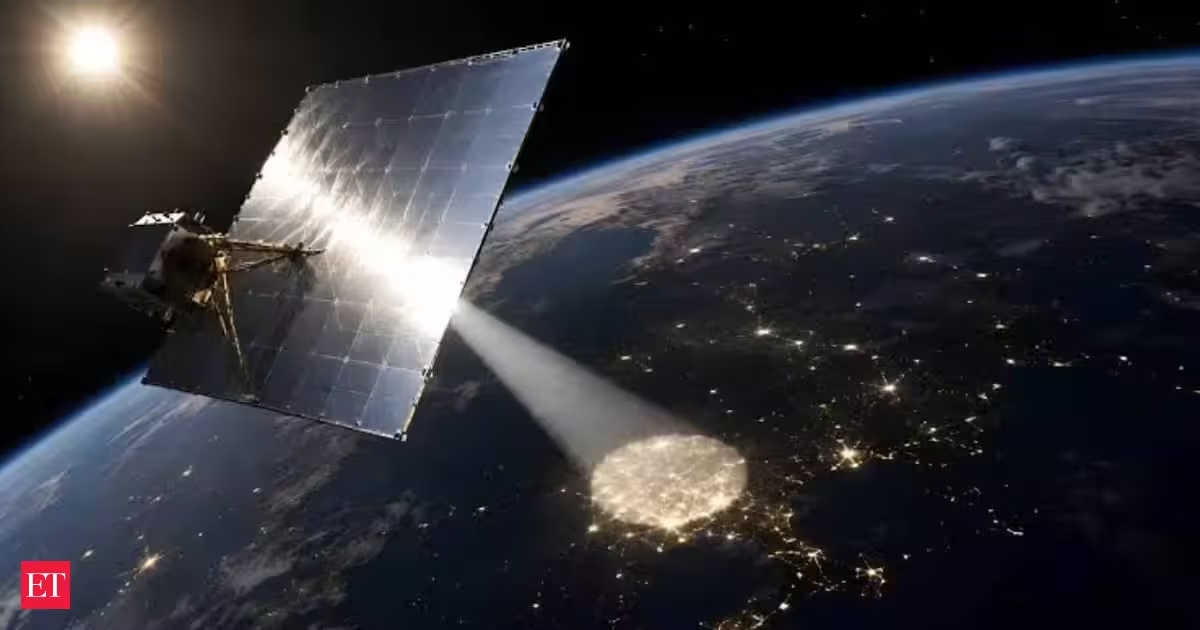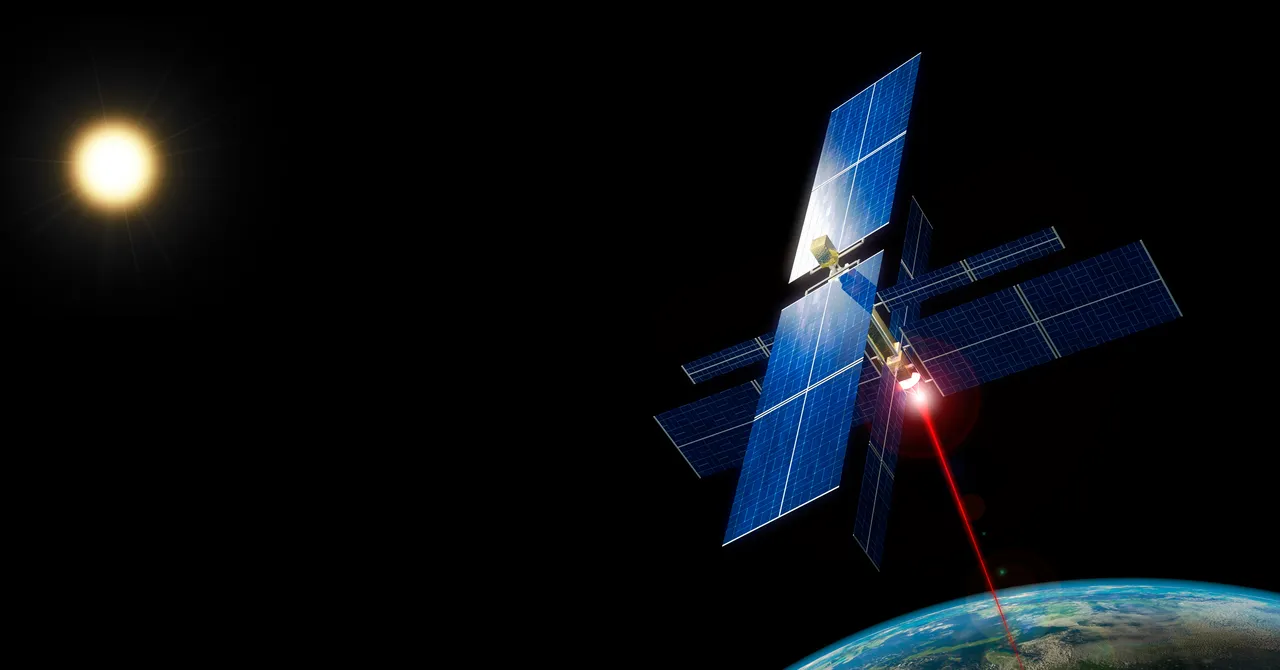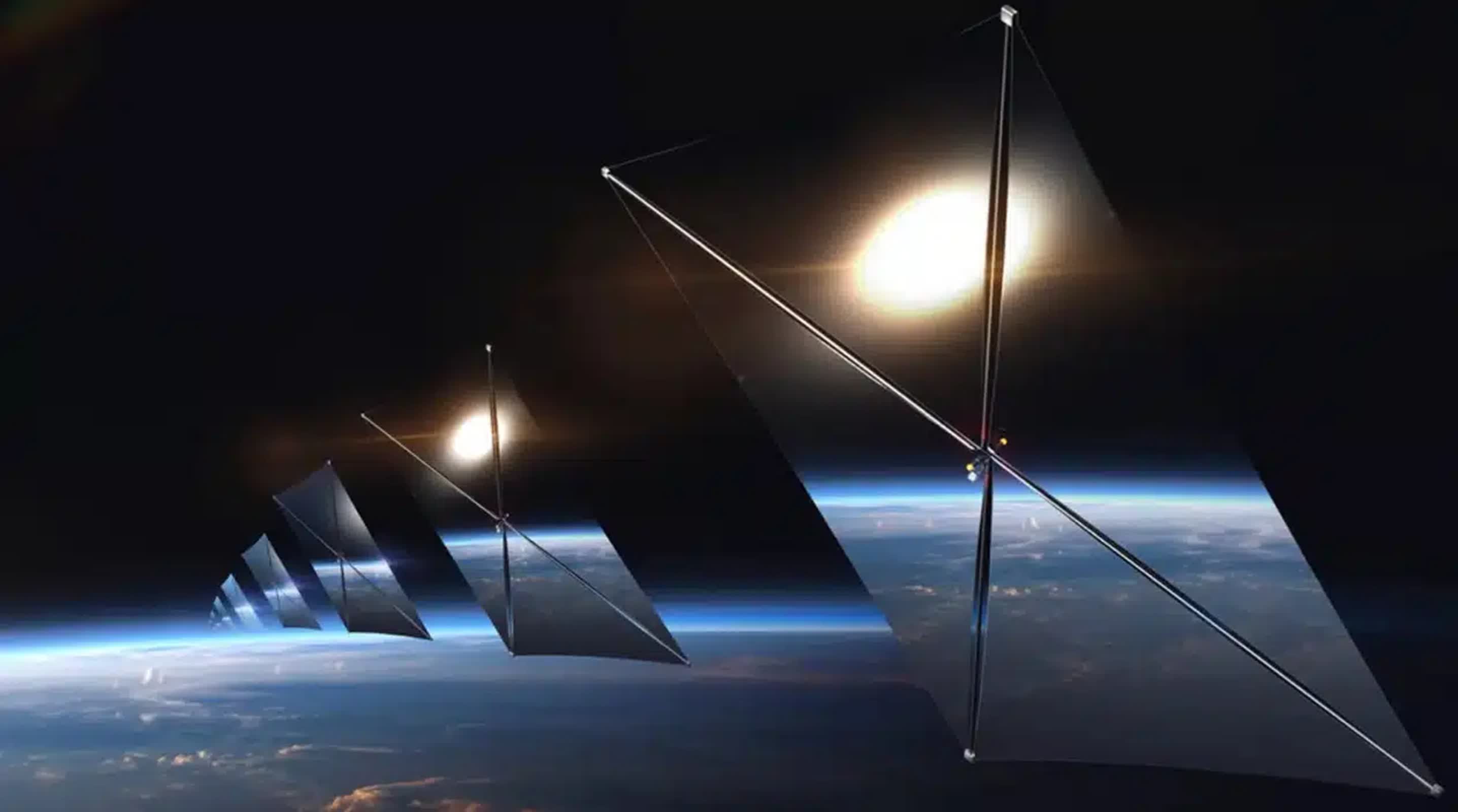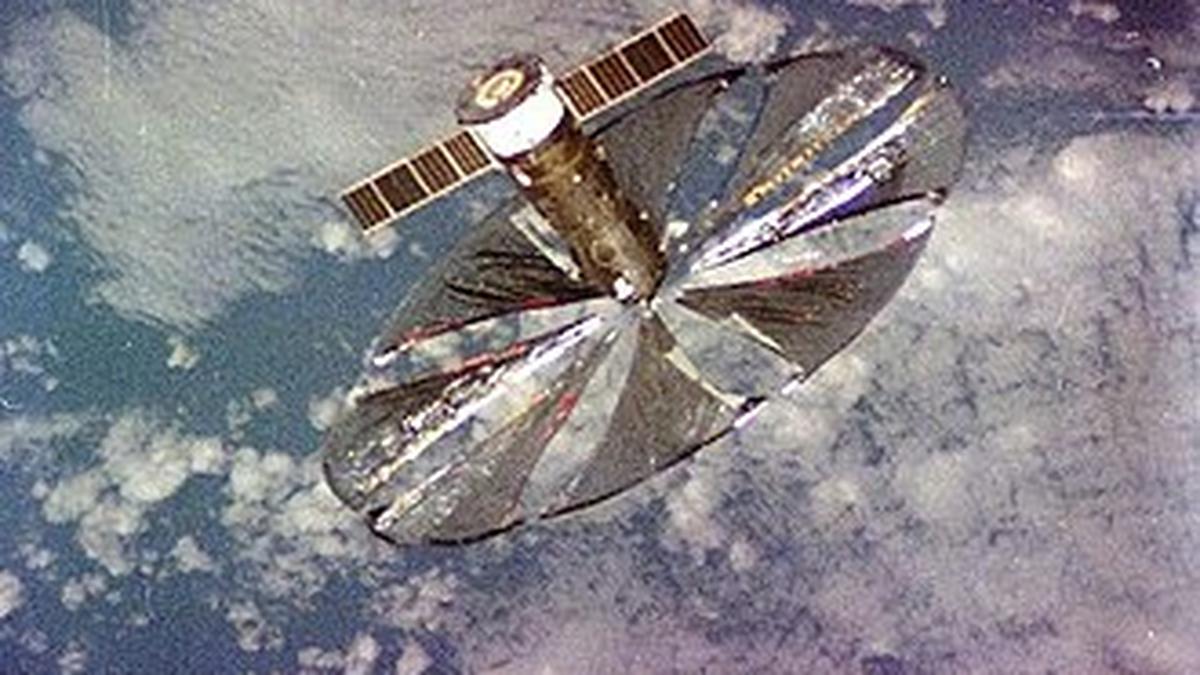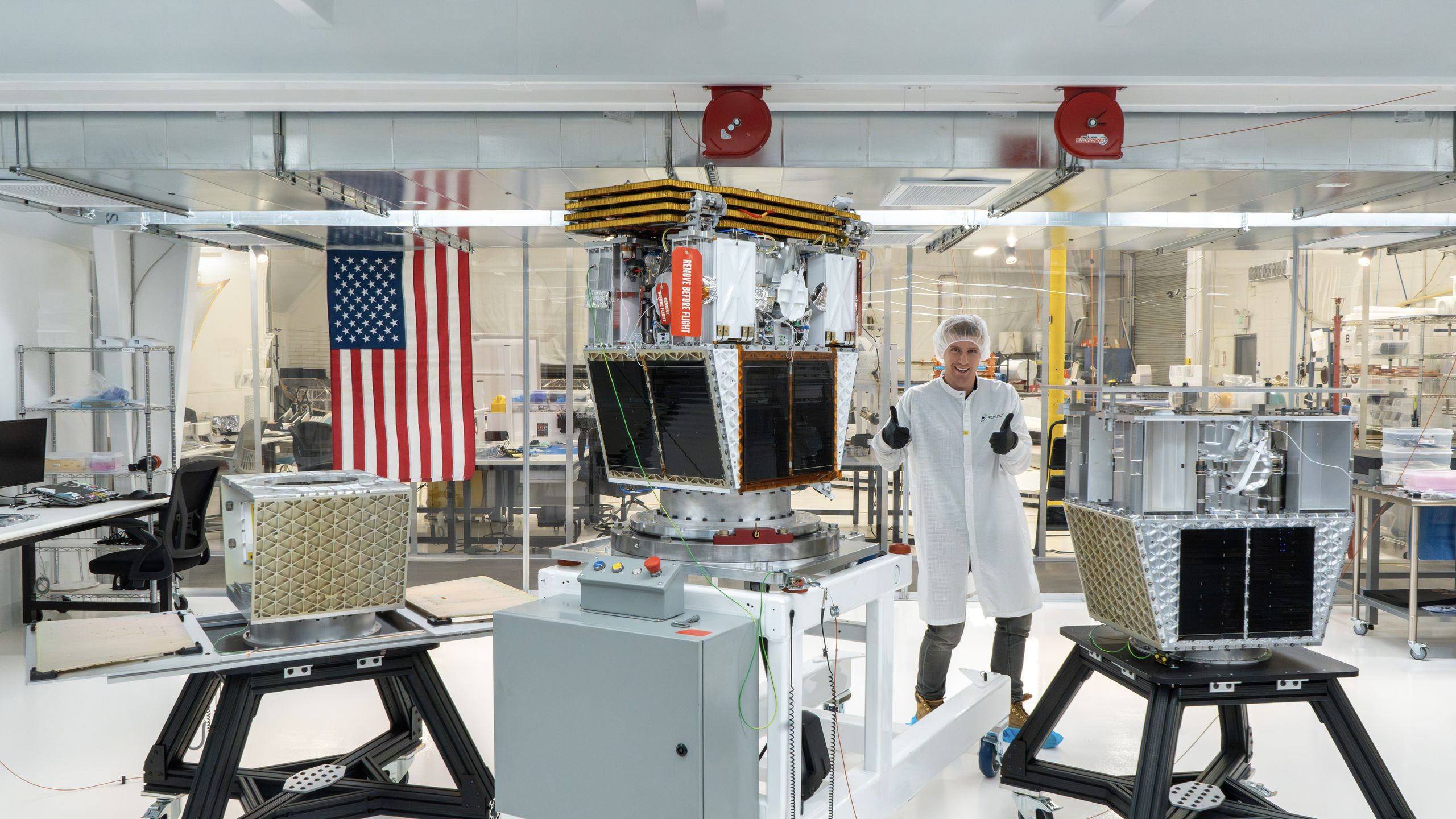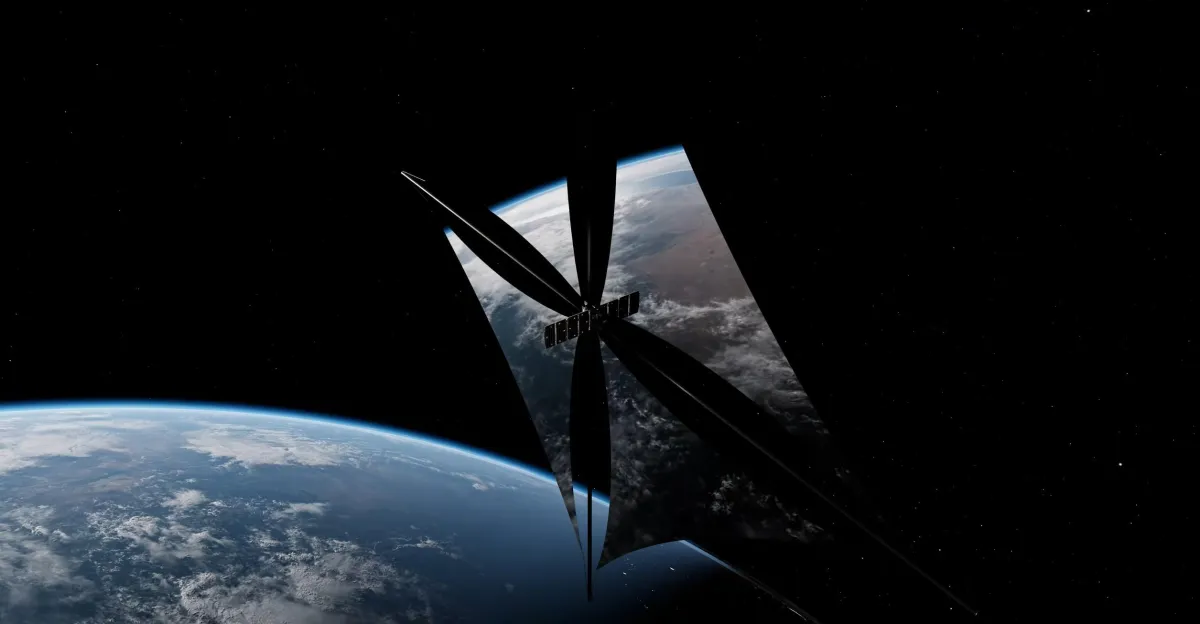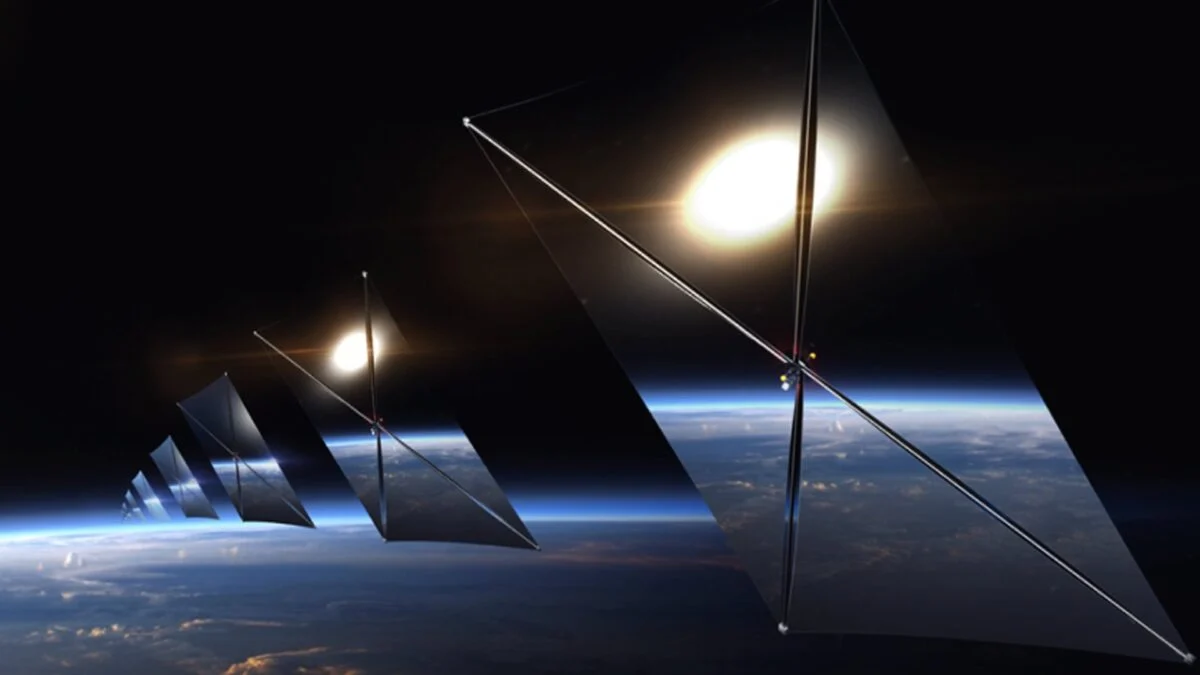
California startup Reflect Orbital received clearance to launch its first satellite, aiming to build a constellation to illuminate dark areas with in-space mirrors. The Federal Communications Commission (FCC) granted approval for the launch of Reflect Orbital’s prototype satellite, which will test the ability to reflect sunlight down to Earth after dark. The satellite is set to launch to low Earth orbit later this year, where it is designed to deploy a 59-foot (18-meter) film reflector. If proven successful, Reflect Orbital has plans to deploy up to 50,000 in-space mirrors mounted on satellites to create sunlight after dark. Its proposed constellation raises concerns over disrupting astronomers’ views of the cosmos. Sunlight after dark The California-based startup applied to launch a 59-foot-long (18-meter-long) prototype satellite named Earendil-1 to test its idea: bouncing sunlight off a mirror and reflecting it onto a designated area. Through its proposed constellation, Reflect Orbital envisions being able to illuminate areas up to 3 miles (5 kilometers) at a time with intensities ranging between 0.8 and 2.3 lux. By comparison, a full Moon provides an illumination of around 0.05 to 0.3 lux on a clear night.
This Startup Wants to Use Space Mirrors to Light Up Earth at Night. Feds Just Said Go Ahead
The startup will begin testing its idea of creating sunlight after dark.
514 words~2 min read