WARPTECHNEWS · LAB
HomeAIBusinessTechArchive
WARPTECH LAB NEWS

Warptech Lab News aggrega le notizie più rilevanti da oltre 700 fonti internazionali, con classificazione AI, TL;DR sintetici e timeline cluster su singole storie.

Navigazione

  • Home
  • Archivio
  • Editor's Brief
  • Cerca
  • Il tuo account
  • Newsletter tech/AI

Informazioni legali

  • Privacy Policy
  • Termini di servizio
  • Cookie Policy

© 2026 Sparktech S.R.L. — Tutti i diritti riservati. Sito gestito e manutenuto da Sparktech S.R.L.

Sede legale: Corso Libertà 55, 13100 Vercelli (VC), Italia · P.IVA / C.F. 02835910023 · Contatti: admin@warptechlab.com

Home
Storia in 7 fonti

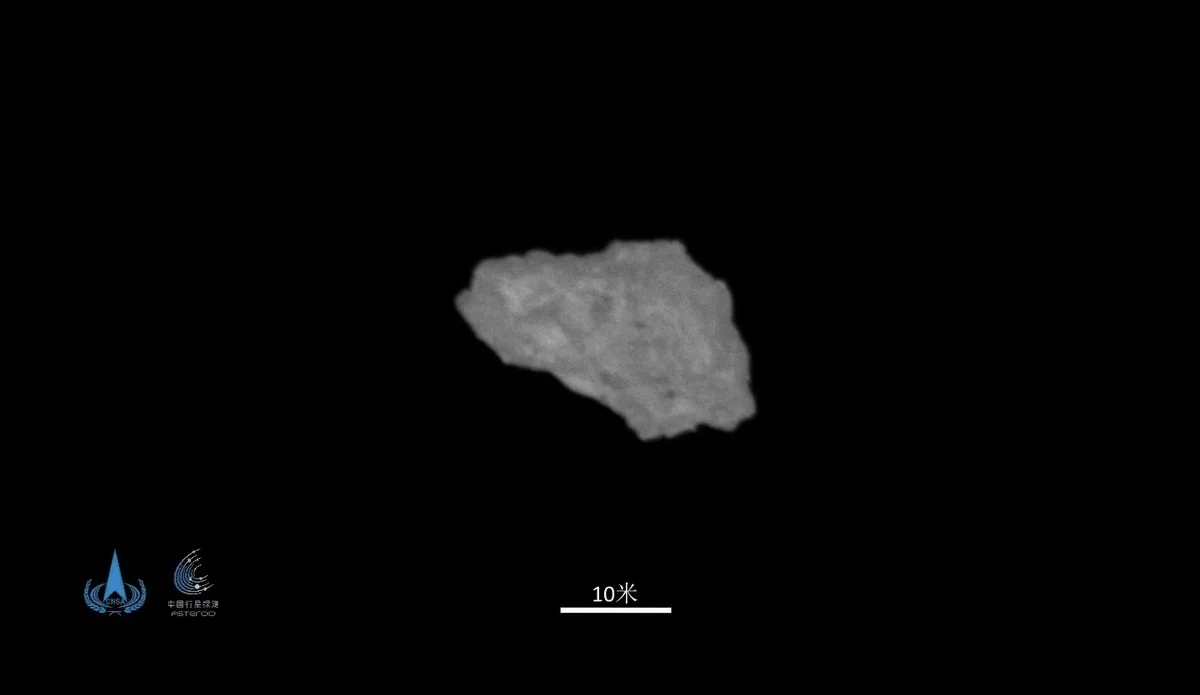
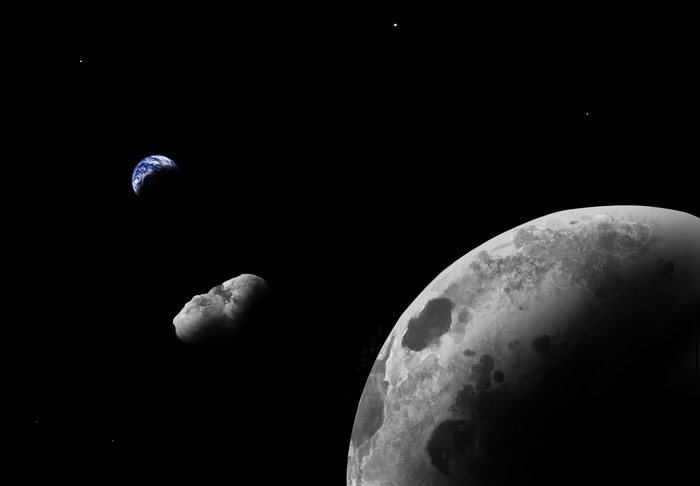
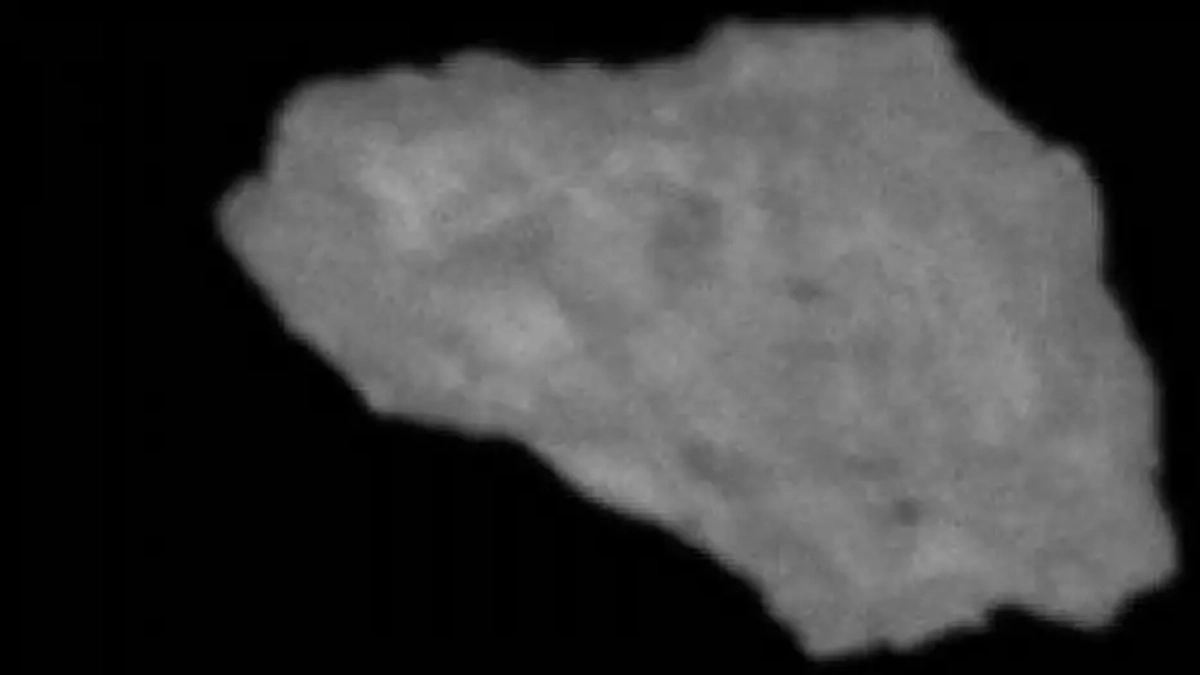
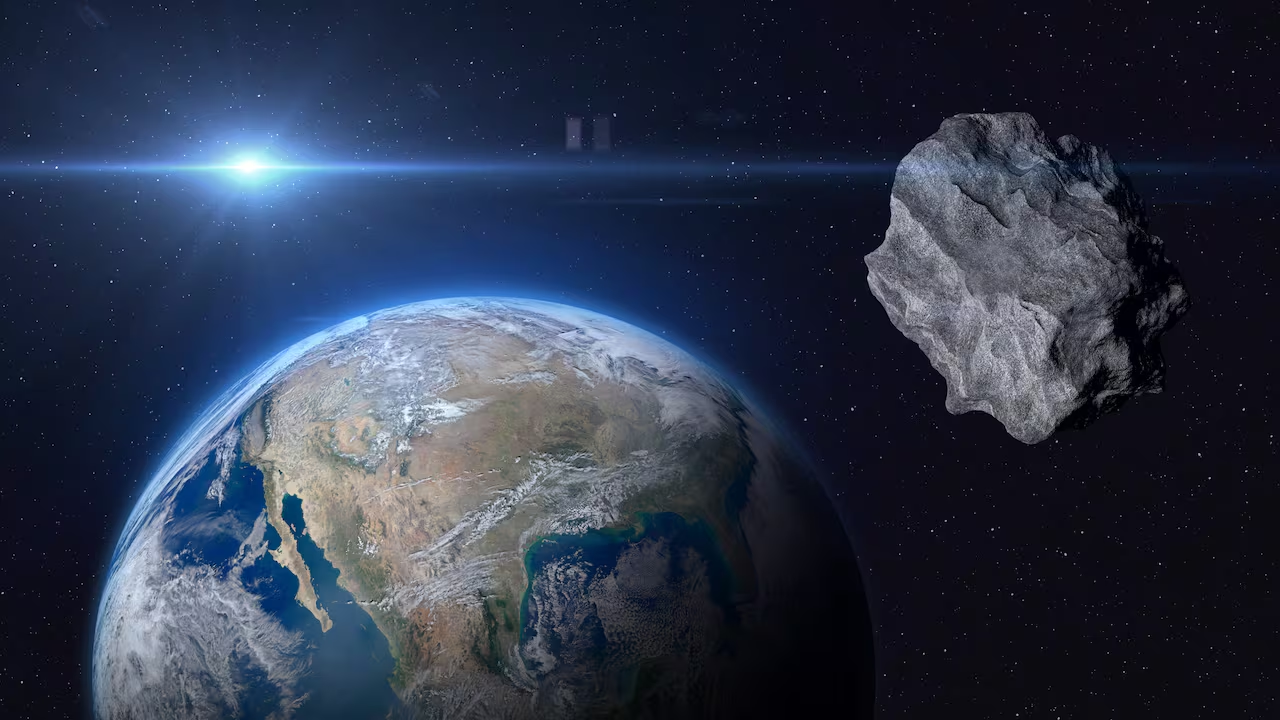
First-Ever Close-Up Revealed of Earth's Rare 'Minimoon'

Did you know Earth has a 'minimoon'? It's known as asteroid 2016HO3, or Kamoʻoalewa.

Raccontata dascientificamerican.comgizmodo.comnbcnews.comsciencealert.comdailymail.comclarin.comspace.com

Confronto fonti

6 prospettive sulla stessa storia
AI · summaries
sciencealert.comStai leggendo1 g fa

First-Ever Close-Up Revealed of Earth's Rare 'Minimoon'

Did you know Earth has a 'minimoon'? It's known as asteroid 2016HO3, or Kamoʻoalewa.

originale
dailymail.com1 g fa

Earth's second MOON is revealed for the first time

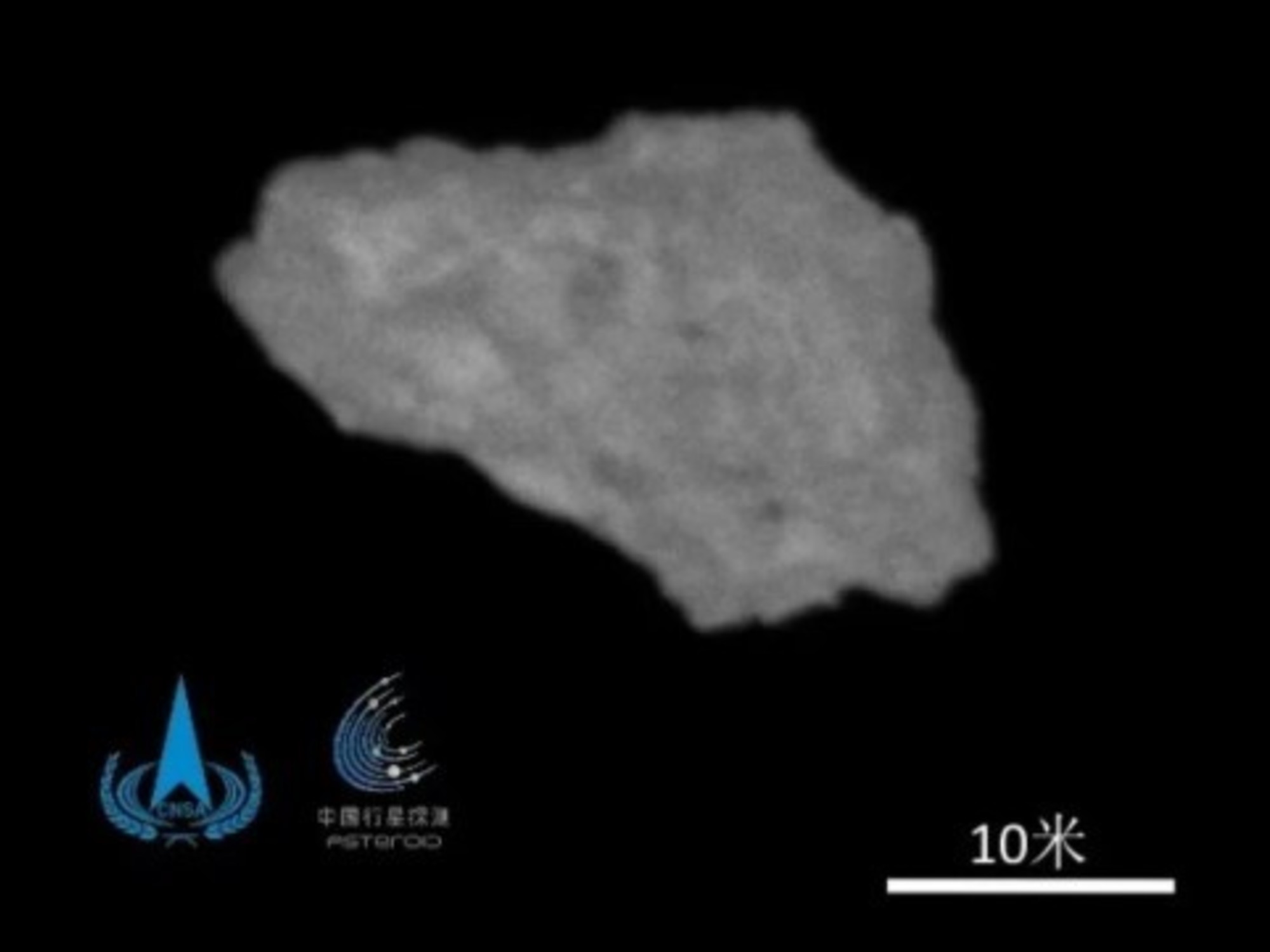
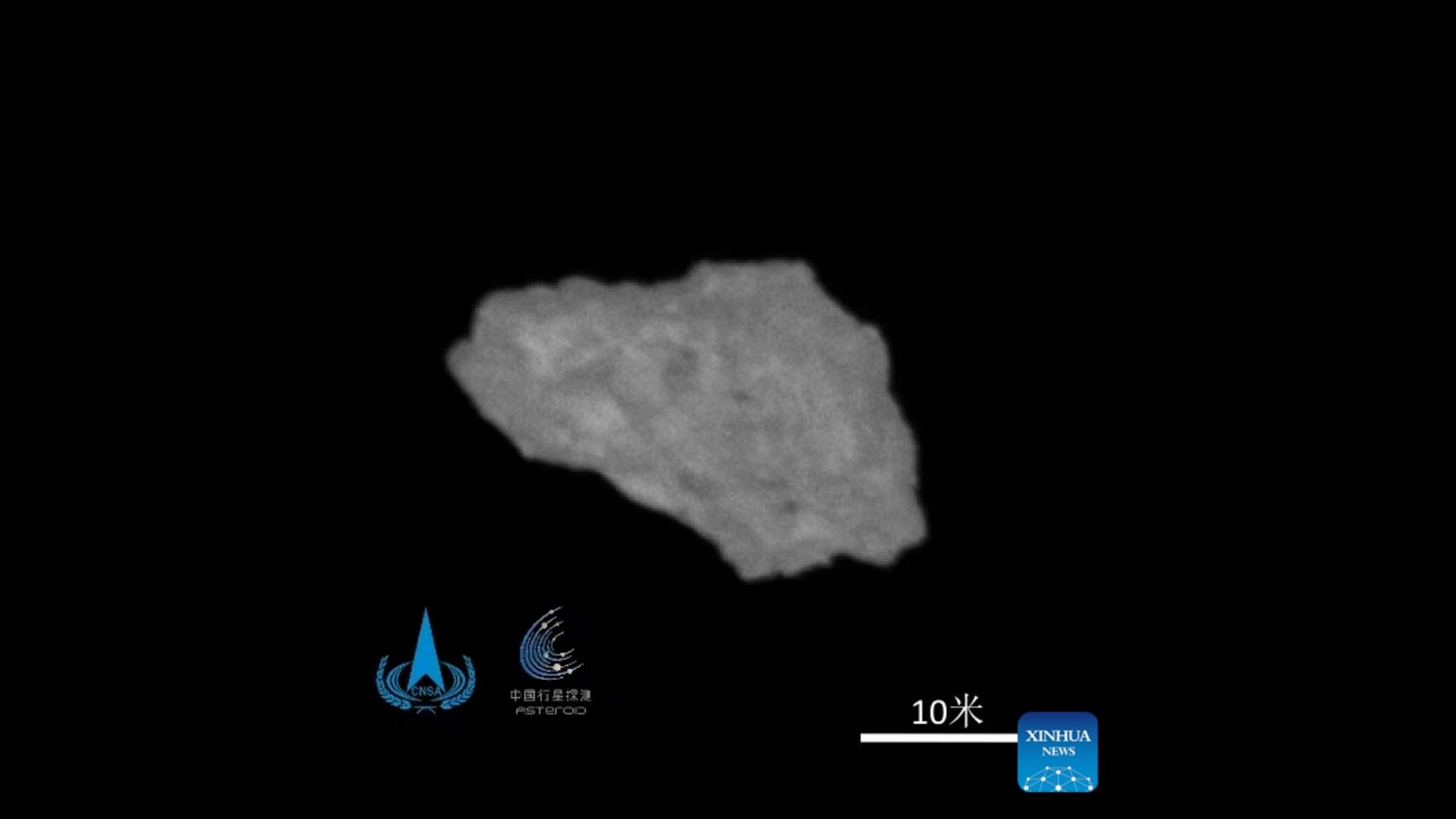
This is the first image of a rare 'minimoon' that loops around the Earth like a dance partner.

Leggi questa versione → originale
clarin.com23 h fa

Muestran la primera imagen de la rara "miniluna" que tiene la Tierra

Se la conoce como asteroide 2016HO3, o Kamoʻoalewa.Una sonda china acaba de enviar su primera imagen a 20 lm de distancia de ella.

Leggi questa versione → originale
scientificamerican.com1 g fa

Chinese spacecraft beams back first image of Earth’s “mini moon”

China’s Tianwen-2 aims to collect samples from asteroid Kamo’oalewa and return them to Earth

Leggi questa versione → originale
space.com18 h fa

China releases 1st photo of Earth's elusive 'quasi-moon' Kamo'oalewa

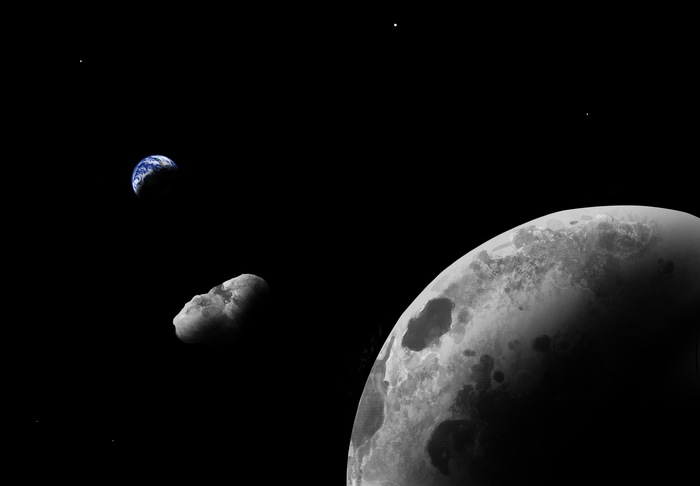
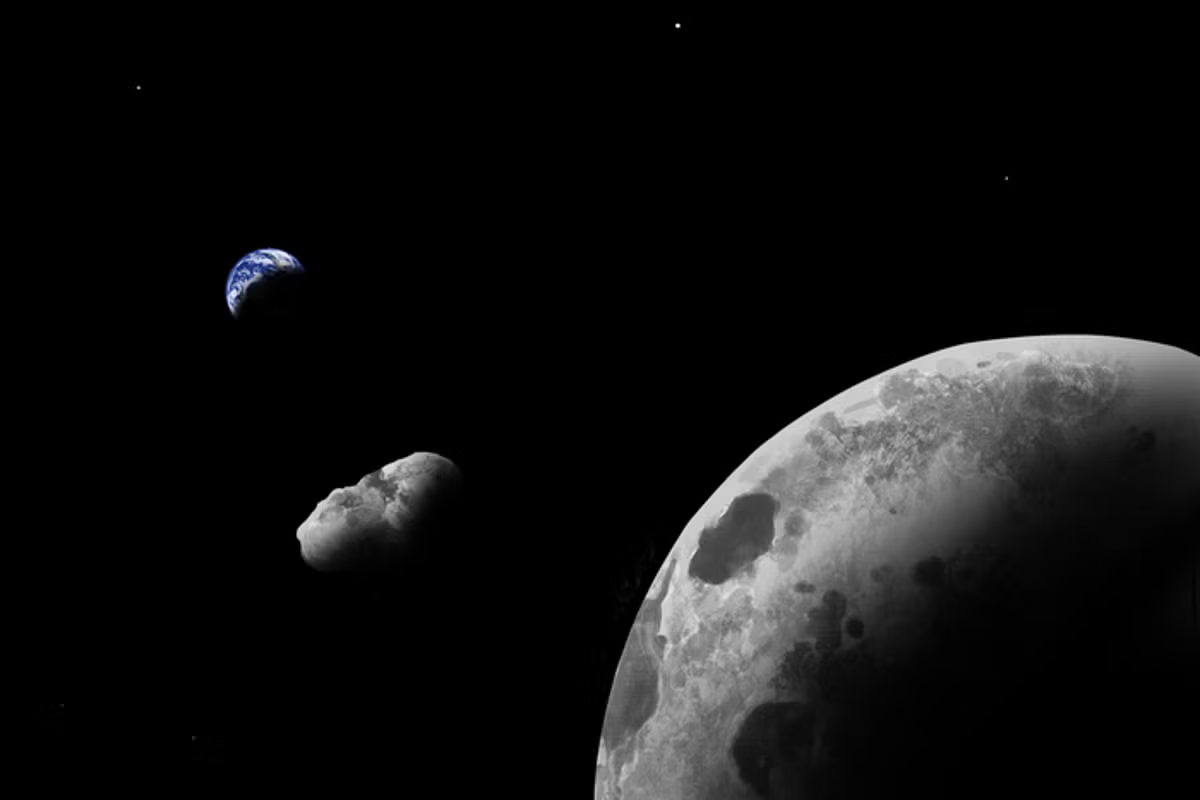
Some scientists believe the quasi-moon could have been created when a massive impact knocked a chunk of our own moon into space between 1 million and 10 million years ago.

Leggi questa versione → originale
nbcnews.com1 g fa

China releases first photo of an asteroid some consider Earth’s ‘quasi moon’

Some astronomers have theorized that the space rock may be a chunk of material that broke off the moon. China’s Tianwen-2 mission aims to bring a sample of it to Earth.

Leggi questa versione → originale

Timeline cronologica

  1. lunedì 6 luglio 2026·scientificamerican.com

    Chinese spacecraft beams back first image of Earth’s “mini moon”

    China’s Tianwen-2 aims to collect samples from asteroid Kamo’oalewa and return them to Earth

  2. lunedì 6 luglio 2026·gizmodo.com

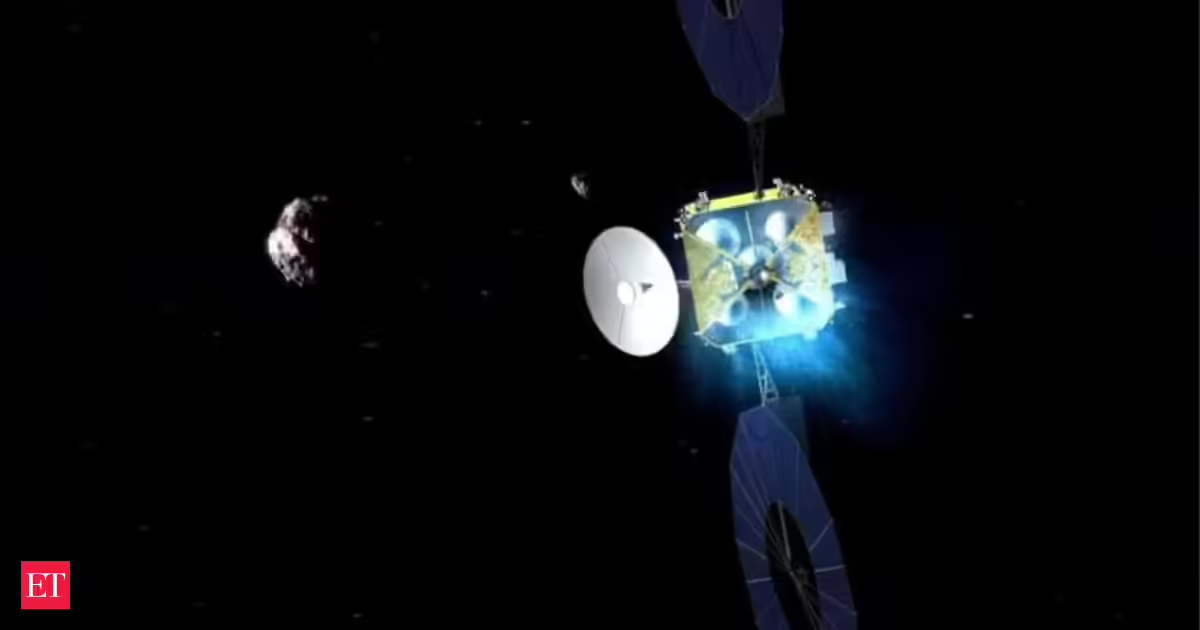
    China’s Tianwen-2 Reaches Earth’s Quasi-Moon and Prepares to Grab a Sample

    The probe will conduct a detailed scientific survey of the asteroid and send a sample back to Earth for further analysis.
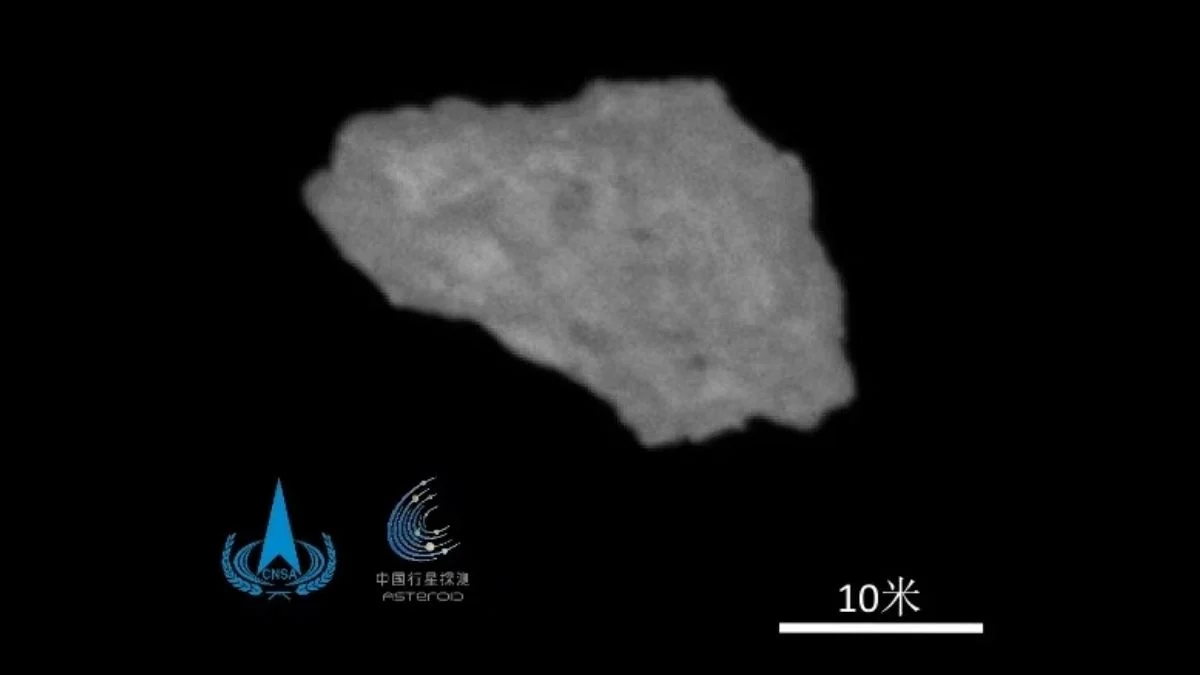
  3. martedì 7 luglio 2026·nbcnews.com

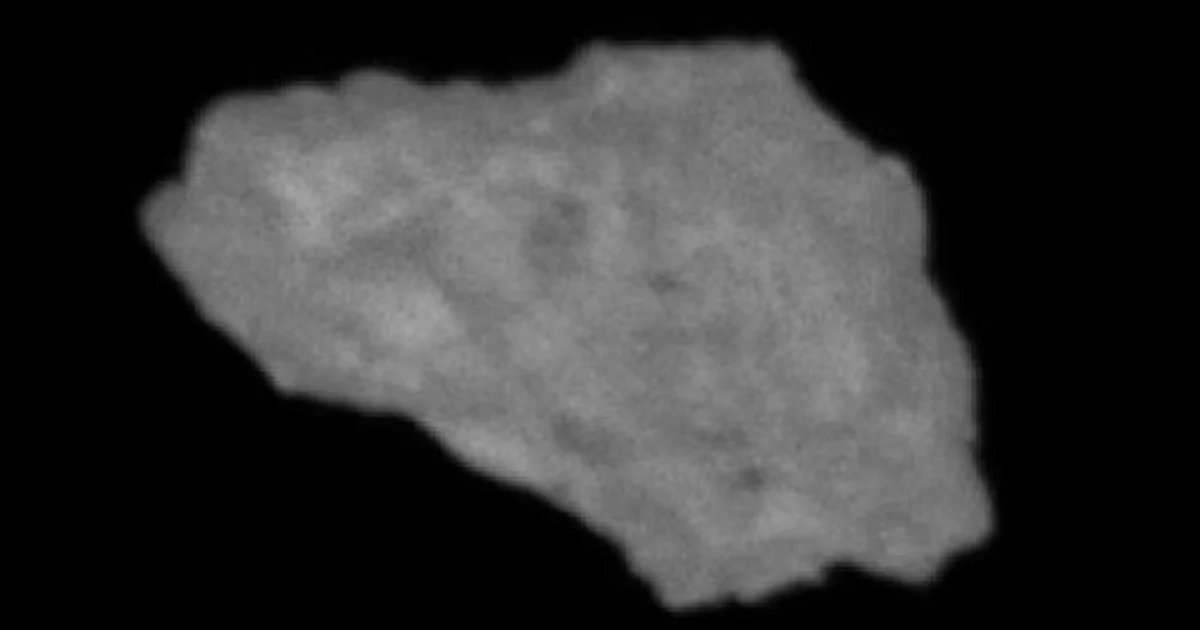
    China releases first photo of an asteroid some consider Earth’s ‘quasi moon’

    Some astronomers have theorized that the space rock may be a chunk of material that broke off the moon. China’s Tianwen-2 mission aims to bring a sample of it to Earth.

  4. martedì 7 luglio 2026·sciencealert.com

    First-Ever Close-Up Revealed of Earth's Rare 'Minimoon'

    Did you know Earth has a 'minimoon'? It's known as asteroid 2016HO3, or Kamoʻoalewa.

  5. martedì 7 luglio 2026·dailymail.com

    Earth's second MOON is revealed for the first time

    This is the first image of a rare 'minimoon' that loops around the Earth like a dance partner.

  6. martedì 7 luglio 2026·clarin.com

    Muestran la primera imagen de la rara "miniluna" que tiene la Tierra

    Se la conoce como asteroide 2016HO3, o Kamoʻoalewa.Una sonda china acaba de enviar su primera imagen a 20 lm de distancia de ella.

  7. martedì 7 luglio 2026·space.com

    China releases 1st photo of Earth's elusive 'quasi-moon' Kamo'oalewa

    Some scientists believe the quasi-moon could have been created when a massive impact knocked a chunk of our own moon into space between 1 million and 10 million years ago.