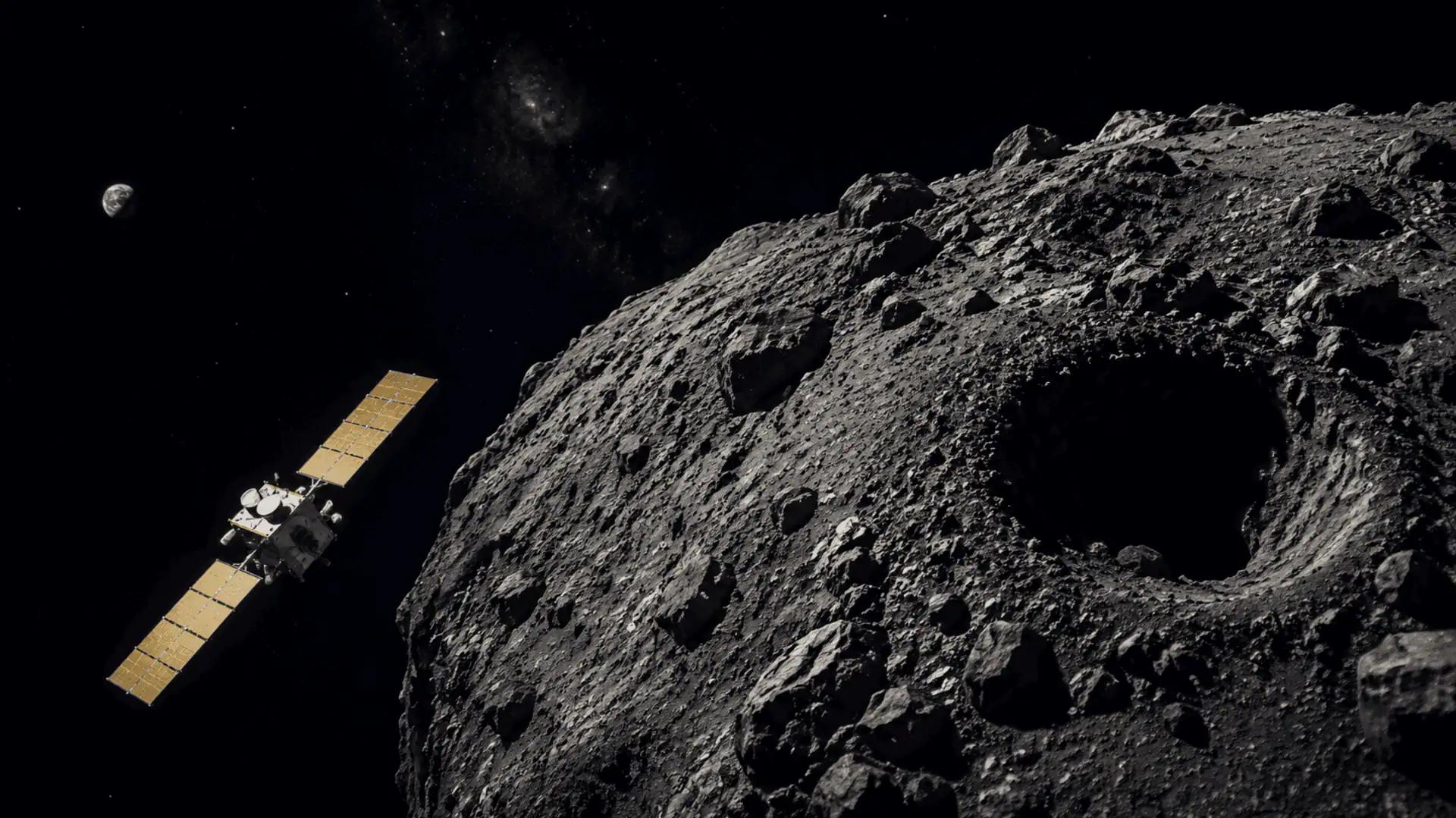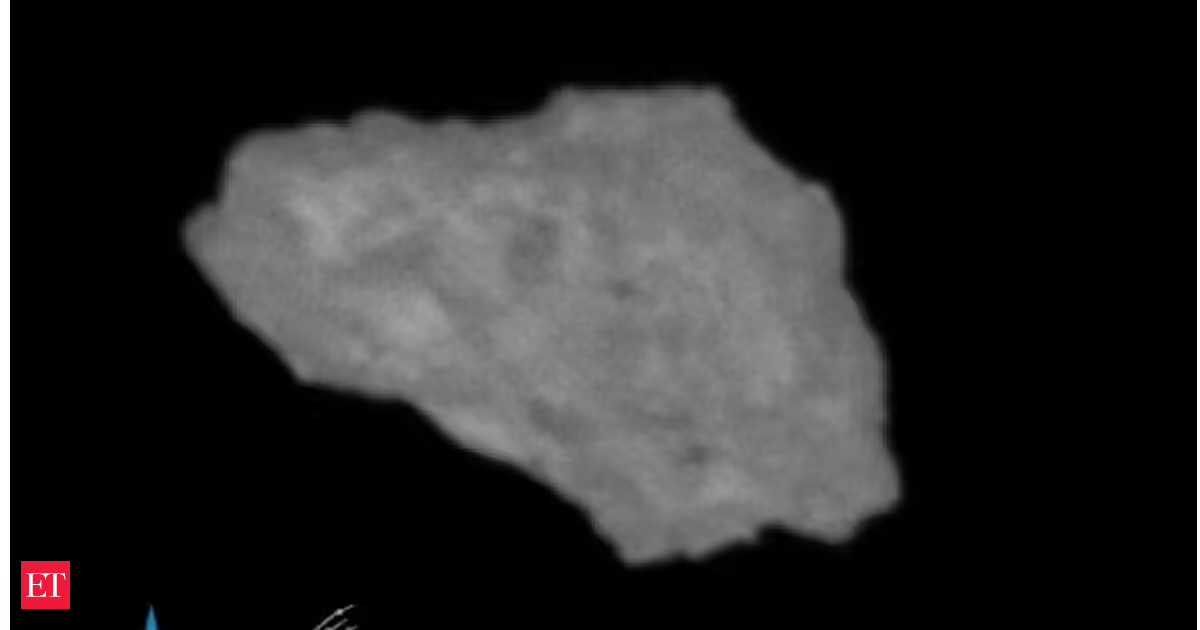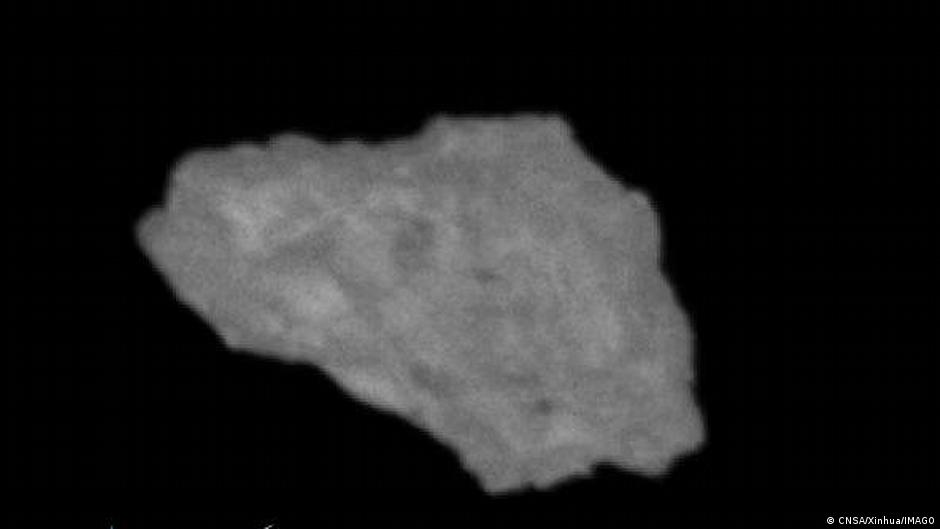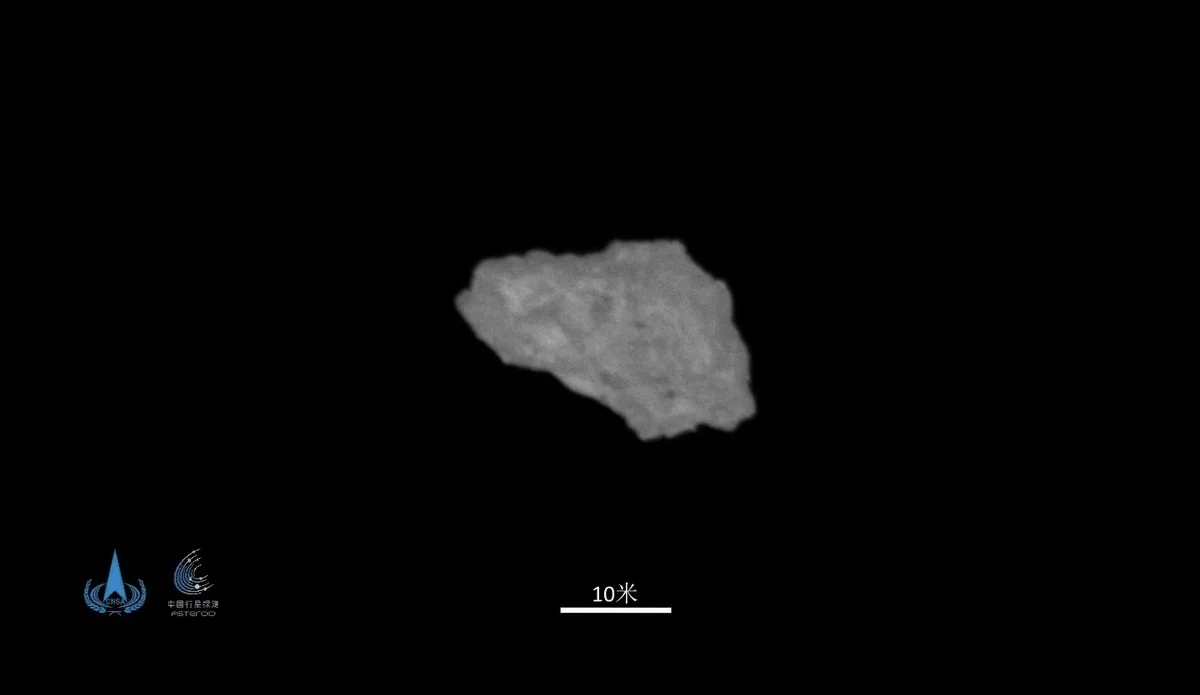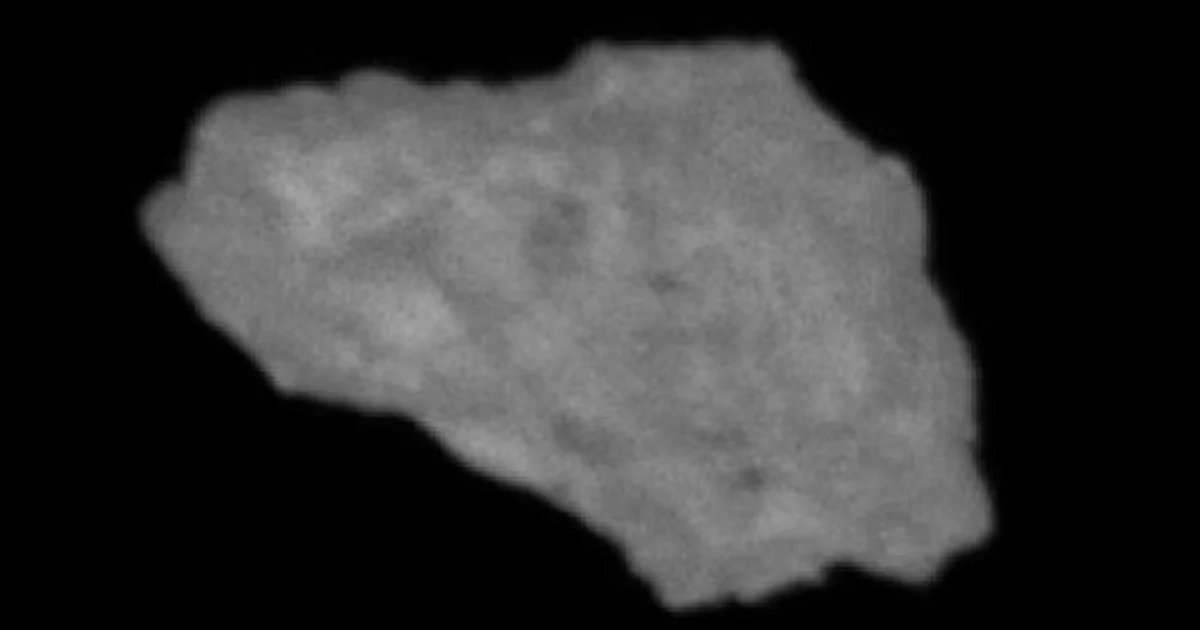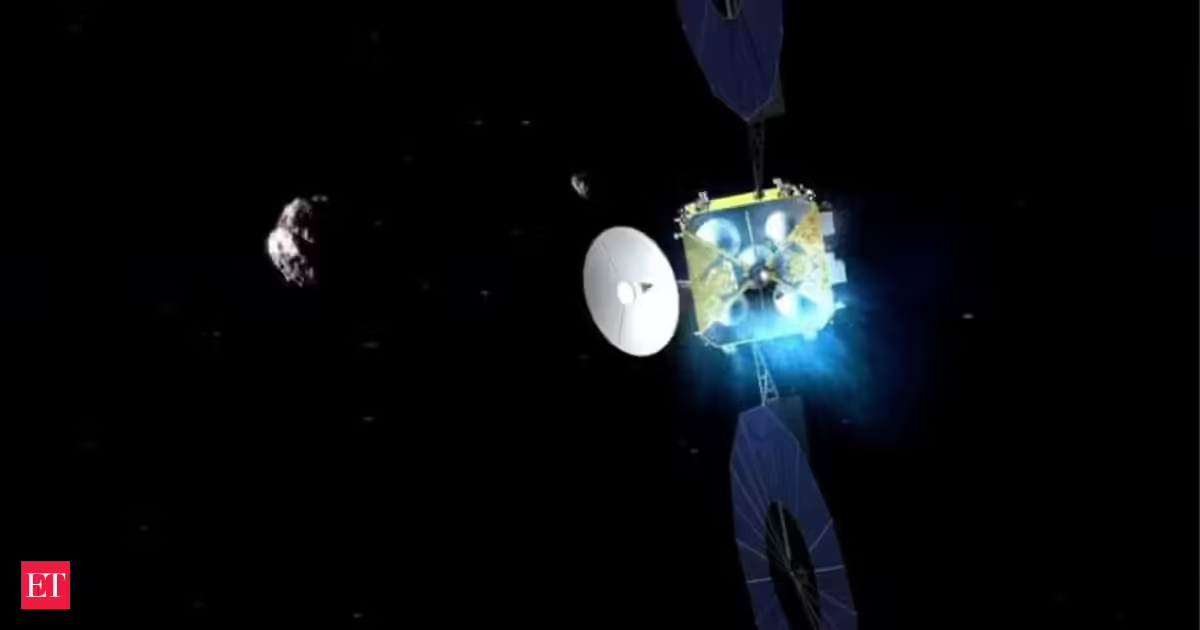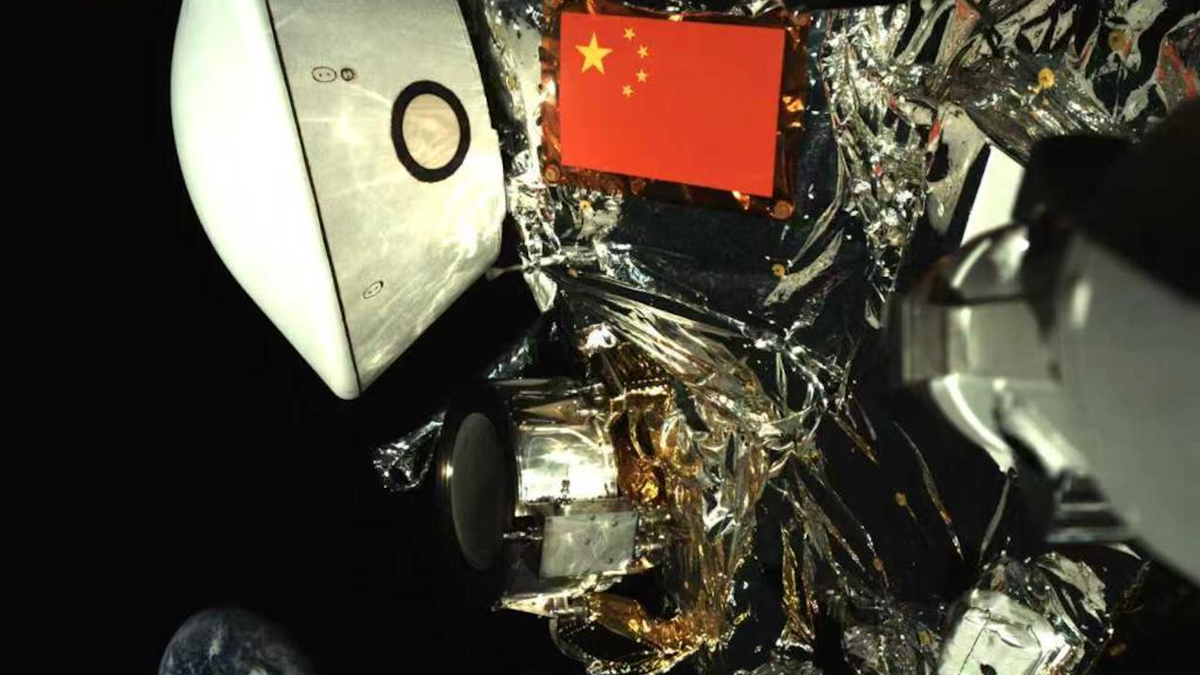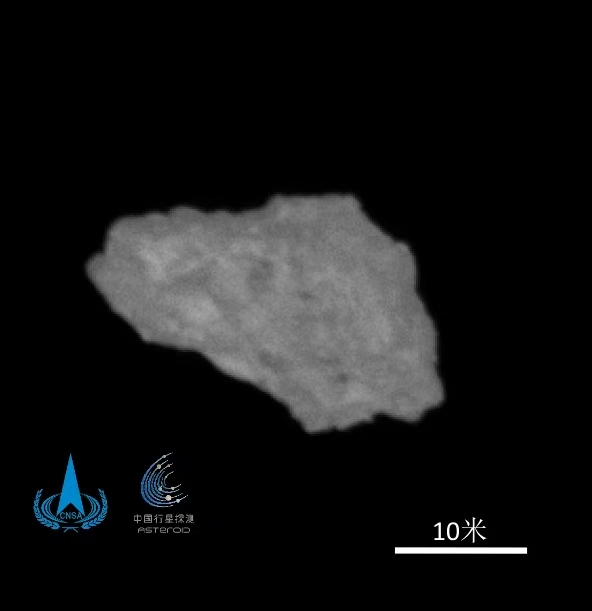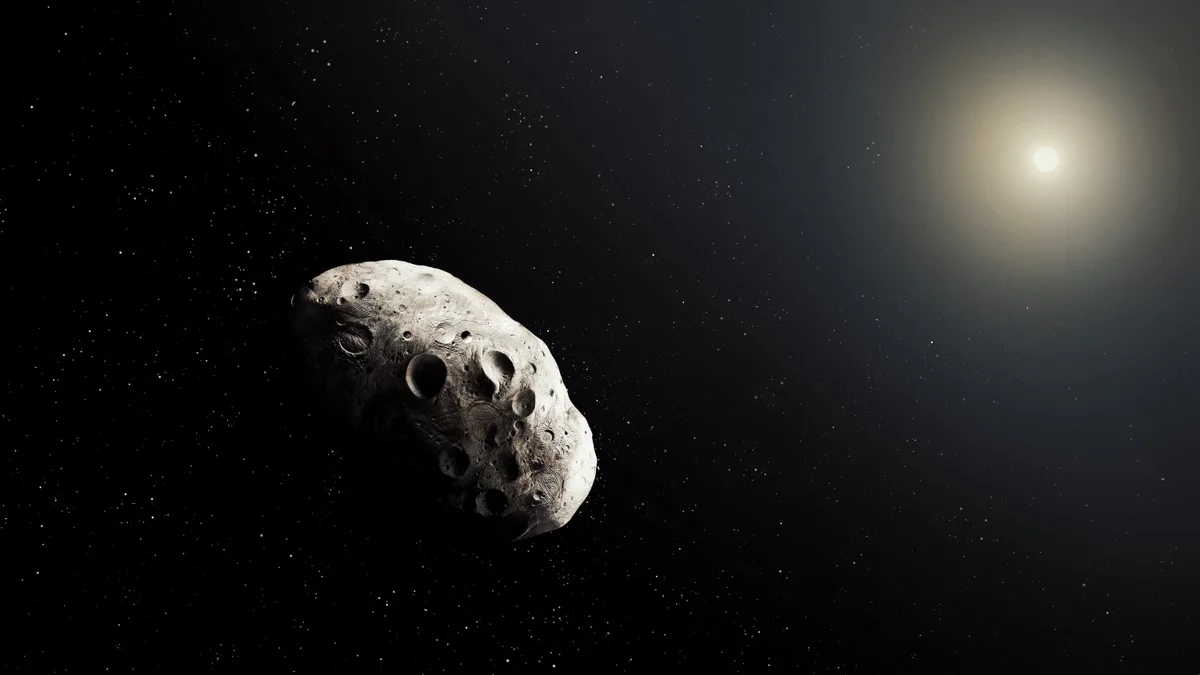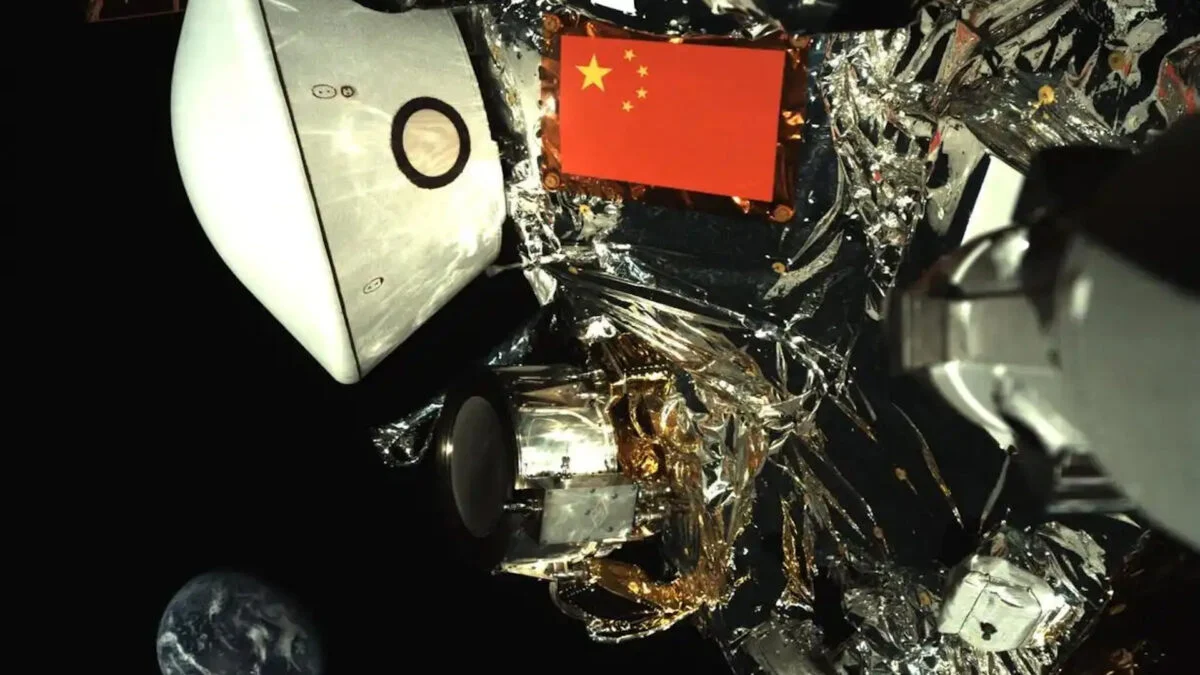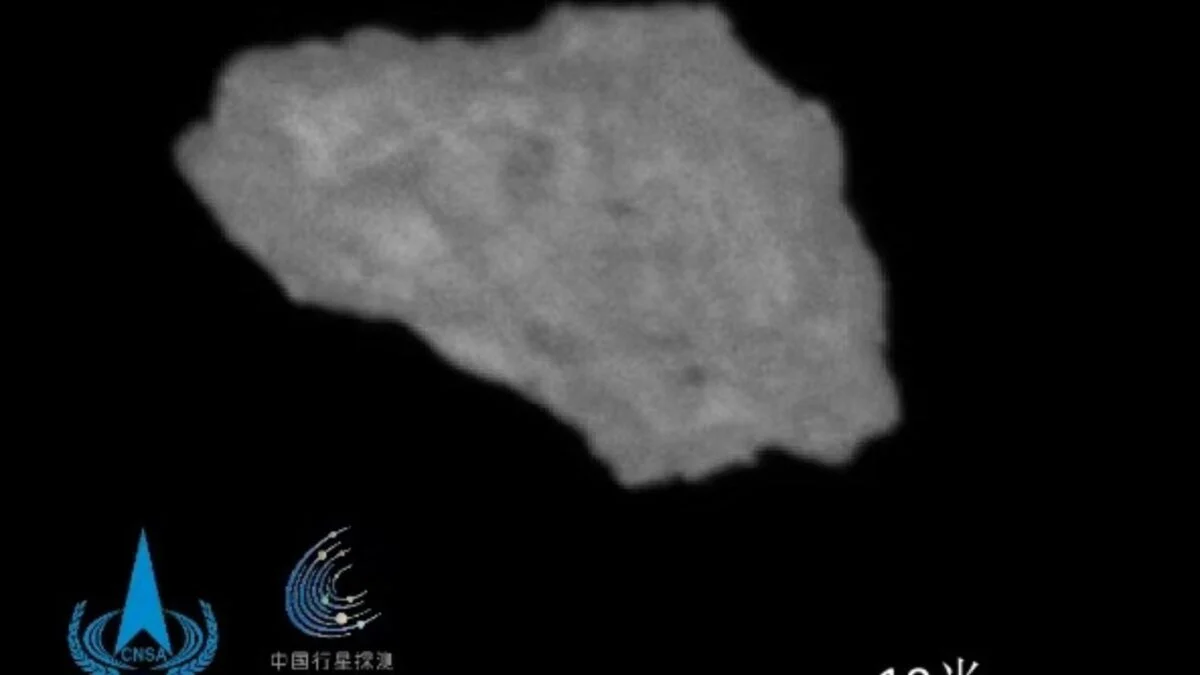
China’s Tianwen-2 probe has reached Kamoʻoalewa, one of seven known quasi-satellites that orbit near Earth. Scientists suspect the asteroid may actually be a fragment of the Moon—and Tianwen-2 will soon take a bite out of it to find out. The China National Space Administration (CNSA) announced the spacecraft’s arrival at Kamoʻoalewa today, bringing an end to its 600-million-mile (1-billion-kilometer) journey. Tianwen-2 launched on May 29, 2025, and flew for 400 days to approach the asteroid at a distance of 12 miles (20 km) on Thursday, snapping the first close-up image of this small, oblong rocky body. This marks the beginning of the probe’s scientific exploration of Kamoʻoalewa. Tianwen-2 will land on the asteroid, collect a sample of material from its surface, and spend several months conducting remote sensing observations to help scientists back on Earth piece together its composition and origin.
A missing piece of the Moon? Astronomers using the Pan-STARRS 1 asteroid survey telescope on Haleakalā, Hawaii, discovered Kamoʻoalewa in 2016. Based on Tianwen-2’s close-up image, the space rock is just over 66 feet (20 meters) wide, which fits previous estimates based on observations from ground-based telescopes and the James Webb Space Telescope.