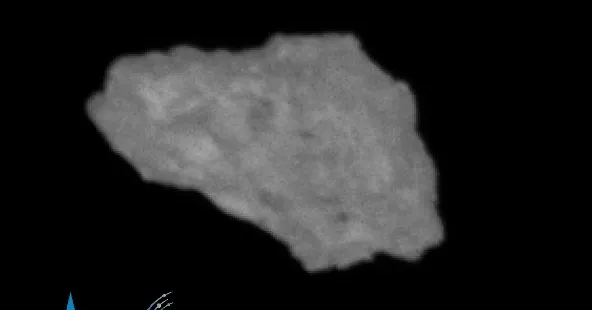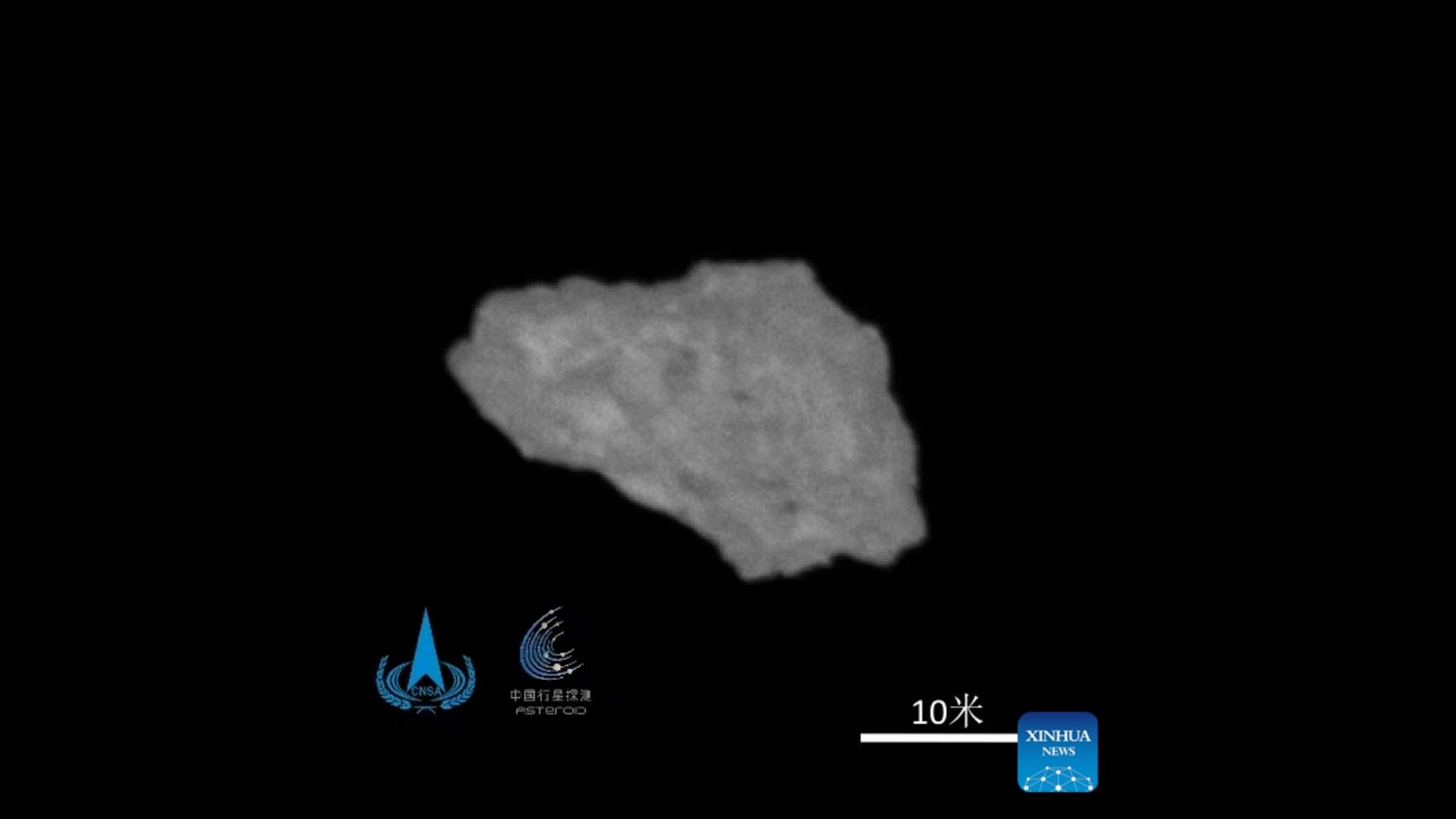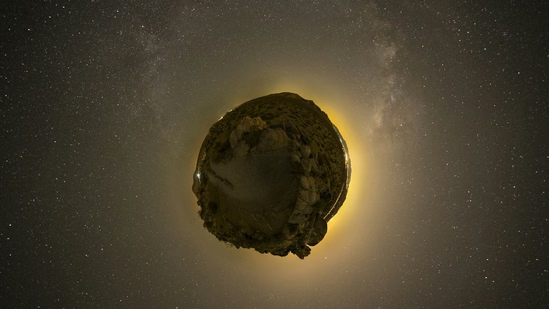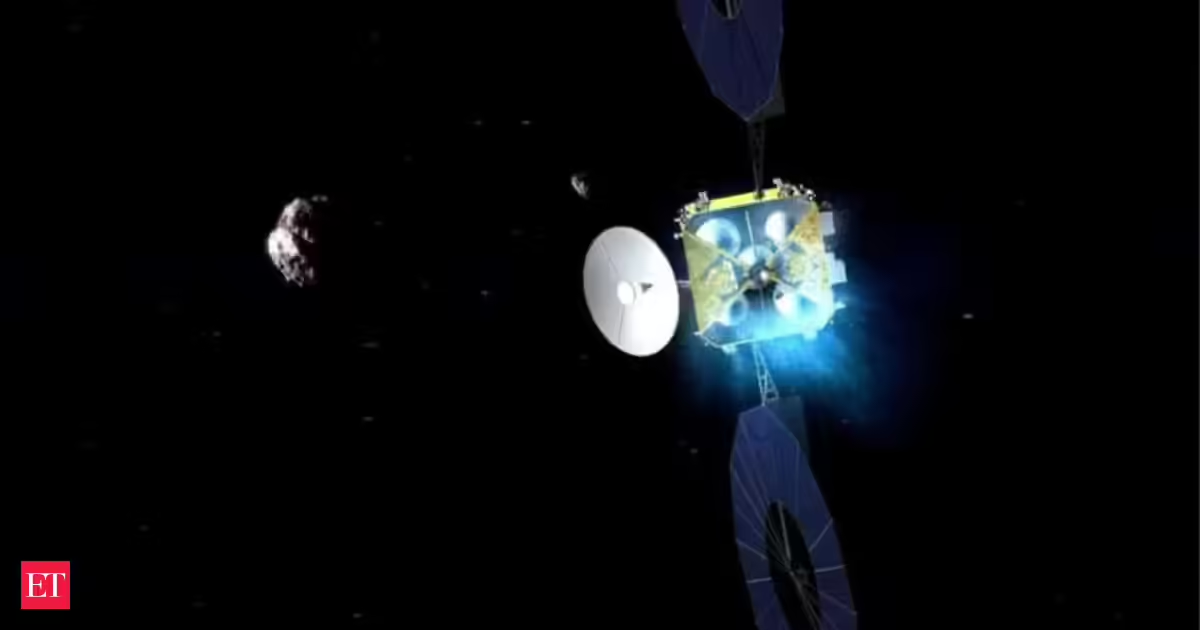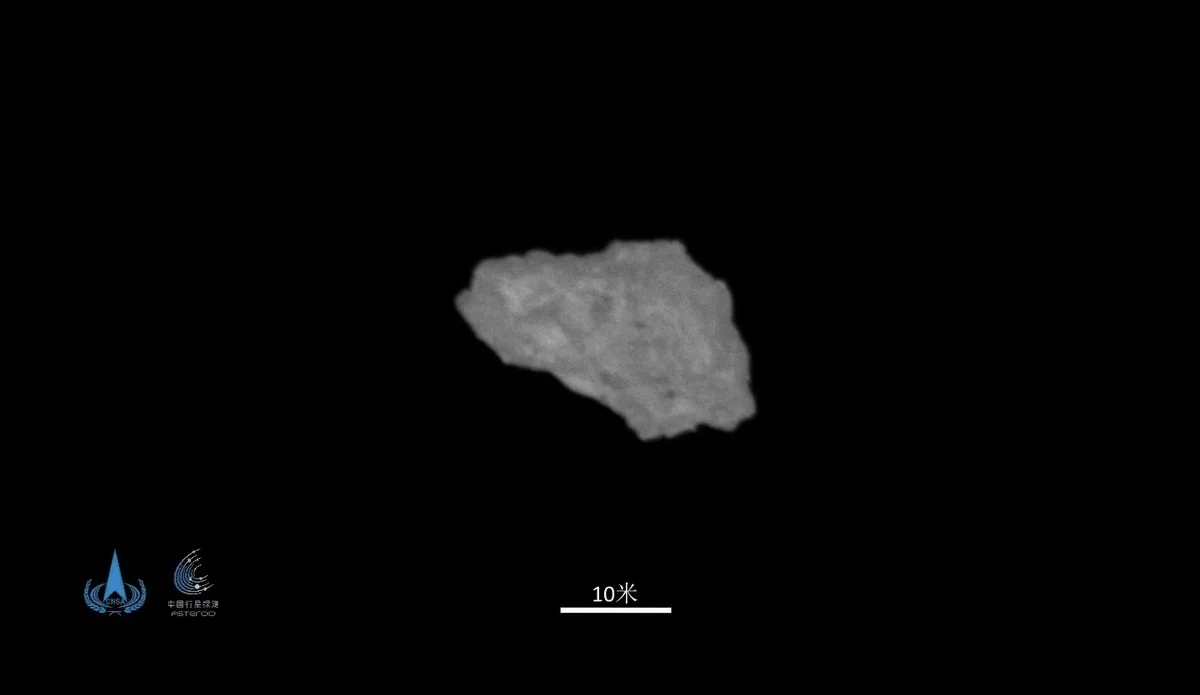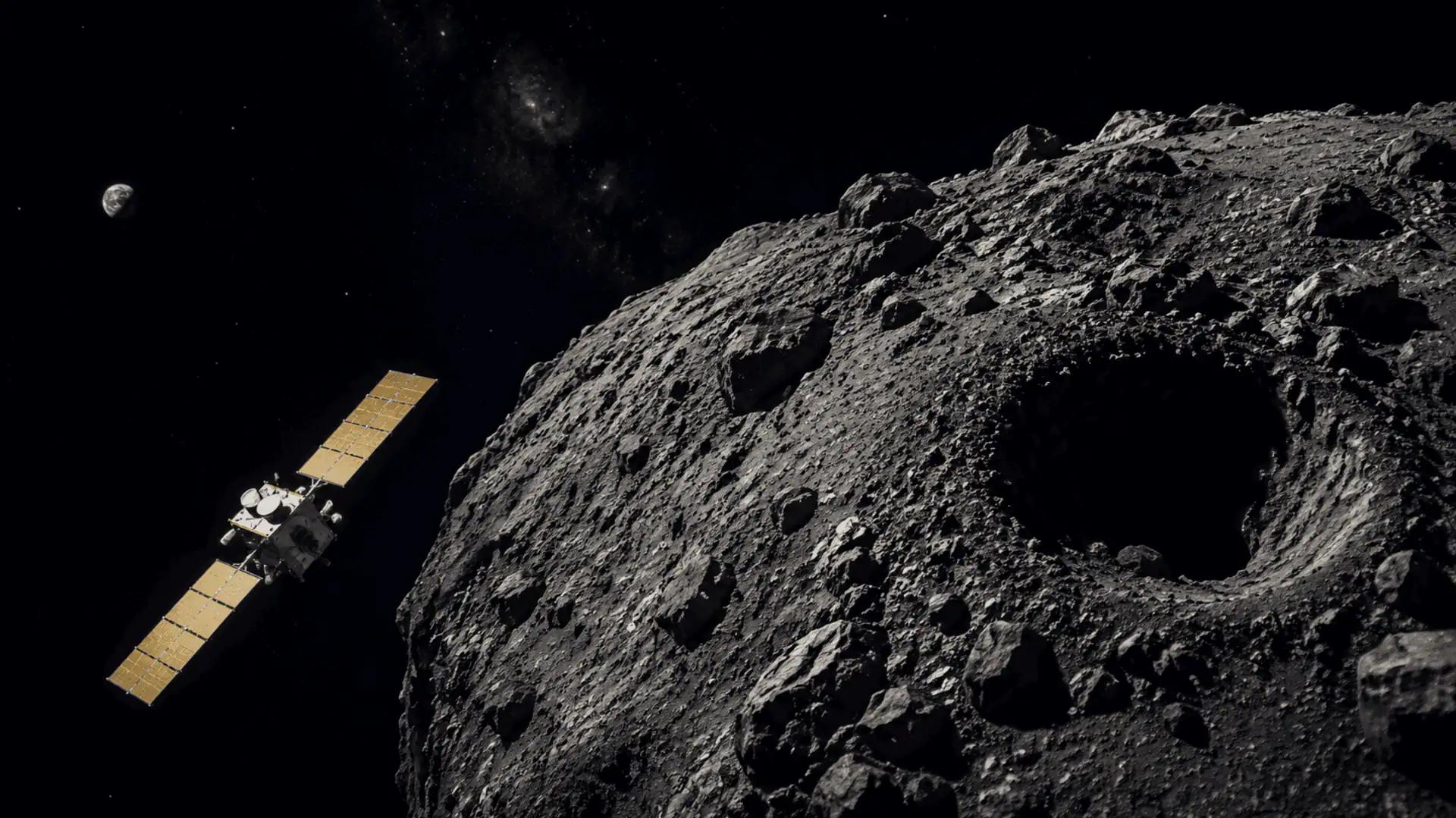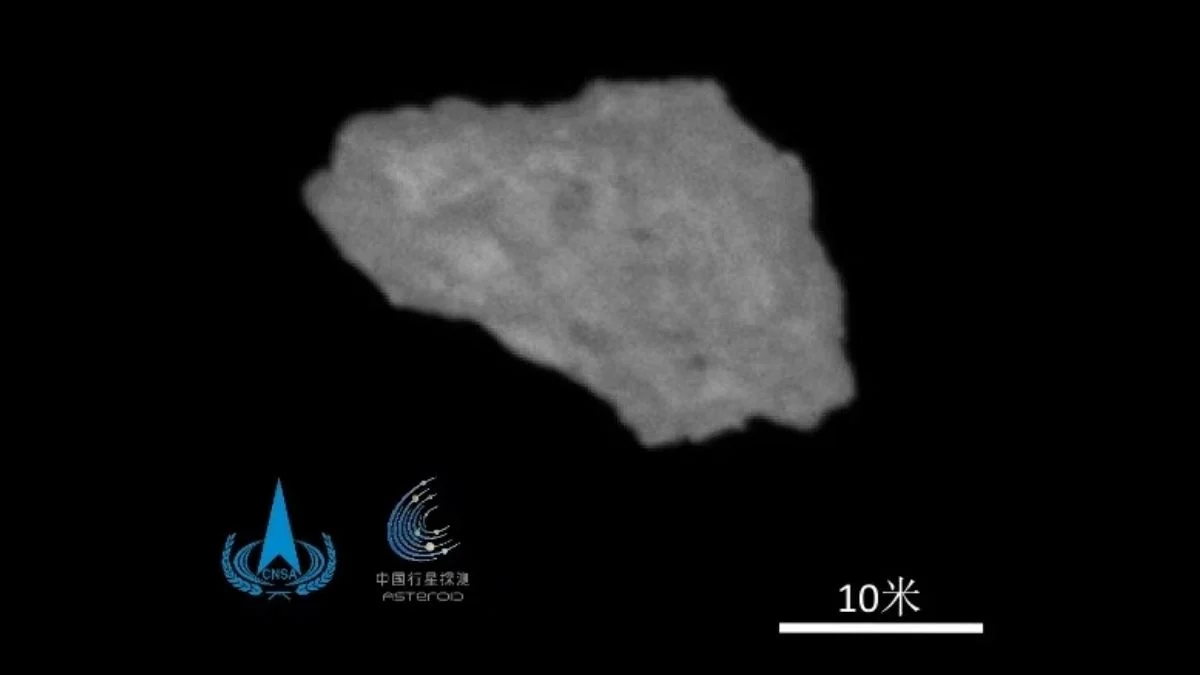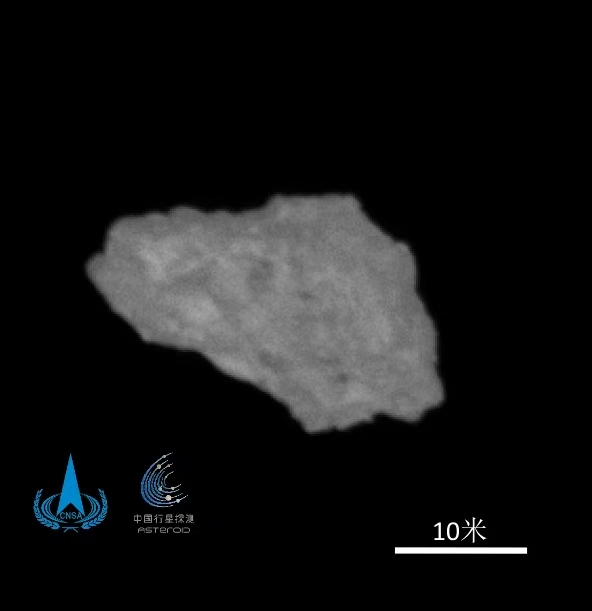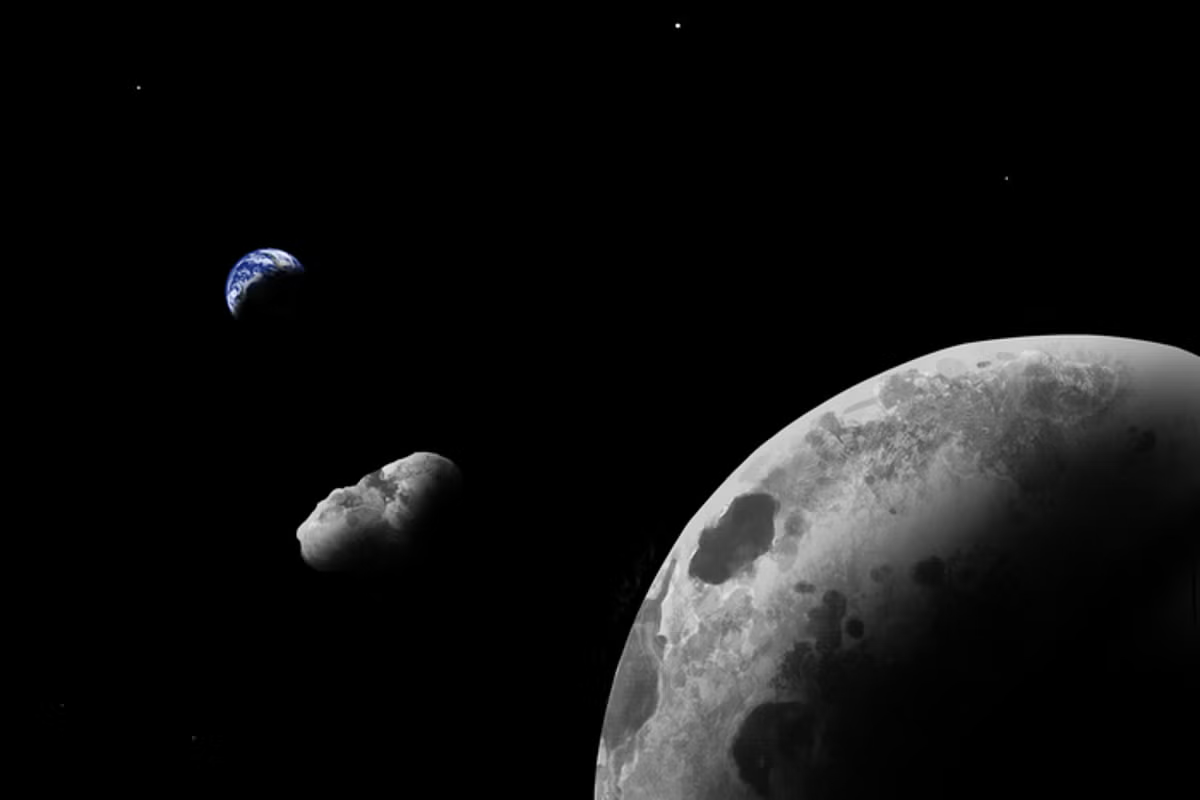
Stay up to date with notifications from The IndependentNotifications can be managed in browser preferences.Jump to contentThank you for registeringPlease refresh the page or navigate to another page on the site to be automatically logged inPlease refresh your browser to be logged inAllNewsSportCultureLifestyleAn artist impression of Earth quasi-satellite Kamo`oalewa near the Earth-Moon system (Addy Graham/University of Arizona)China's Tianwen-2 probe has successfully captured and sent back an image of its target, the “quasi-moon” Kamo'oalewa. Launched in 2025, the spacecraft - the nation's first asteroid sampling mission - travelled a billion kilometres to reach within 20 km of the quasi moon. It will now spend nearly a year studying the asteroid before collecting a sample to return to Earth. Taken on July 2, the new photograph reveals Kamo'oalewa to be a small, asymmetrical rock, approximately 16-20 metres in diameter. Kamo'oalewa is classified as a “quasi-moon” or quasi-satellite, meaning it orbits the Sun but maintains a close proximity to Earth.More bulletinsThank you for registeringPlease refresh the page or navigate to another page on the site to be automatically logged inPlease refresh your browser to be logged in
China space probe successfully captures image of ‘quasi-moon’ Kamo’oalewa
Stay up to date with notifications from The IndependentNotifications can be managed in browser preferences.Jump to contentThank you for registeringPlease refresh the page or navigate to another page on the site to be automatically logged inPlease refresh your browser to be logged inAllNewsSportCultureLifestyleAn artist impression of Earth quasi-satellite Kamo`oalewa near the Earth-Moon system (Addy Graham/University of Arizona)China's Tianwen-2 probe has successfully captured and sent back an image of its target, the “quasi-moon” Kamo'oalewa. Launched in 2025, the spacecraft - the nation's first asteroid sampling mission - travelled a billion kilometres to reach within 20 km of the quasi moon. It will now spend nearly a year studying the asteroid before collecting a sample to return to Earth. Taken on July 2, the new photograph reveals Kamo'oalewa to be a small, asymmetrical rock, approximately 16-20 metres in diameter. Kamo'oalewa is classified as a “quasi-moon” or quasi-satellite, meaning it orbits the Sun but maintains a close proximity to Earth.More bulletinsThank you for registeringPlease refresh the page or navigate to another page on the site to be automatically logged inPlease refresh your browser to be logged in