HomeAI · summaries
Storia in 13 fonti
15 millones de años de risas compartidas: humanos y grandes simios ríen de forma similar: estudio
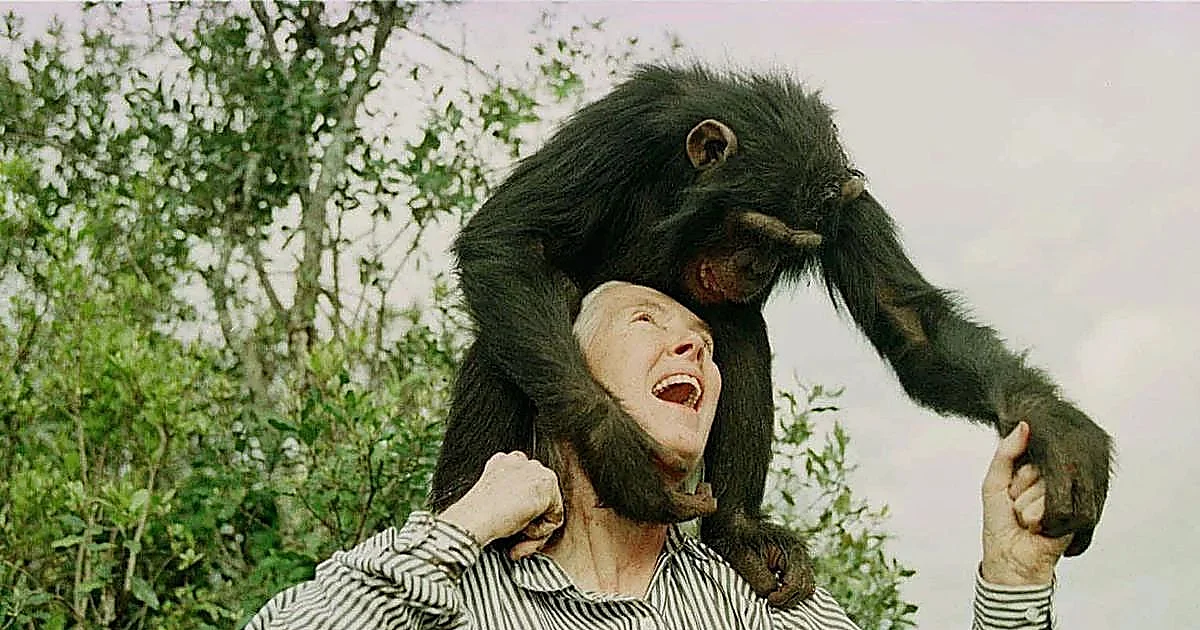
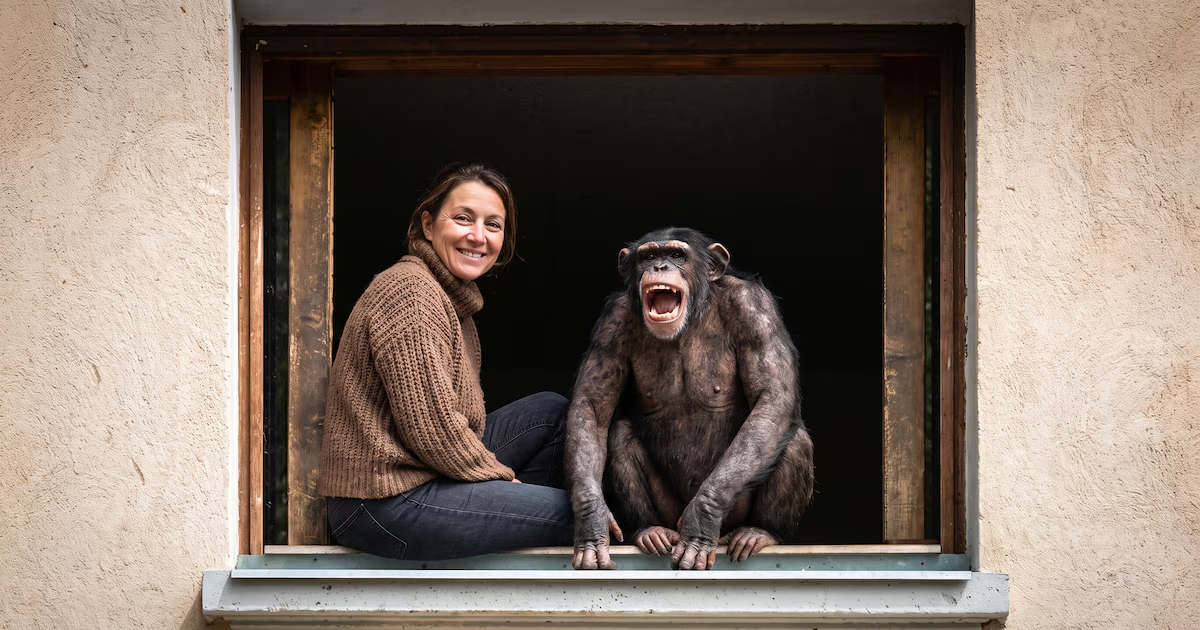
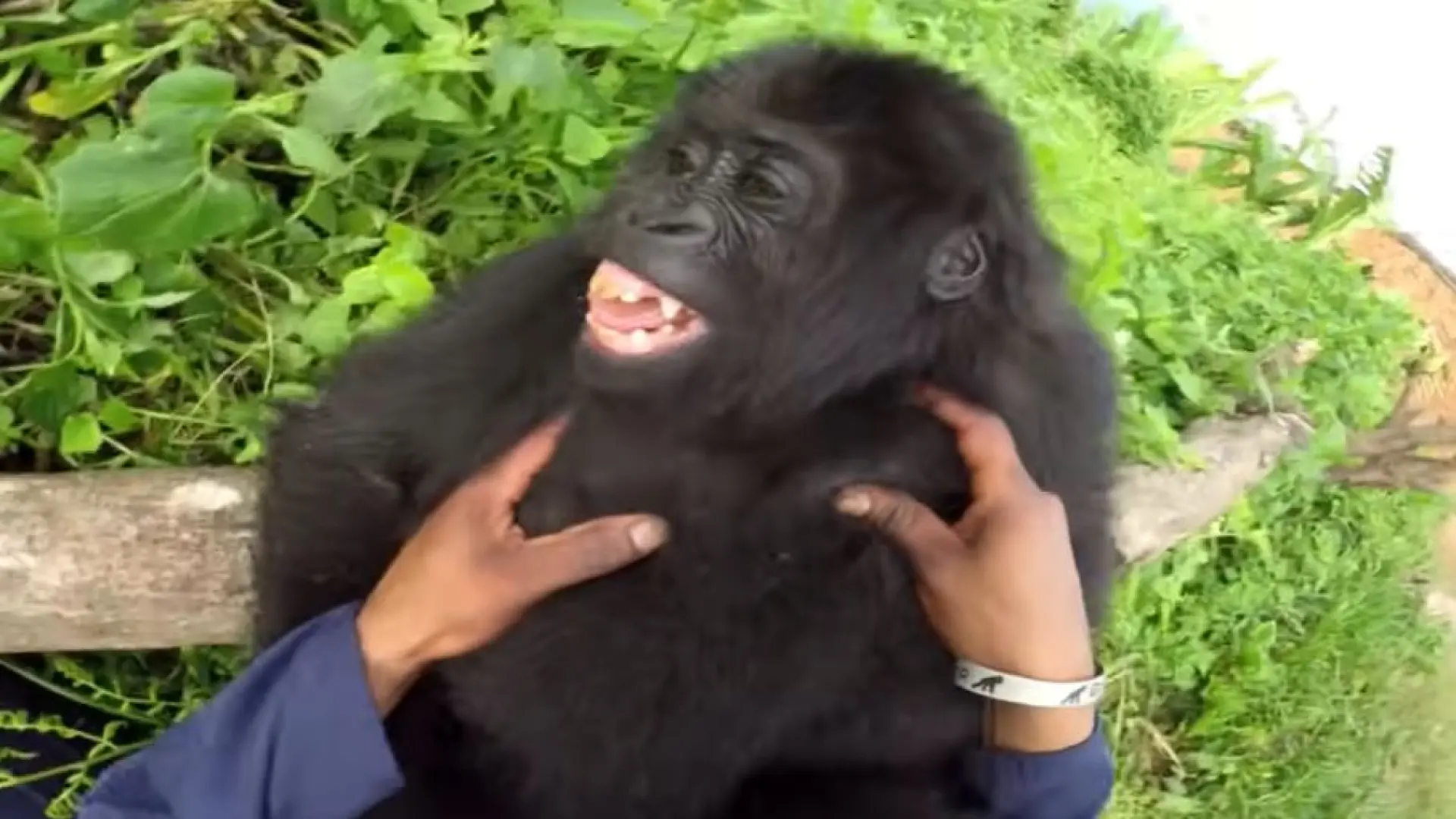
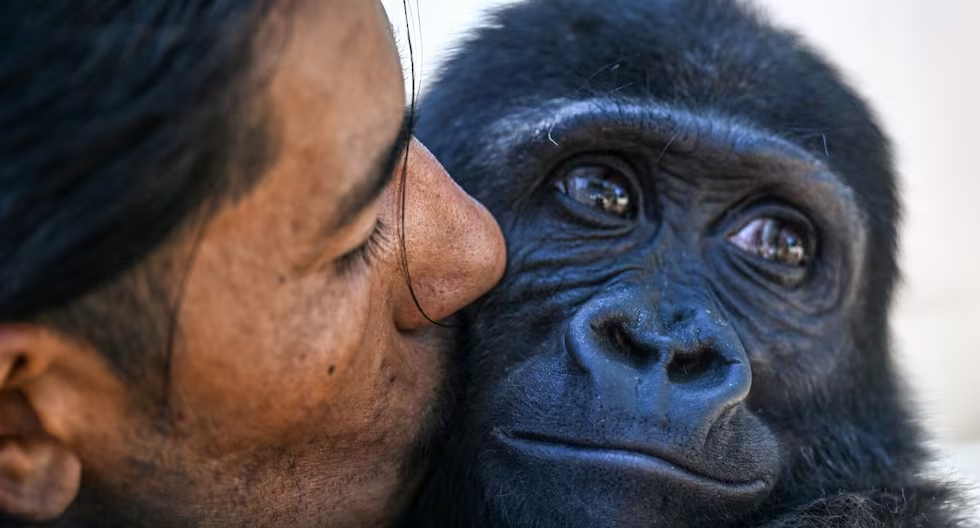
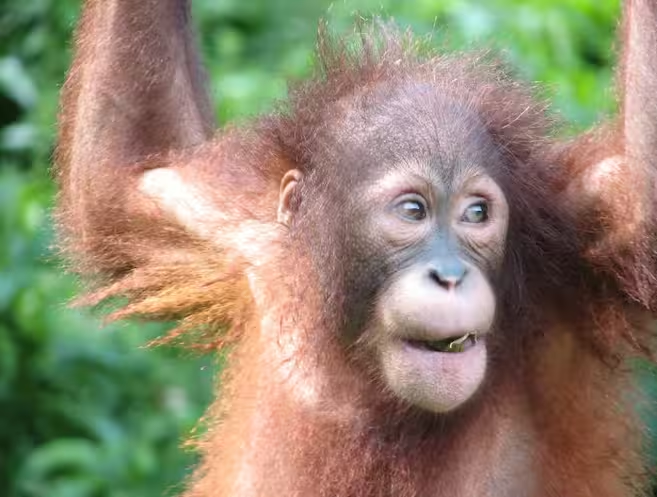
NUEVA YORK (AP) — Los humanos y los grandes simios han estado riéndose de maneras similares desde que se separaron en el árbol evolutivo, según un nuevo estudio.
Confronto fonti
6 prospettive sulla stessa storiaTimeline cronologica
- ·
apnews.com
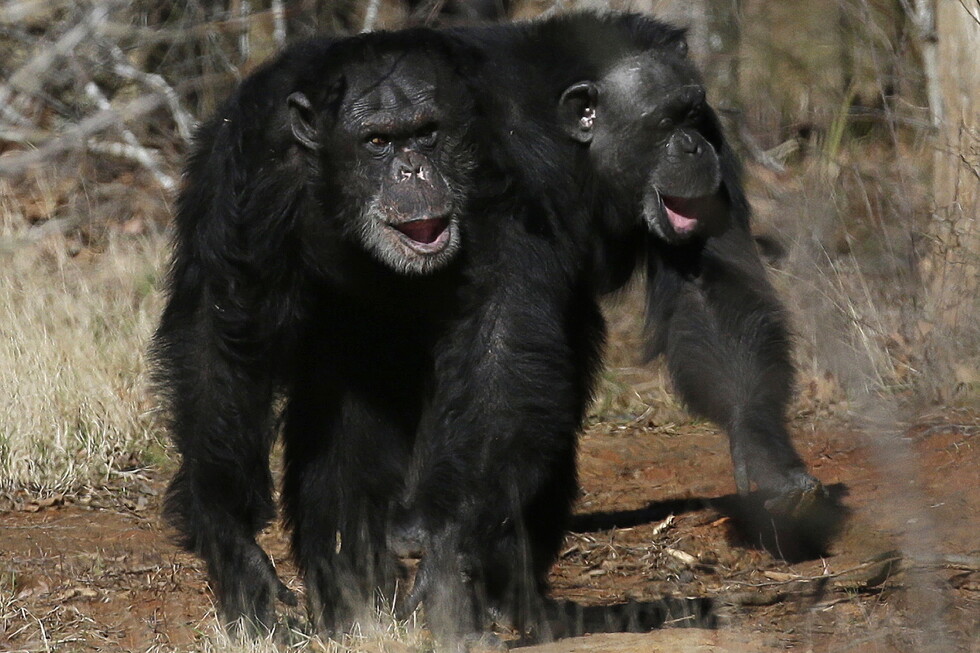
Get a load of this: Humans and great apes share similar giggles
A new study suggests humans and great apes have been giggling in similar ways dating back 15 million years.
- ·
eldiario.es
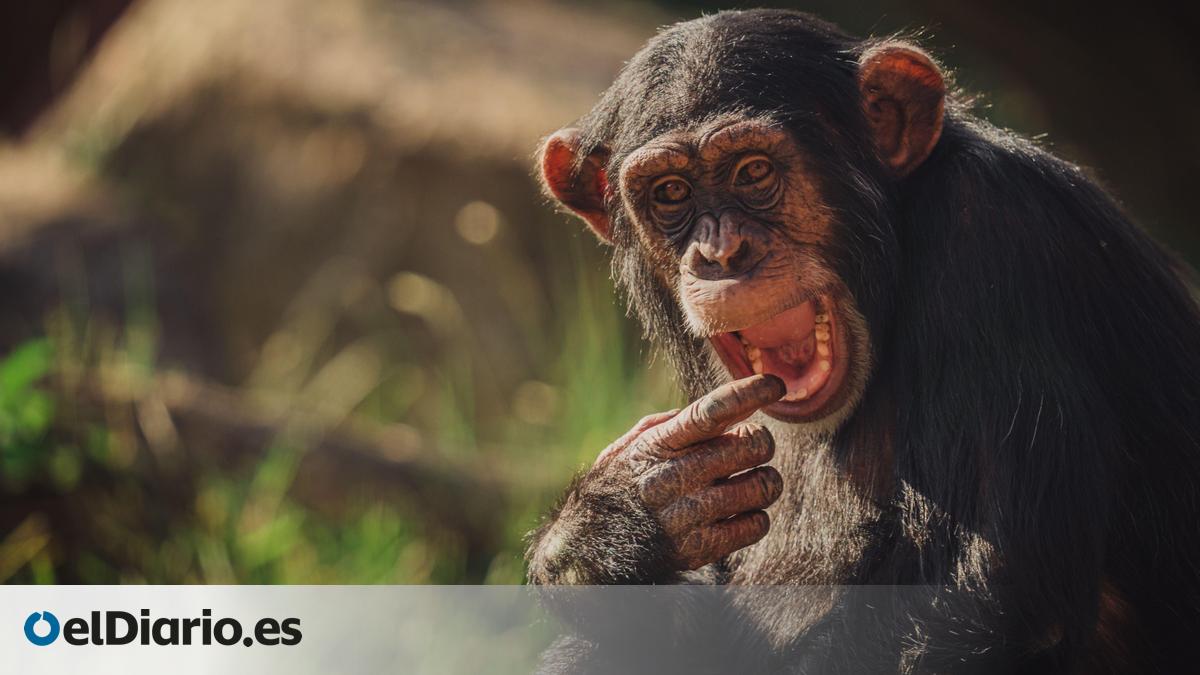
El análisis de las 'carcajadas' indica que la risa de humanos y grandes simios tuvo un origen común hace 15 millones de años
La comparación entre nuestra risa y la de los grandes simios actuales apunta a que el ancestro de los homininos ya se reía en intervalos de tiempo regulares, según un nuevo estudio