HomeAI · summaries
Storia in 14 fonti
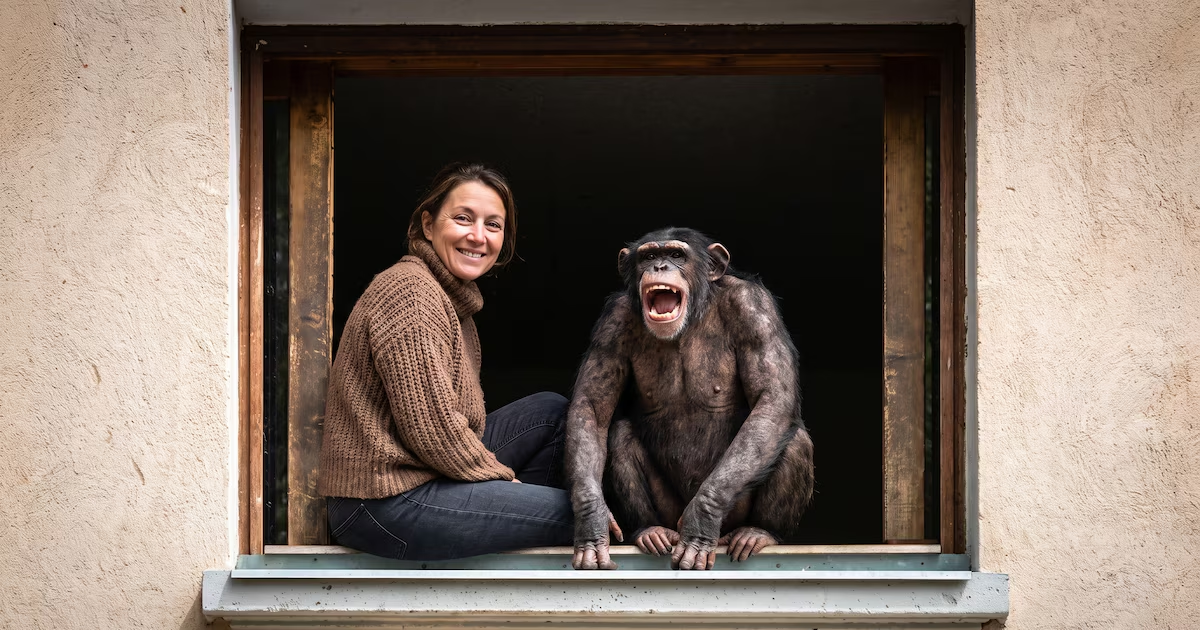
Apes and humans have been sharing a laugh for 15 million years
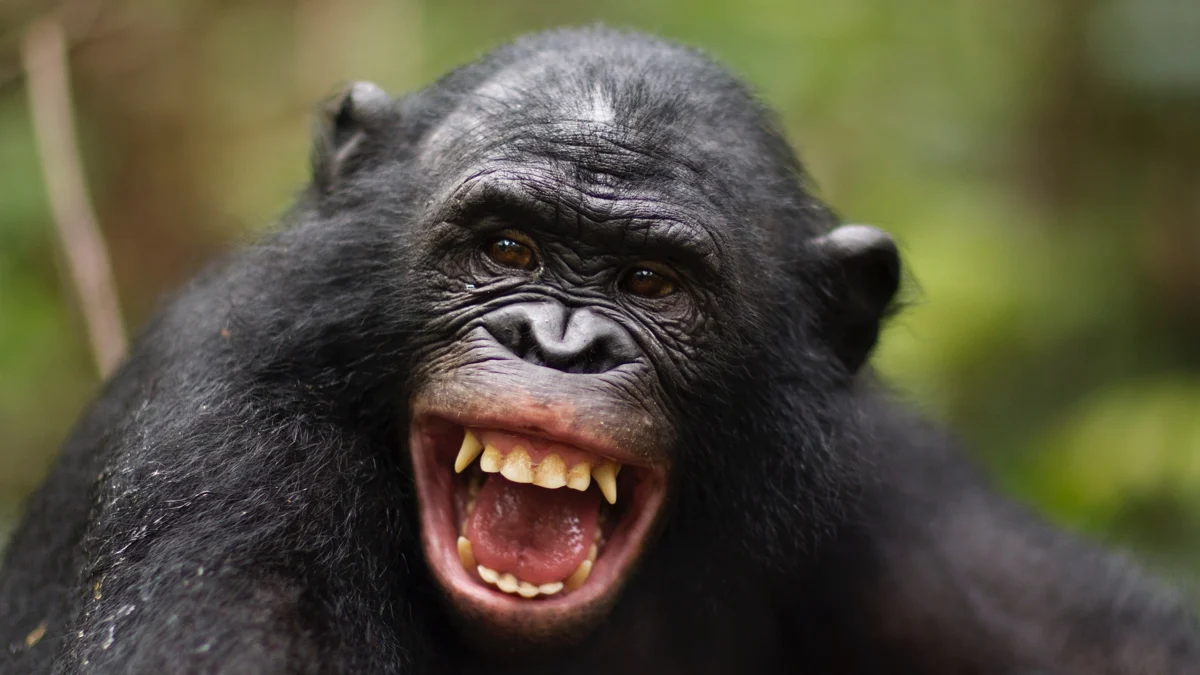
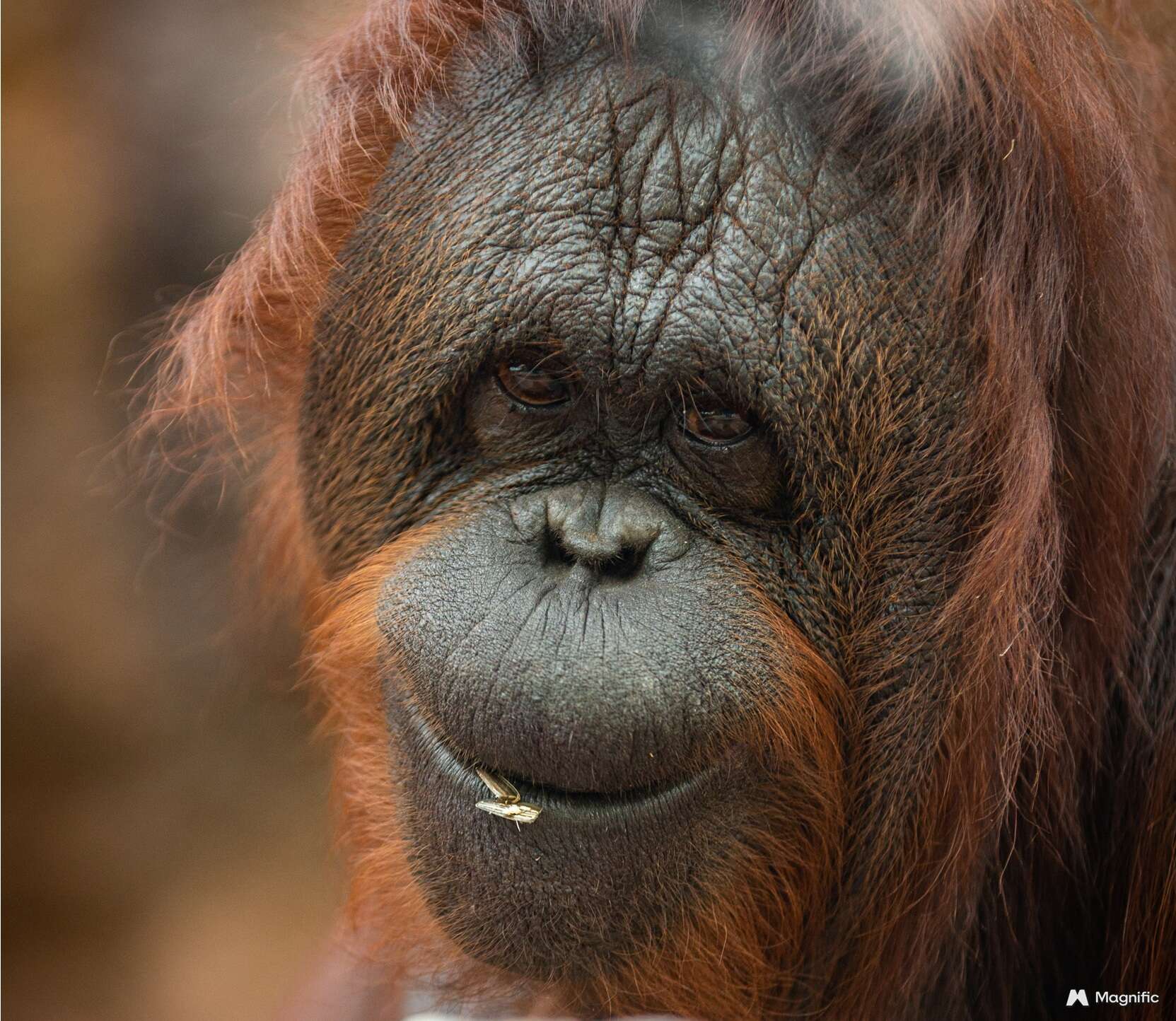
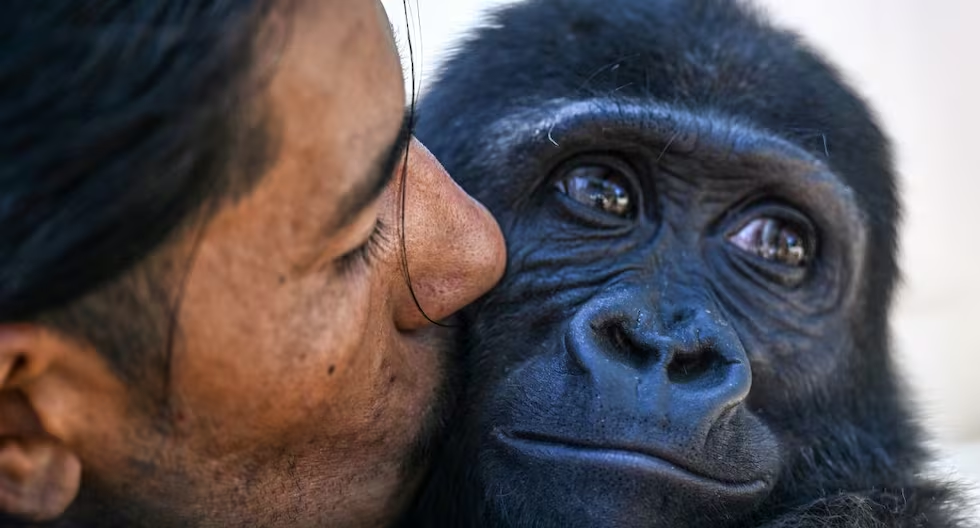
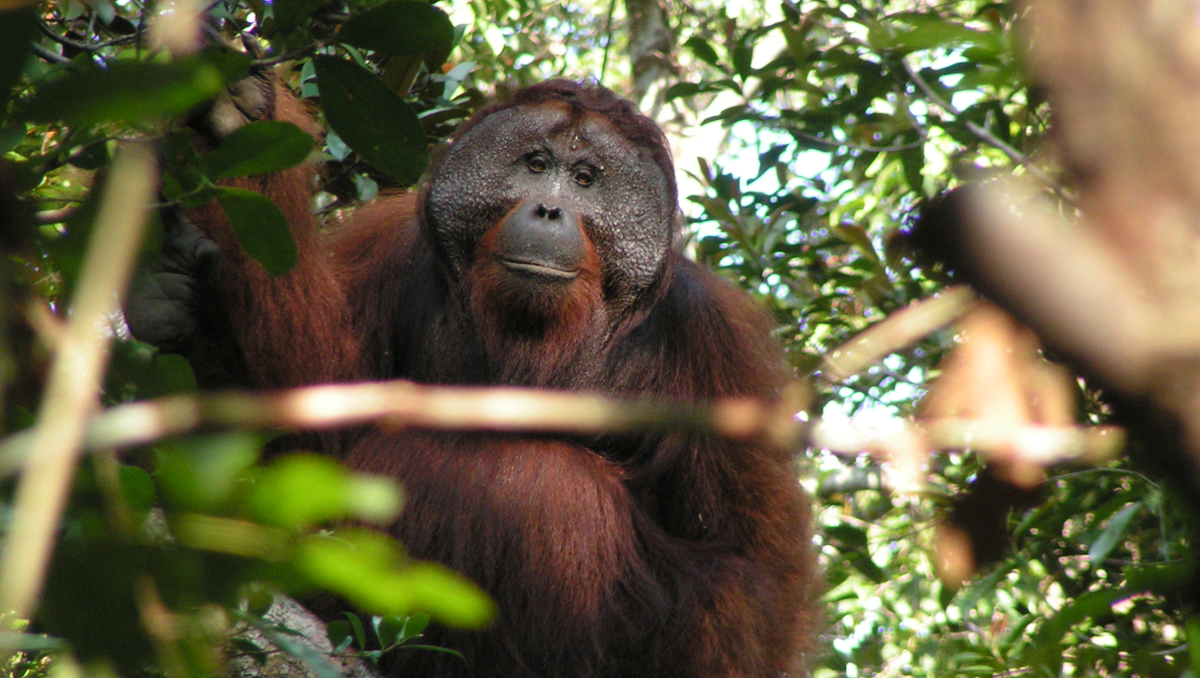
Great apes may have been laughing with a similar rhythm to modern humans for at least 15 million years, a University of Warwick study reveals. The finding offers unexpected clues to how human speech evolved.
Confronto fonti
6 prospettive sulla stessa storiaTimeline cronologica
- ·
forbes.com
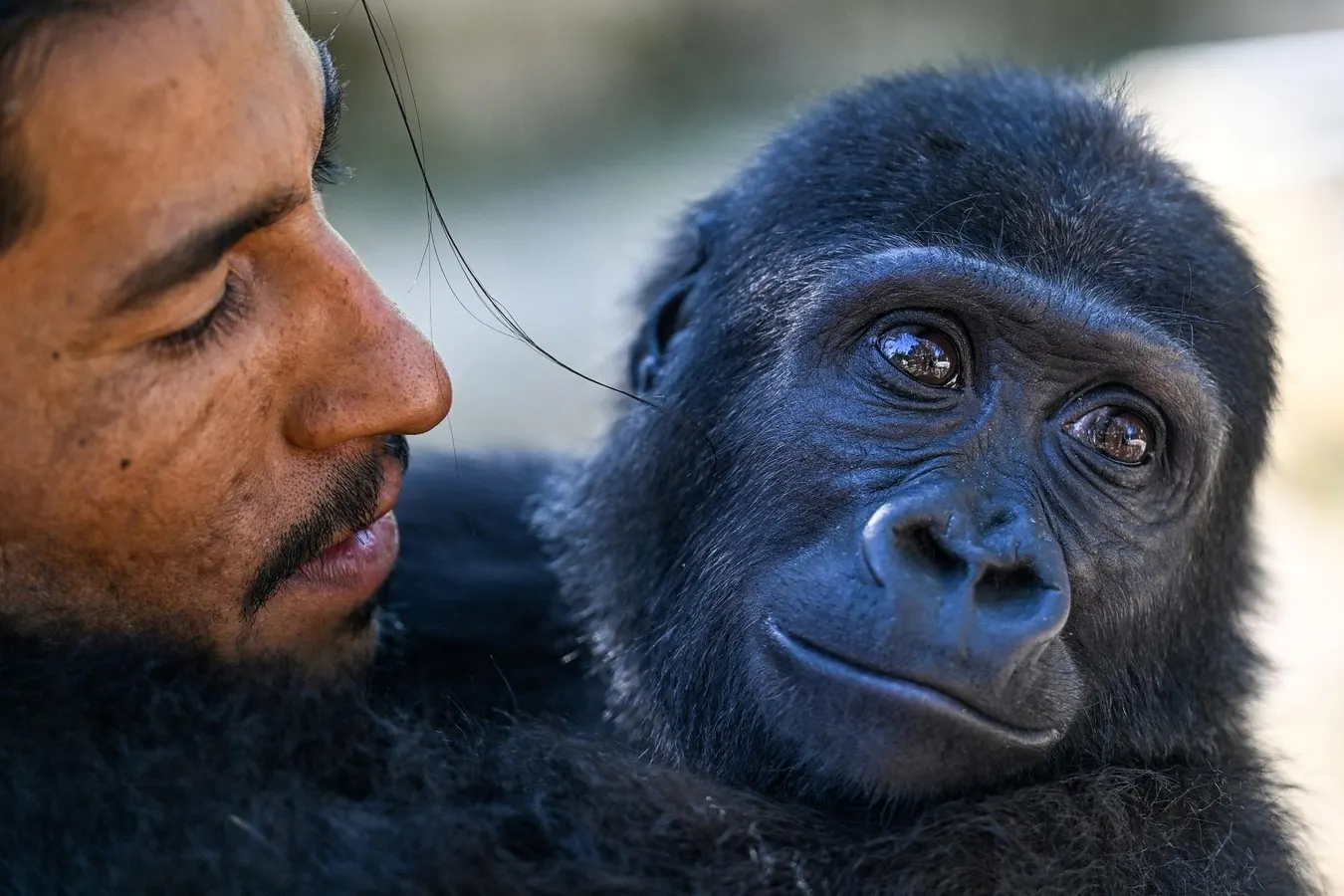
Scientists Tickled Gorillas And Found An Old Clue To How Humans Learned Speech
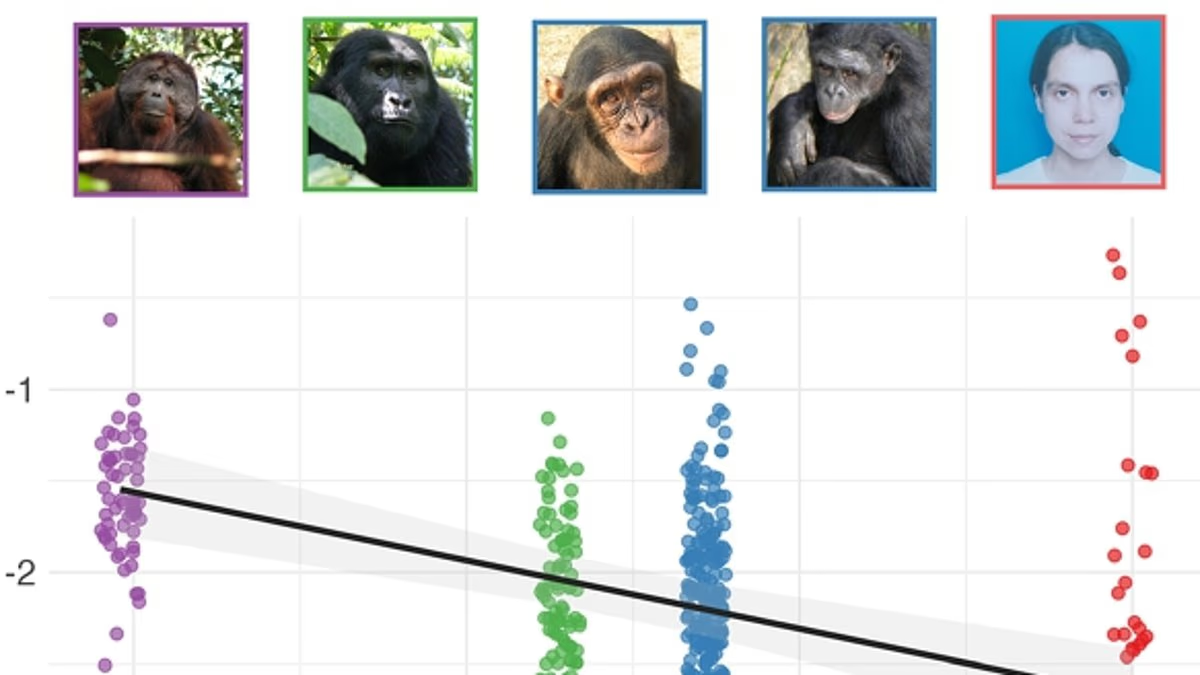
A study of 140 laughter sequences found the same rhythmic timing pattern in humans, chimps, gorillas, bonobos and orangutans.
- ·
nature.com
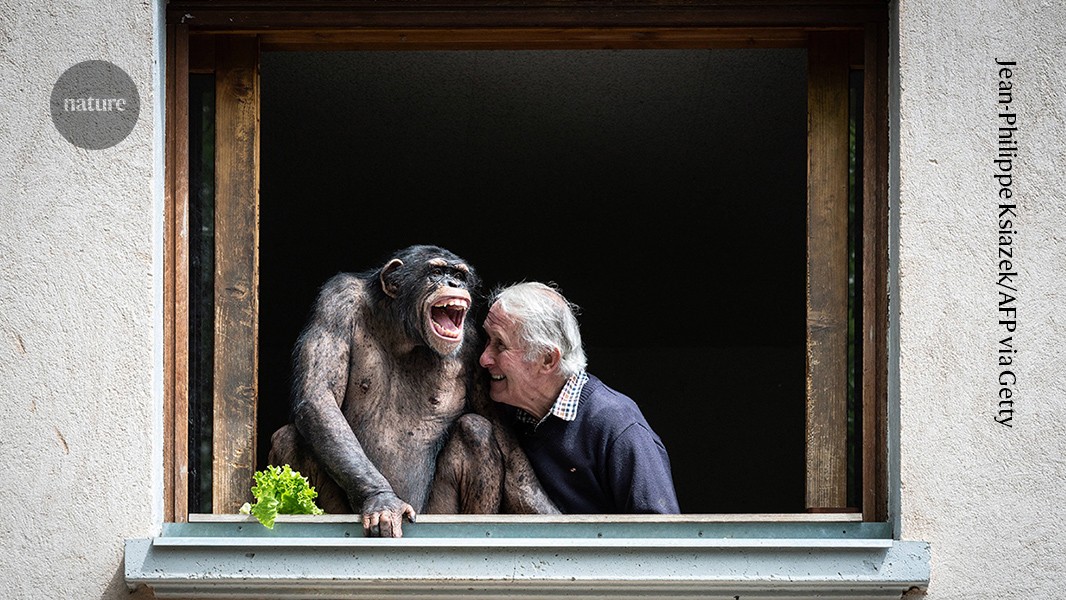
Oo oo, ha ha: why humans and great apes giggle alike when tickled
The rhythmic patterns of laughter found in apes and humans reveal that complex primate vocal control might have started evolving 15 million years ago.