HomeAI · summaries
Storia in 9 fonti
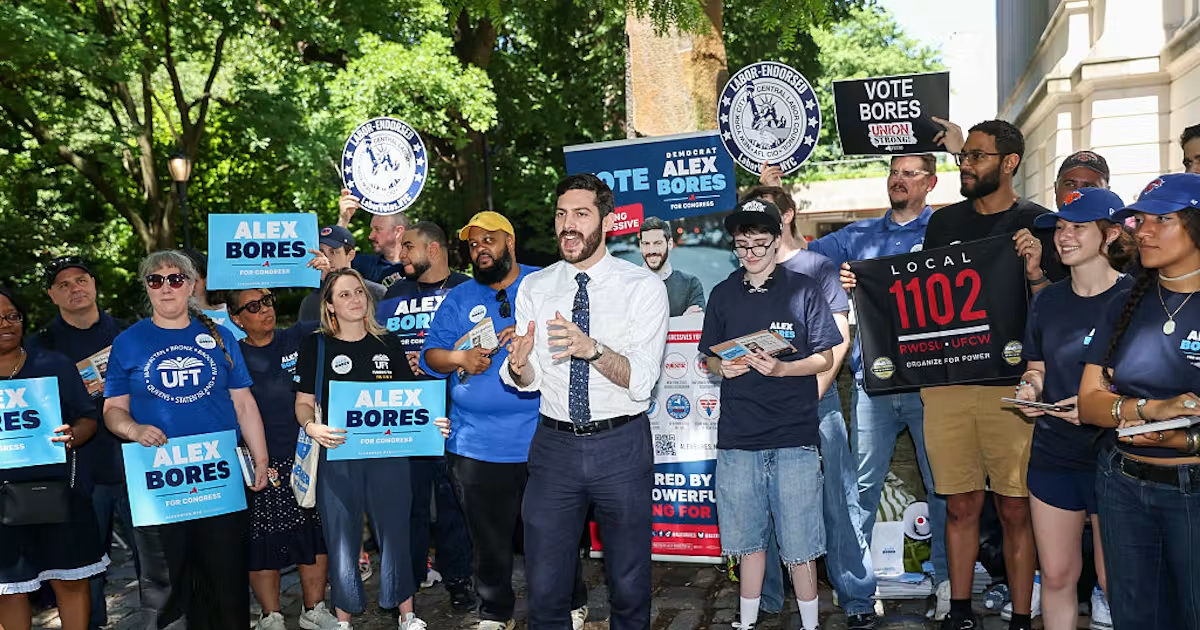
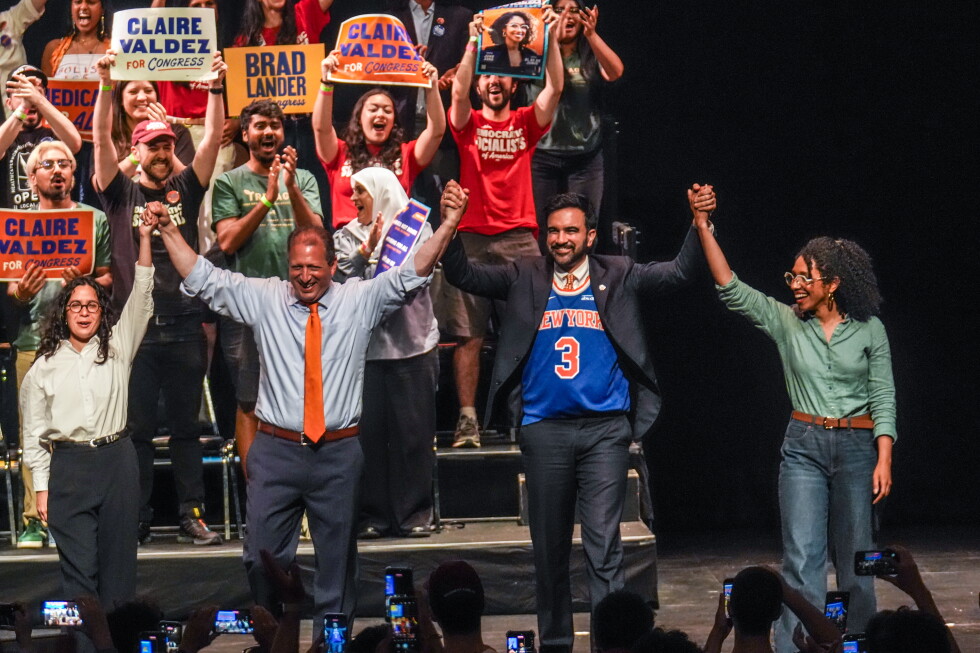
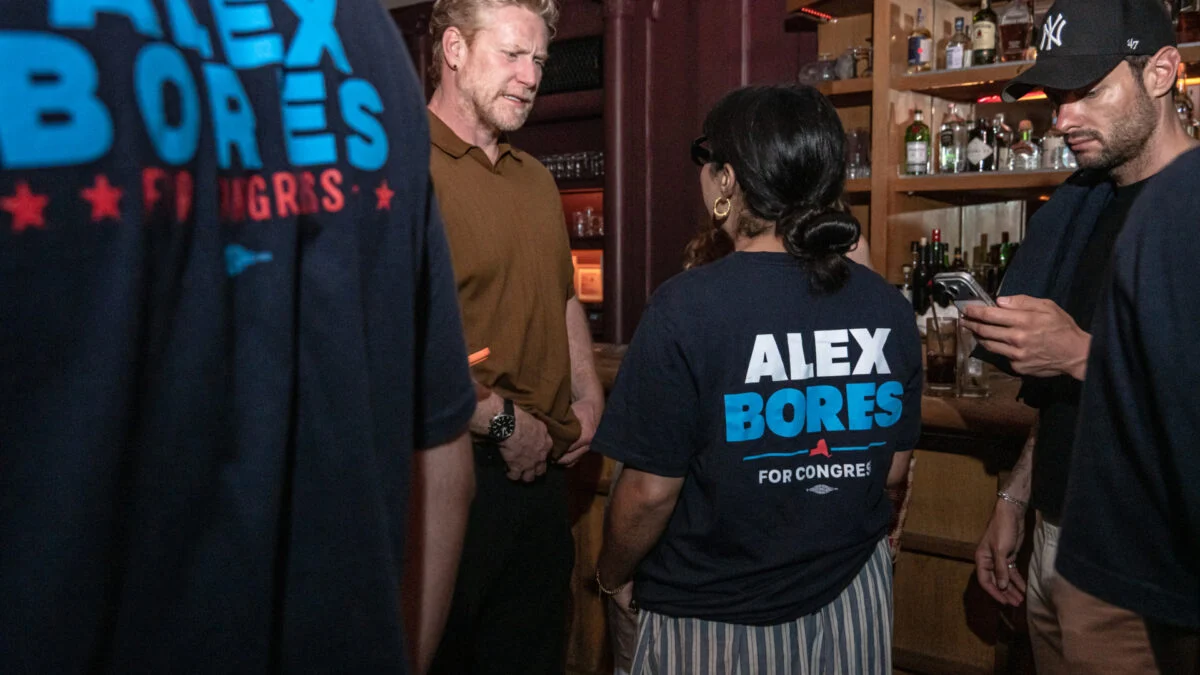
Corporate AI super PACs spend $27M to influence New York primary
AI-backed super PACs have spent over $27 million in New York's congressional primaries, borrowing crypto's political playbook to fight AI safety regulation.
Confronto fonti
6 prospettive sulla stessa storiaTimeline cronologica
- ·
npr.org
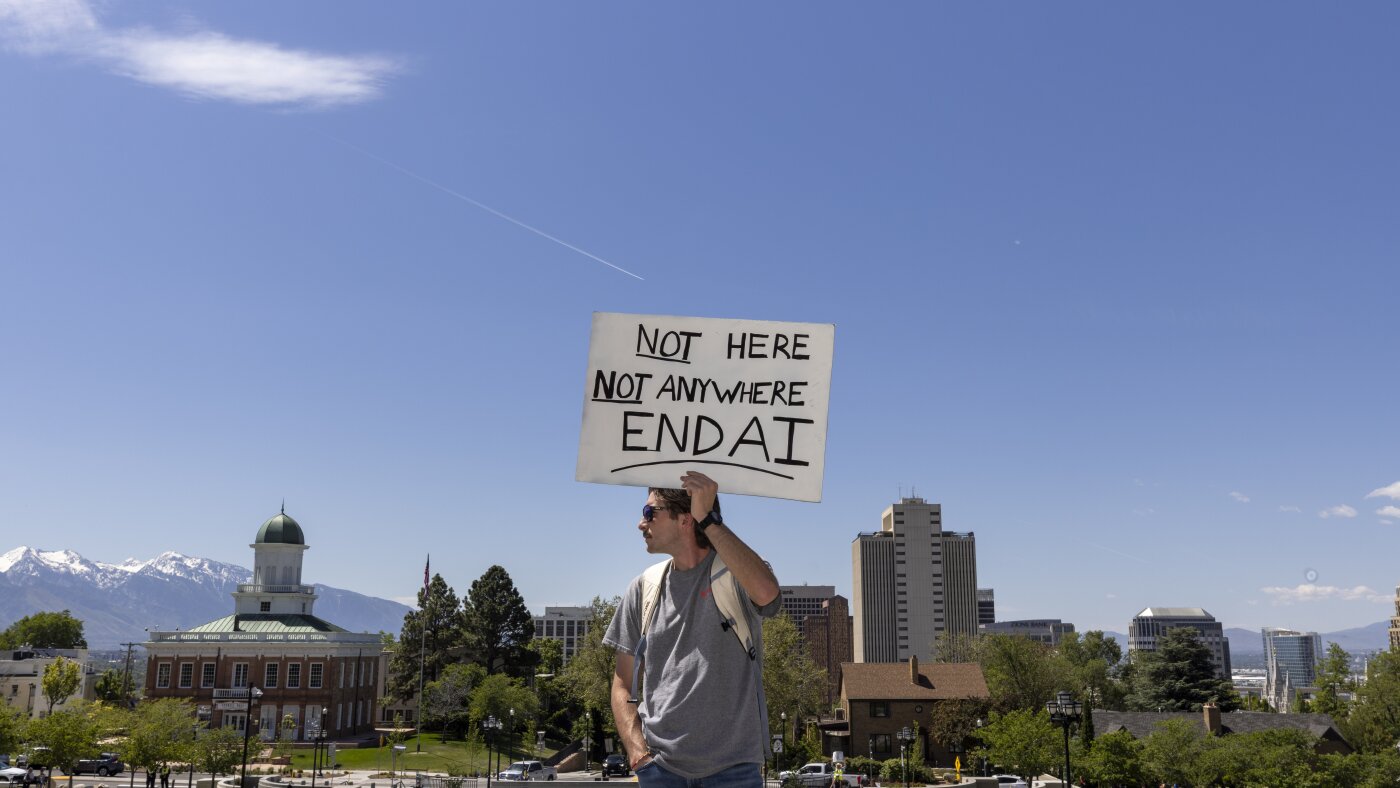
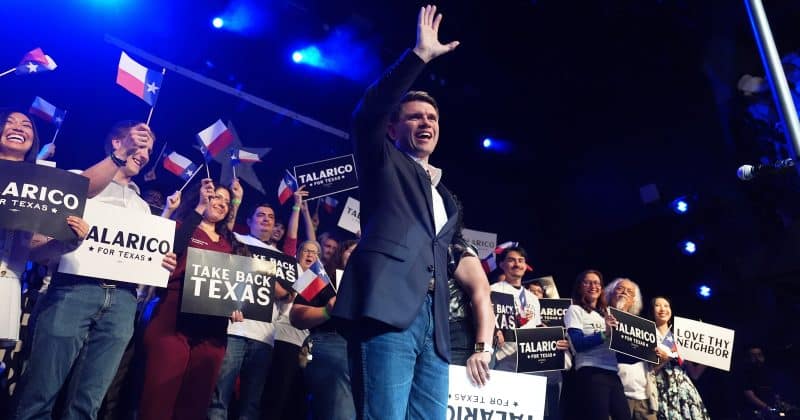
An AI proxy war could reshape Congress — before Congress reshapes AI
The massive spending and heated rhetoric in midterm races reflect the AI industry's political fault lines and competing visions of what the future should look like.
- ·
cointelegraph.com

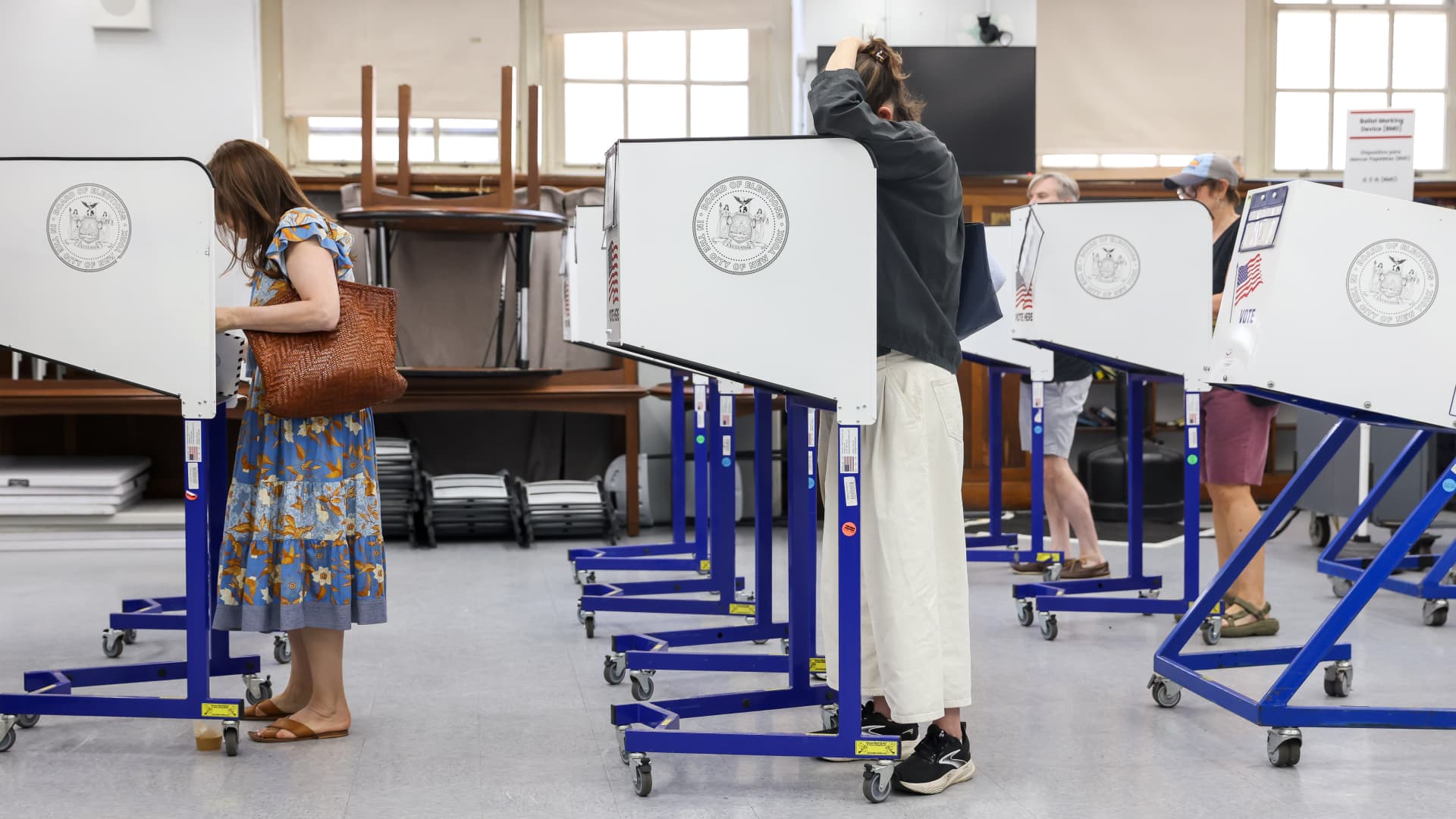
New York, Maryland and Utah to Hold Primaries with Crypto PAC Money Hanging over Voters
Congressional primaries in three US states will likely be the crypto industry’s next proving ground for the 2026 election cycle after many of its supported candidates won races…