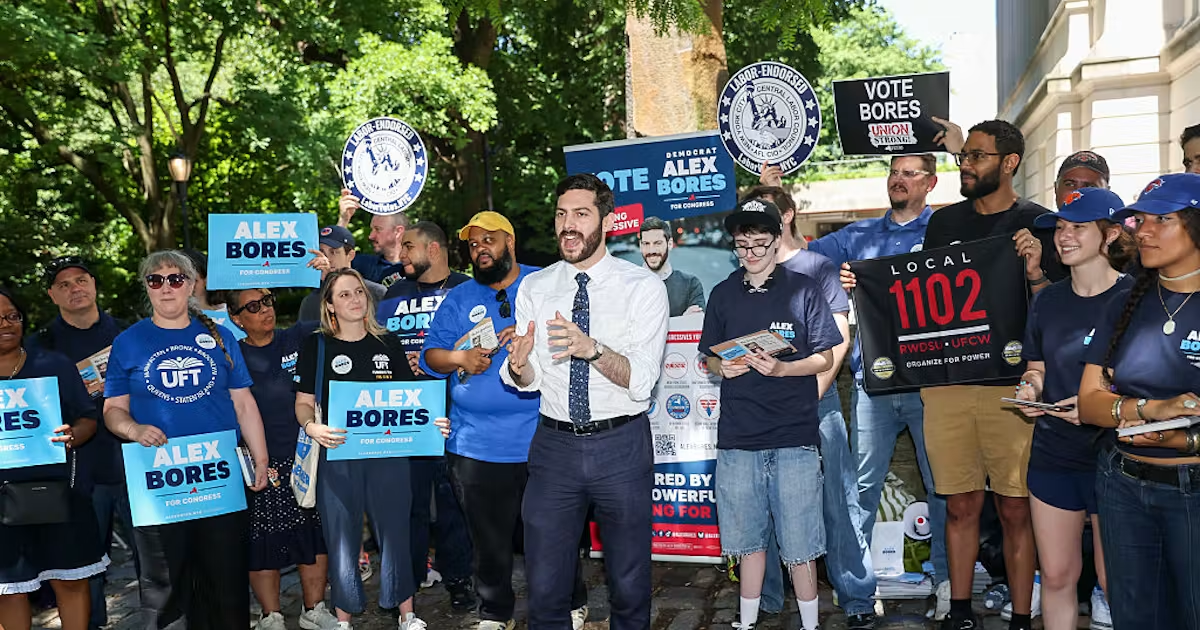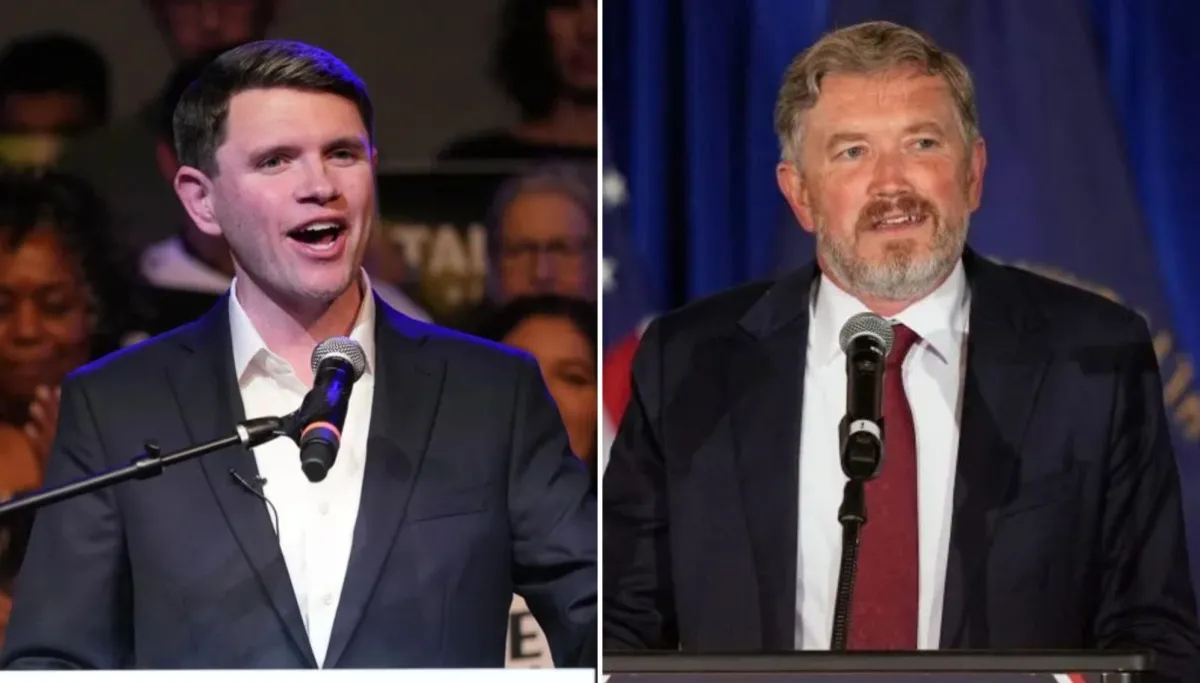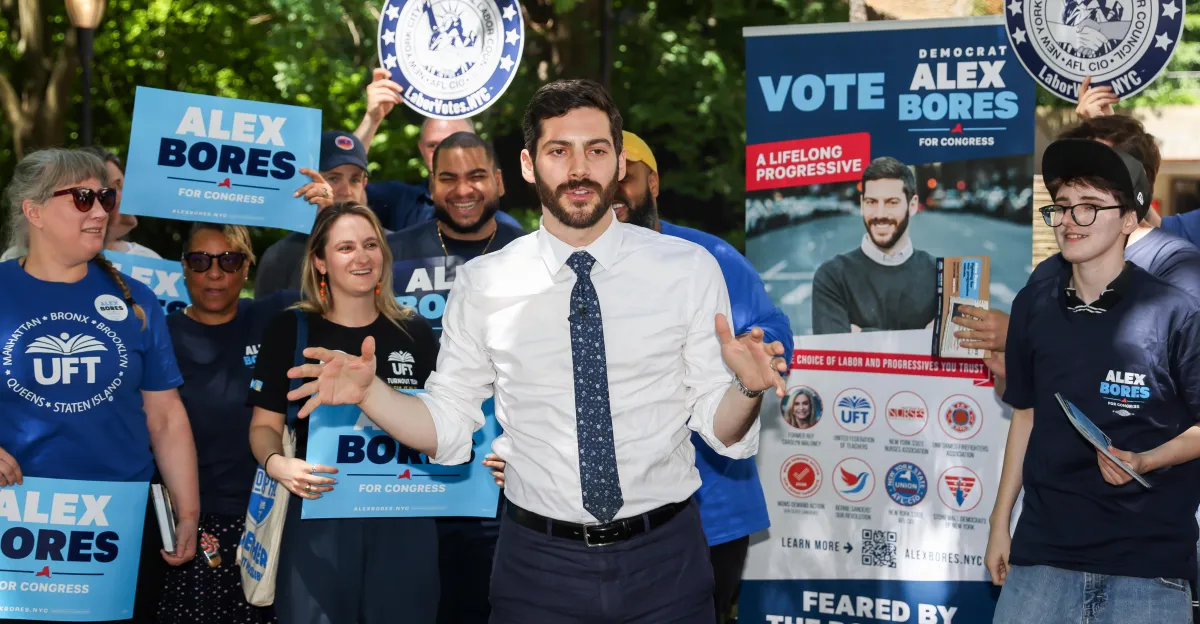
Candidates pushing for AI safety regulation were far from silenced following Tuesday's primaries. Why it matters: AI money is now a significant part of the election landscape. Industry-backed groups have spent the last year raising hundreds of millions of dollars to influence the political debate around AI — and in the process, made the technology a more visible issue for voters.Leading the Future, a pro-AI industry super PAC backed by tech execs and investors pushing rapid AI development and lighter regulation, has raised over $100 million and thrown its weight behind nearly 30 races so far.Tuesday's results offered an early glimpse of how fights over AI regulation, data centers and the industry's influence could reverberate on the campaign trail.New York: Pro-AI safety candidate Alex Bores lost out to fellow Democrat Micah Lasher in a heavily-watched, expensive race. But this isn't a simple tale of AI super PAC money yielding results, nor a sign that future candidates will cower from pro-AI safety stances.Bores, running to replace Rep. Jerry Nadler (D-N.Y.), grew to national prominence as the top target of Leading the Future, turning the primary into the highest-profile AI fight in the country.Lasher co-sponsored New York's sweeping AI safety bill, the RAISE Act, and supports a data center buildout moratorium.What they're saying: Bores was polling in the single digits before Leading the Future got involved in the race, Encode AI general counsel Nathan Calvin told Axios. "The backlash from their push elevated Bores to within a few thousand votes of a congressional seat," Calvin said.Asked for comment on Bores' loss, Leading the Future co-founder Josh Vlasto said the organization would continue backing candidates who support a national AI regulatory framework "with strong and smart guardrails."Calvin said the most telling part of LTF's response was what it didn't say: "Perhaps the most remarkable sign, though, is Leading the Future themselves refraining from saying a word celebrating Bores's loss, I think they know they were not responsible for it."Utah: Republican Doug Fiefia won election to the Utah state Senate after spending months publicly defiant on AI safety issues that put him at odds with the Trump administration.The White House earlier this year pressured Fiefia to drop his AI transparency bill, an early target of the administration's campaign against state-level AI regulation.But the lawmaker leaned into calling out AI super PAC and tech oligarch money in his election, and said he plans to continue pursuing AI policy in the state Senate."The chamber may change, but the issues and my focus won't," he said. "The Senate gives me a larger opportunity to keep working on the issues I've been focused on from day one."Rep. Blake Moore (R-Utah)'s victory over state legislator Karianne Lisonbee, meanwhile, highlighted how data centers have emerged as a crucial political issue in their own right.Lisonbee sought to make Moore's position on the proposed Stratos data center project a central issue in the race. The project, backed by businessman and TV personality Kevin O'Leary, has become a flashpoint in the state over its size and water demands.Moore did not directly oppose the project, instead emphasizing the national security importance of data centers and calling for local communities to have a seat at the table for water and other resource management.The bottom line: AI money is reshaping the campaign landscape, but this week's results suggest that challenging the industry isn't proving politically toxic.
AI money gets an early test at the ballot box
AI money is now a significant part of the election landscape.
560 words~3 min read