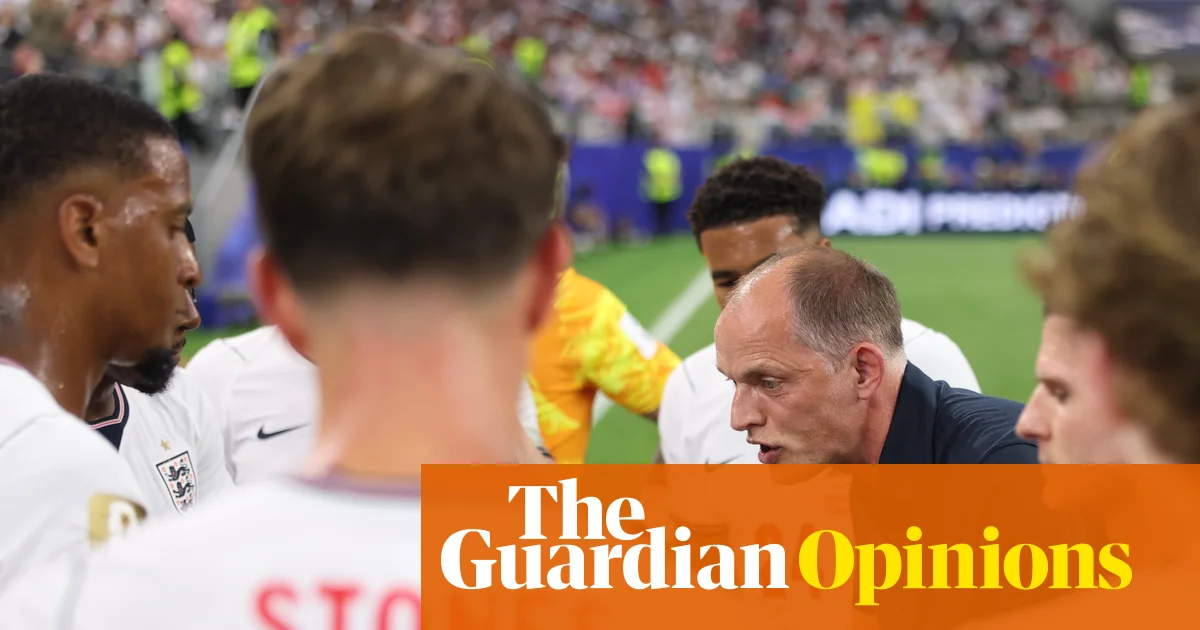
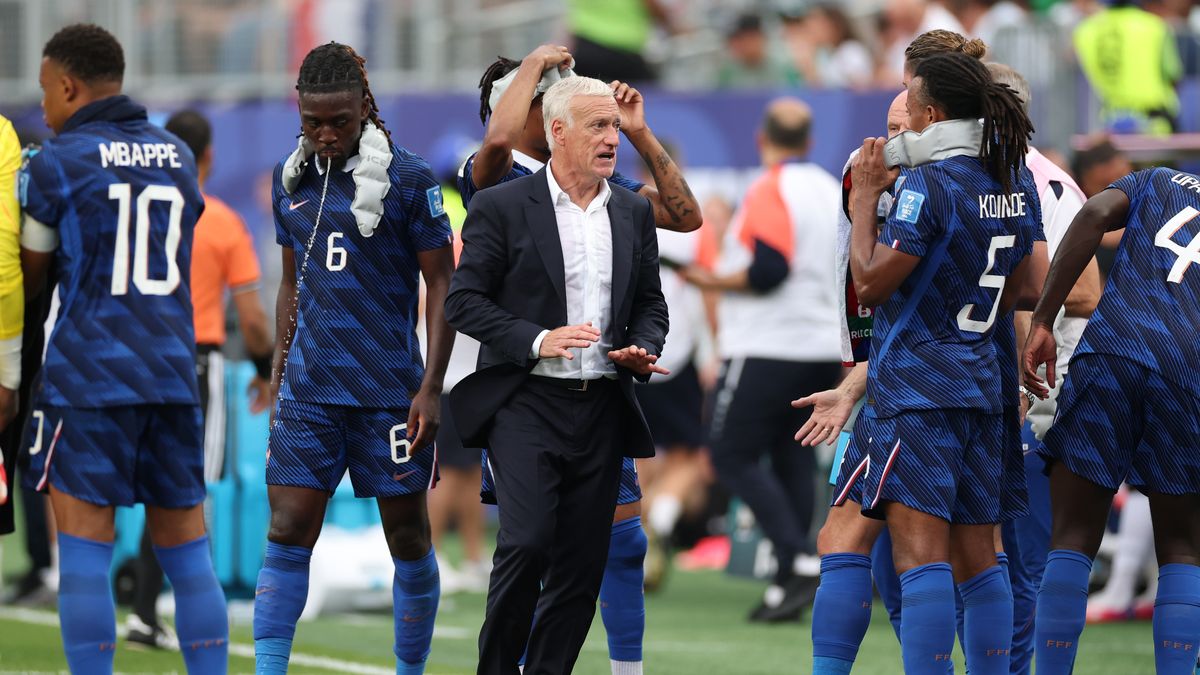
Nobody wants more stoppages in the game but it allows us, whether on TV or the touchline, to analyse what we see

TV companies around the world are taking different approaches. Some are making big money, others either are not or are unable to do so

We asked readers of The Athletic's World Cup Briefing newsletter what they think of the two three-minute breaks in each game...
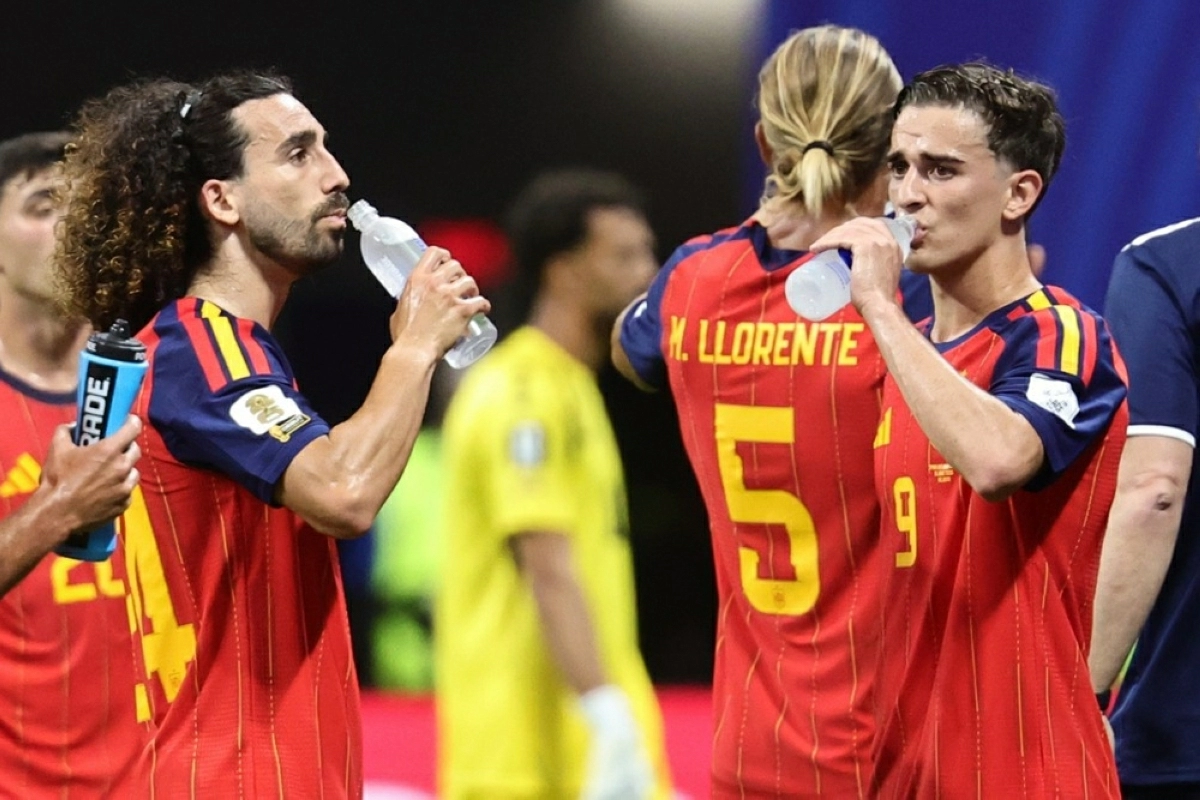
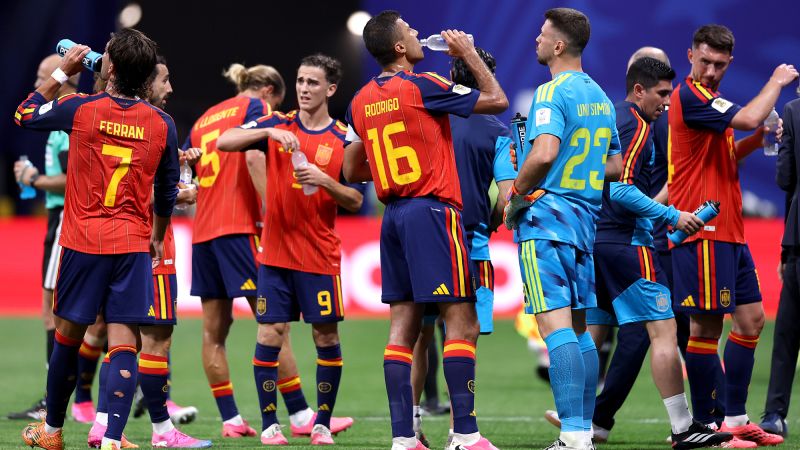
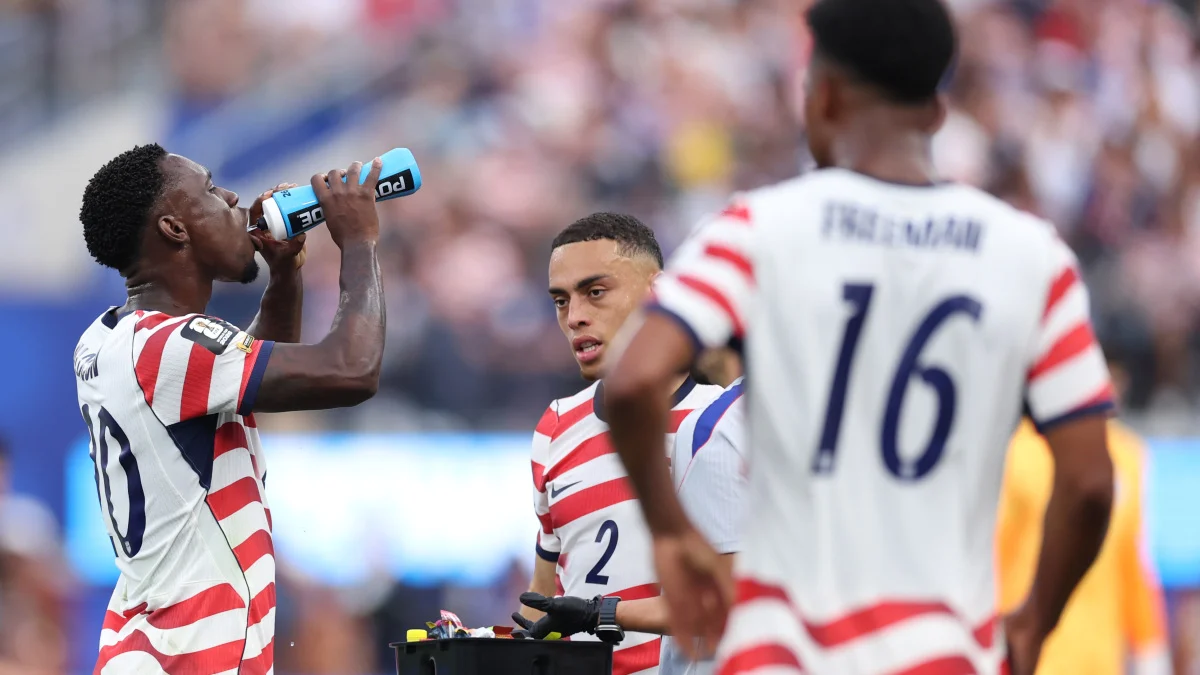
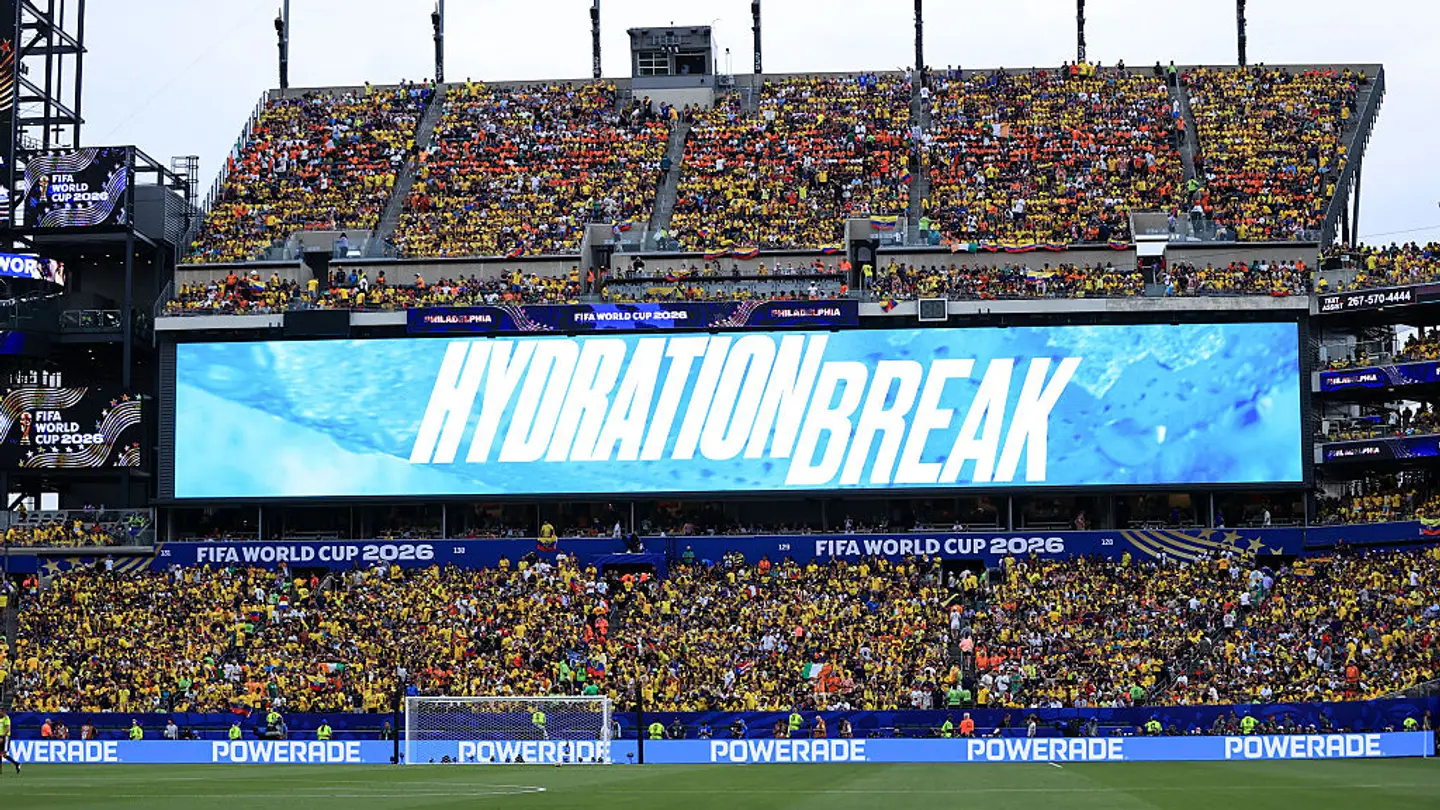
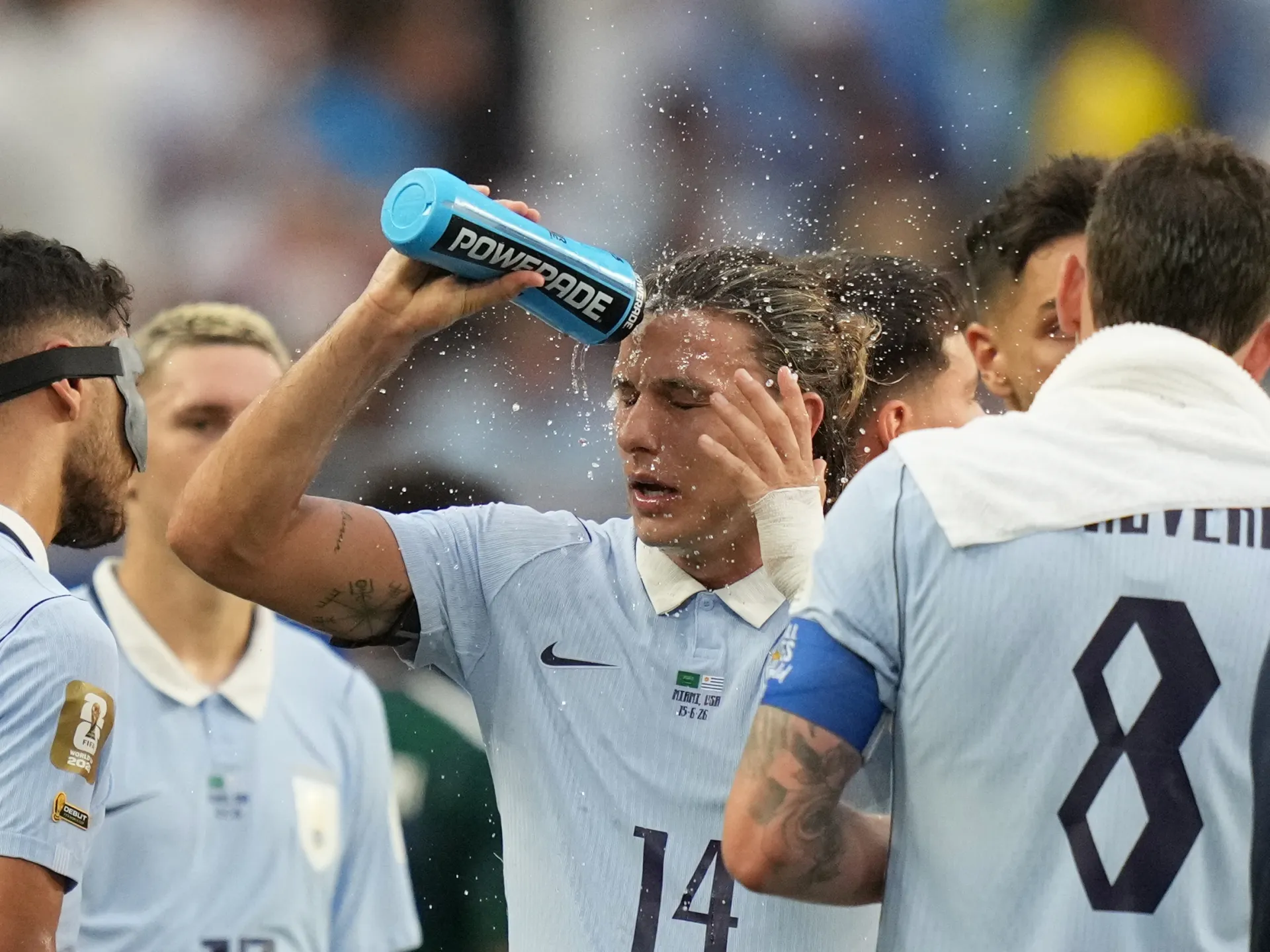
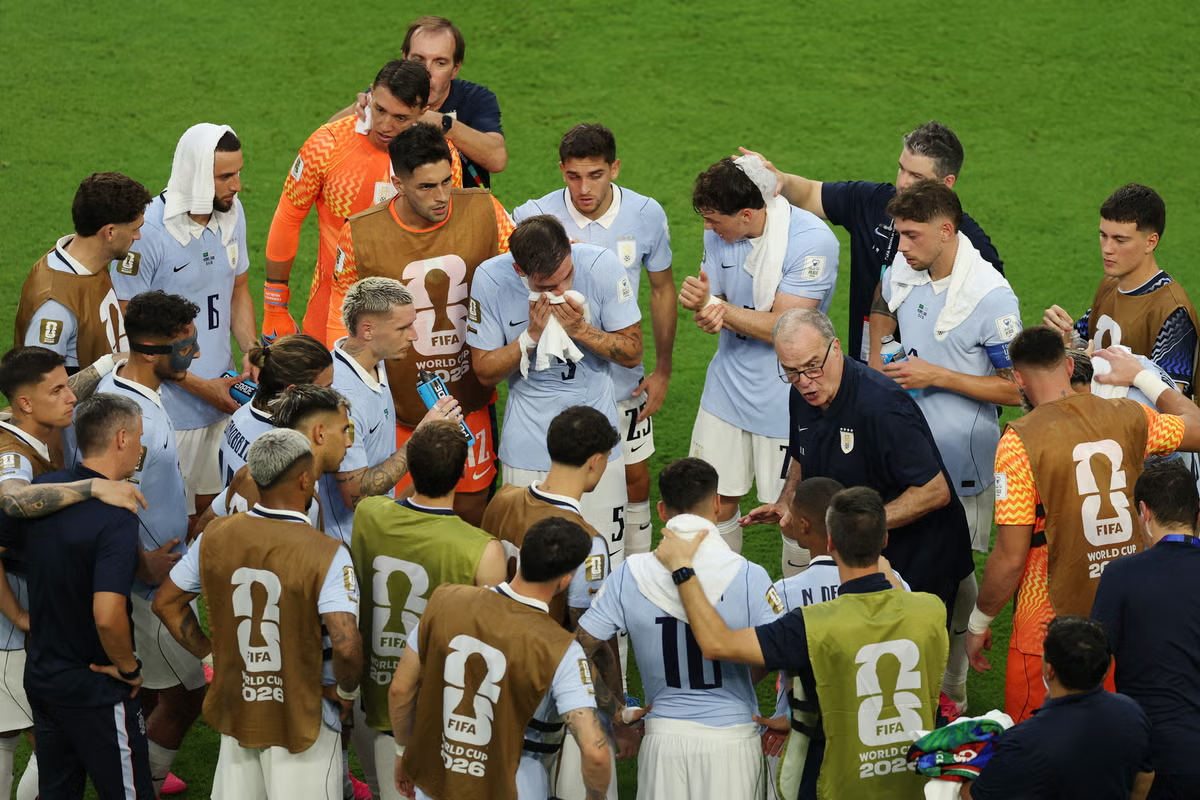
FIFA's mandatory hydration breaks have drawn criticism at World Cup 2026, with coaches and pundits questioning their impact on momentum, tactics and the fan experience.

Critics say the breaks kill the flow of the game, while others see their introduction as a cynical ploy to introduce more advertisements

And just like that, we’re already a week into this summer’s World Cup. We’ve now had seven days of action, 24 group games and 75 goals scored across North America. And the best…

Some say they interrupt the game's flow, while others say the breaks are too short

Booed by England fans - the 'player welfare' breaks appear to be changing the flow of a football match from halves to quarters

Broadcasters stand to gain lucrative new commercial opportunities from mandatory World Cup hydration breaks introduced by FIFA to protect player welfare.

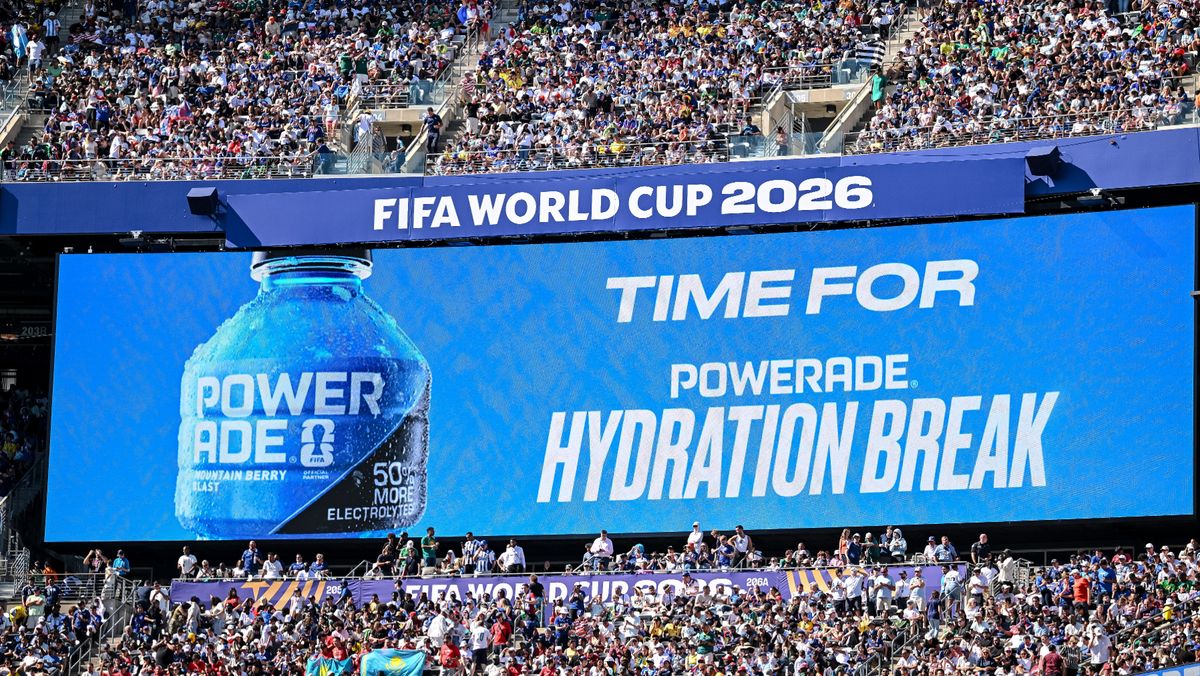
FIFA claims the 3-minute pauses were introduced for player safety — but they're worth a lot of money.

Hydration breaks in the 2026 World Cup are influencing match outcomes, with many goals scored shortly after these pauses.

Enforced stoppages at the World Cup for players to drink have upside and downside.

Criticism surrounding the breaks has been aimed at the commercial benefits for the three-minute pauses in action.

Nobody wants more stoppages in the game but it allows us, whether on TV or the touchline, to analyse what we see

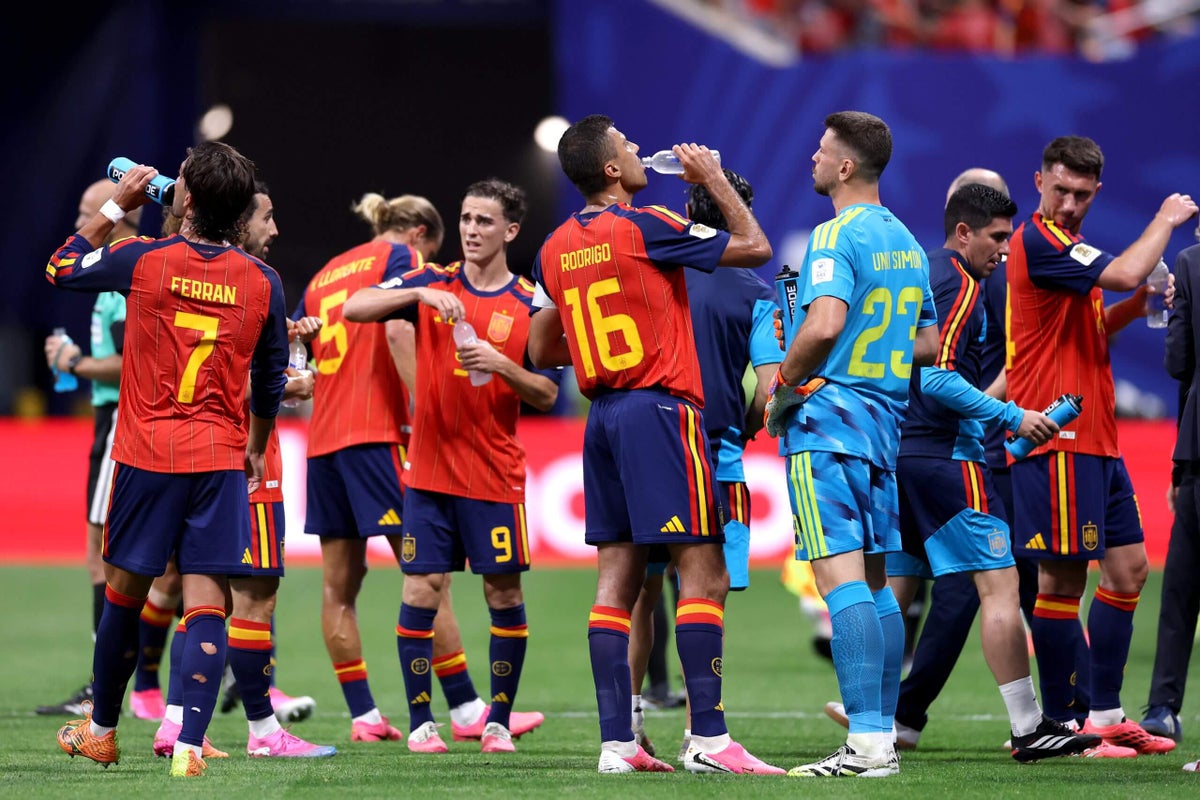
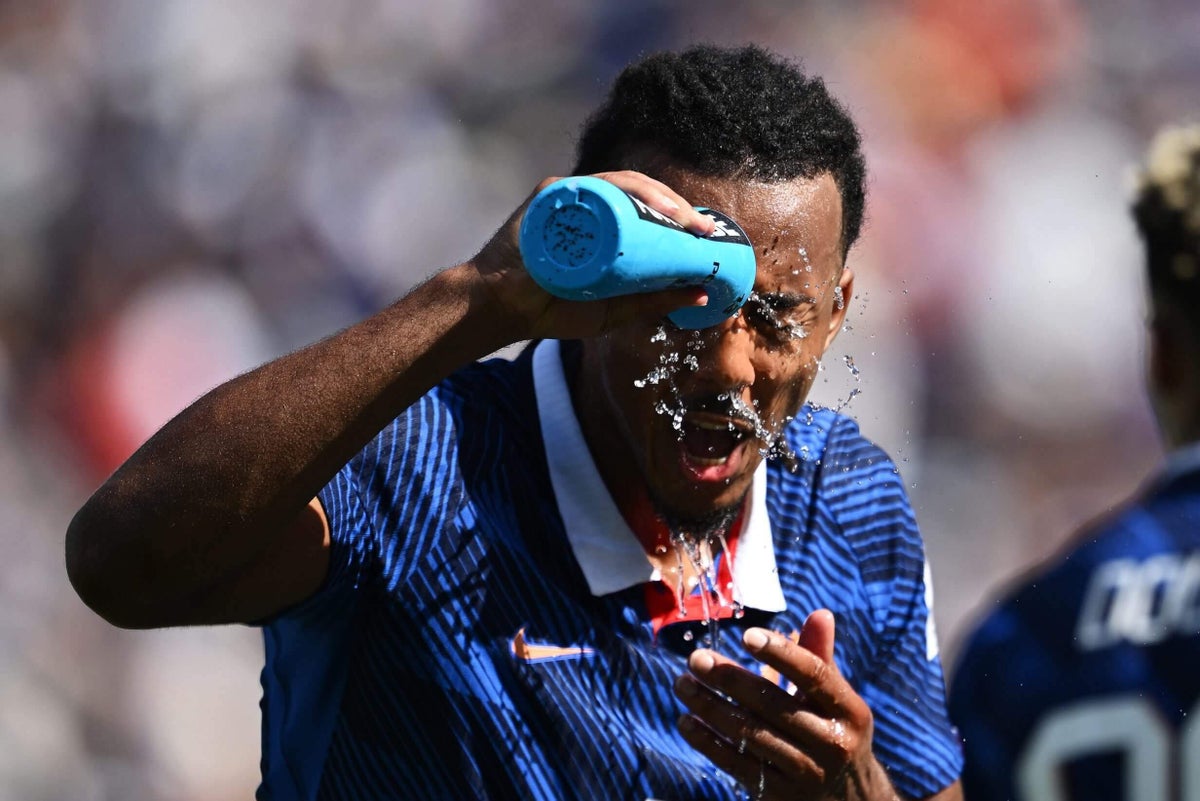
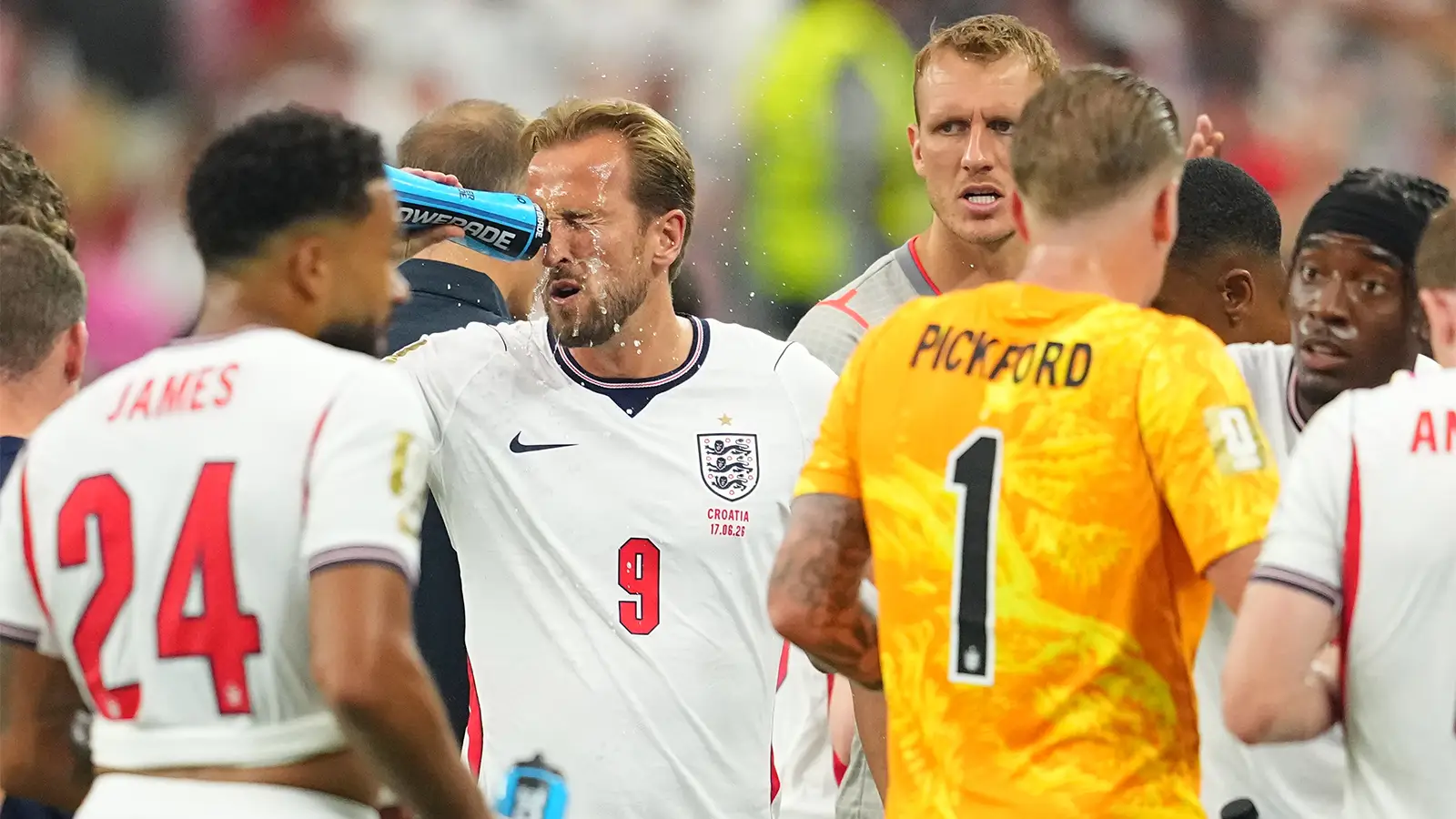
The hydration breaks introduced for this year’s World Cup break games down into four quarters, with an extra three-minute stoppage in each half

The rule has drawn criticism from some of football's most prominent figures, who argue that it changes the dynamics of matches.