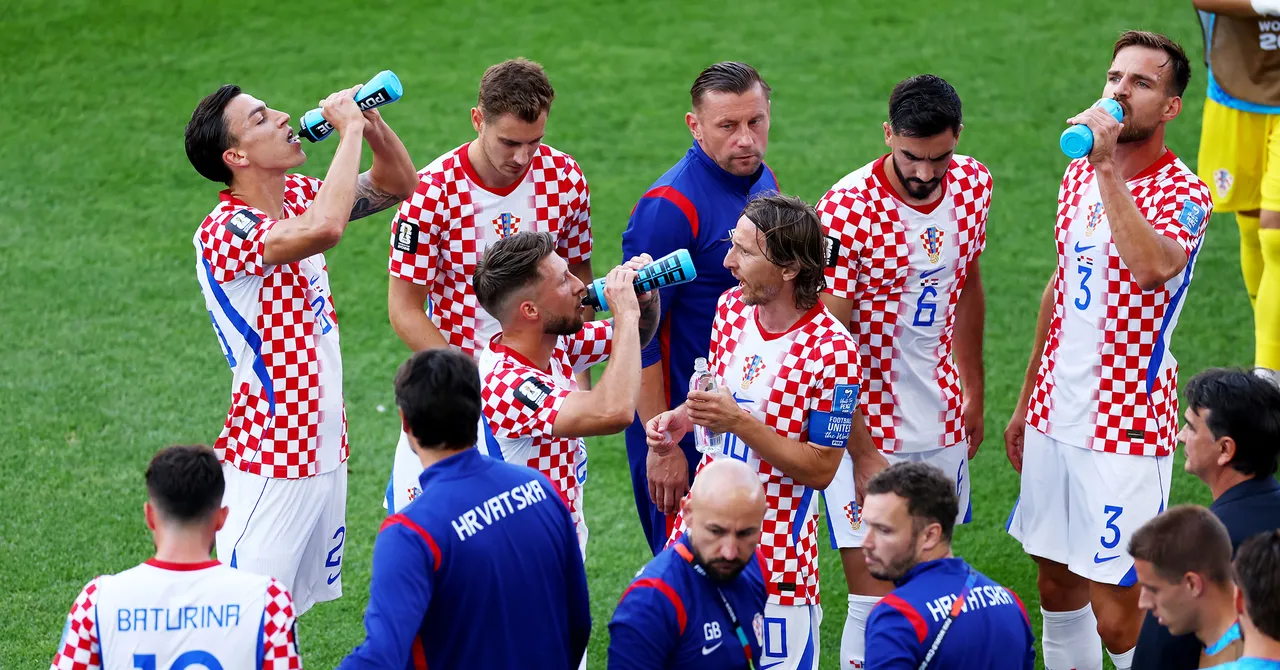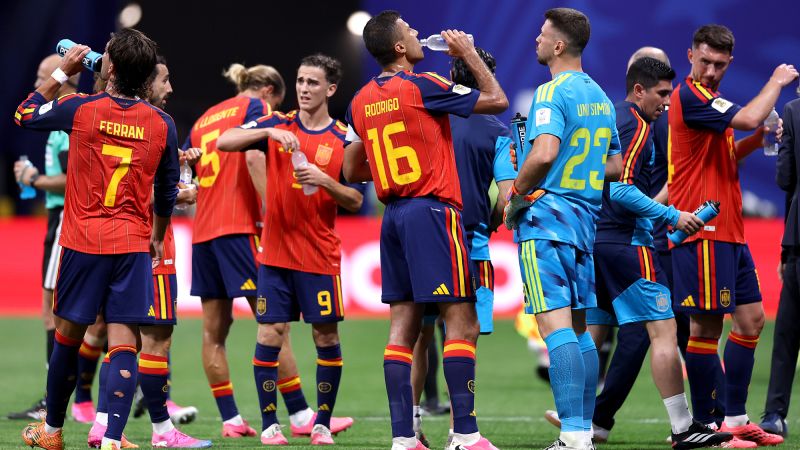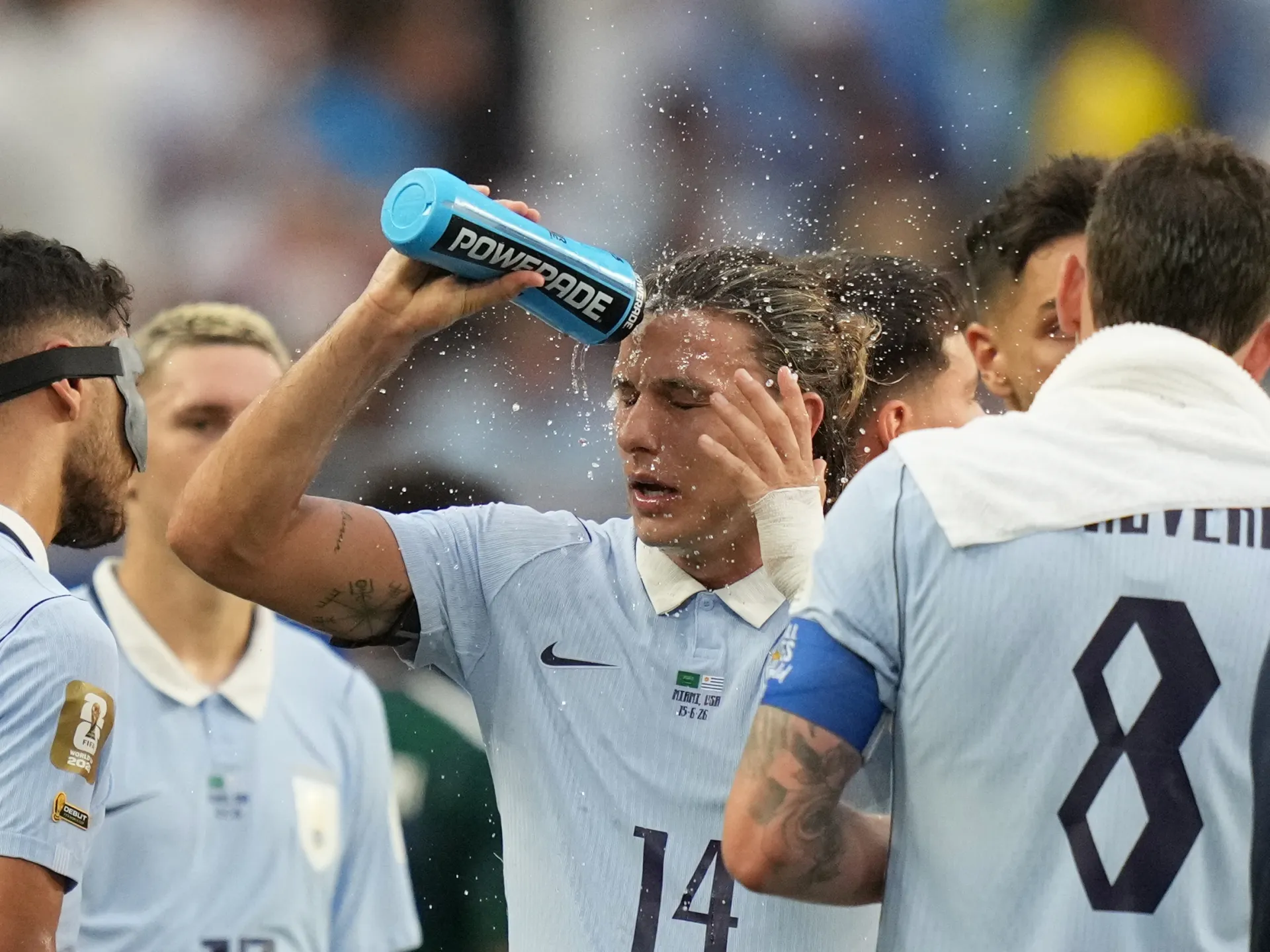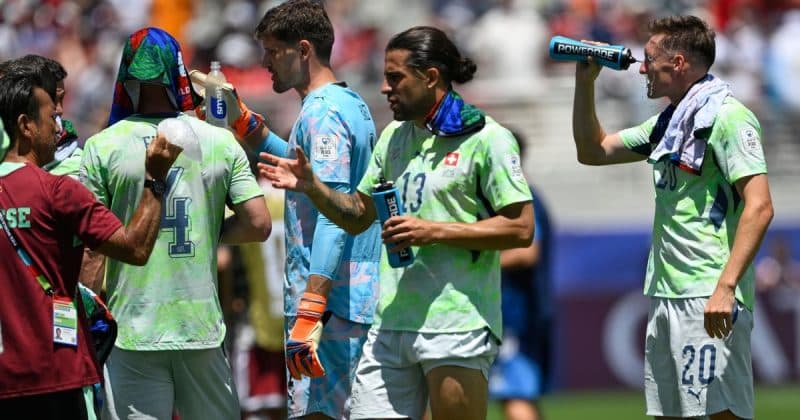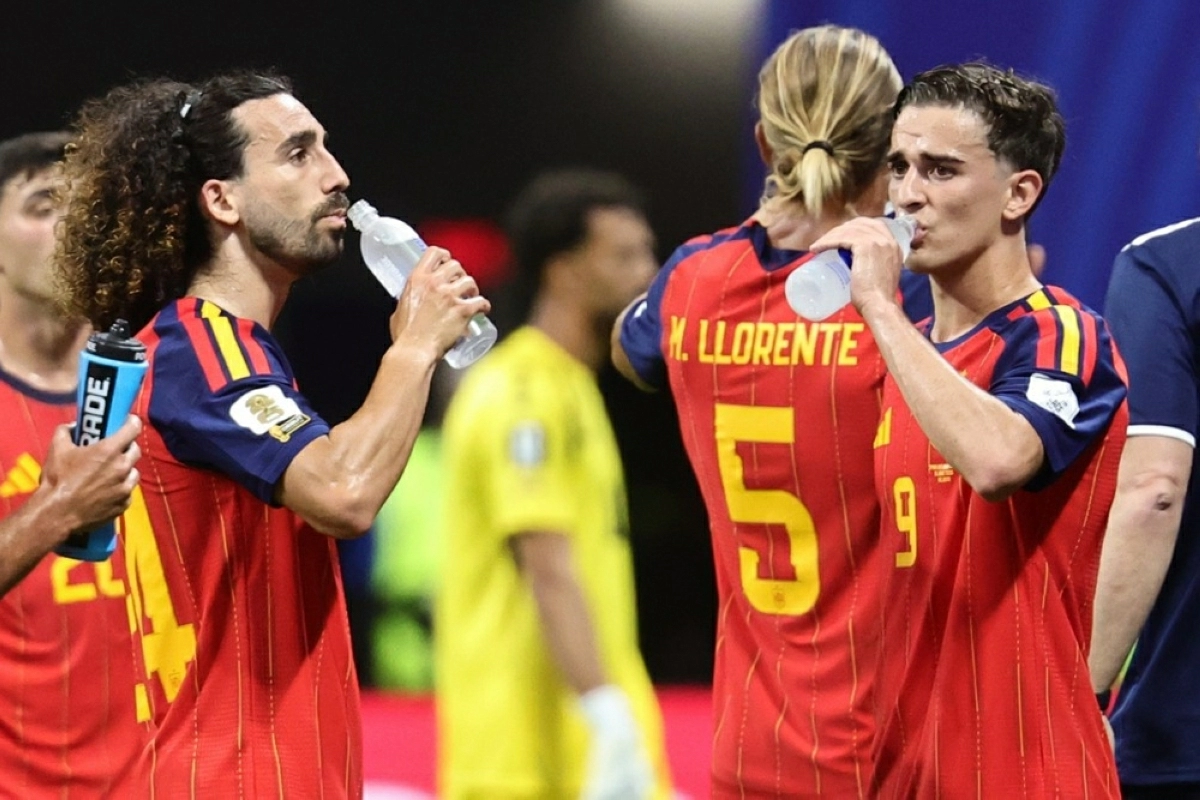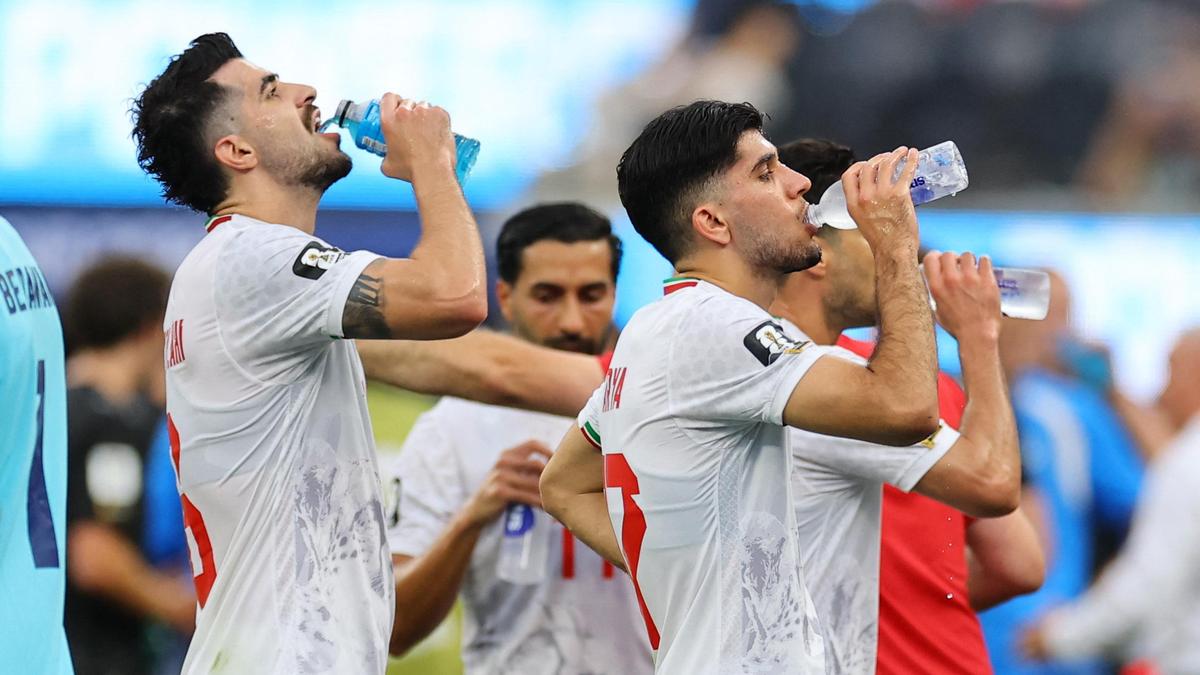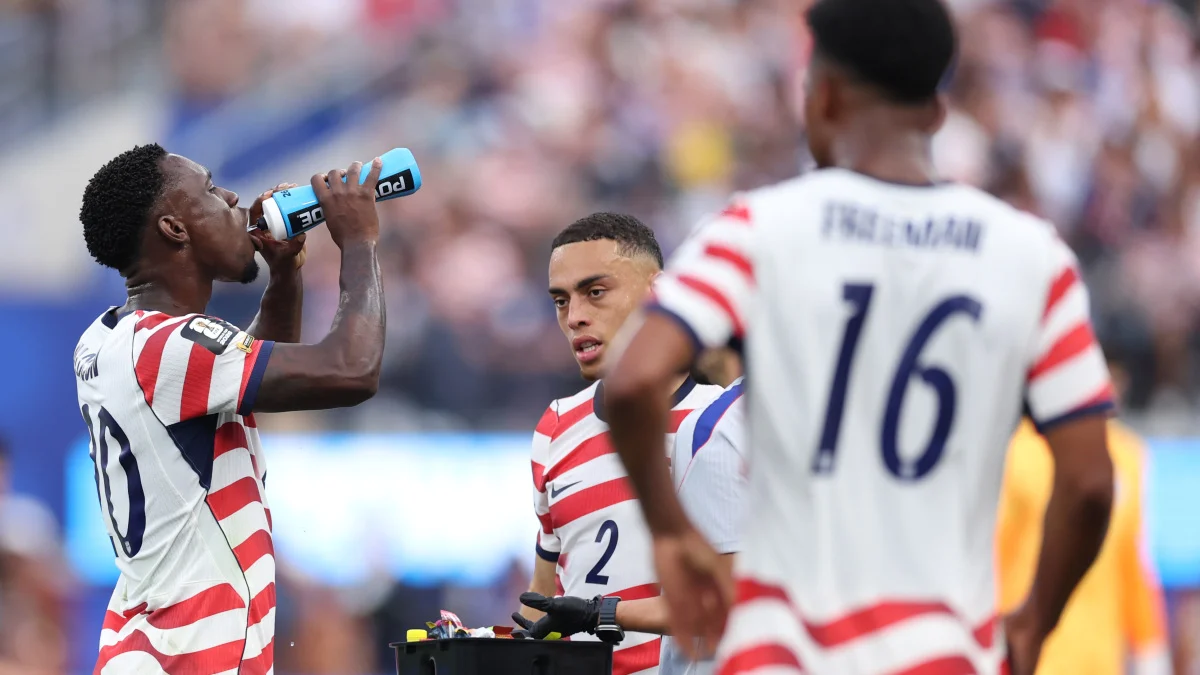
One of the biggest arguments at the 2026 World Cup isn't about football — it's about water.Since the tournament began on June 11, every match has included mandatory 3-minute hydration breaks midway through each half. Referees stop play at a point of their choosing, players head to the sidelines, and in the U.S. some broadcasters cut to — you guessed it — commercials.
Those 3 minutes are worth real money. FIFA's broadcast rules give networks roughly two minutes and ten seconds of sellable airtime per half — enough for as many as 832 commercial slots across the tournament's 104 matches.
You May Also Like
This inventory didn't exist at any previous World Cup. FIFA approved the monetization of breaks this past March. That is a real change for a sport usually defined by its flow, not its ad breaks. Built-in pauses of this length seem much closer to the stop-start rhythm of American sports than that of traditional association football (a.k.a. soccer).FIFA introduced the hydration break in 2025 as a player safety measure for a summer tournament across the United States, Mexico, and Canada, where heat and humidity are often major concerns. But because the breaks apply to every match, regardless of how warm it is, the weather, or whether a stadium has a roof or air conditioning, they have quickly become one of the tournament’s biggest talking points among players, coaches, and fans.Complaints began right from the start of the finals. During the opening match between Mexico and South Africa, Fox aired full-screen commercials during the hydration breaks and returned late from one of them, causing viewers to miss the restart. Social media has been full of anger at the hiatuses. On X, comedian Kevin Fredericks called the hydration break "pure capitalism." Musician Lloyd Cole said U.S. television had "finally got their 4 quarters," Former Daily Show host Trevor Noah judged the rule to be simply about "ad breaks."