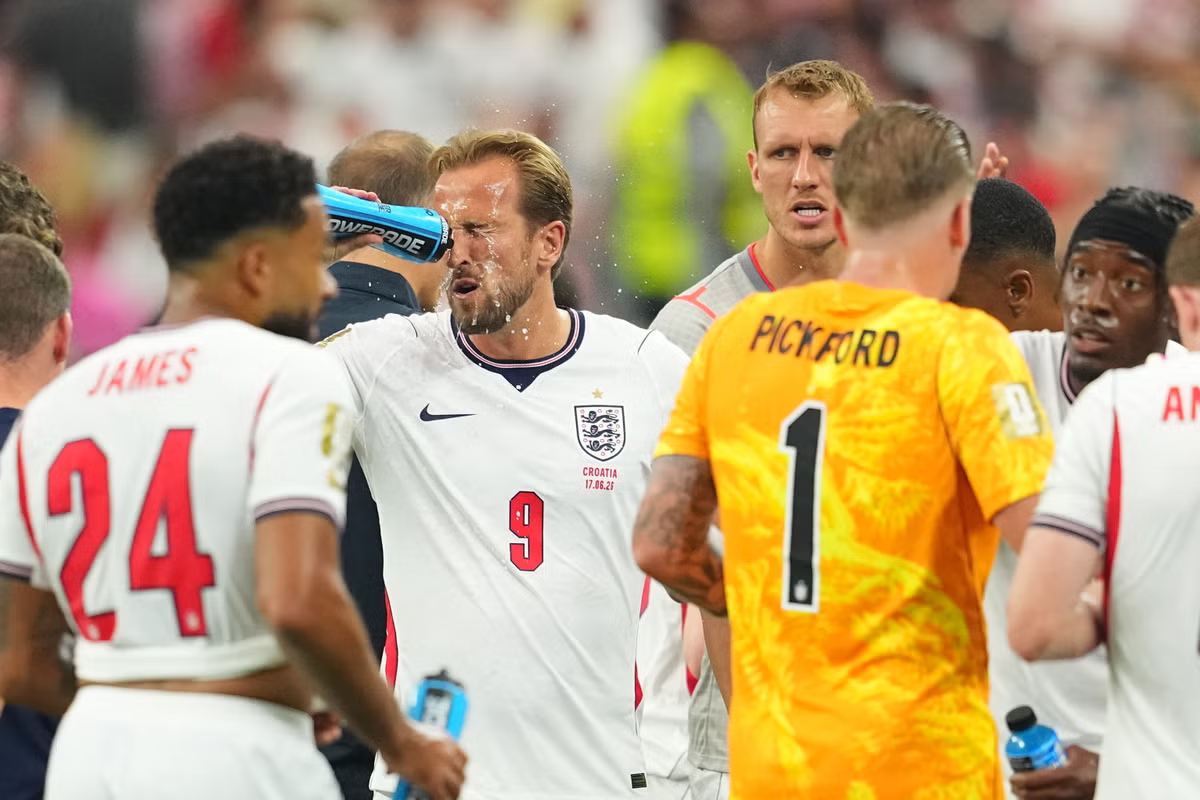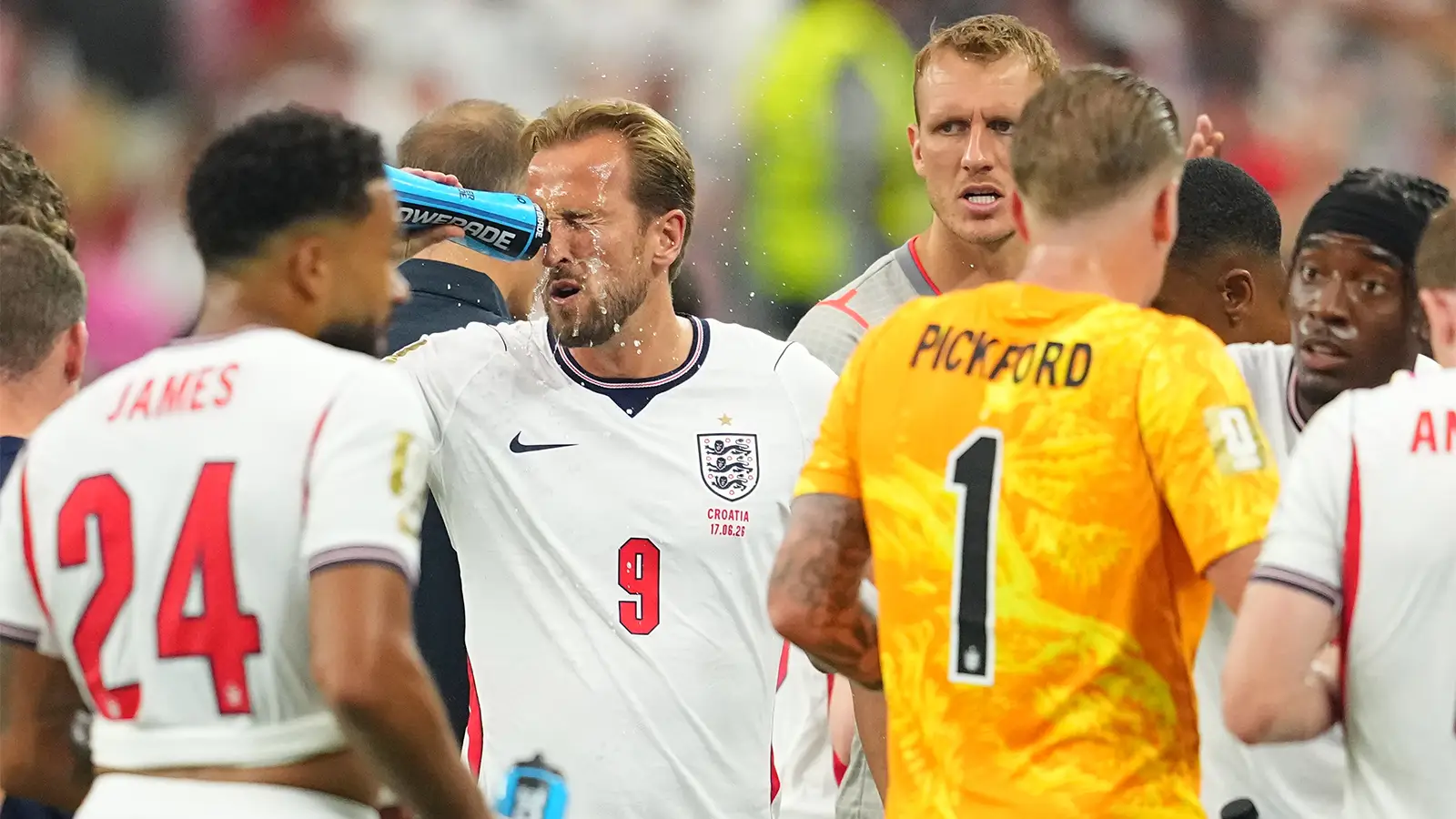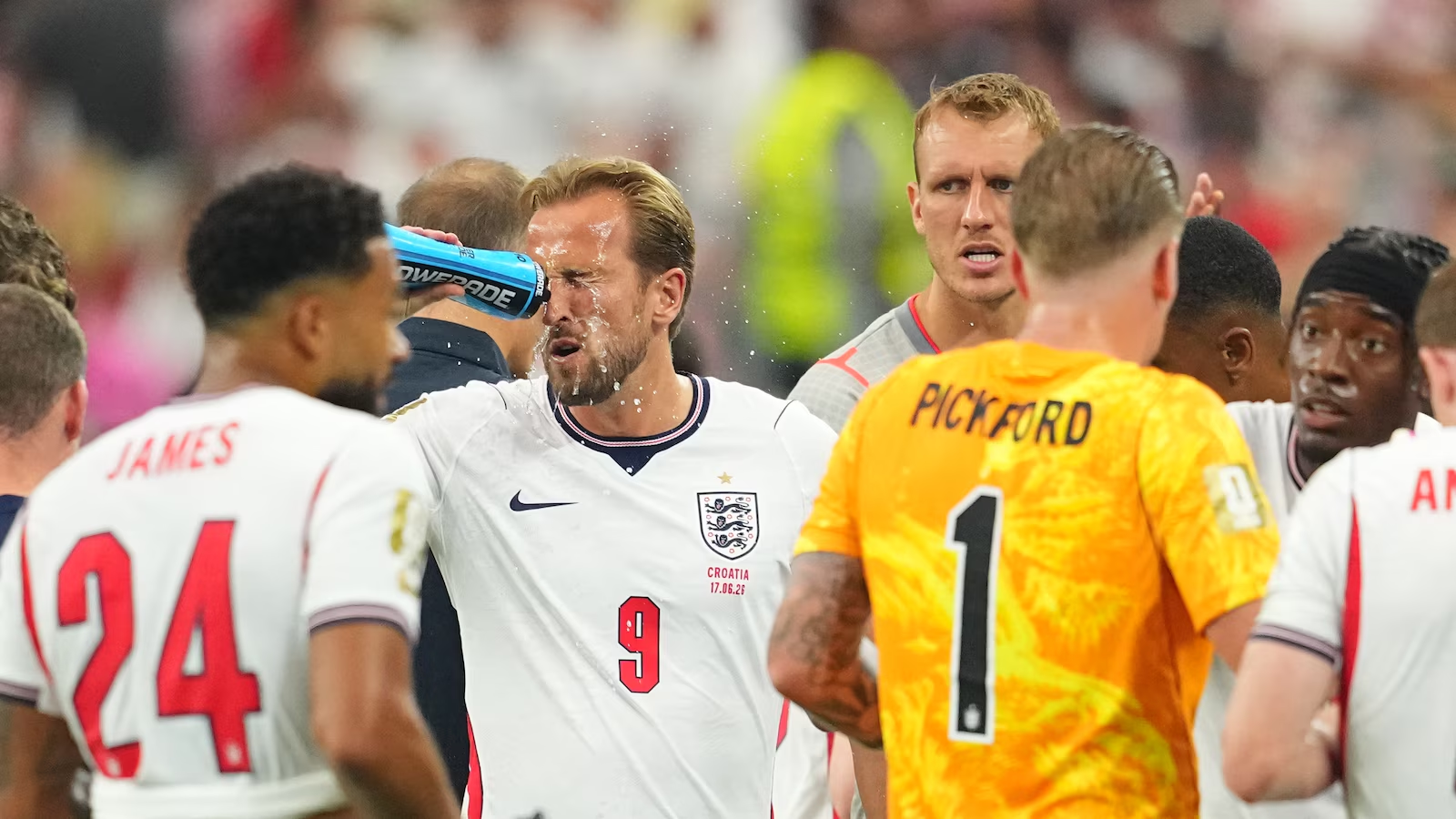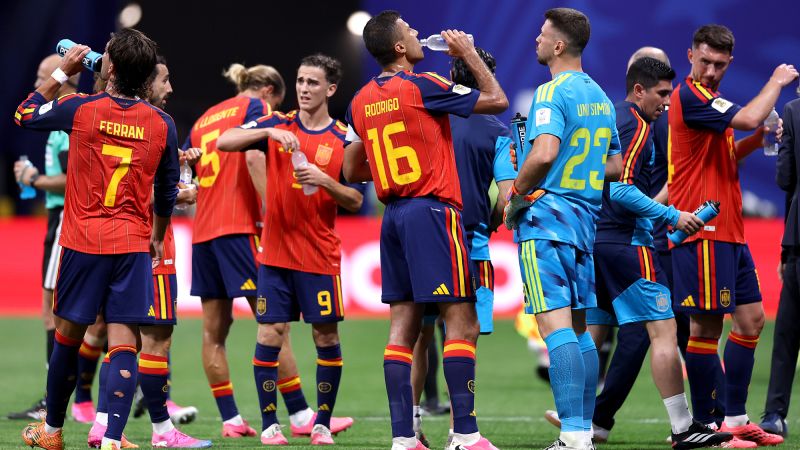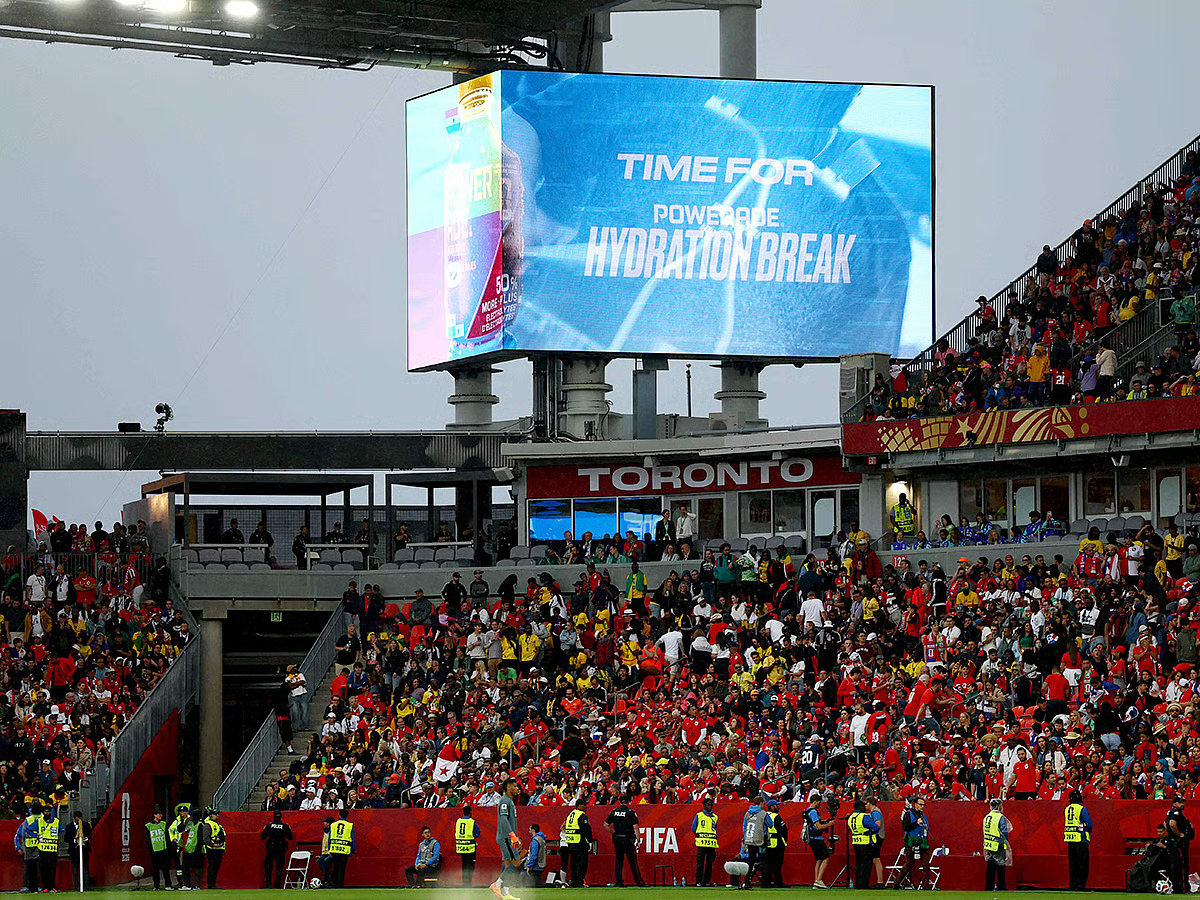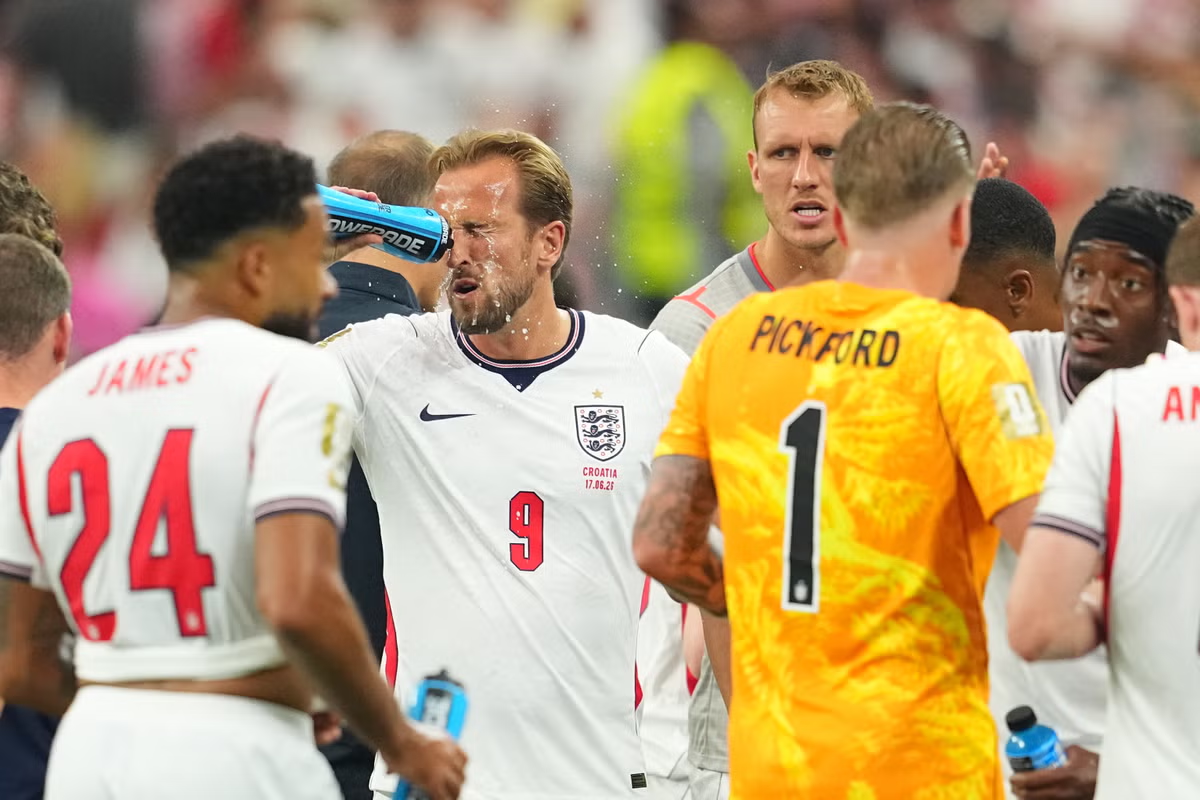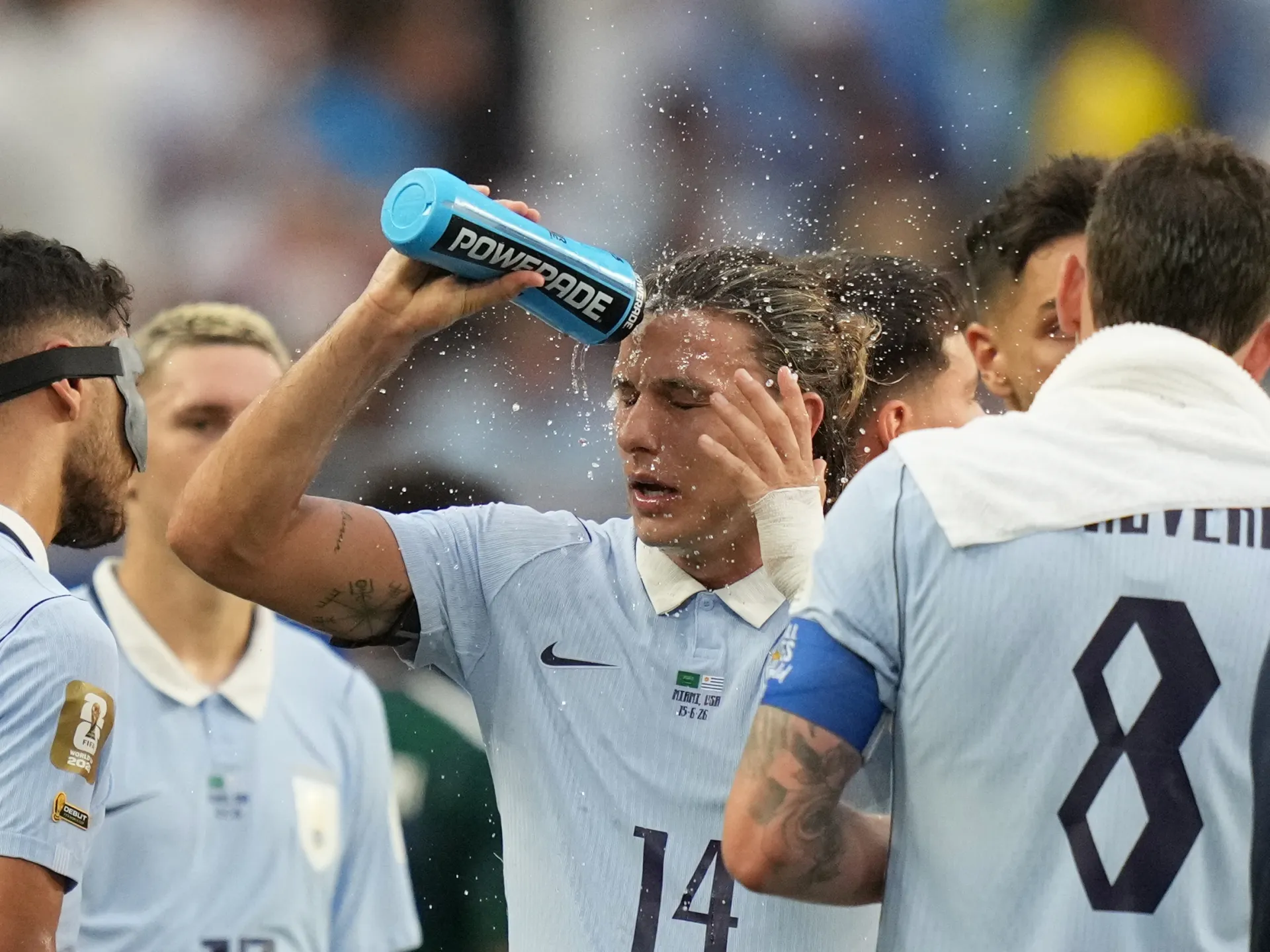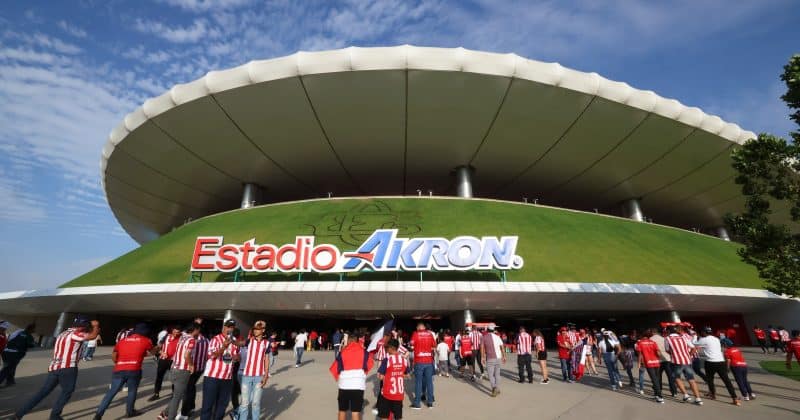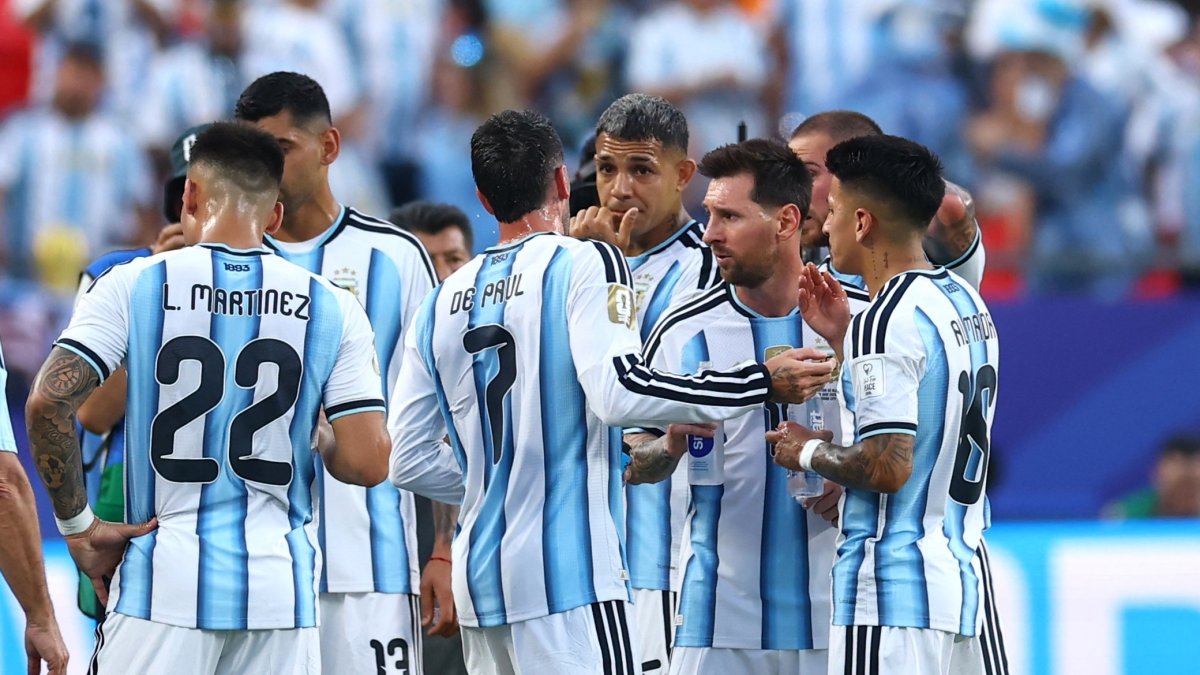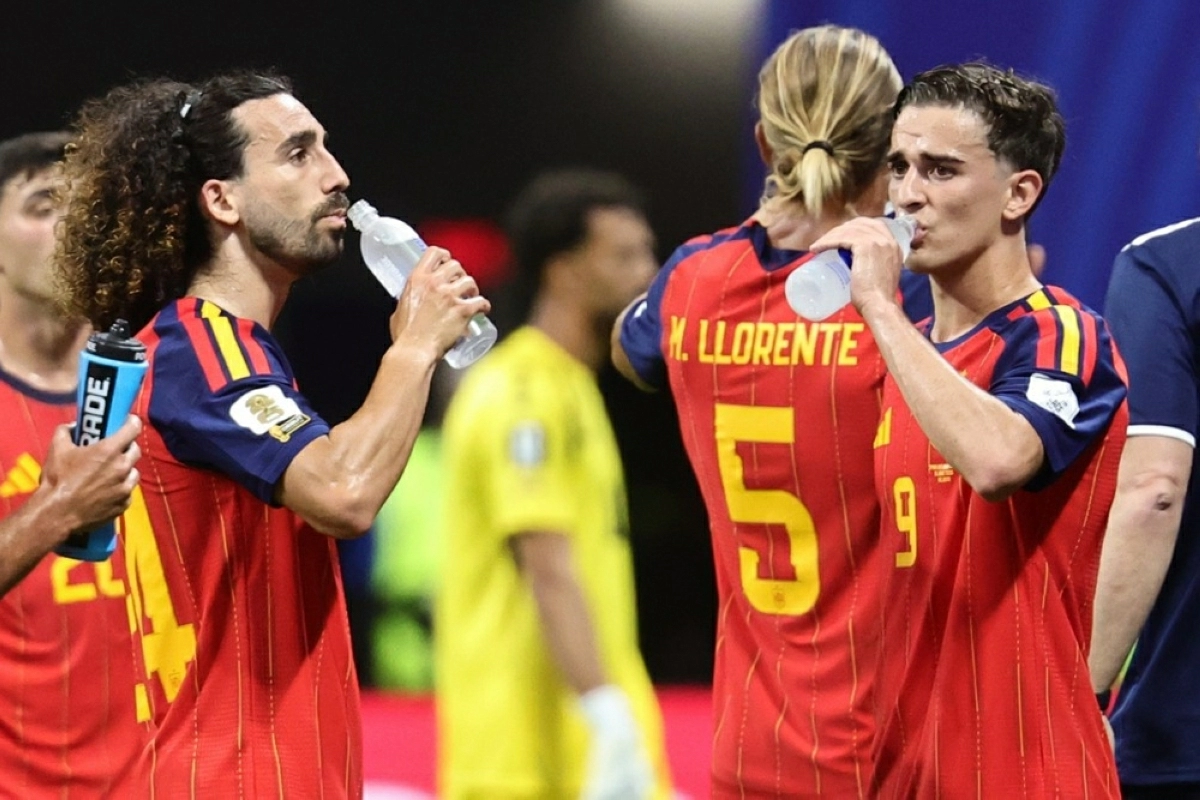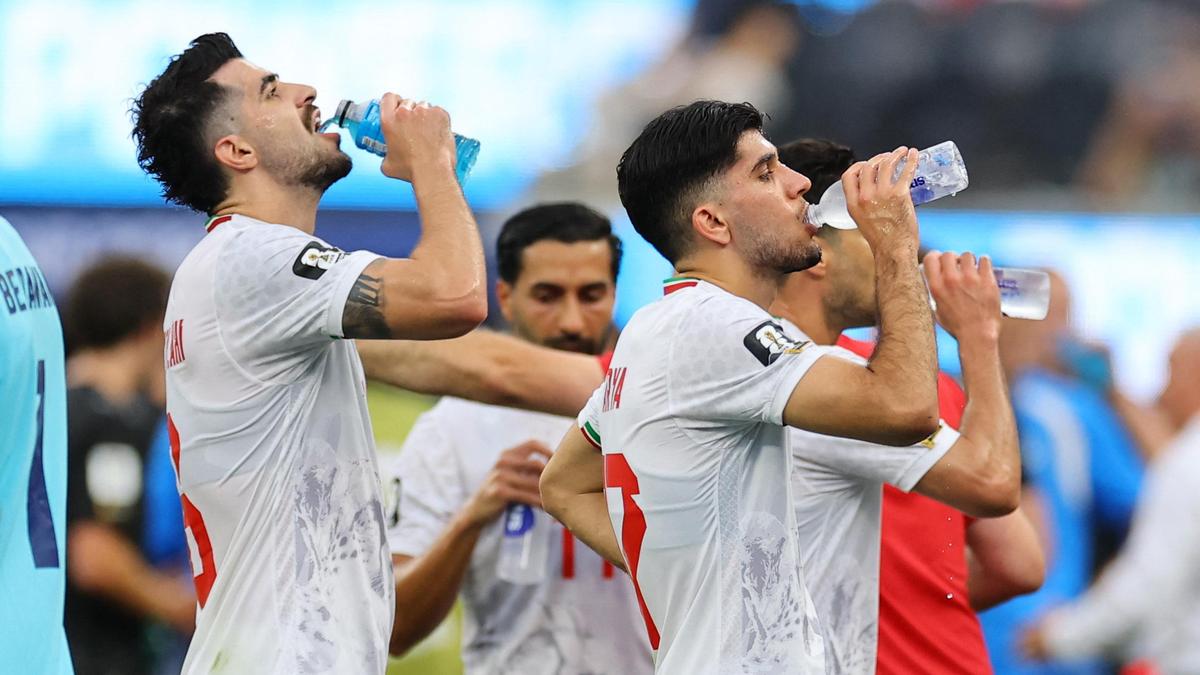
Ahead of the 2026 FIFA World Cup, climate scientists warned that this edition of the tournament could be among the hottest on record, given the heat and humidity of summer in the United States and Mexico. A group of scientists wrote to FIFA demanding longer breaks for players and “aggressive” locker-room cooling, predicting that more than a quarter of the 104 matches would be played in conditions risking heat stress.Among the measures FIFA introduced in response was a mandatory three-minute ‘hydration break’ midway through each half of every game. “In a streamlined and simplified version of the breaks used at some previous tournaments, the referee will stop the game 22 minutes into each half to allow players to rehydrate,” the governing body said. “There will be no weather or temperature condition in place, with the breaks being called by the referee in all games, to ensure equal conditions for all teams, in all matches.”It seemed a sensible precaution. What FIFA did not anticipate was the backlash.Drinks breaks are not, in themselves, alien to football. Major competitions played in summer have long allowed referees to call for them depending on conditions. What has rankled this time is their mandatory nature applied uniformly regardless of temperature, stadium or circumstance.
How FIFA’s ‘hydration breaks’ became football’s most convenient commercial break
Explore how FIFA's hydration breaks have sparked controversy, blending player welfare with commercial interests in modern football.
990 words~5 min read