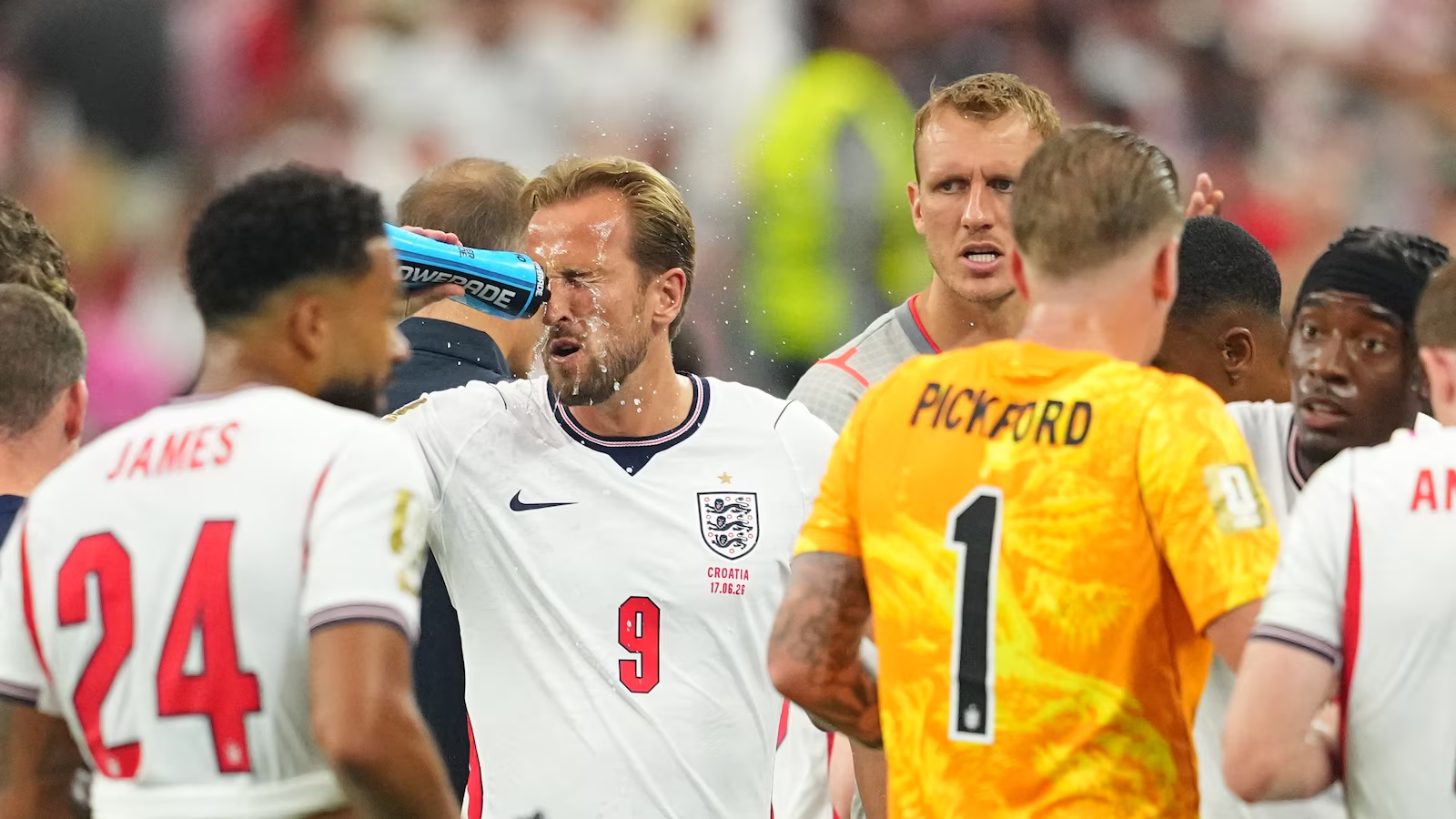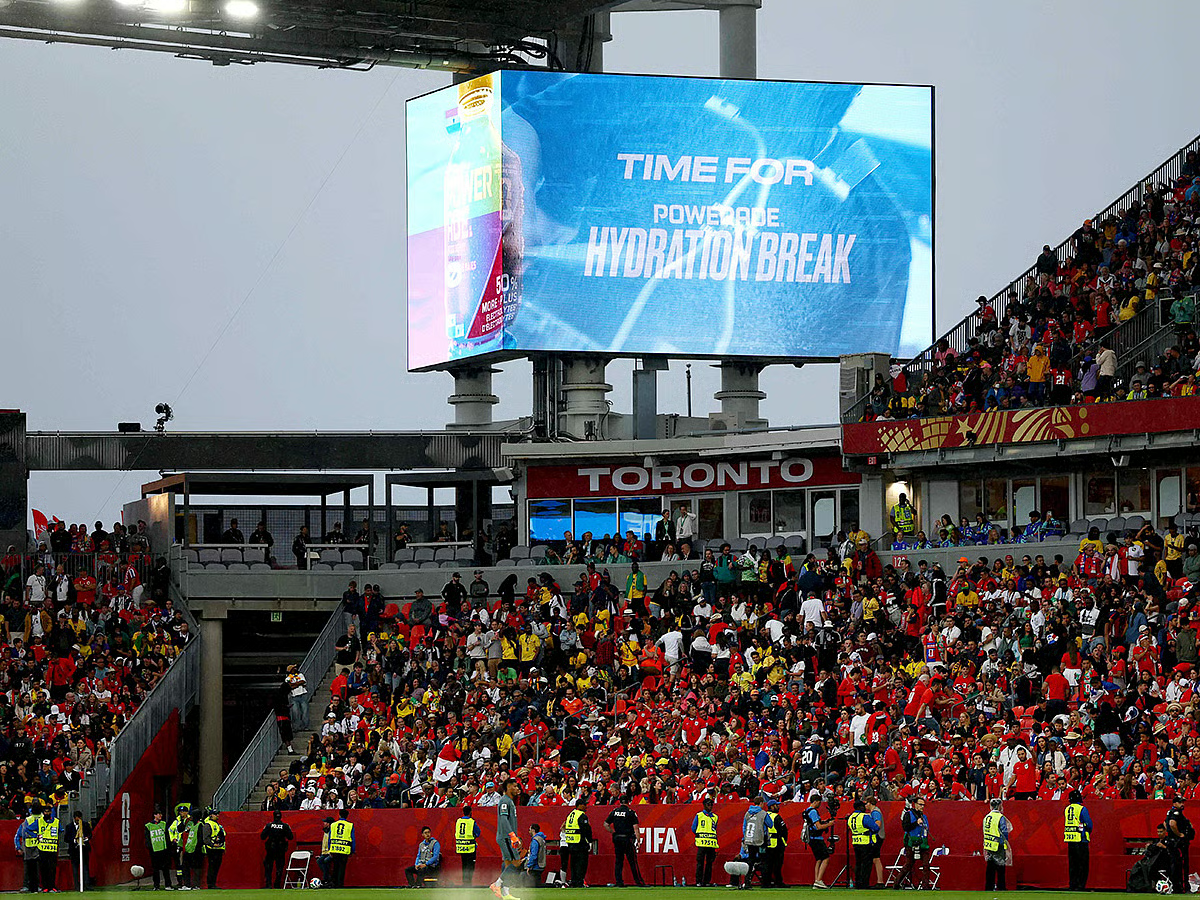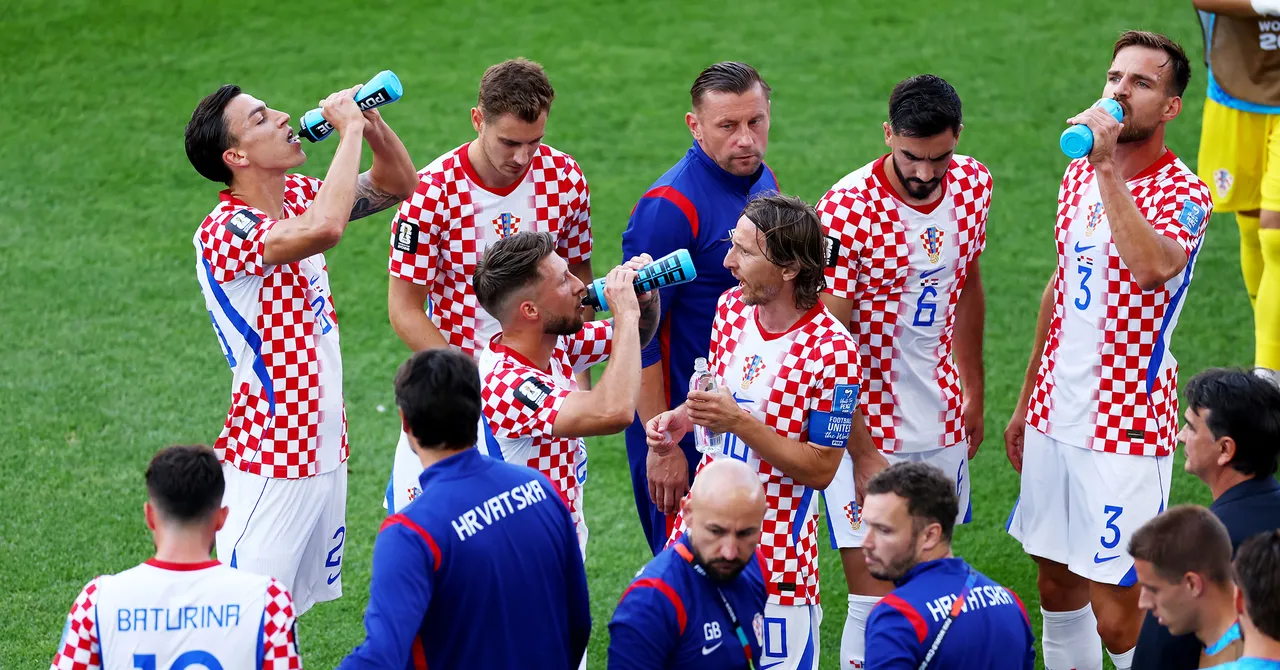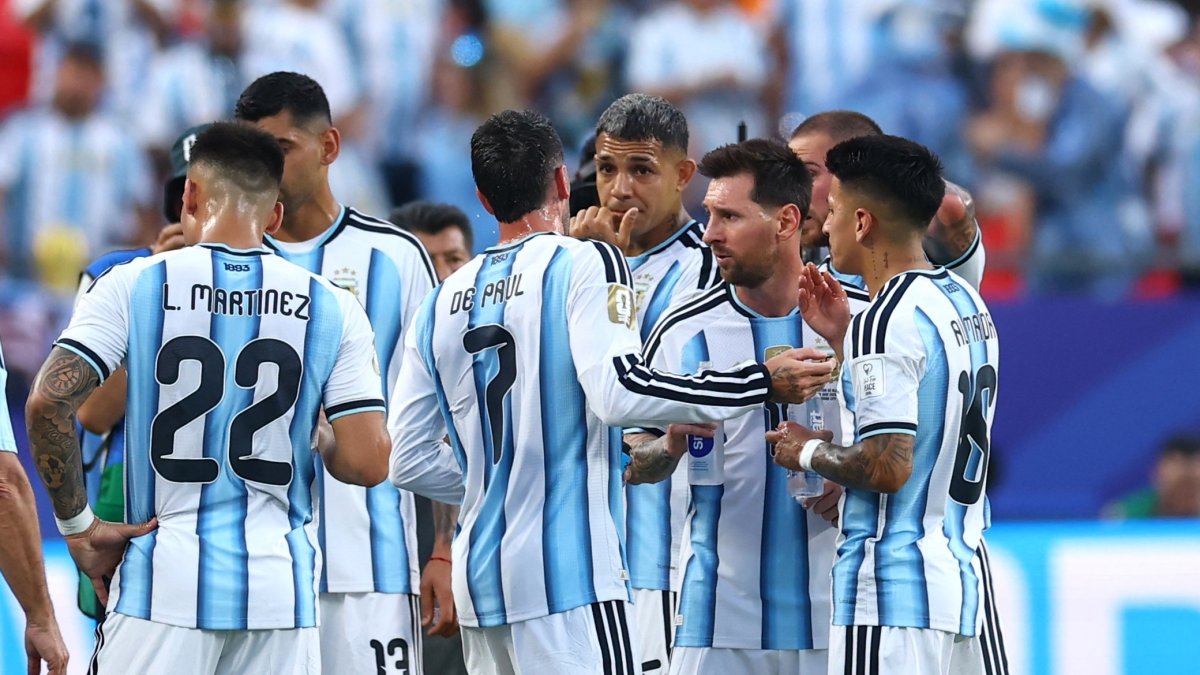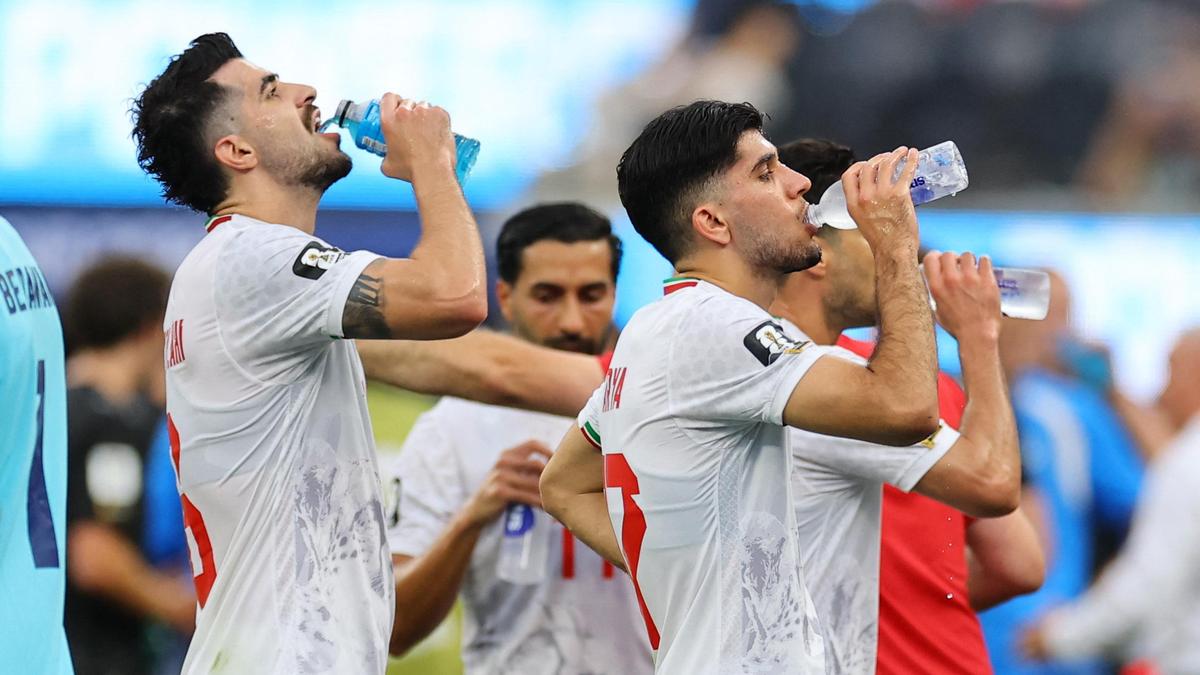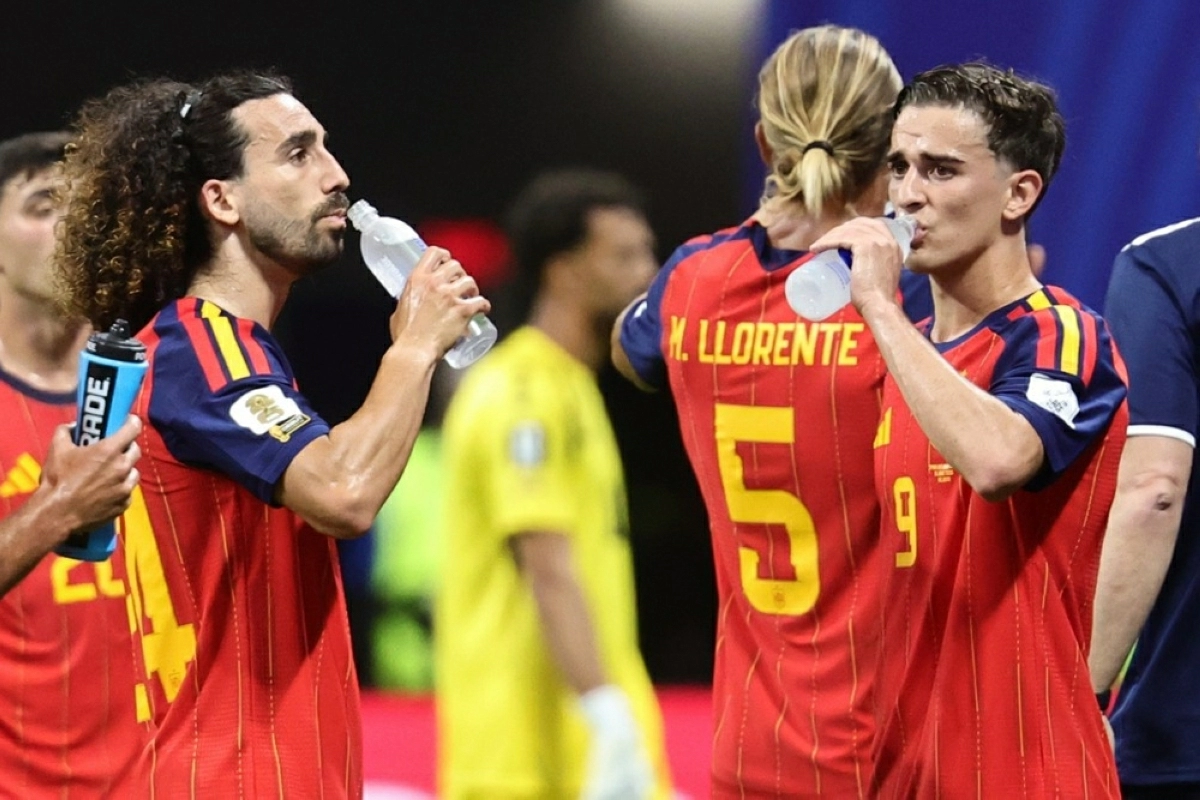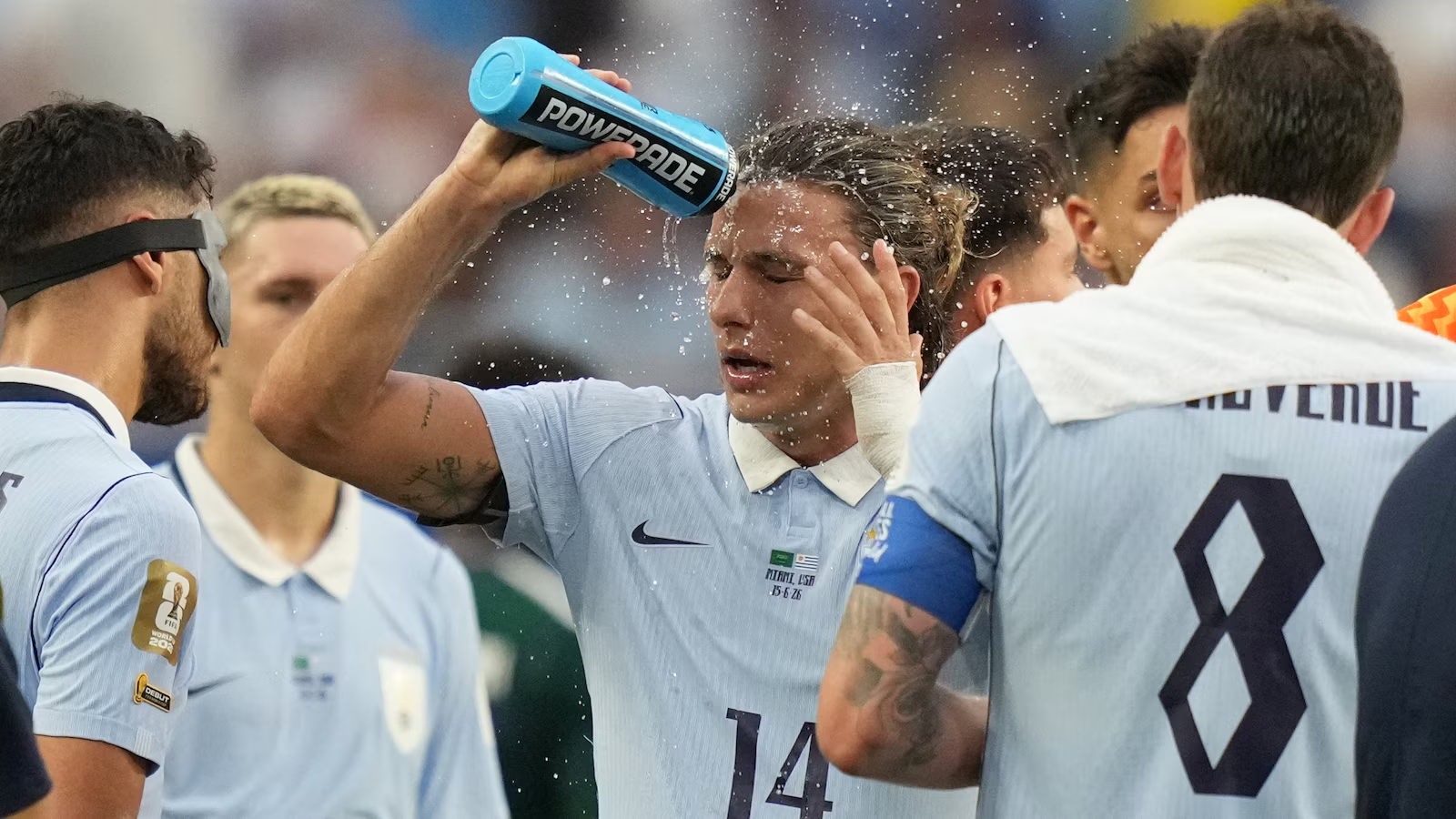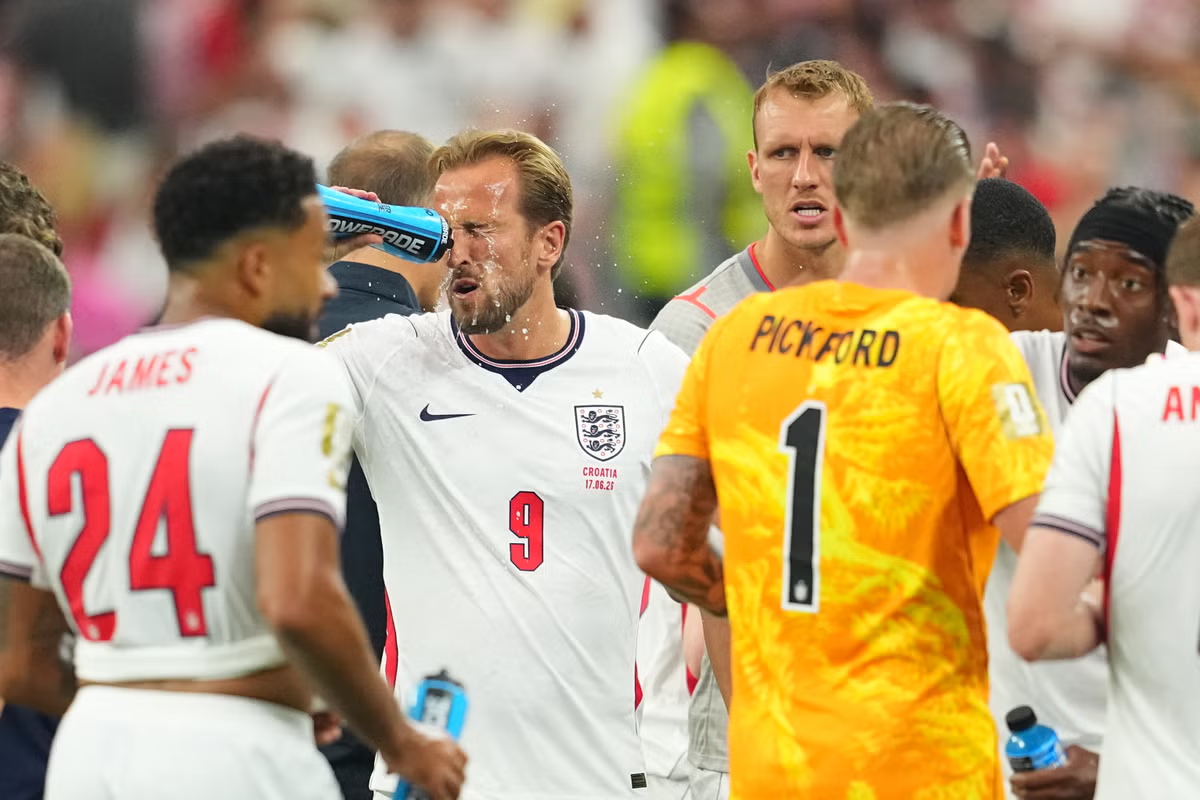
For the first time in World Cup history, FIFA has mandated hydration breaks for all soccer players, a move aimed at safeguarding them from the dangers of extreme heat. With this summer's tournament, co-hosted by the U.S., Mexico, and Canada, anticipated to be one of the hottest on record, player welfare concerns are paramount.In response, FIFA implemented three-minute hydration breaks midway through each half, irrespective of the ambient temperature. However, the new regulation has drawn criticism from two distinct camps. Some experts argue the breaks disrupt the game's natural flow and offer coaches an opportunity to strategically alter momentum. Conversely, some scientists contend that the three-minute duration is insufficient to provide meaningful cooling or rehydration under scorching conditions.Some experts argue the breaks disrupt the game's natural flow and offer coaches an opportunity to strategically alter momentum (Getty Images)Joshua L. DeVincenzo, assistant director of applied research services at Columbia University’s National Center for Disaster Preparedness, defended the initiative, stating: "When we look at the three minute hydration breaks, we're really looking at this as a way to mitigate anything that could potentially lead to an incident or an emergency." The new rule underscores the ongoing challenge of balancing player safety with the integrity and demands of elite-level competition. FIFA's mandatory breaks, regardless of temperatures This World Cup marks the introduction of mandatory three-minute cooling breaks, implemented midway through each half. These pauses are required irrespective of ambient temperatures, stadium enclosure, or air conditioning. Football's governing body stated the measure aims to "ensure equal conditions for all teams, in all matches." The decision draws on lessons from previous tournaments, such as last summer’s FIFA Club World Cup in the U.S., where temperatures frequently exceeded 90 degrees Fahrenheit (mid-30s Celsius). While some coaches acknowledge the breaks’ value in extreme heat, they have questioned their universal necessity across all matches.Football's governing body stated the measure aims to "ensure equal conditions for all teams, in all matches" (Getty Images)Even highly-trained, elite athletes can get heat stress Athletes pushing their physical limits in hot and humid environments face a significant risk: exertional heat illness. This serious condition arises when the body's core temperature escalates dangerously, placing immense strain on vital systems including the heart, nerves, muscles, and central nervous system. Common indicators range from muscle cramps and extreme fatigue to impaired performance, headaches, irritability, nausea, dizziness, and dehydration.When an athlete's internal body temperature surpasses 105 F (40.5 C), the consequences can be severe, leading to confusion, aggression, or even loss of consciousness. Yuri Hosokawa, an associate professor at Japan’s Waseda University’s Faculty of Sport Sciences, highlighted these as "all of which are characteristic signs of exertional heat stroke and require immediate medical attention." Hosokawa recently co-signed a letter to FIFA in May, advocating for stricter heat guidelines to ensure player safety, specifically recommending cooling breaks of at least six minutes. Tragically, exertional heat stroke during athletic competition is among the leading causes of death for athletes.Dehydration further compounds this danger. Athletes can lose between 1 to 2 liters (50 to 67 ounces) of sweat per hour in hot conditions, often failing to replenish fluids at the same rate. Even a modest 2% loss of body weight due to dehydration can significantly hinder physical performance.Ryan Calsbeek, a professor of biological sciences at Dartmouth College, explained that while the human body generally performs better when warmer, there's a critical point where this advantage not only ceases but performance rapidly declines. "Your body starts to really fall apart, you lose the ability to cool off fast enough," he stated. "And the physiological mechanisms just break down." This critical threshold is typically reached when the wet bulb globe temperature – a measure incorporating temperature, humidity, cloud cover, and wind – exceeds approximately 95 F (35 C), though individual heat tolerance varies.The mental fog induced by extreme heat can also compromise an athlete's ability to make crucial strategic decisions during a match (Getty Images)The mental fog induced by extreme heat can also compromise an athlete's ability to make crucial strategic decisions during a match, Calsbeek noted. He emphasized the fine margins in elite sports: "It’s these marginal differences in performance that I think can determine the outcome of a match. If you have individuals that do better in extreme conditions, whether it’s extreme heat or high altitude or whatever the case may be, those small differences could play a critical, pivotal role in determining the outcome." Hydration breaks should be longer, some experts say Mandatory three-minute hydration breaks protect players and referees from extreme heat illness, maintaining performance by allowing cooling and rehydration. Their effectiveness hinges on aggressive methods. Douglas Casa of the Korey Stringer Institute noted applying wet, cold towels to exposed body parts reduces temperature by 0.22 F (0.12 C) per minute.Casa added, "Some people can tolerate a little more fluids comfortably and then do intense exercise. Some people can’t because it sloshes around in their stomach and they don’t feel super comfortable, so they might not drink as much in such a short period of time."He stressed duration dictates impact, suggesting longer breaks: "that’s why we’re suggesting doing something like five or six minutes, because it just makes such a big impact when you’re dealing with a change of that magnitude."Bharat Venkat, UCLA Heat Lab director, highlighted varying individual recovery needs. "Depending on your body, you might need more or less time. But those kinds of breaks are crucial so that your body isn’t just being forced to keep trying to play catch up... to keep trying to cool you down without any kind of rest or a break," he stated.As the planet warms, mandating hydration breaks and adjusting sports' locations, timings, and formats are necessary. "No matter what sport you play, there’s going to be adjustments that have to be made in the face of climate change," Venkat concluded.
Experts say FIFA’s new World Cup hydration breaks may be too short
This summer's tournament, co-hosted by the U.S., Mexico, and Canada, is anticipated to be one of the hottest on record
972 words~4 min read