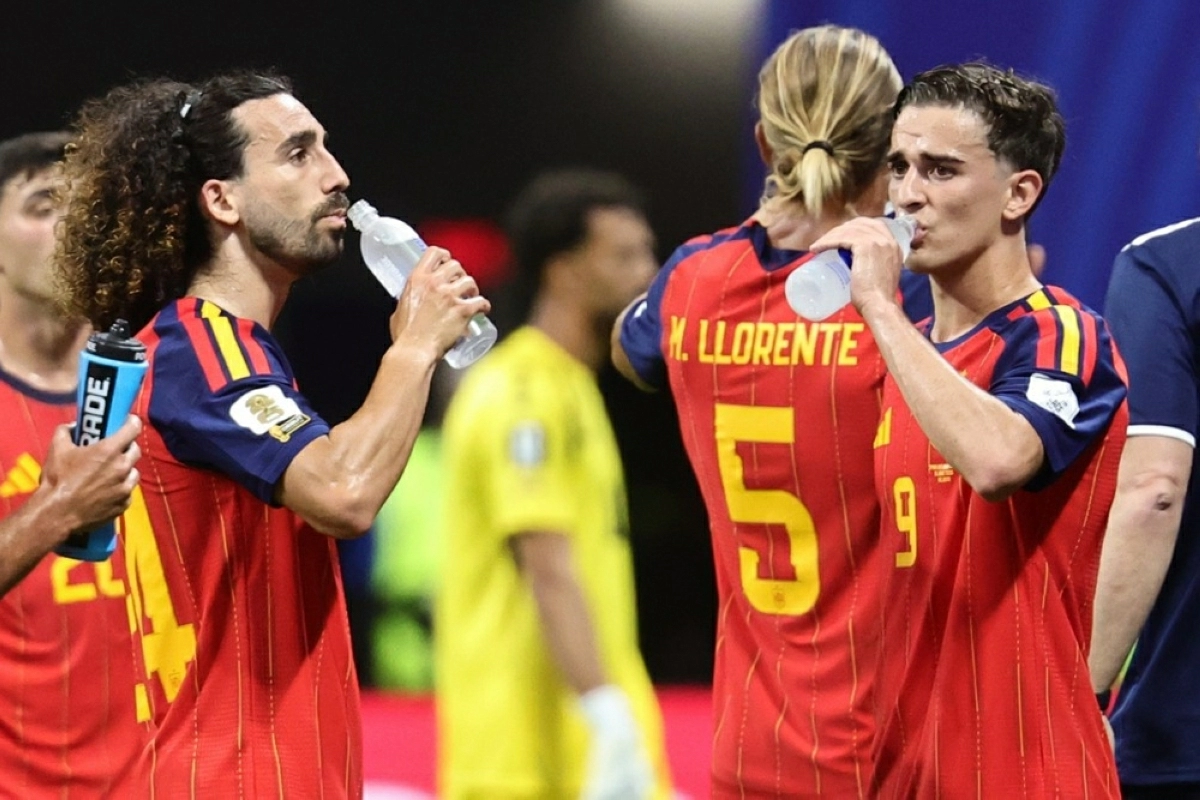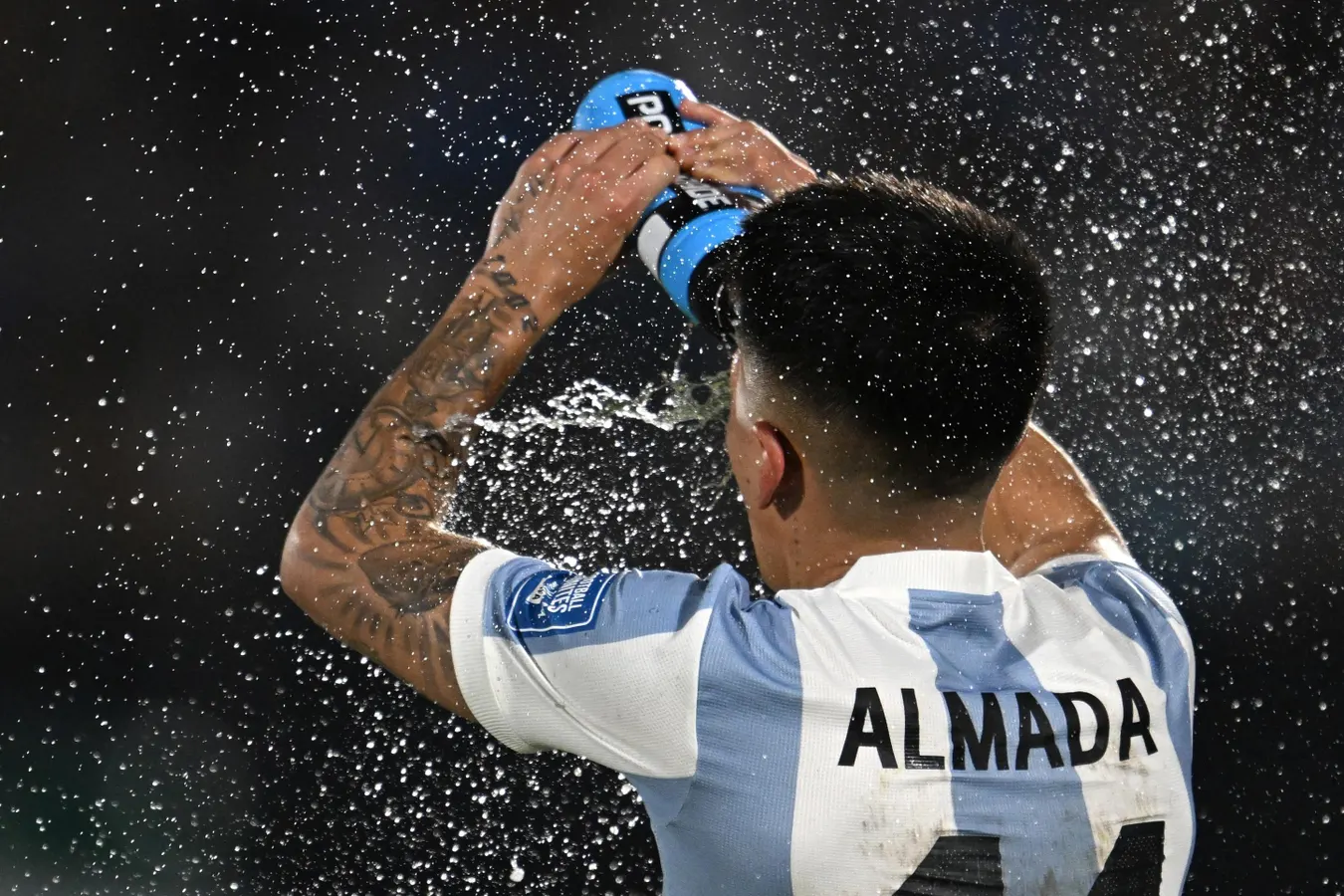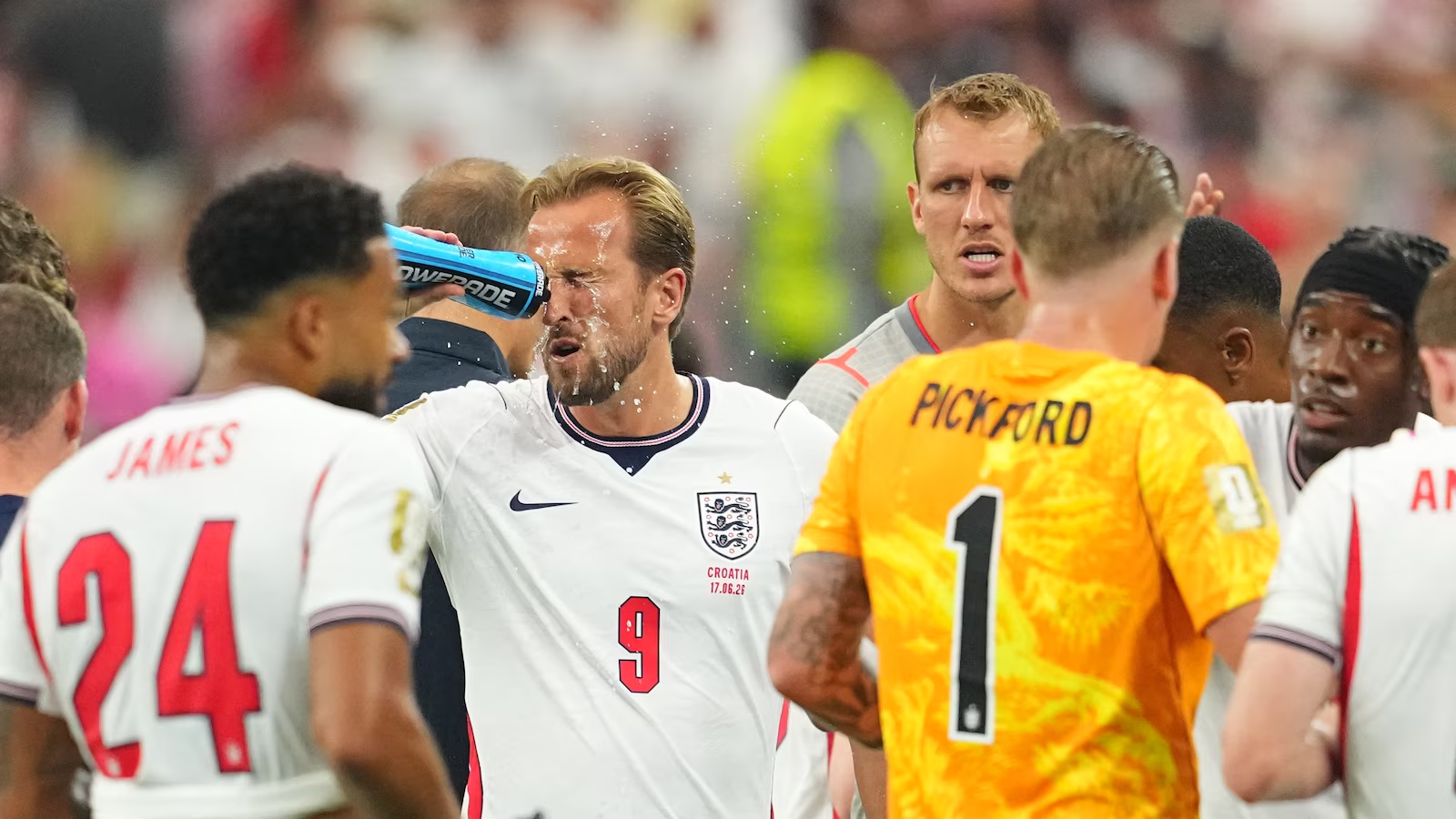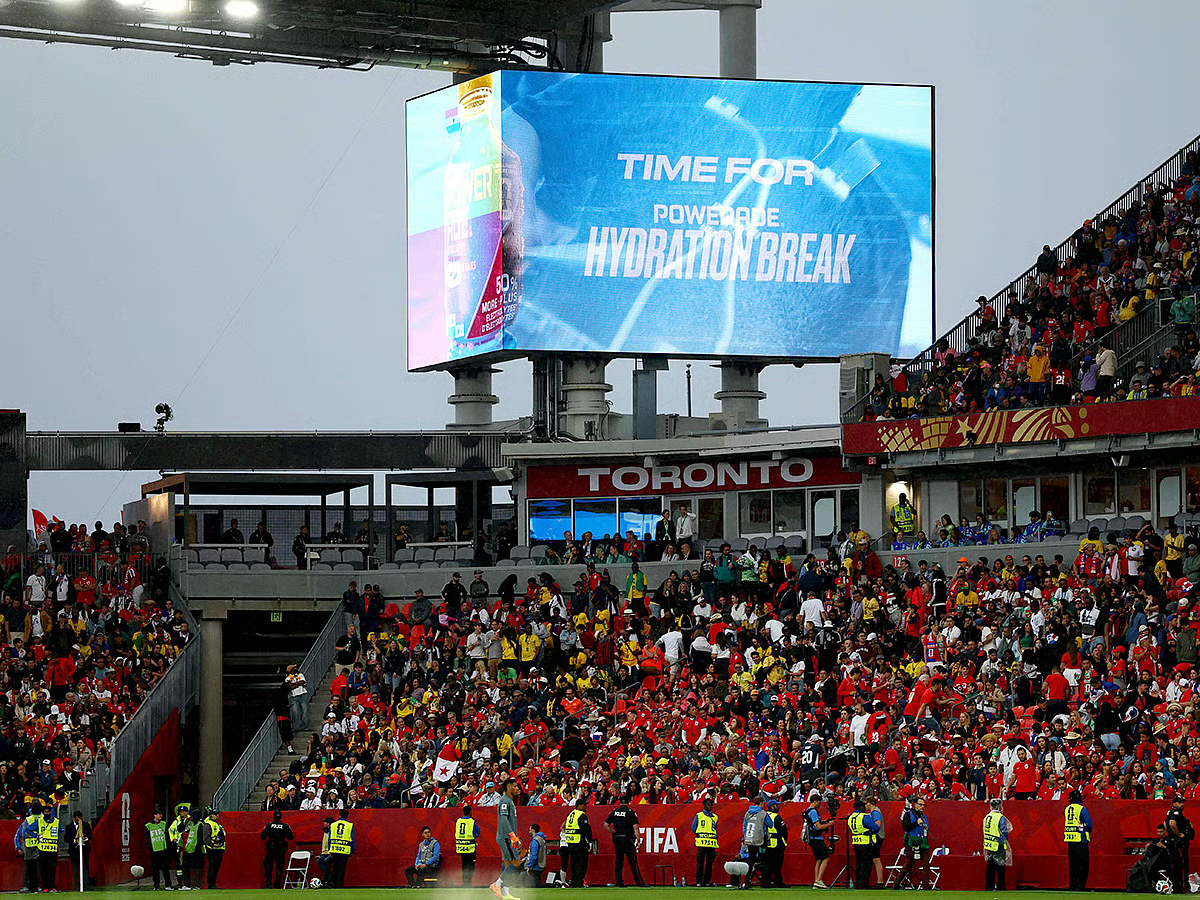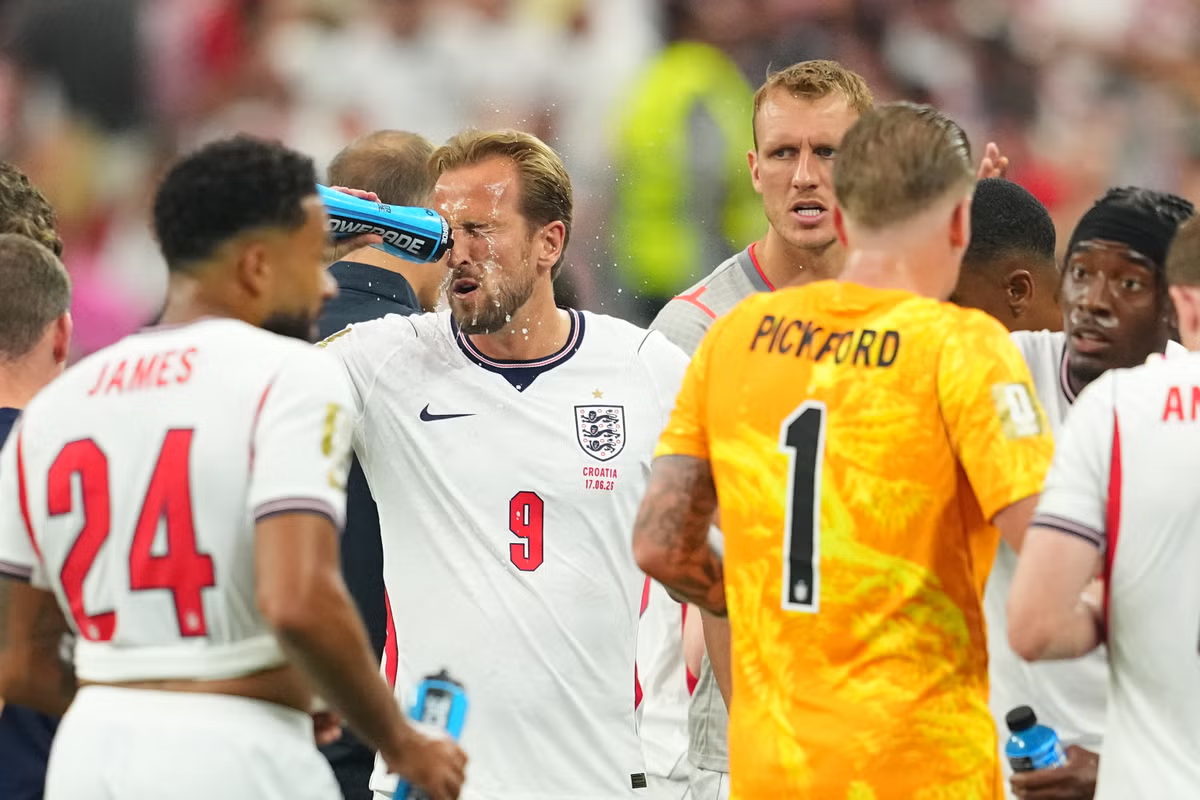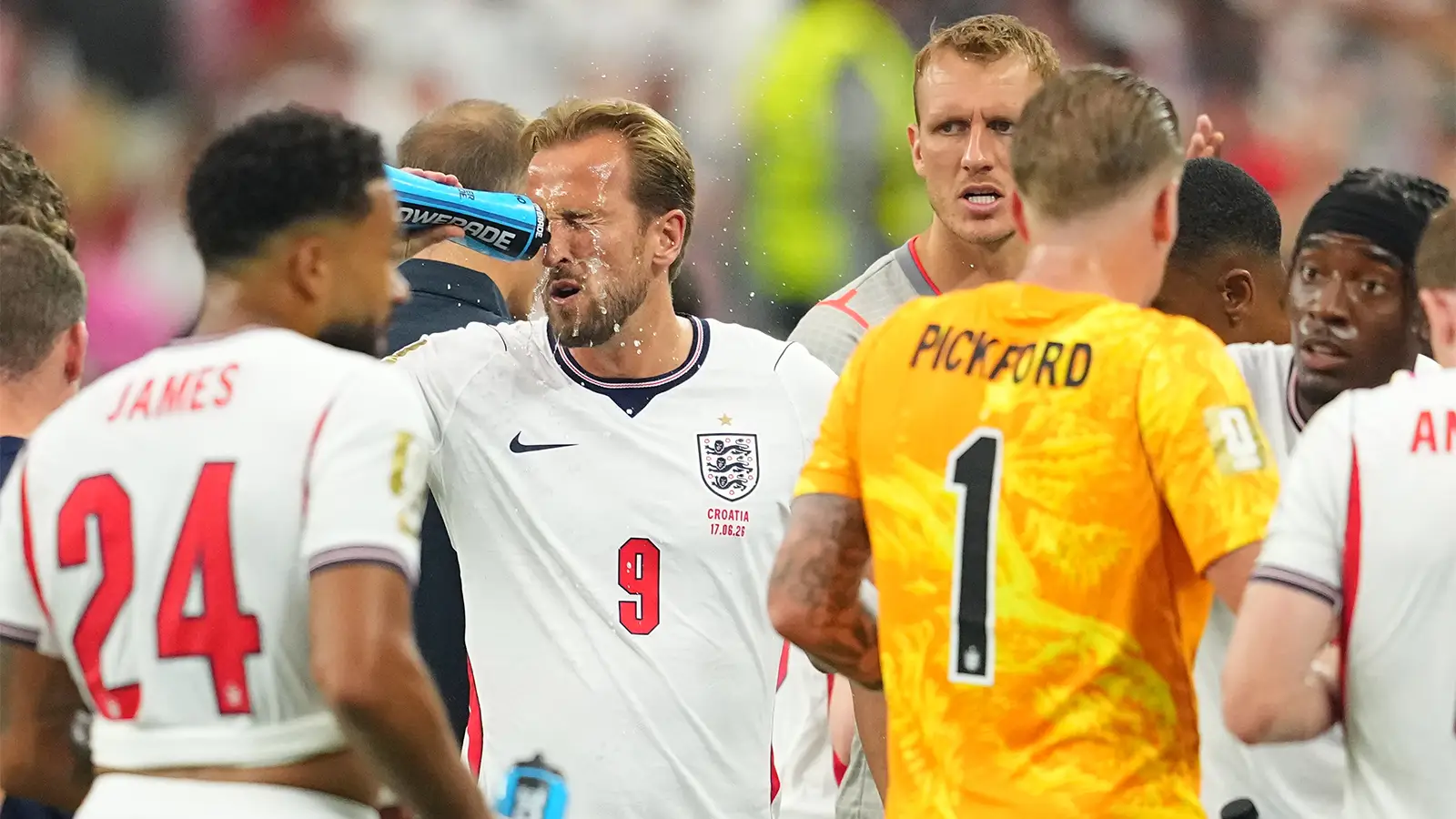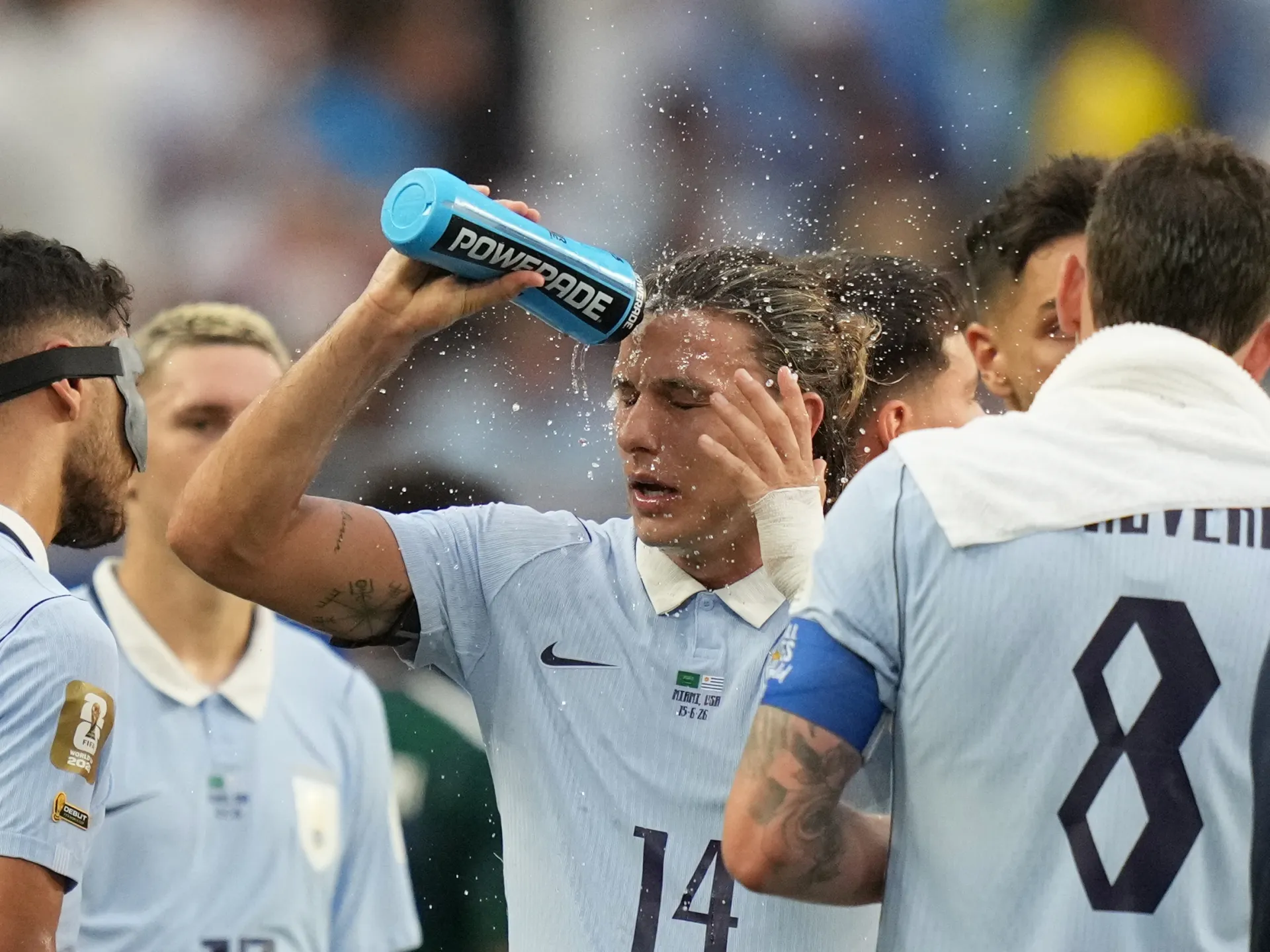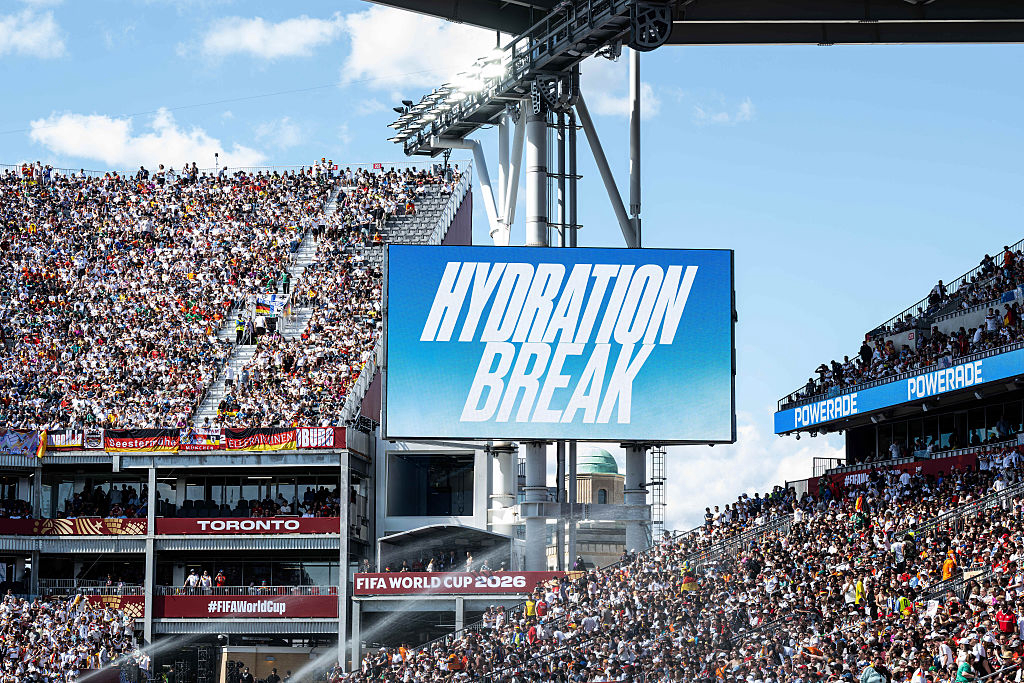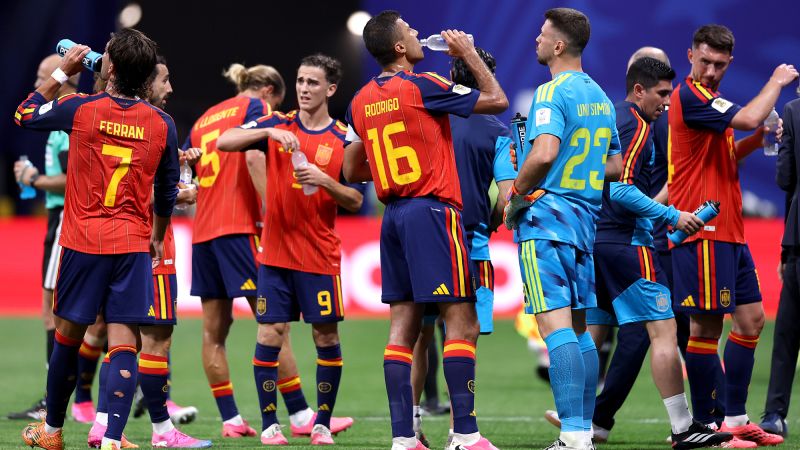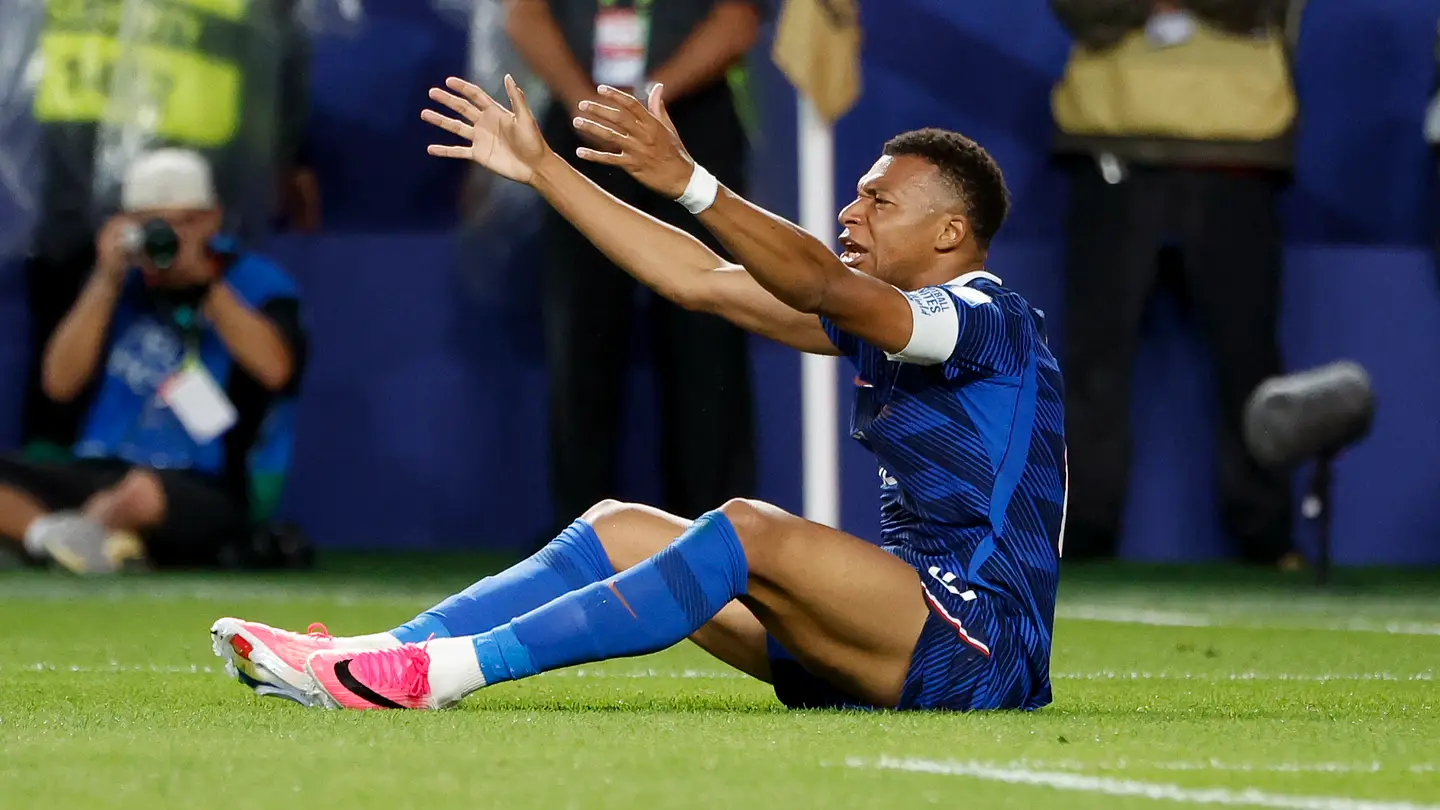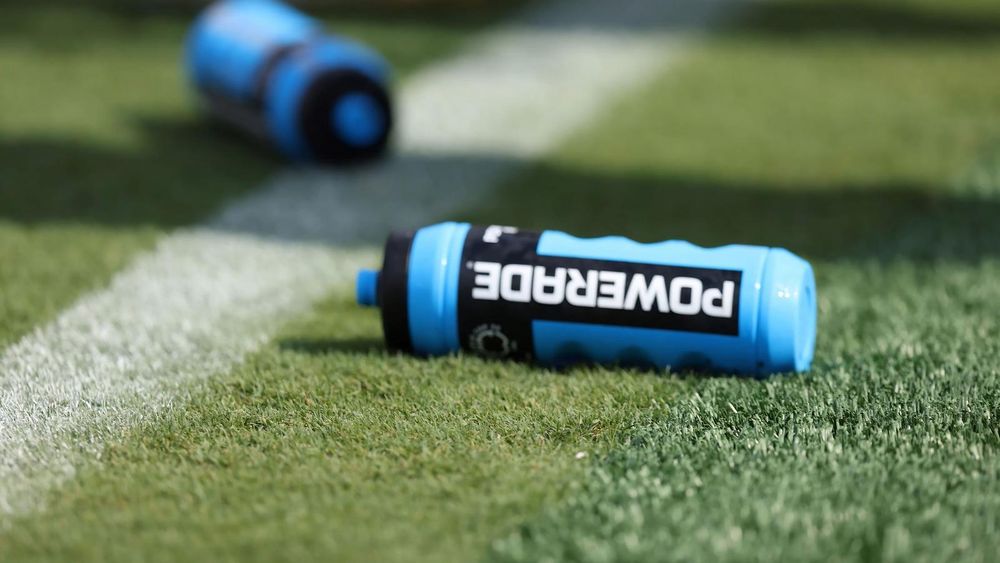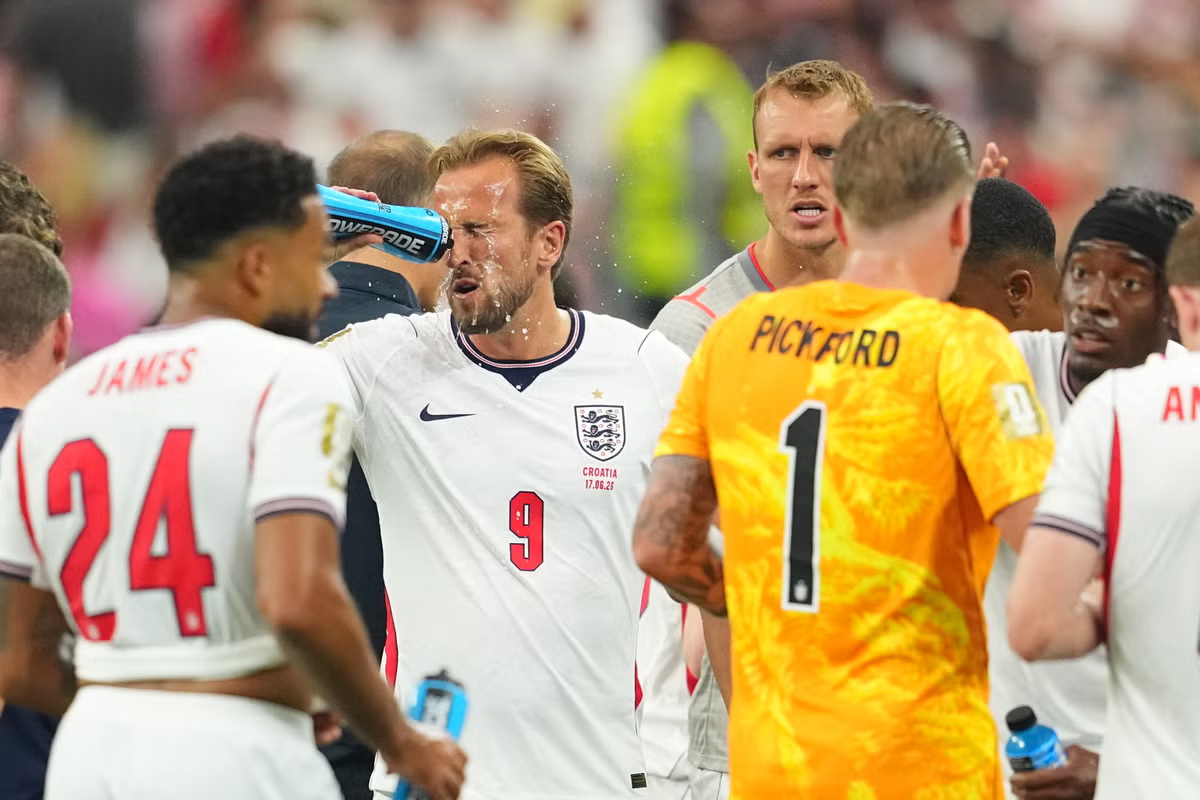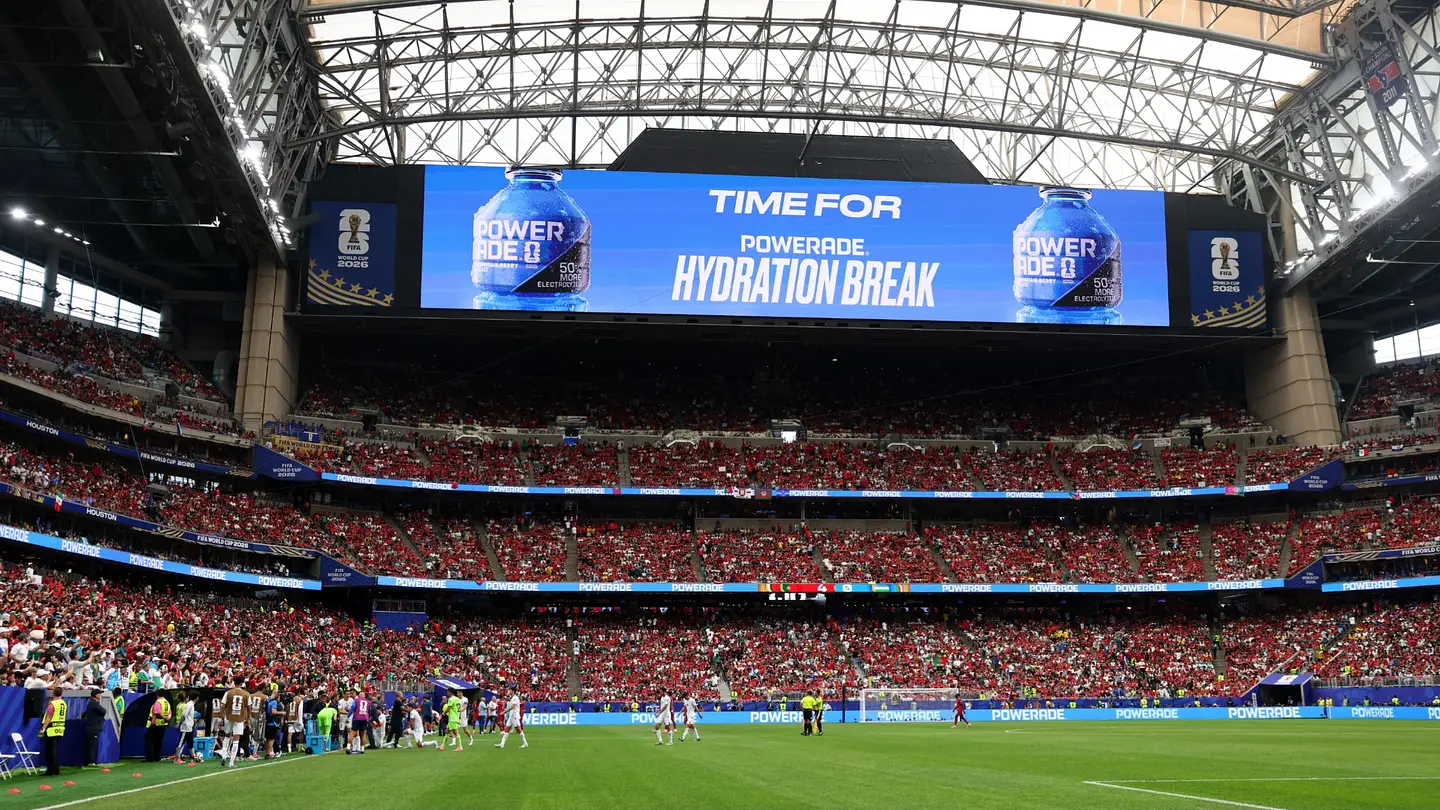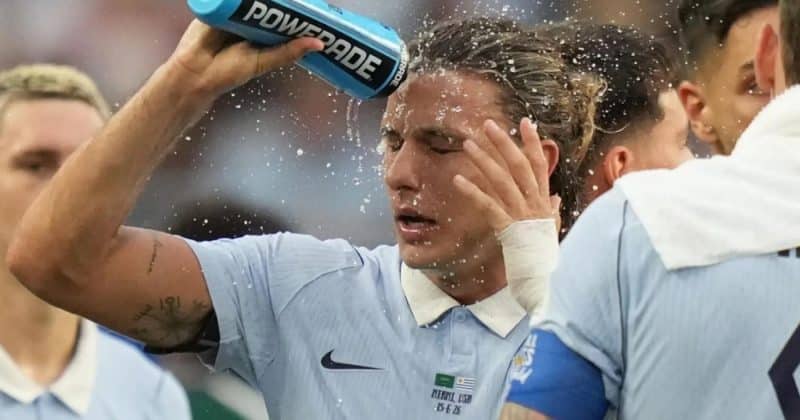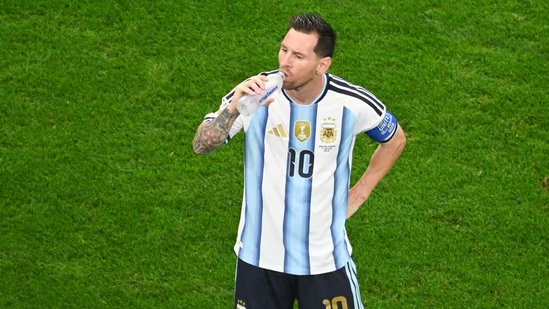
FIFA’s compulsory hydration breaks meant to protect players at the ongoing World Cup have become an unexpected talking points For the first time at the World Cup, FIFA has made hydration breaks compulsory across all matches, citing the dangerous heatwaves during last summer’s Club World Cup in the United States.Argentina's Lionel Messi drinks water during a hydration break of the World Cup Group J soccer match between Argentina and Austria in Arlington, Texas, near Dallas, Monday, June 22, 2026. (AP Photo/Jessica Tobias) (AP Photo/Jessica Tobias)What are hydration breaks?Each game now has two three-minute pauses, one around the 22nd minute of the first half and another around the same point in the second half. Players grab a cold towel, gulp down water, and the lost minutes are tacked onto the end of the half.The rule applies regardless of weather, venue or whether the stadium has a roof and/or is air-conditioned. The time is added back at the end of the half.FIFA claims this was born out of concern for player welfare following dangerous heatwaves during last summer’s Club World Cup in the United States.Soccer Football - FIFA World Cup 2026 - Group I - France v Iraq - Philadelphia Stadium, Philadelphia, Pennsylvania, U.S. - June 22, 2026 France's Kylian Mbappe takes a drink during a hydration break REUTERS/Siphiwe Sibeko (REUTERS)Players say it kills the momentumPlayers are split, but many feel the pause breaks football’s natural rhythm. French superstar Kylian Mbappé said, “Don’t ask us players for our opinion, we’re very reactionary. If tomorrow we’re dominating at the 25th minute, and there’s a hydration break, we’ll be angry, because it breaks our rhythm. But if the weather is hot, or we’re struggling, I’ll think it’s good.”Netherlands captain Virgil van Dijk was equally sceptical, questioning why matches aren’t being looked at separately: “Every time, going to commercial... I think for the neutral watchers on TV, it’s also not great,” he said.Belgium’s Youri Tielemans pointed out the absurdity of a one-size-fits-all rule, noting, “In some cities, it’s not that hot and maybe we shouldn’t do it.”Soccer Football - FIFA World Cup 2026 - Group J - Jordan v Algeria - San Francisco Bay Area Stadium, Santa Clara, California, U.S. - June 22, 2026 Algeria's Luca Zidane, Hicham Boudaoui and Rafik Belghali with teammates and coach Vladimir Petkovic during hydration break REUTERS/Luisa Gonzalez (REUTERS)Fans call it capitalisticFor the first time ever, FIFA has explicitly allowed TV networks to monetise these three minutes, giving them roughly 2 minutes and 10 seconds of sellable airtime per half.Broadcasters are allowed to cut away to commercials after the referee signals the pause.On social media and in stadiums, many fans have complained that the stoppages make football feel like a four-quarter sport, closer to American sports like NFL and NBA than the traditional two-half flow.Comedian Kevin Fredericks called the move” pure capitalism”, while TV host Trevor Noah dubbed them disguised commercial ad breaks.Coaches use it as an extra timeoutUnsurprisingly, coaches have found value in the pause. The three minutes give managers a rare chance to gather players, calm nerves and pass on tactical instructions without waiting for half-time.Mexico coach Javier Aguirre admitted his team treats it like an official timeout: “The players can come near you while drinking water and we can give them instructions. We take advantage to try to correct something.”France coach Didier Deschamps put it bluntly: “It’s four quarter times we’ve got, basically.” For managers, the hydration breaks are becoming an unofficial timeout.Sanchita Kalra writes on events, weddings, pop-culture, health, food, and travel for the Daily Entertainment and Lifestyle for supplement, HT City.
Why hydration breaks are causing a stir at FIFA World Cup 2026
FIFA’s compulsory hydration breaks meant to protect players at the ongoing World Cup have become an unexpected talking points
596 words~3 min read