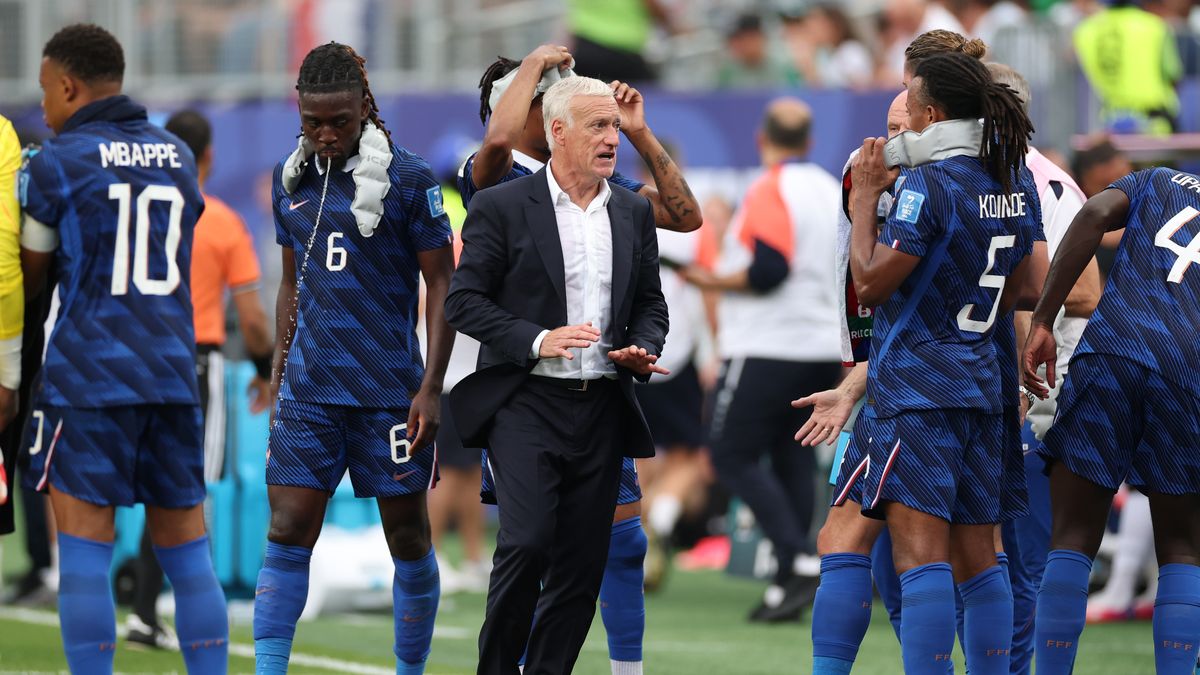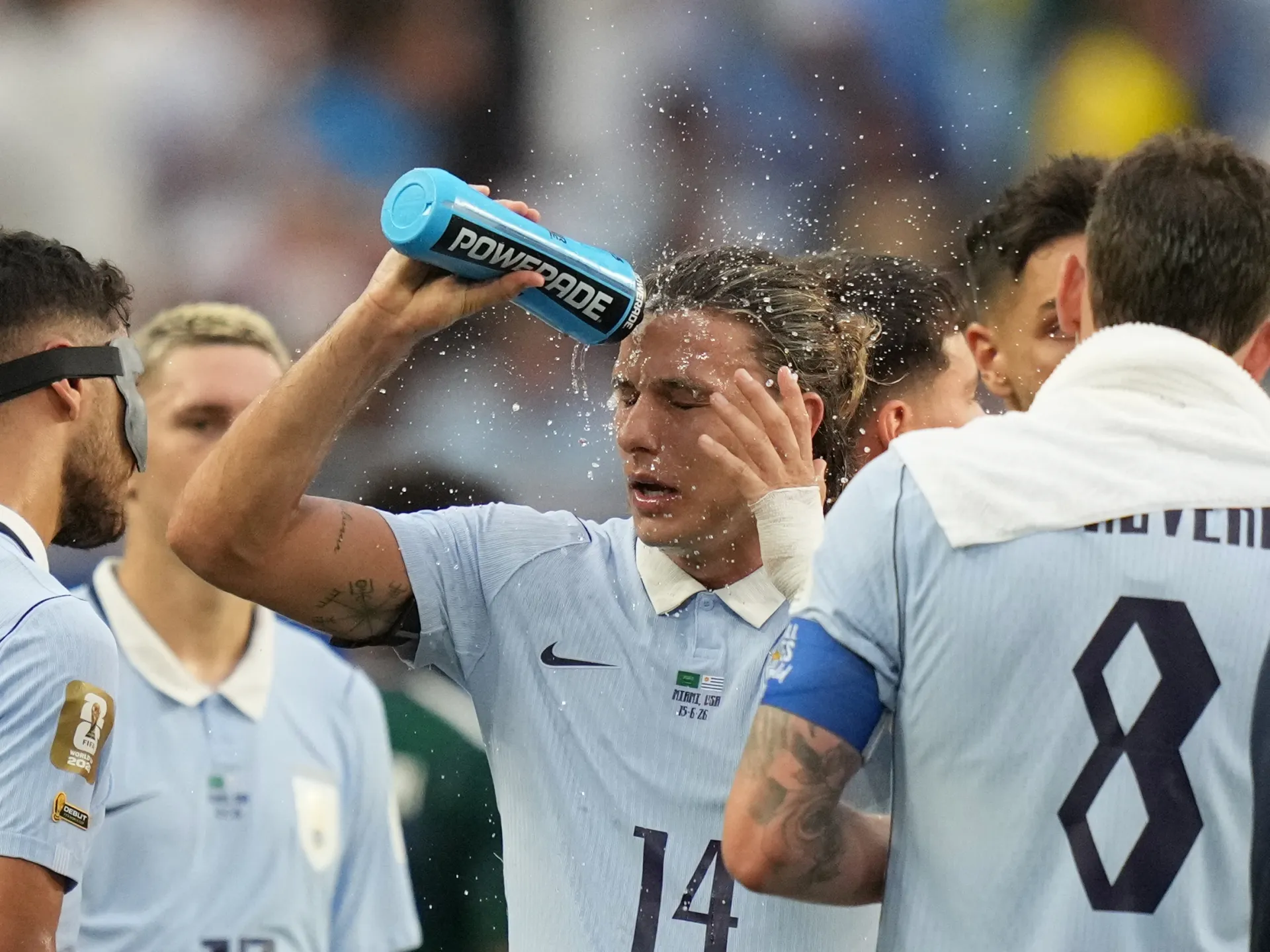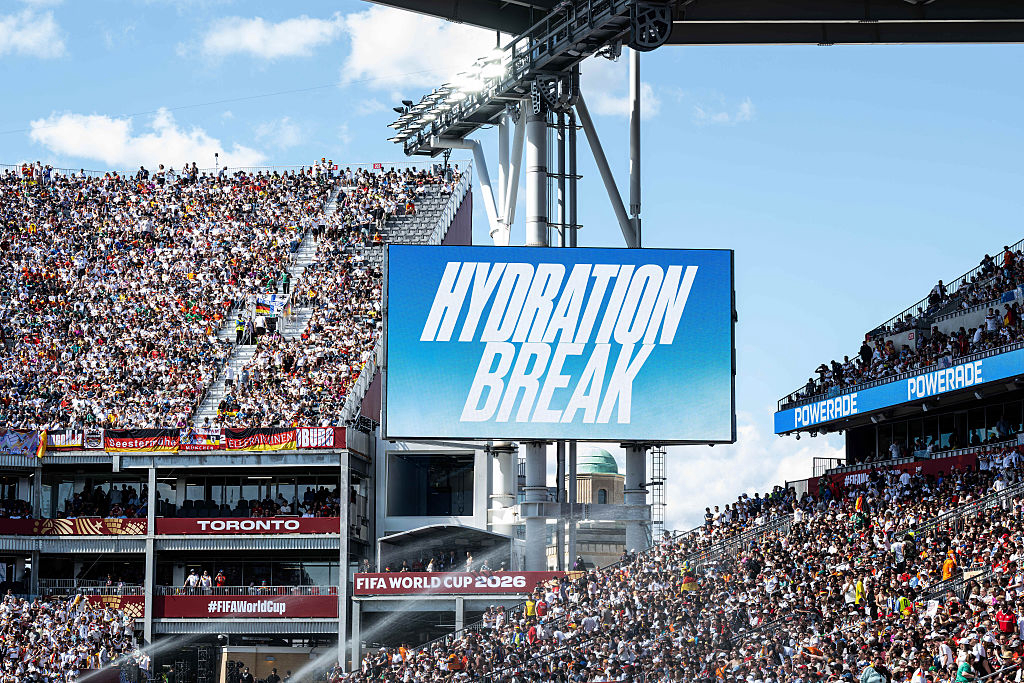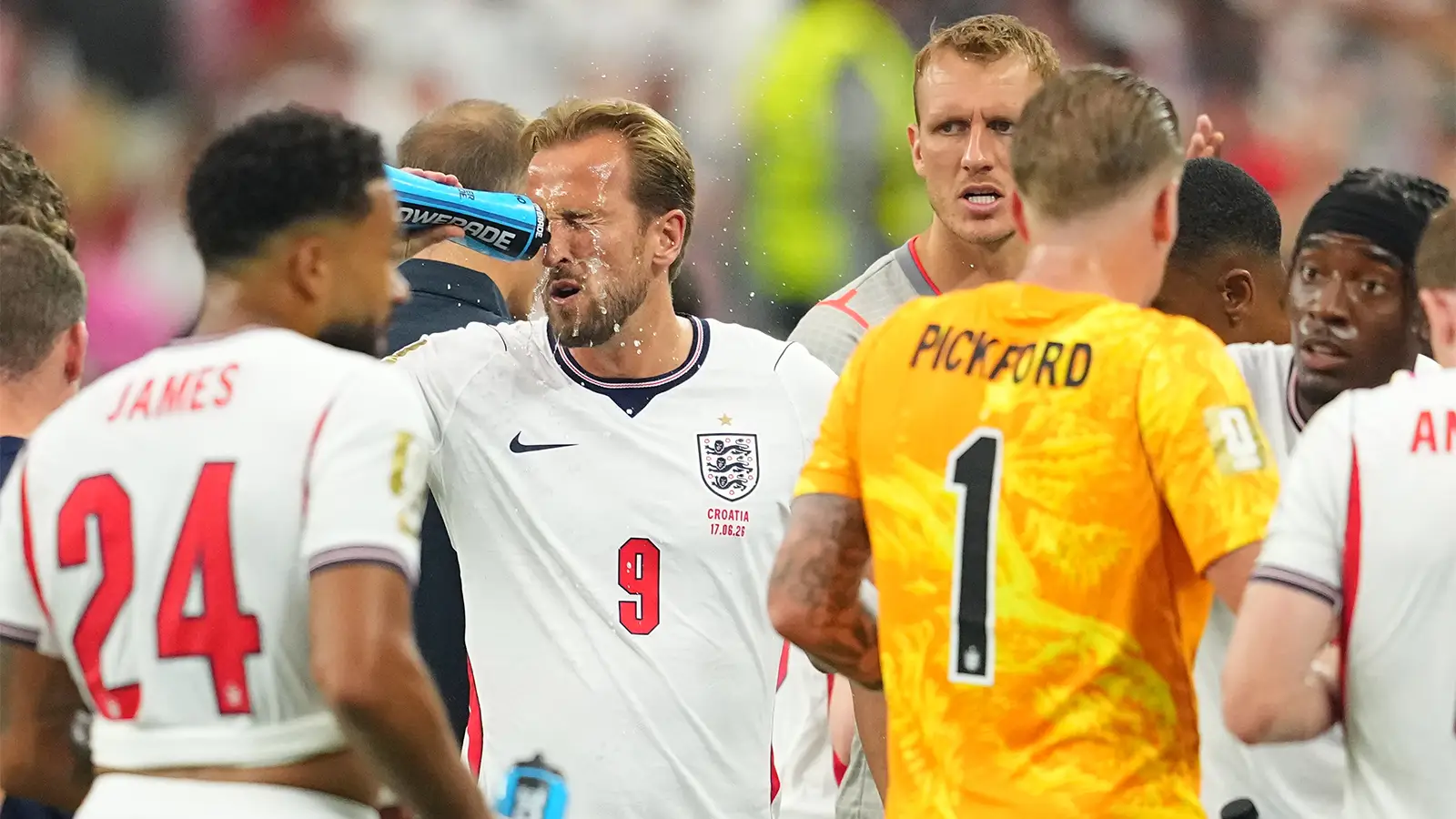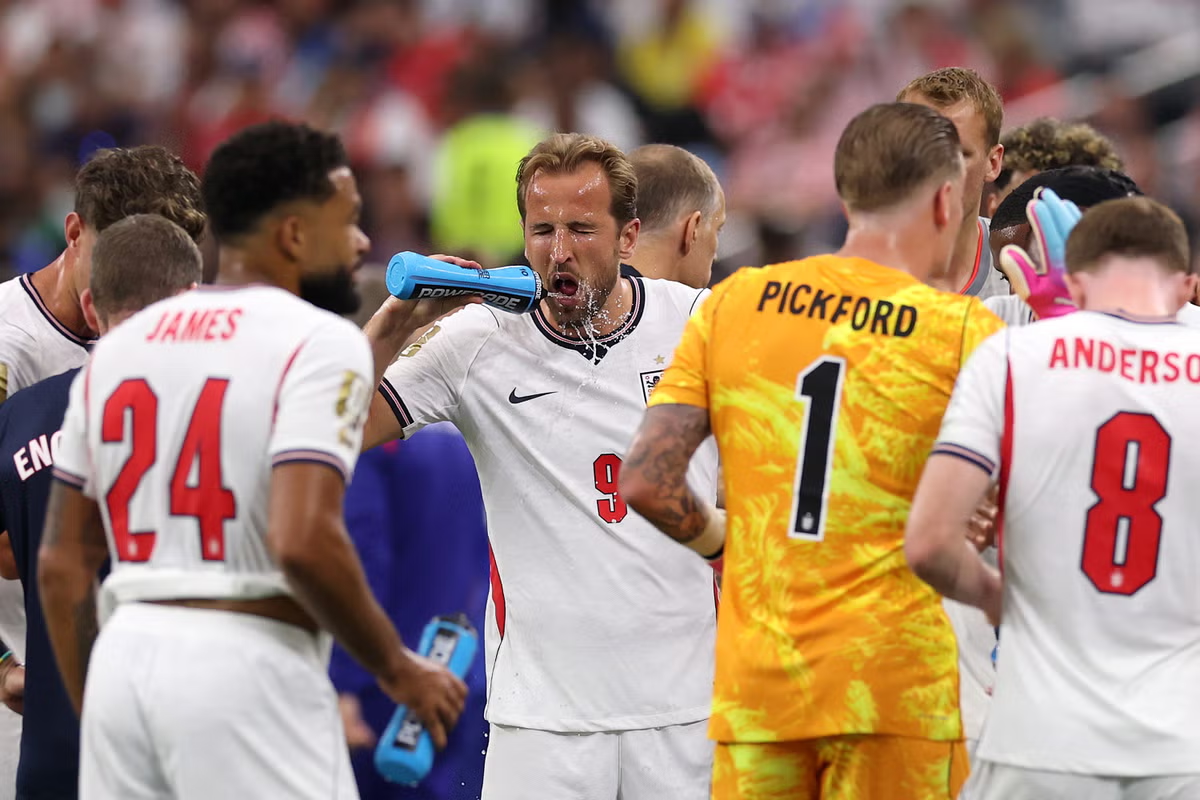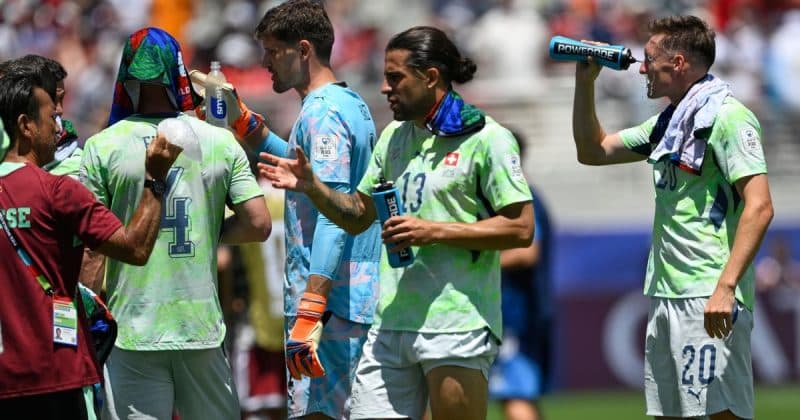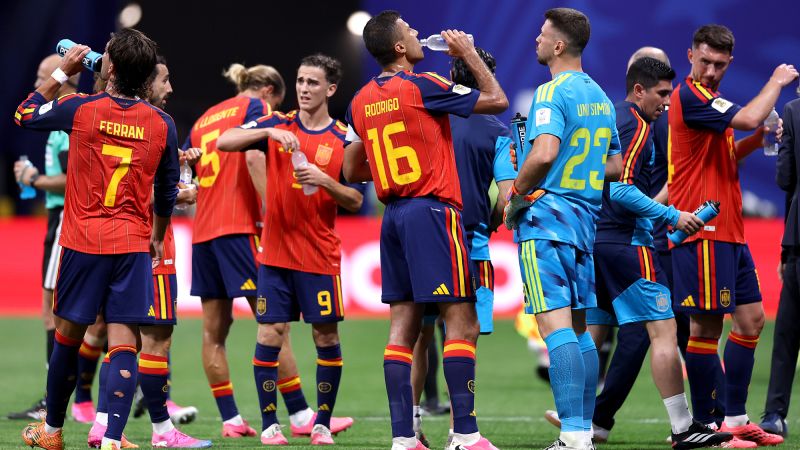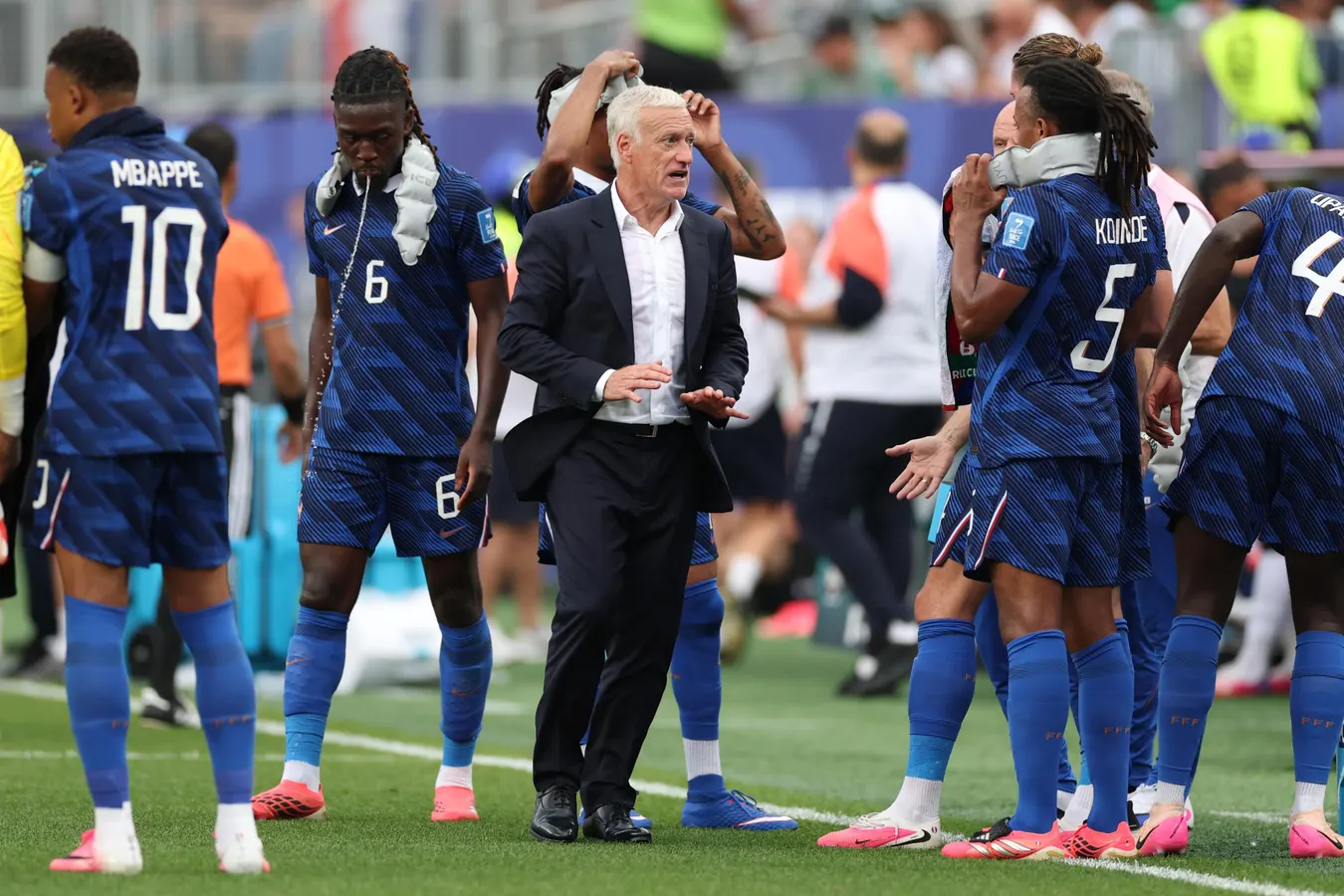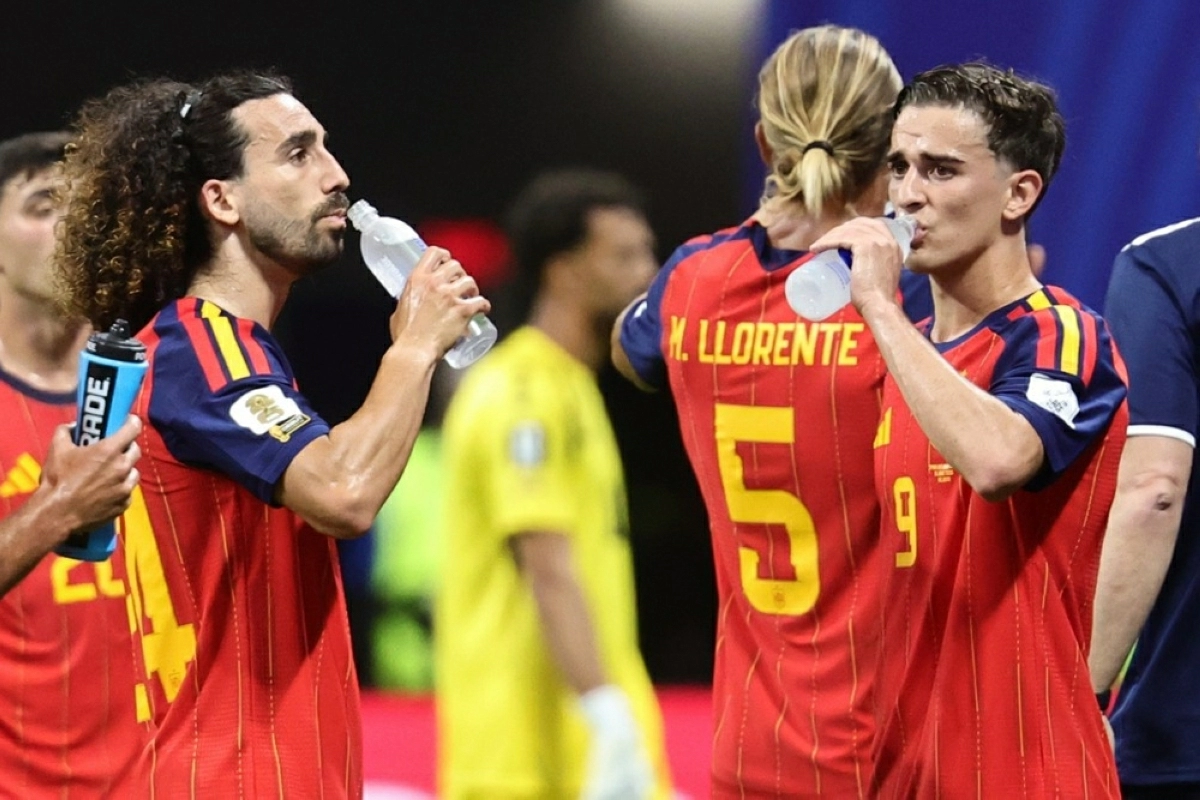
FIFA’s introduction of mandatory hydration breaks during every half of play at this summer’s World Cup has undoubtedly divided opinion.The concept is nothing new—hydration breaks were introduced at the 2014 World Cup—but this year is the first time hydration breaks have been made compulsory in every half regardless of the weather. FIFA have already received plenty of criticism for the decision, with fans growing increasingly vocal with their frustration as the tournament has progressed.Those in attendance for France’s 3–0 win over Iraq on Monday sat through a hydration break during the first half of the match, but the second half was the first this summer not to pause midway through.Why Hydration Break Was CanceledThe second half was delayed by bad weather. | Marcel Bonte/Soccrates/Getty ImagesThe use of hydration breaks during games played in moderate temperatures or climate-controlled stadiums has been the subject of widespread ridicule so far this summer, but France’s meeting with Iraq took things to a new extreme.The second half was delayed by two hours because of a thunderstorm, with torrential rain rendering the pitch unplayable and lightning warnings seeing fans urged to leave their seats.When the game eventually resumed, the weather clearly did not require a hydration break, while the unwanted two-hour delay ultimately saw FIFA decide to cancel the break in the second half.“No hydration break in the second half,” a spokesperson for FIFA confirmed in a simple statement.What’s Wrong With Hydration Breaks?Many have taken issue with the hydration breaks. | Alex Gottschalk/DeFodi Images/Getty ImagesThe concept of splitting each half up into two, and essentially creating four quarters, is alien to soccer fans and reminiscent of other American sports leagues, such as the NFL and NBA. Many purists have taken issue with that, but the frustration towards hydration breaks runs far deeper.Broadcasters have been given permission to cut to commercials during the break. Some have specifically pledged to remain with the action, but those taking the opportunity to run more commercials have fed the narrative that this World Cup is all about money—particularly if broadcasters miss the restart in favor of finishing a commercial.When it comes to the matches themselves, not only have fans in the stadiums not appreciated the temporary pause of action, but the interruption has also had an impact on the momentum of a match on numerous occasions, allowing a team under pressure the chance to regroup while a dominant team’s momentum fades.“I think that it interrupts and changes the identity of a football match much more than I thought,” England manager Thomas Tuchel confessed. “Of course, I’ve had hydration breaks before when it was really hot and necessary, but those were shorter and only occurred in a few matches. Compete against the world. | SPORTS ILLUSTRATED“Now, from a standpoint of fairness to every team, it breaks the match almost into four quarters. I think it changes the characteristics of the match more than I expected.“As a coach, I like having the opportunity to influence the team and gather them together, but overall, I prefer football when it’s played in one go per half. It builds momentum. It’s hard to build and keep momentum when there are breaks. “The battle on the field between the players plays out over a longer period of time; that is what adds to the character of the beautiful game, and this takes away from it. But in terms of fairness, of course, it makes sense that everyone gets it.”READ THE LATEST WORLD CUP NEWS, ANALYSIS AND INSIGHT FROM SI FCAdd us as a preferred source on GoogleFollow
Why FIFA Canceled Hydration Break in France’s Win Over Iraq
The mandatory breaks have proven increasingly unpopular as the tournament has progressed.
590 words~3 min read