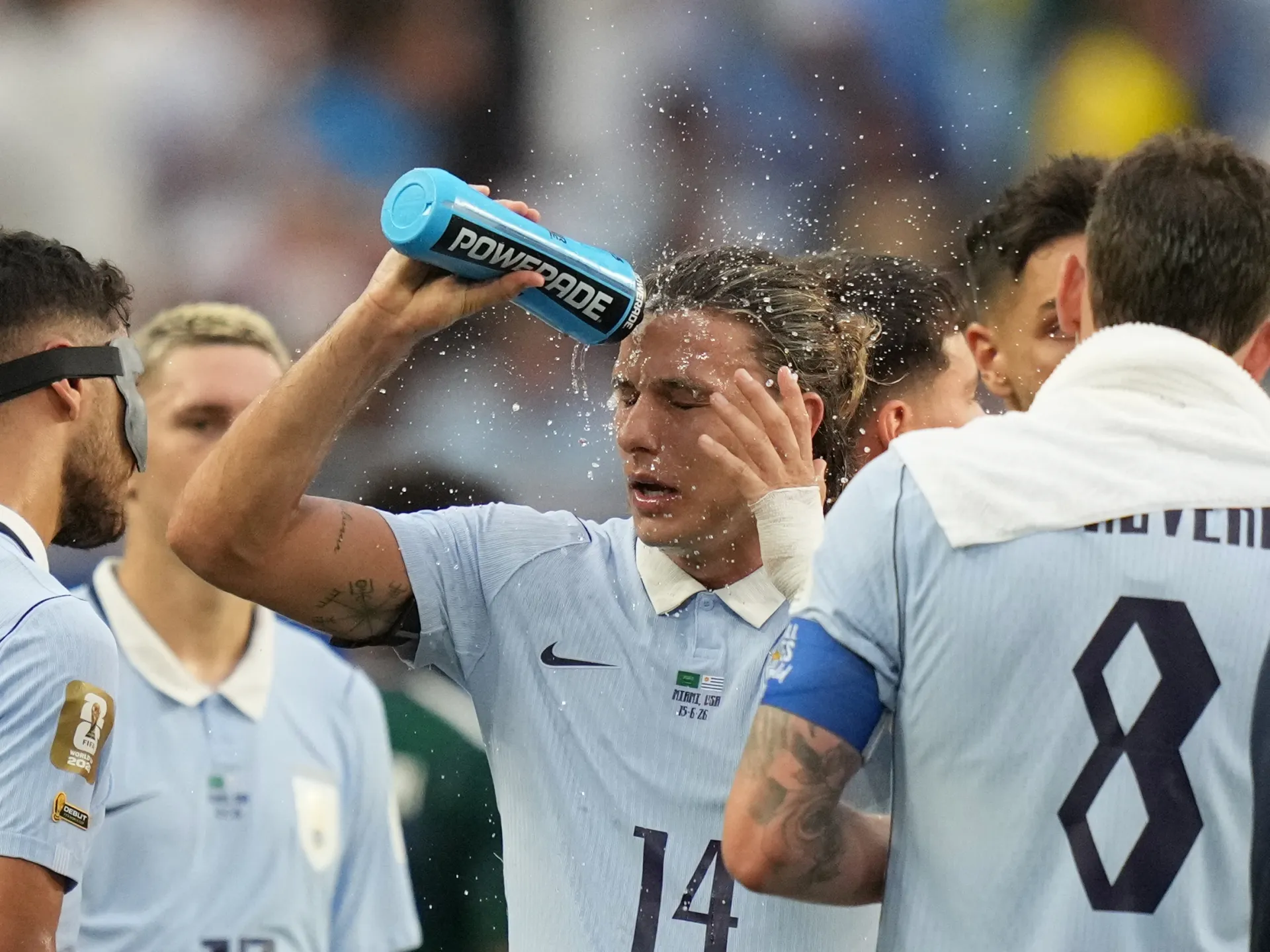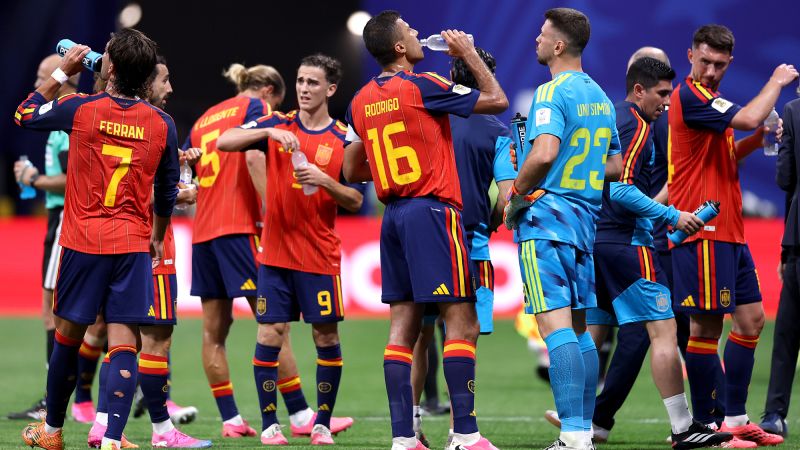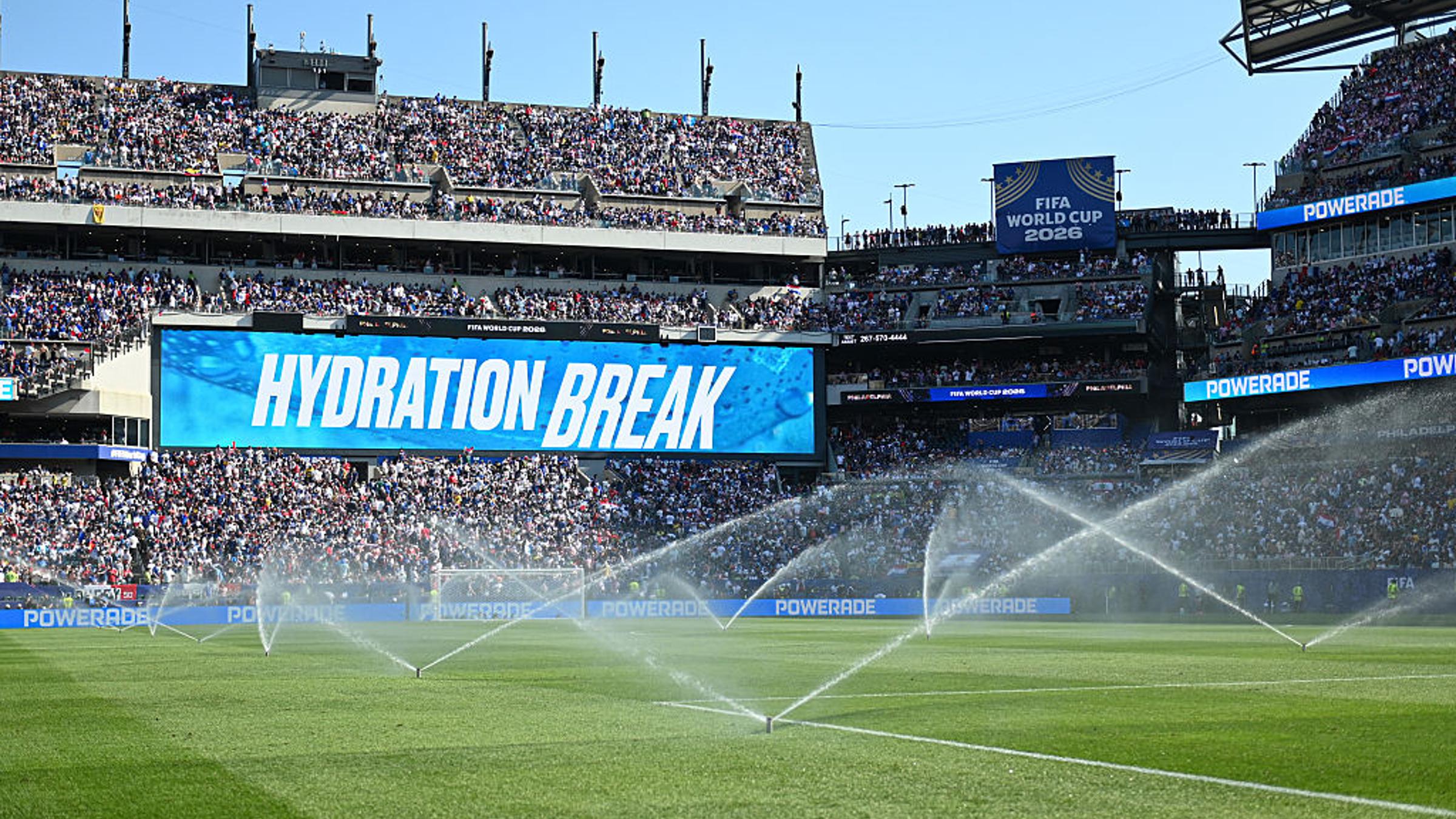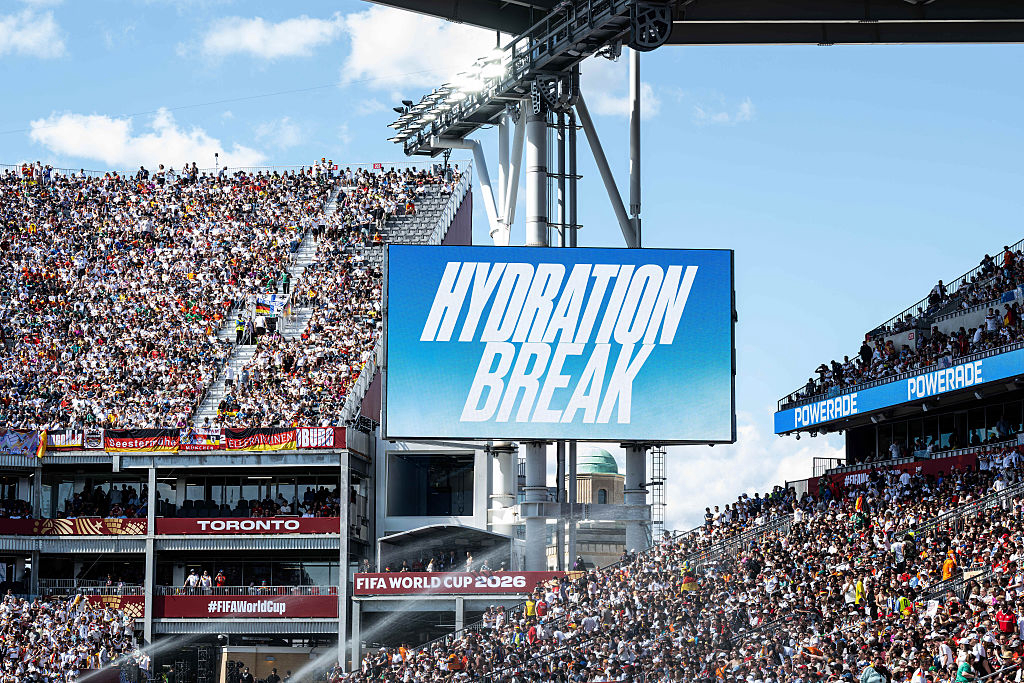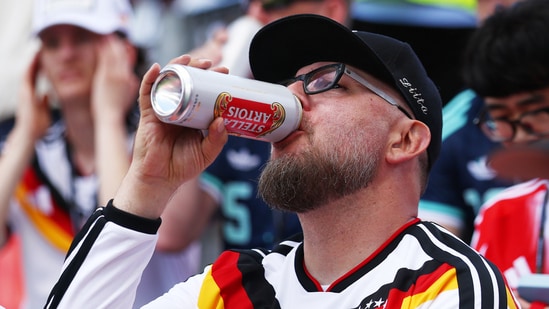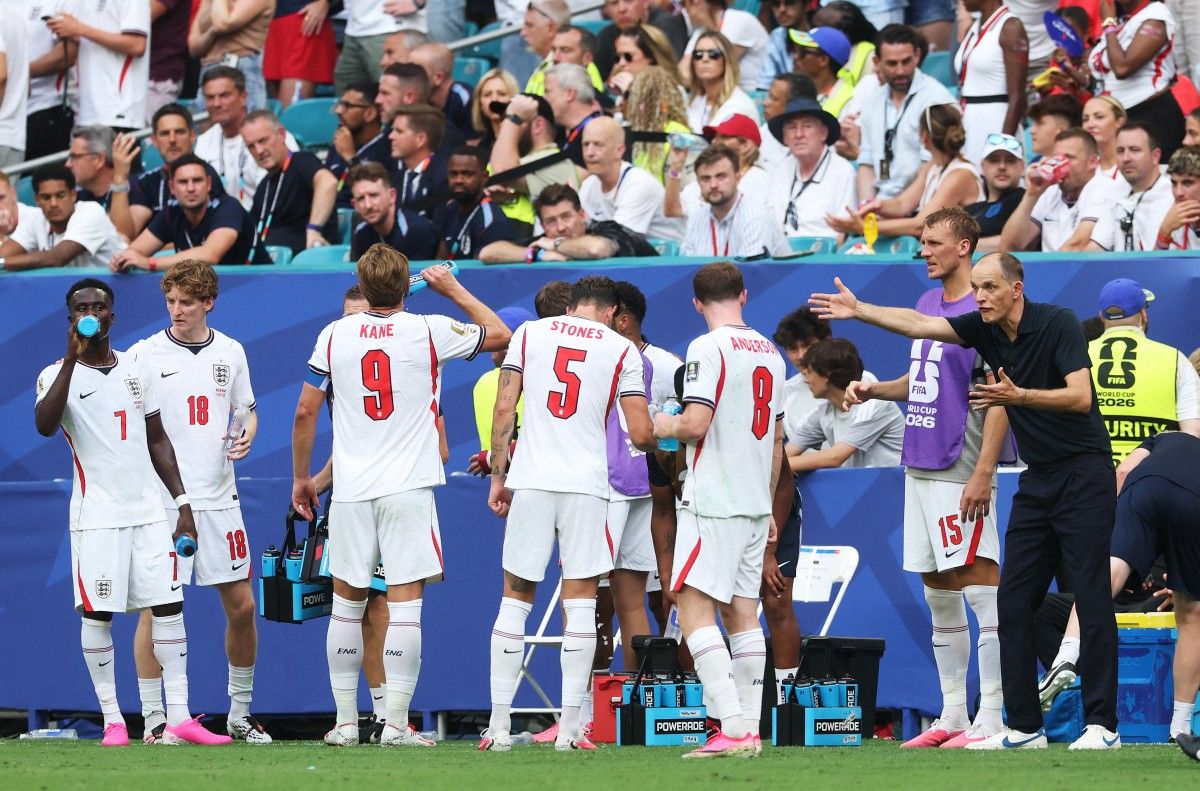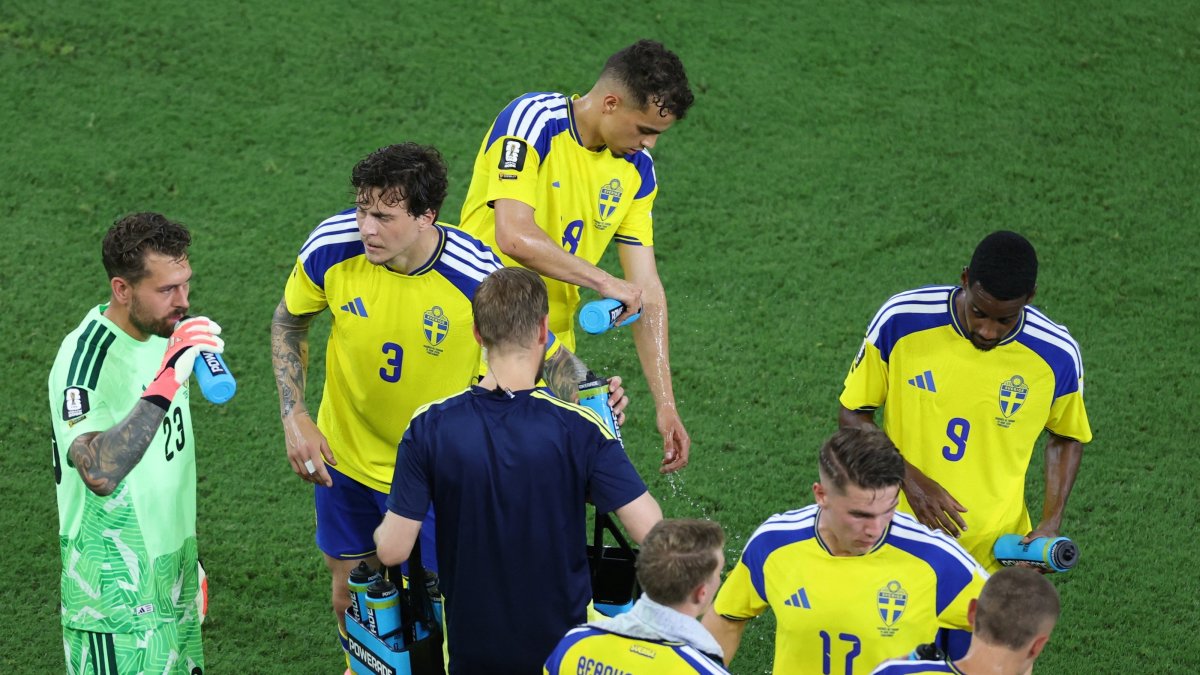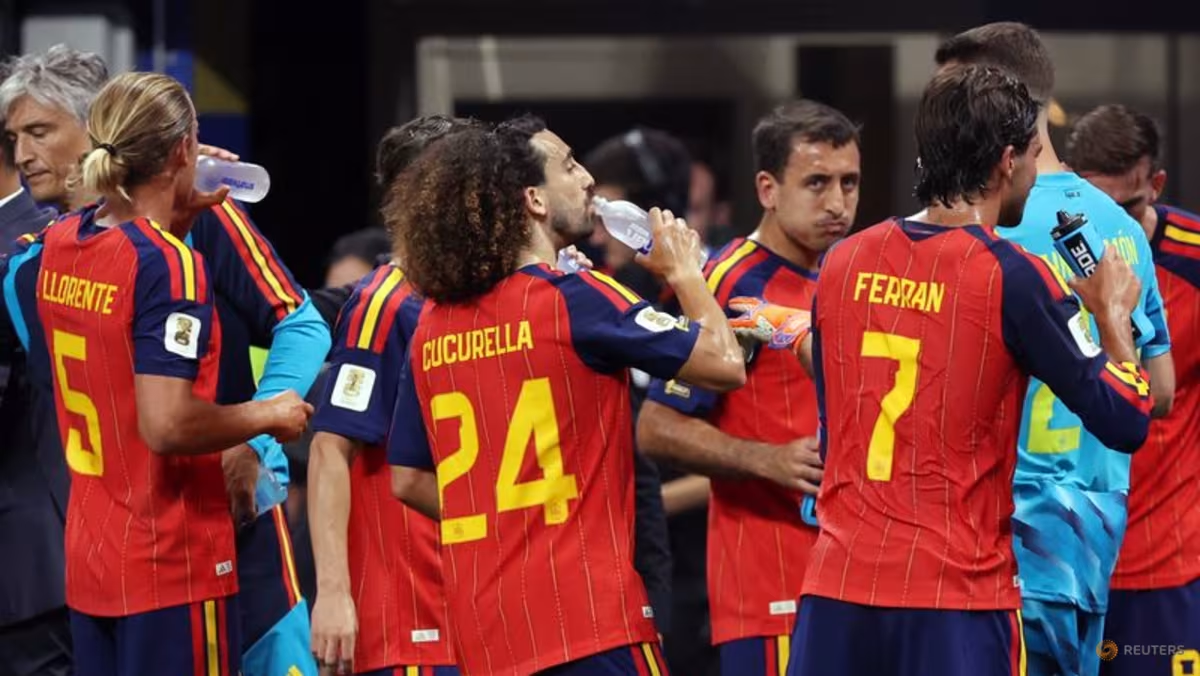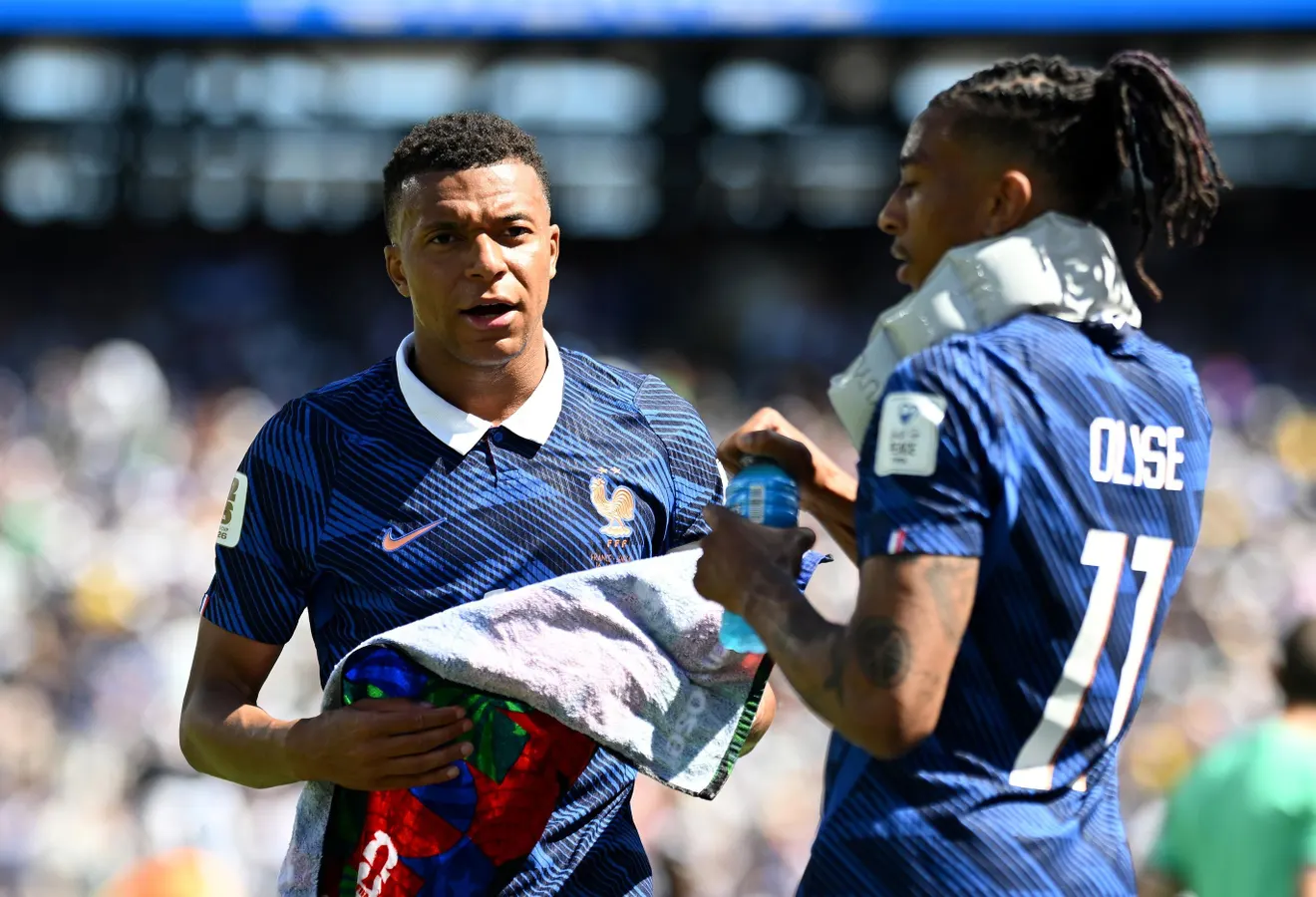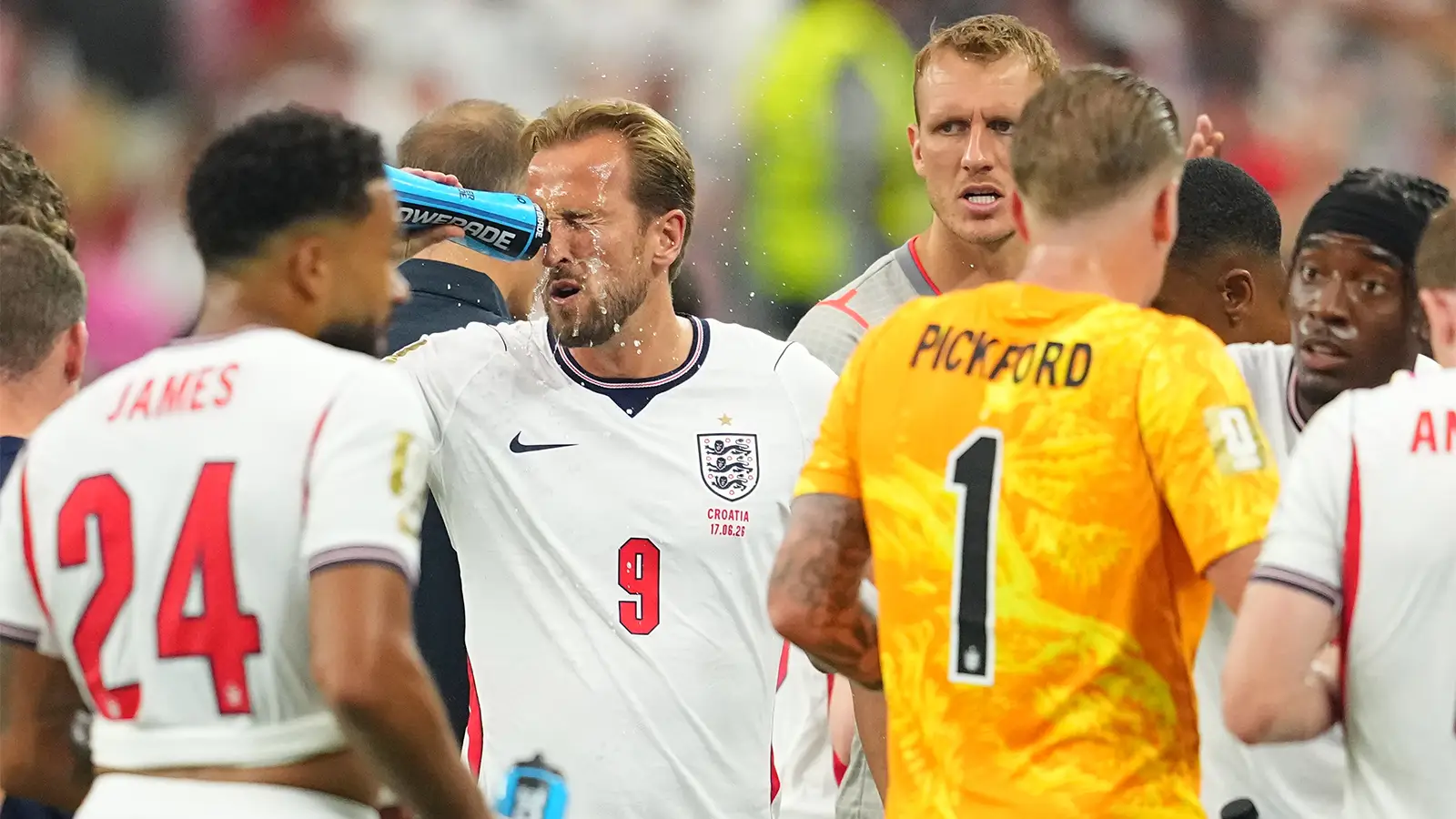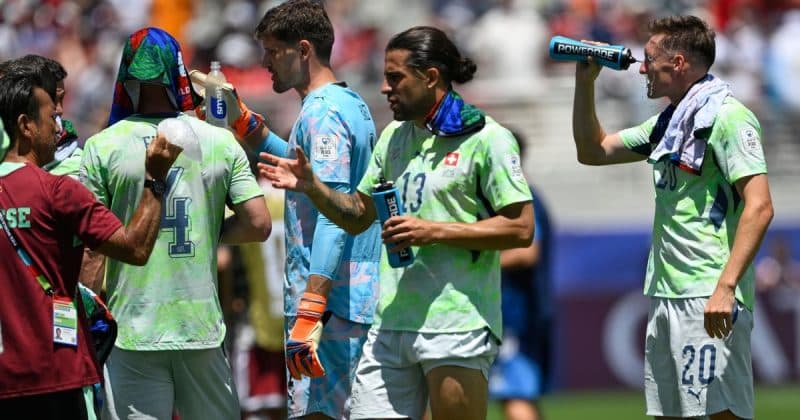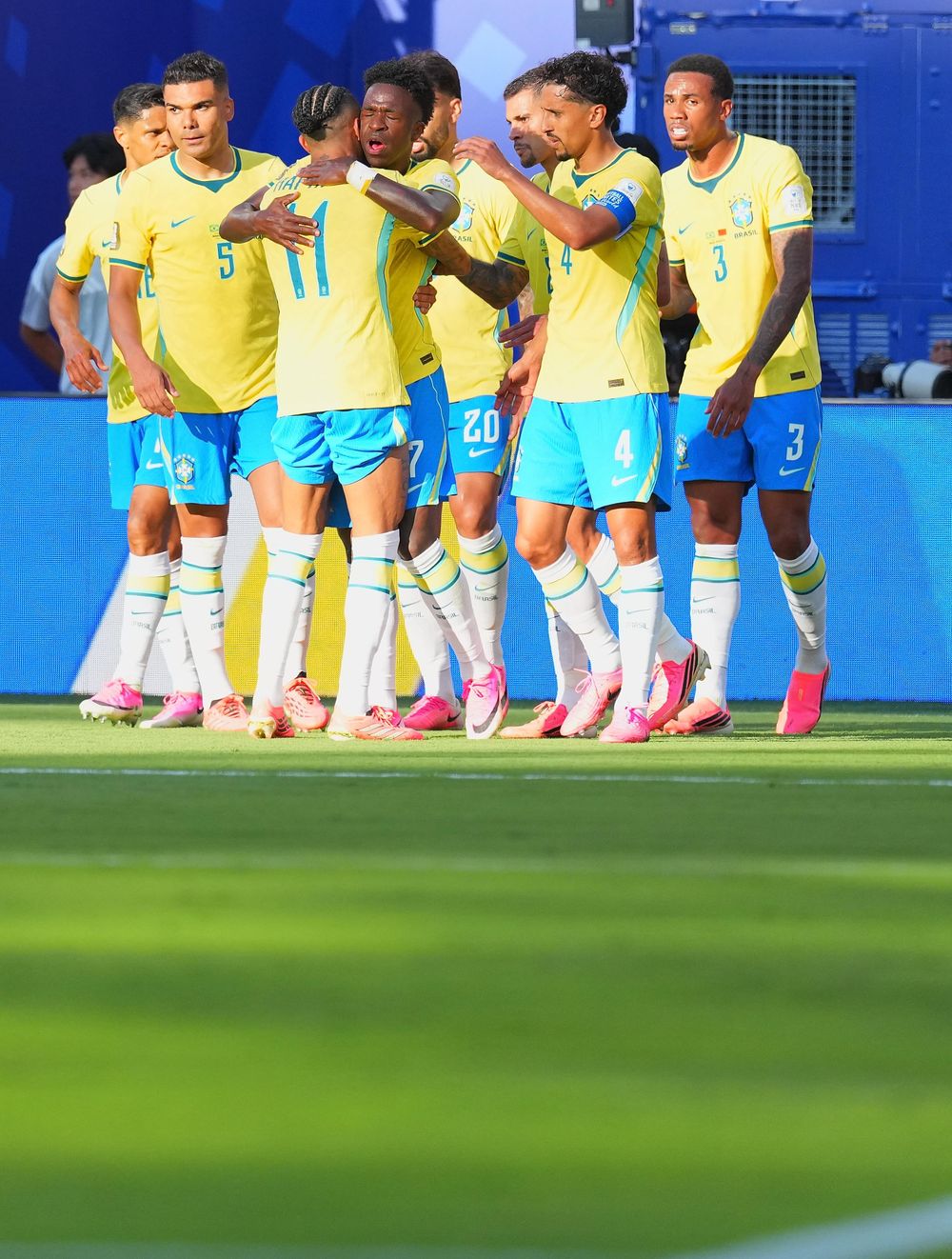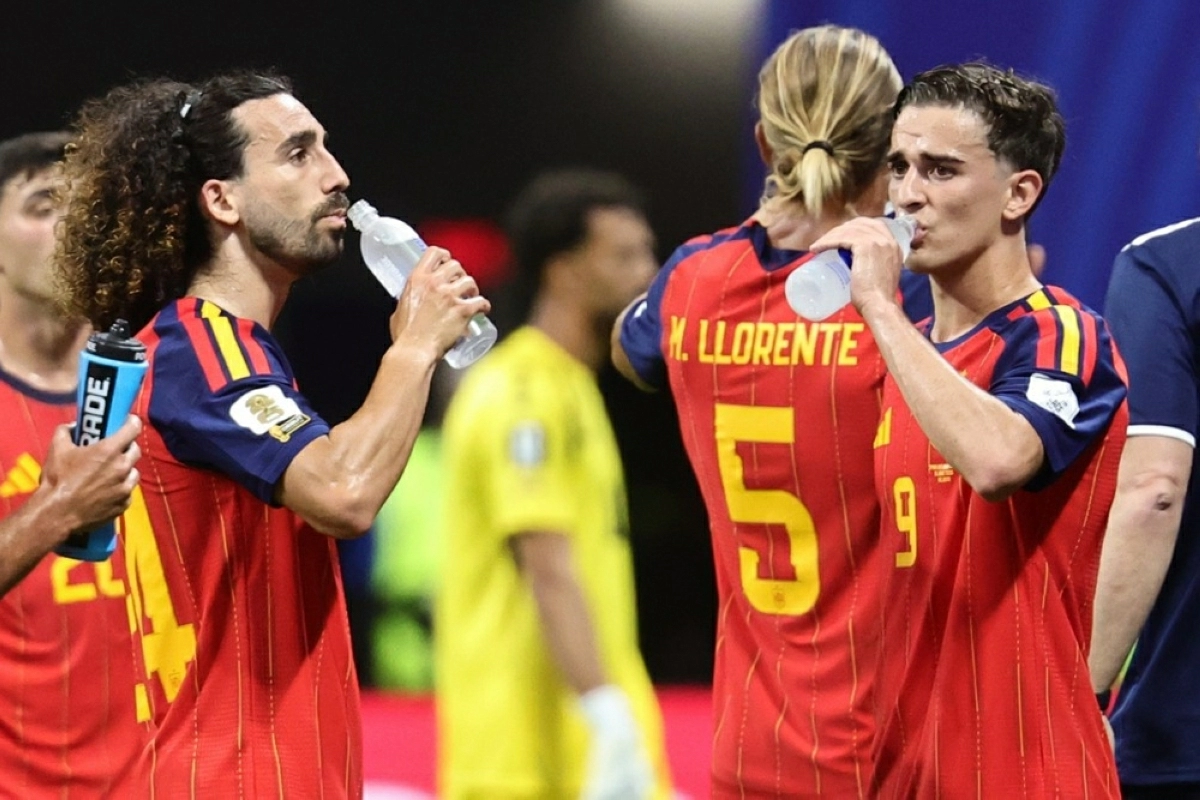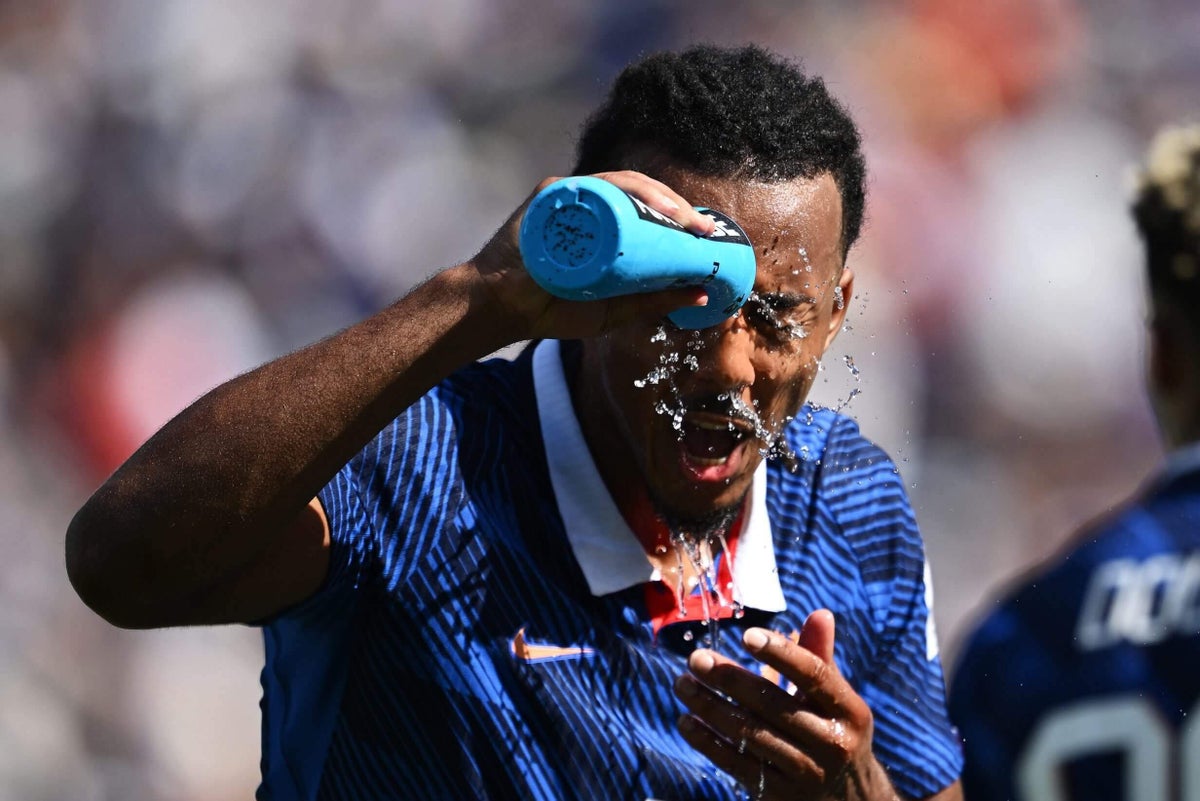
Get free access to the most comprehensive World Cup coverage in The Athletic app.Of all the things FIFA expected to dominate the opening week of the World Cup, hydration breaks would not have been it. You’ll remember only mild discussion when the governing body first announced that matches at the 2026 finals would have interludes for drinks in each half. It sounded like common sense: a chance to take on fluids in what many expect to be searing North American temperatures.(We do too, incidentally; so much so that Aaron Mentkowski, a certified broadcast meteorologist, has joined us for the tournament and is delivering daily weather reports for World Cup venues.)To recap, football is a game of two halves, each lasting 45 minutes plus stoppage time. It’s not that matches never stop — they halt for injuries, substitutions, VAR reviews — but none of FIFA’s previous 22 World Cups have had scheduled or co-ordinated breaks in play (similar to basketball timeouts), only water breaks at the referee’s discretion. In 2026, however, there are pauses on or around the 22nd minute of the first half and the 67th minute of the second half, and they last for three minutes each. In effect, the match is effectively split into four quarters.In theory, this sounded fine. Nobody disputed that temperatures in parts of the United States and Mexico in particular might call for rehydration in the interests of player welfare. But in practice, the reality of the stoppages has caused a stir.There are lots of different strands to the debate, from hydration breaks opening the door to commercials on TV to the way in which pressing the pause button alters the momentum of a contest. When The Athletic’s daily World Cup Briefing newsletter asked readers to vote on what they thought of them, 76.4 per cent went with “problematic” as their response. Some 13.3 per cent said hydration breaks were no big deal, while 10.3 per cent went with the “kinda like them” option. Each to their own.We’ll come to TV ads shortly, because people are gnashing their teeth about them, but the main gripe of the 9,000-plus who took part in the poll was that a three-minute break in either half makes a material change to the structure of a match. It can intervene, and has intervened, just when a team are on top or finding their flow. Germany crushed Curacao 7-1 in Group E on Sunday, a rout in the end, but there was a point in the first half when the Germans were on the ropes at 1-1, only for a hydration break to stop play. It won’t be the only time in this tournament when impetus turns on FIFA’s directive.
World Cup hydration breaks? No thanks, say The Athletic’s readers
We asked readers of The Athletic's World Cup Briefing newsletter what they think of the two three-minute breaks in each game...
874 words~4 min read