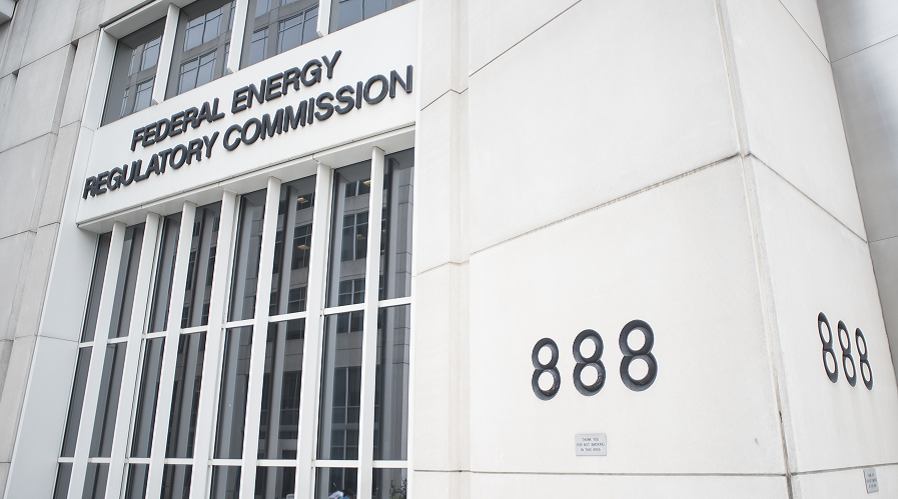
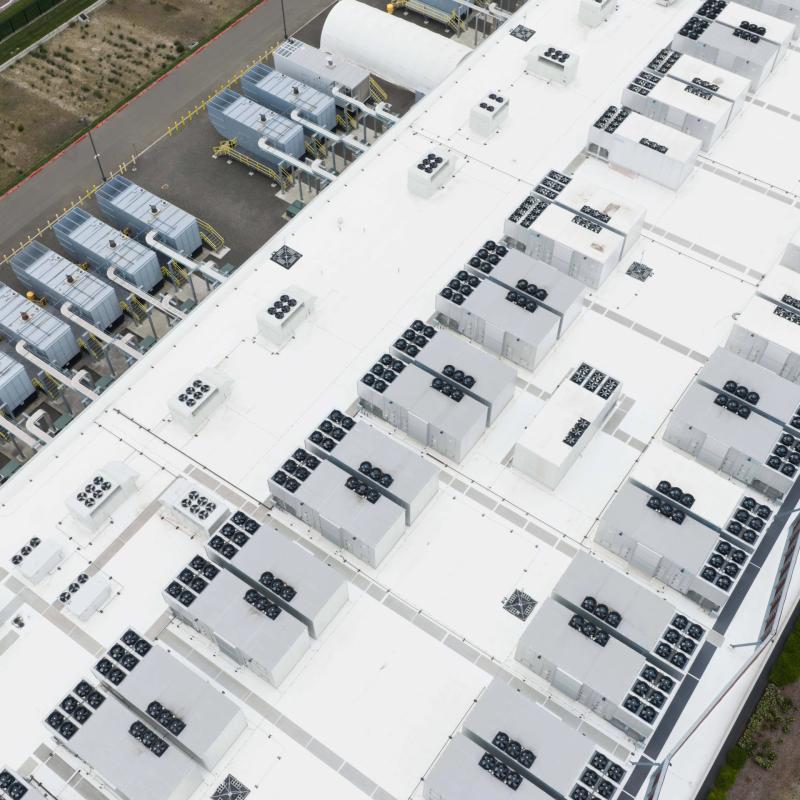
FERC told grid operators to give data centers a fast lane for interconnections, but it failed to address electricity supply shortages.

Applies to all of the country's RTOs

FERC plans to finalize rules by June 2026 that streamline how large data centers connect to the US power grid, targeting facilities exceeding 20 megawatts.
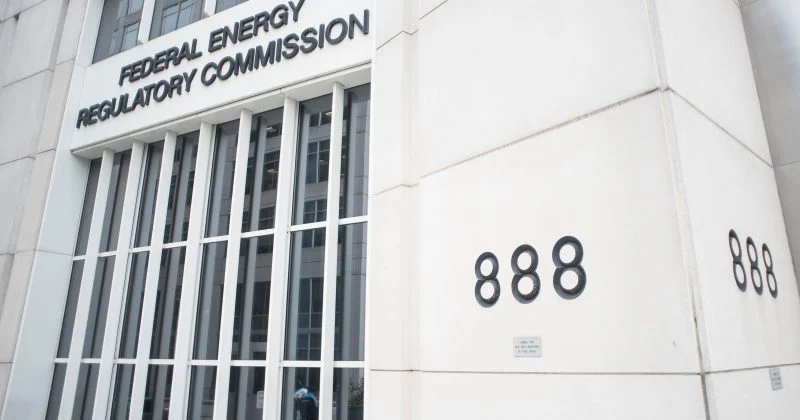
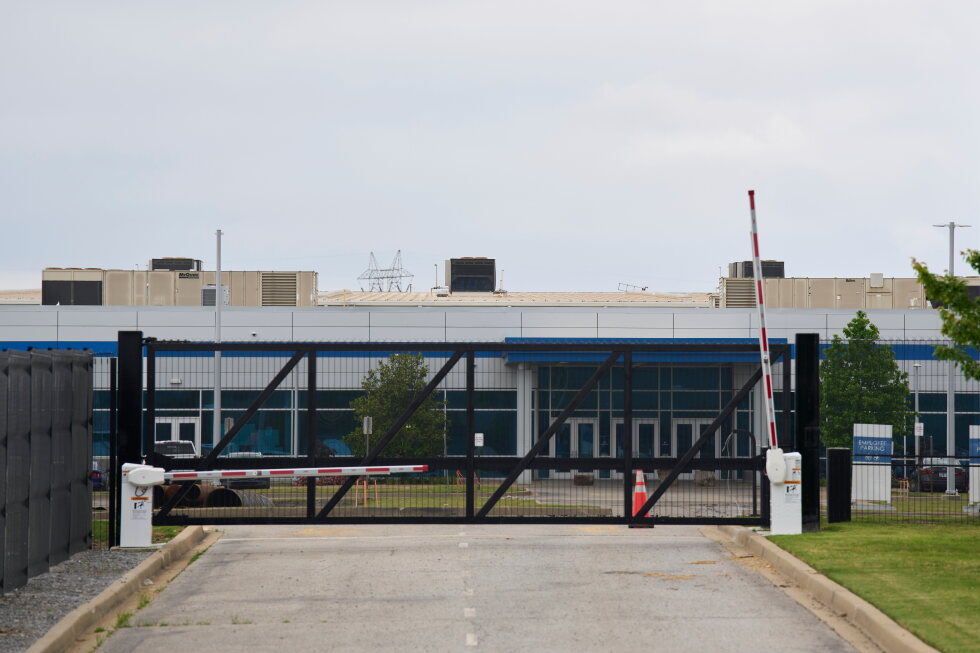
FERC plans to finalize rules on large-load grid interconnection by June 2026, with major implications for data centers, crypto mining, and energy markets.

Federal regulators have agreed to let large energy users connect more quickly to the nation’s inefficient and electric transmission system to accommodate surging demand from…

WASHINGTON (AP) — Federal regulators on Thursday agreed to let large energy users connect more quickly to the nation’s inefficient and electric transmission system to accommodate…

Federal regulators are speeding up power grid connections for big energy users like AI data centers. This move aims to boost America's competitiveness in the AI sector. Tech…

FERC told grid operators to speed up data centre connections to the grid. On the same day, the Trump administration paid $765 million to kill offshore wind leases.

A federal commission ordered grid operators to show how they'll encourage faster connections.

FERC told grid operators to give data centers a fast lane for interconnections, but it failed to address electricity supply shortages.

In a unanimous vote, the commissioners agreed that current regulations are lagging behind as a surge of data centers wait to interconnect.

The Federal Energy Regulatory Commission is pushing grid operators to update rules for connecting massive power users.

The Federal Energy Regulatory Commission stops short of fulfilling the Trump administration’s wishes but puts regional grid operators on a “short leash.”

FERC orders six grid operators to reform interconnection tariffs for large energy users like AI data centers, targeting wait times that currently stretch

The federal government wants more data centers to come online — as long as they do not impact the electricity supply.