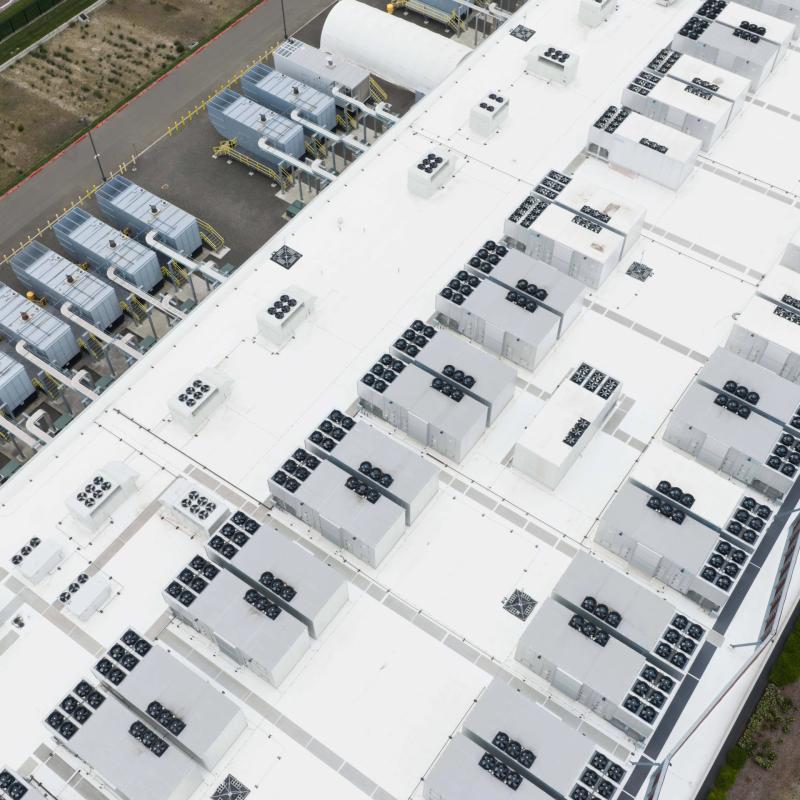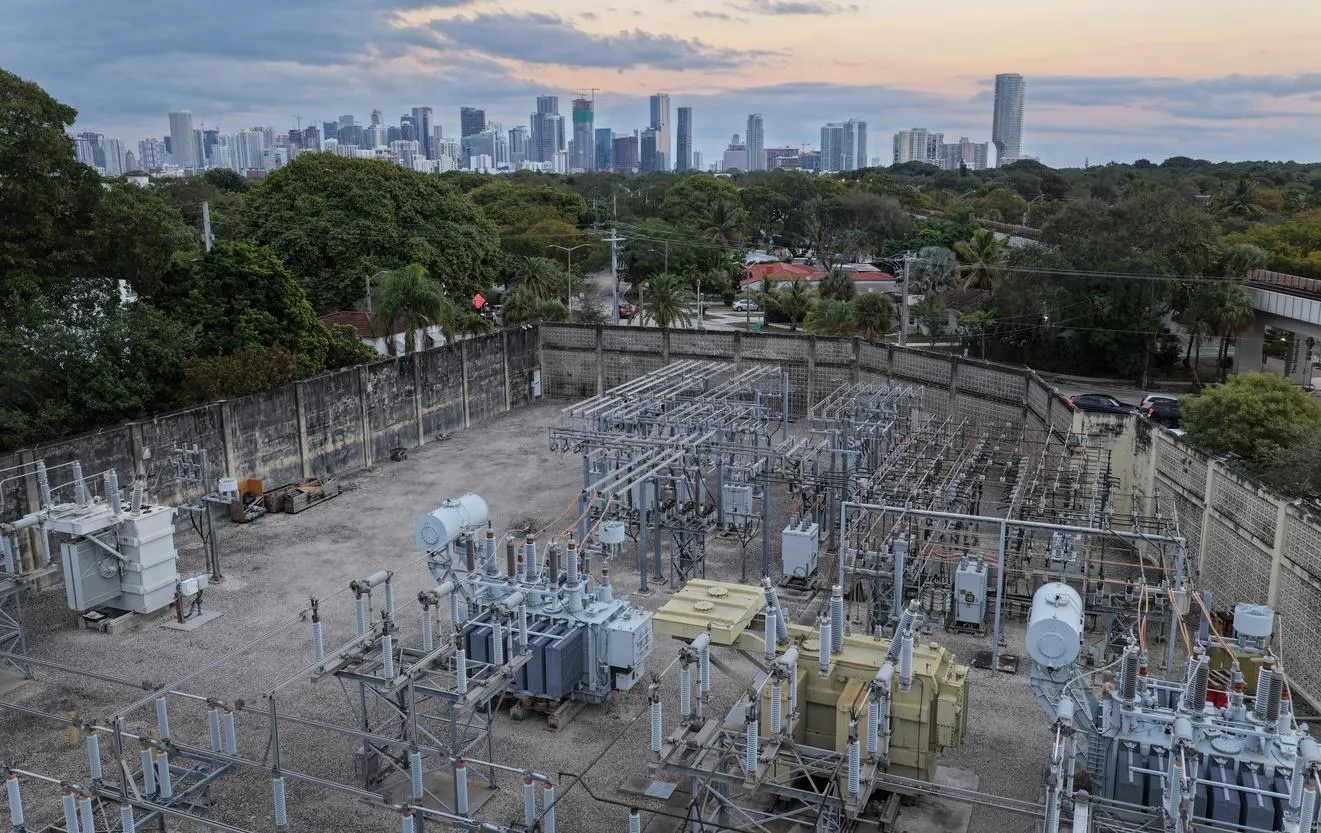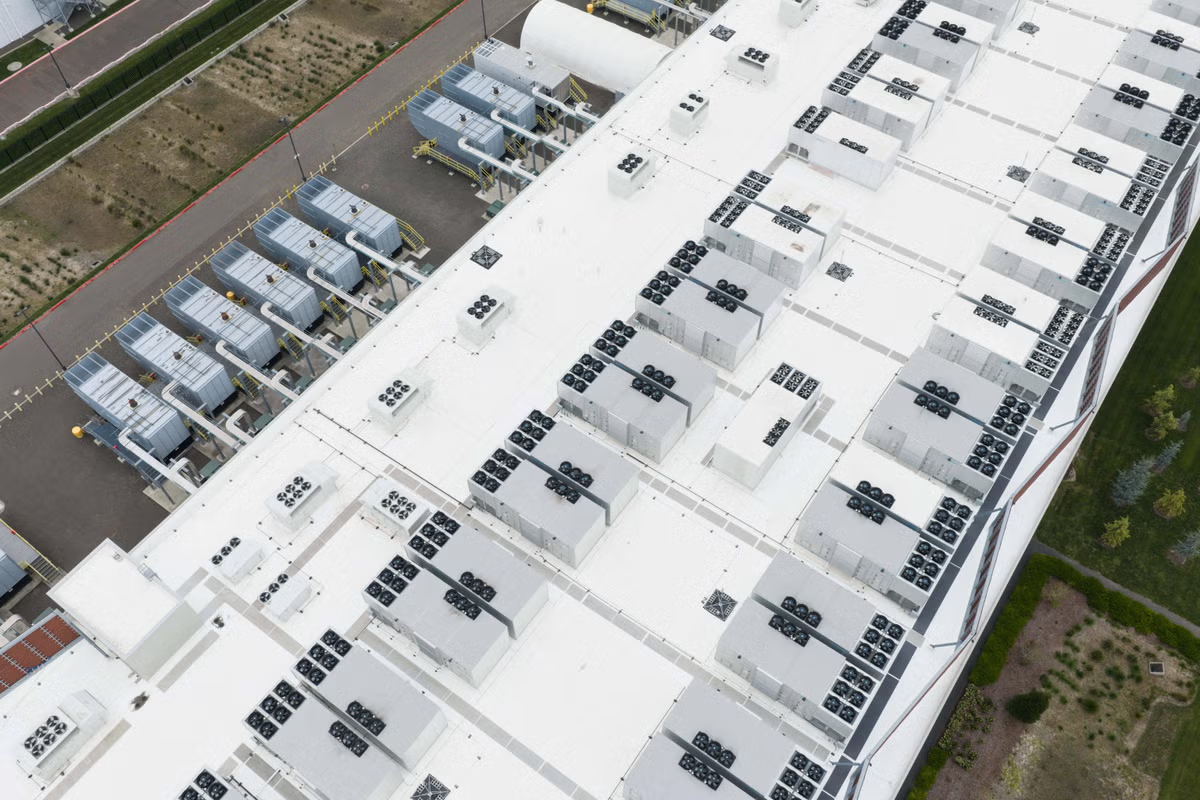
The U.S. Federal Energy Regulatory Commission (FERC) is taking steps to ensure that AI data center operators are connected to the grid as quickly as possible. According to Bloomberg, the energy regulator is about to release an order asking grids to prove that they’re expediting AI data center connections, especially projects that “bring their own power, or curtail demand during times of high stress.”“We promised some fireworks last month and we’re going to light the fuse today,” FERC Chairperson Laura Swett said in a meeting, Bloomberg reports. Commissioner David Rosner also said that any studies to enact these changes that grids will do must be completed in 90 days. These moves are in line with President Donald Trump’s “AI Action Plan” policy roadmap that he launched last year, which seeks to make it easier to build AI infrastructure.Data centers need massive amounts of electricity — something that the U.S. grid is poorly-equipped to handle. Because of this, grid operators invested heavily in upgrading their infrastructure and then passed on their costs. PJM Interconnection, which is the largest power grid operator in the U.S., raised its power costs by 75.5%, with this increase largely blamed on AI data centers. The State of Maryland also filed a complaint with the FERC, as PJM Interconnection planned to charge it $2 billion for infrastructure upgrades needed for projects that do not directly benefit the state..But despite FERC’s condition that data centers should bring their own power or reduce demand as needed for them to qualify for fast-track processing, this will still likely be a cause for concern for many Americans who are increasingly resisting data center developments in their backyards. After all, it’s not just power consumption that many communities are concerned about. Many data center developments are also being built in drought zones, where water shortages are already an ongoing concern. Some people are also concerned about the noise pollution that these facilities bring to otherwise quiet rural areas.AI hyperscalers are keen to get their data center projects off the ground, especially as the demand for compute is still growing. The White House also wants these developments to go full steam ahead, especially as it deems that this infrastructure is crucial for the U.S. to win the “AI race” against China. But as long as citizens feel that these projects will threaten their quality of life, data center developers will only continue to see increasing opposition.
US energy regulator to order grid operators to expedite AI data center applications — says projects should bring their own power or cut usage during high demand
The federal government wants more data centers to come online — as long as they do not impact the electricity supply.
TL;DRAI
FERC accelera le connessioni grid per AI data center che si auto-alimentano; il principale grid operator PJM ha già alzato i costi del 75.5%. Per un CTO, il deployment AI diventa un esercizio di on-site generation e utility negotiation — elementi critici ora del TCO infra.
438 words~2 min read