HomeAI · summaries
Storia in 8 fonti
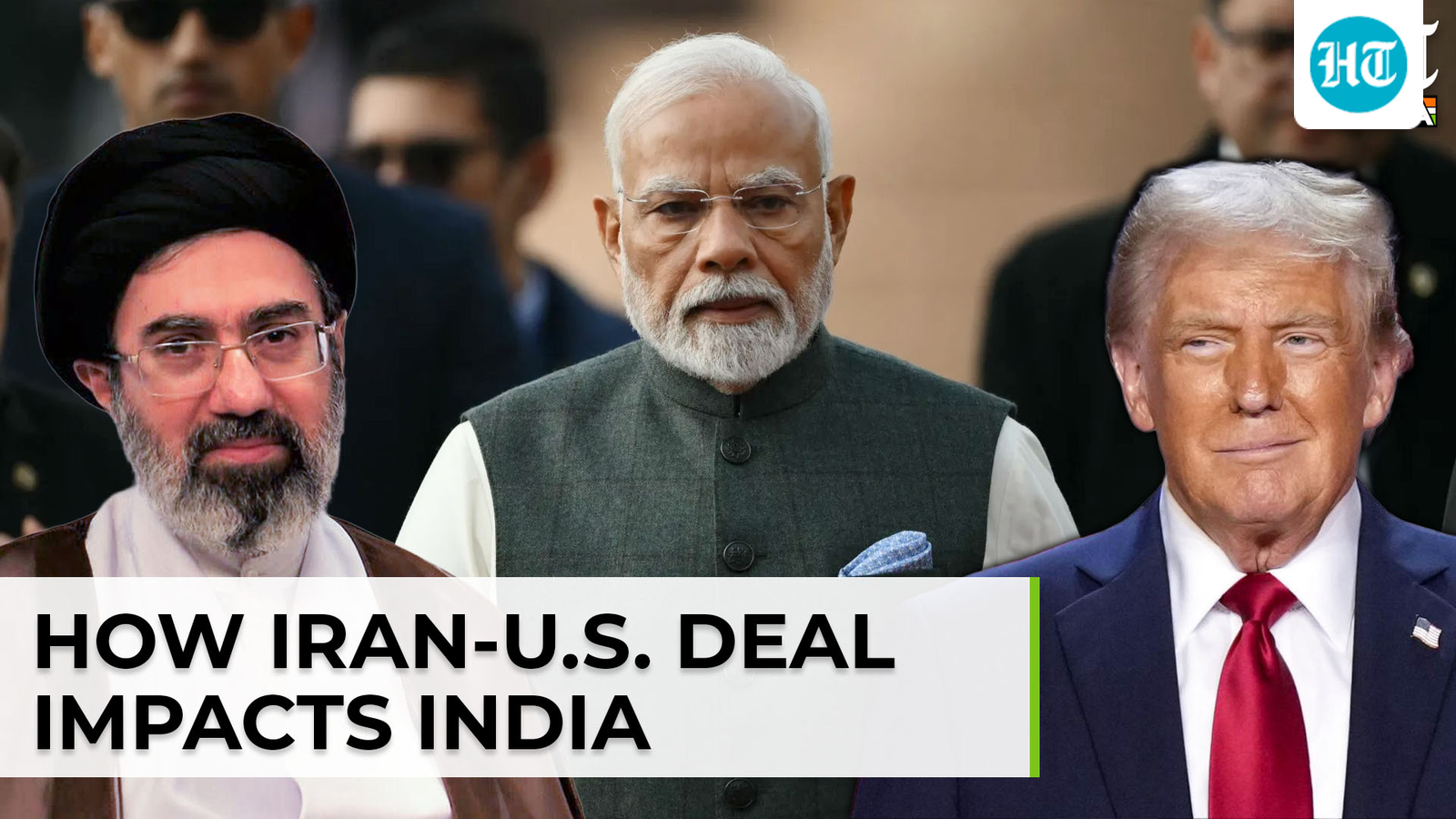
How Iran-US deal impacts India: Trump's new Hormuz Strait move, effect on Oil prices| Israel, Gulf
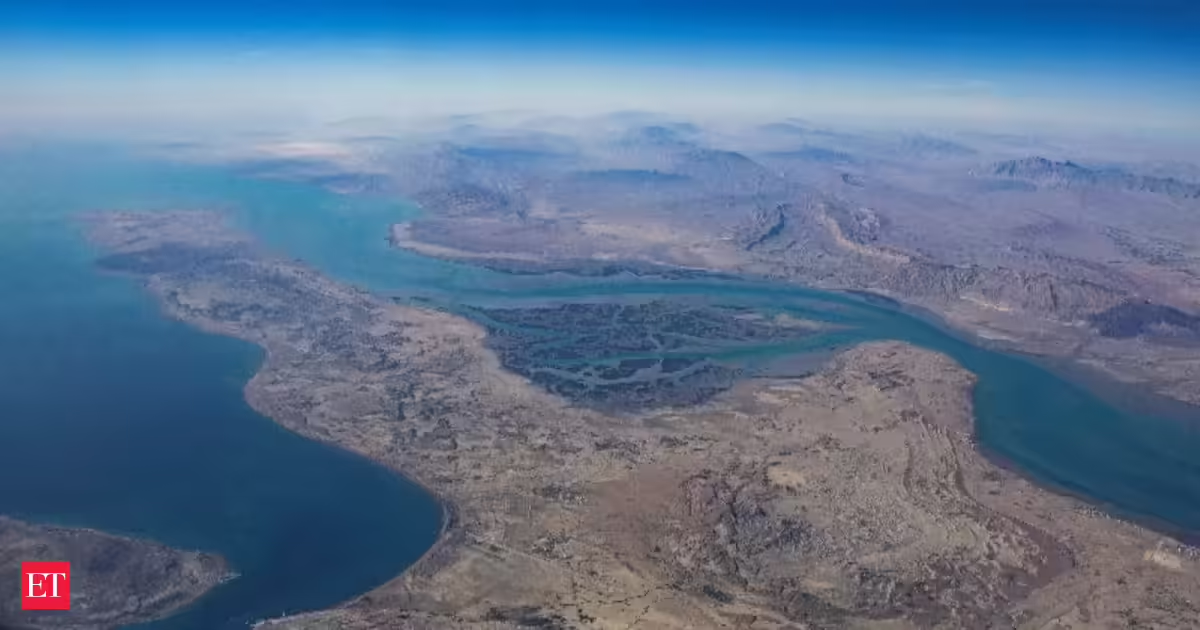
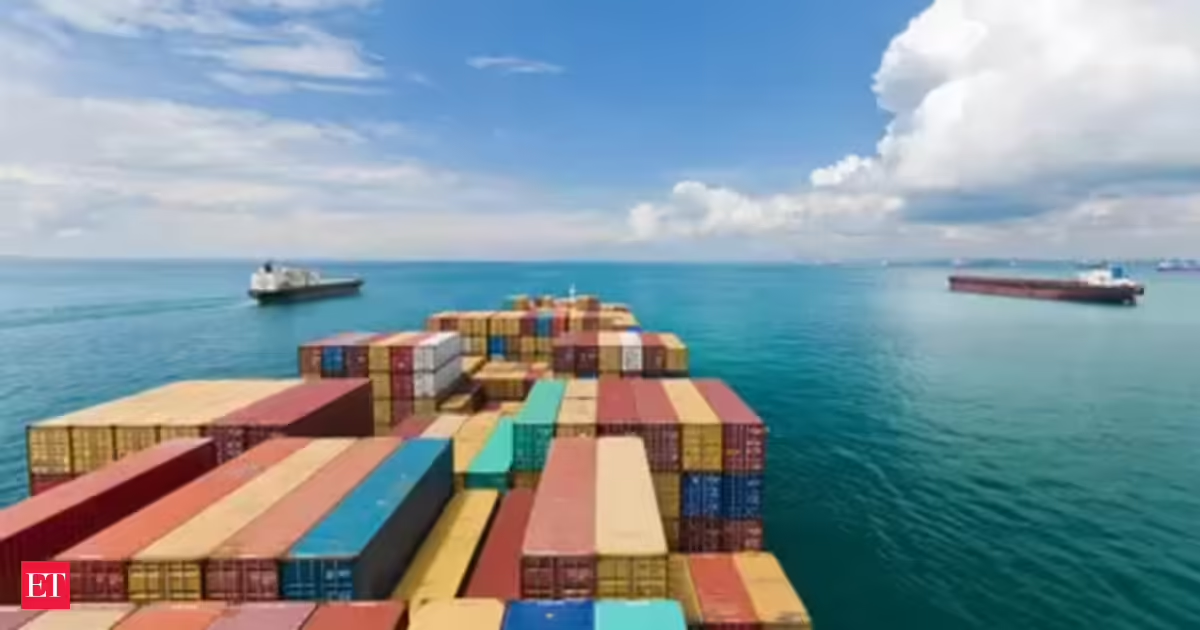
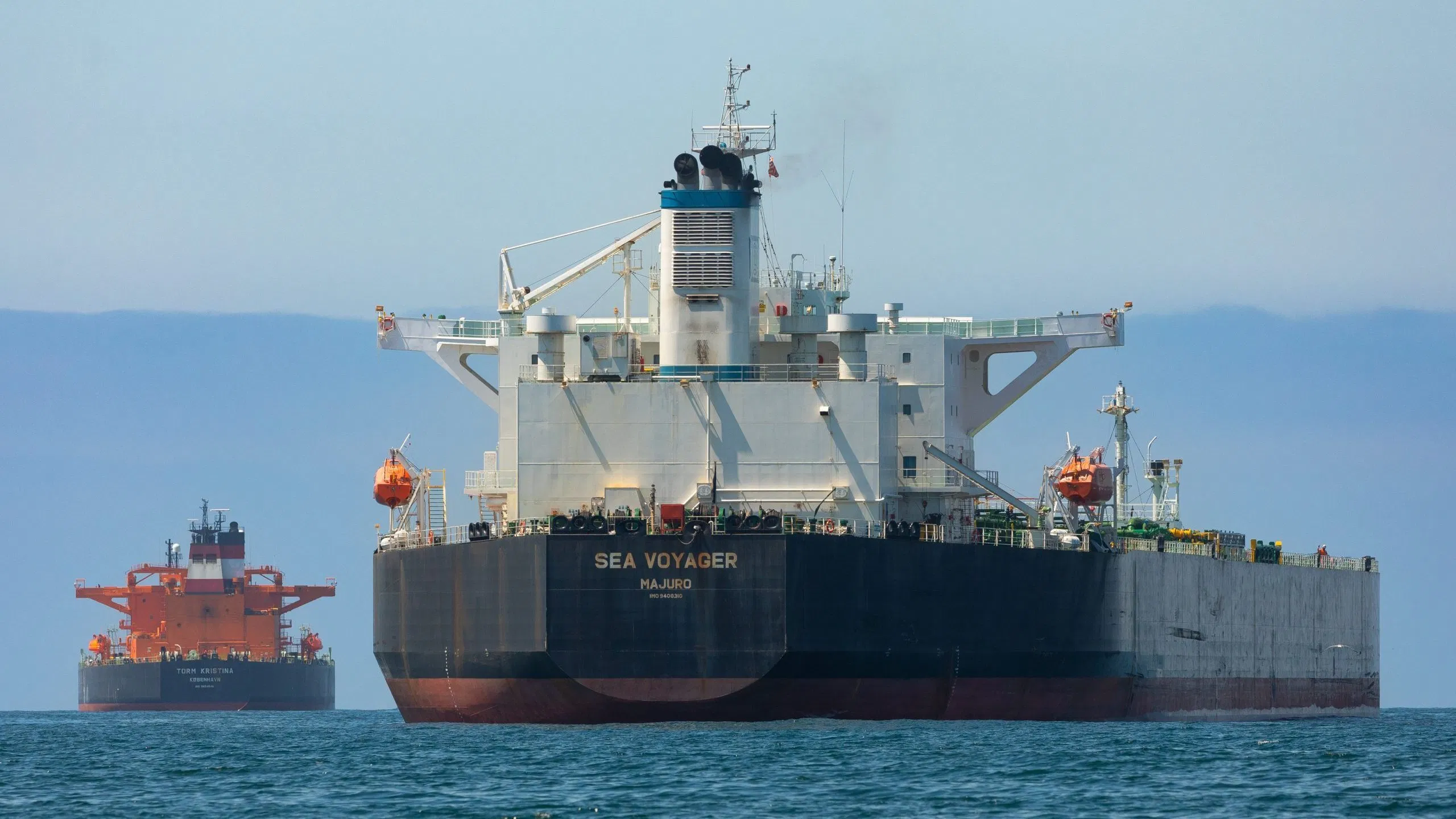
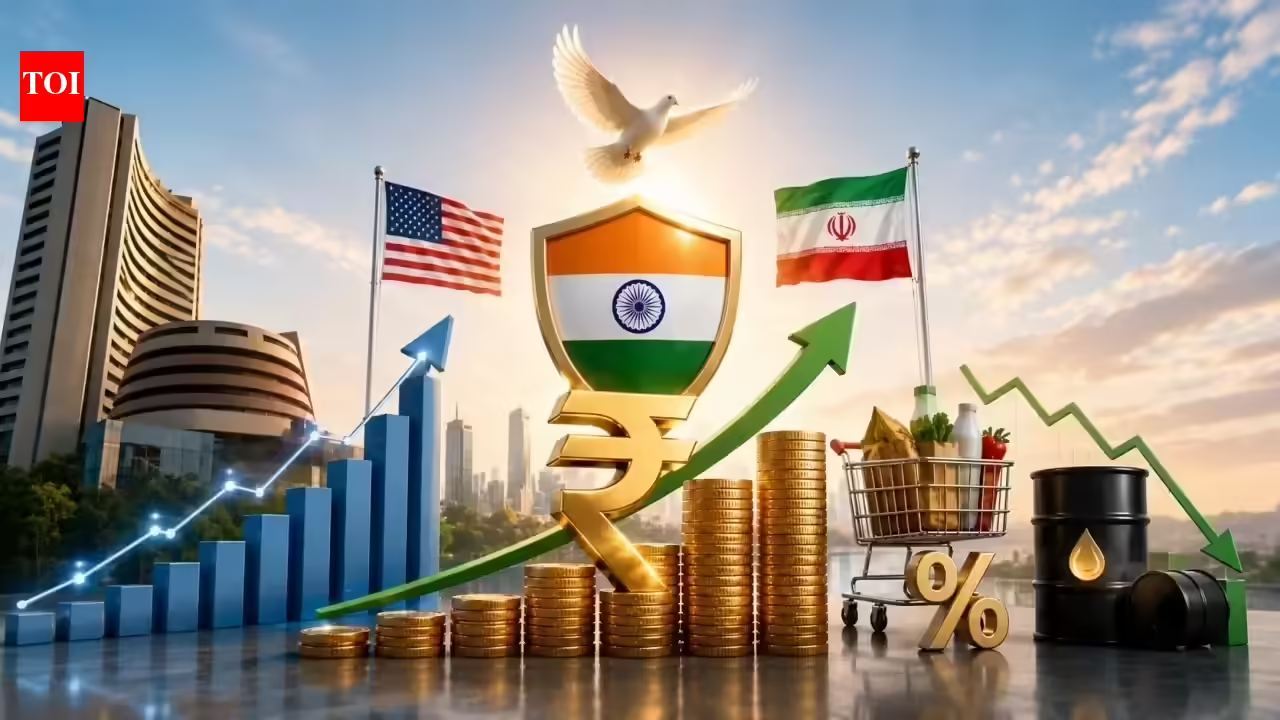
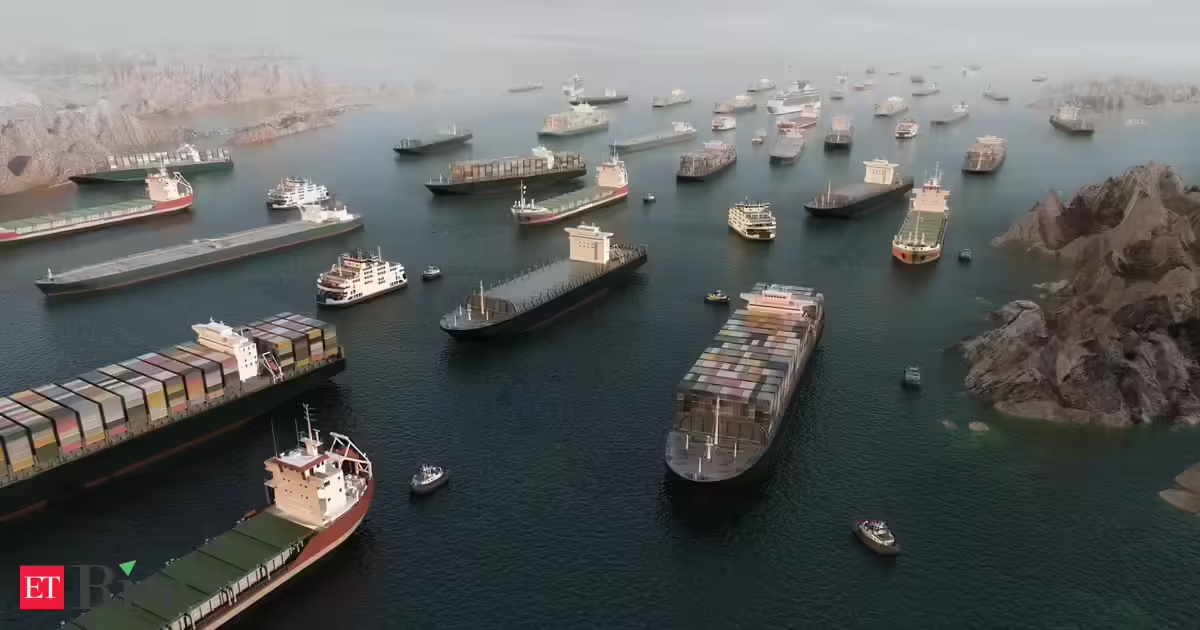
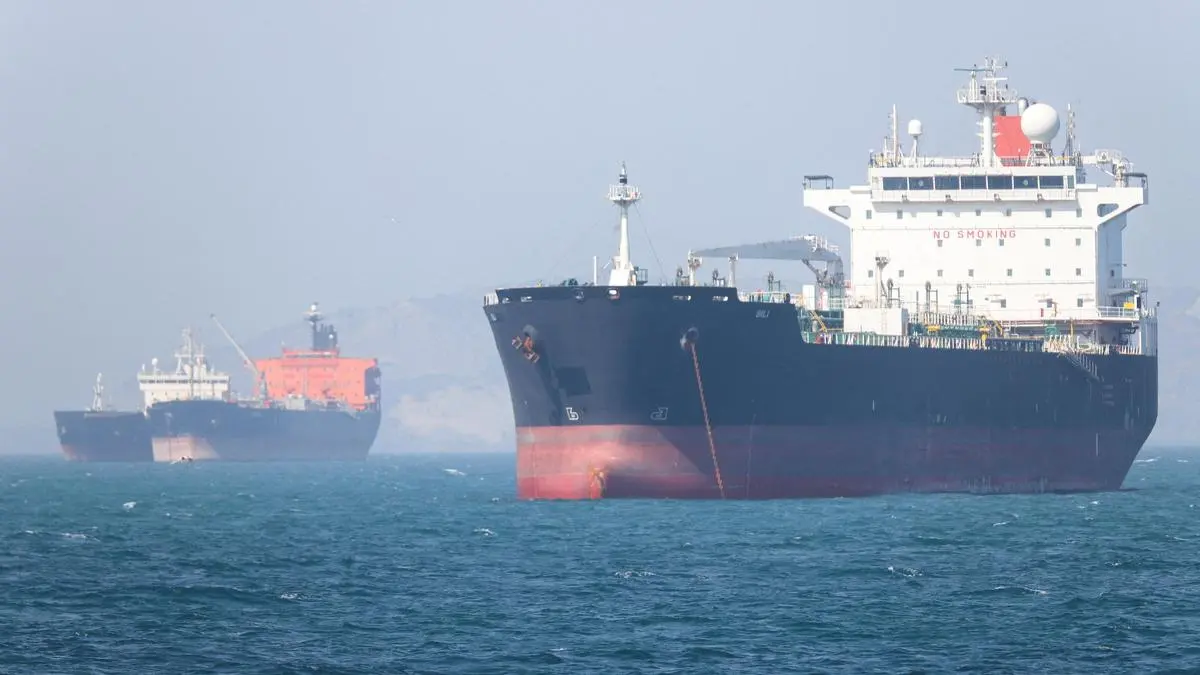
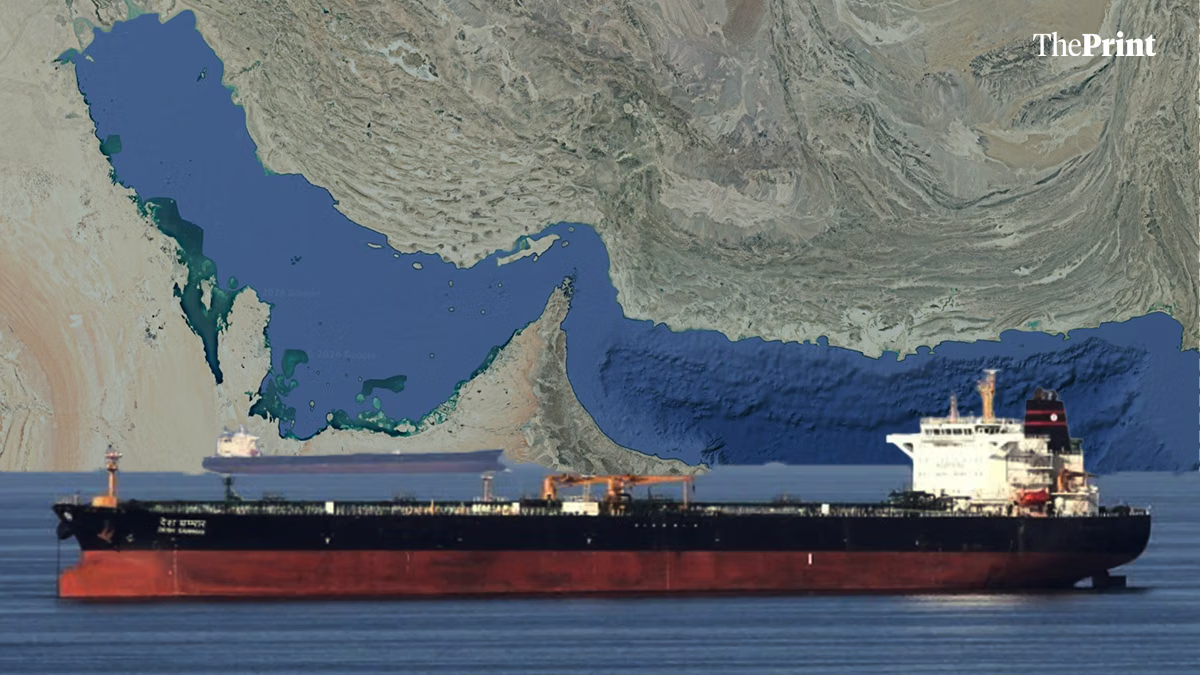
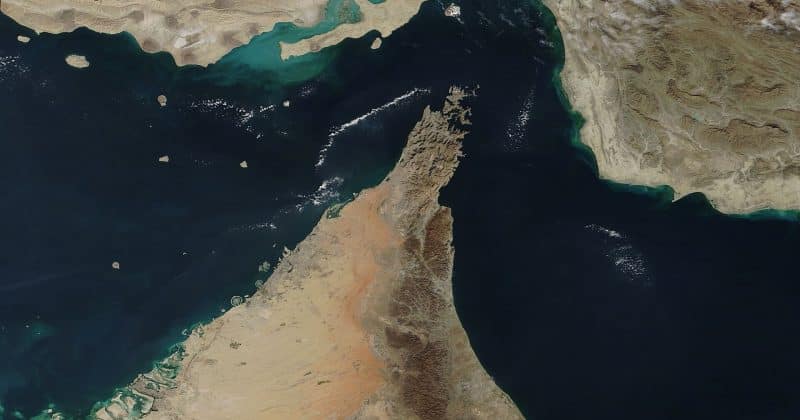
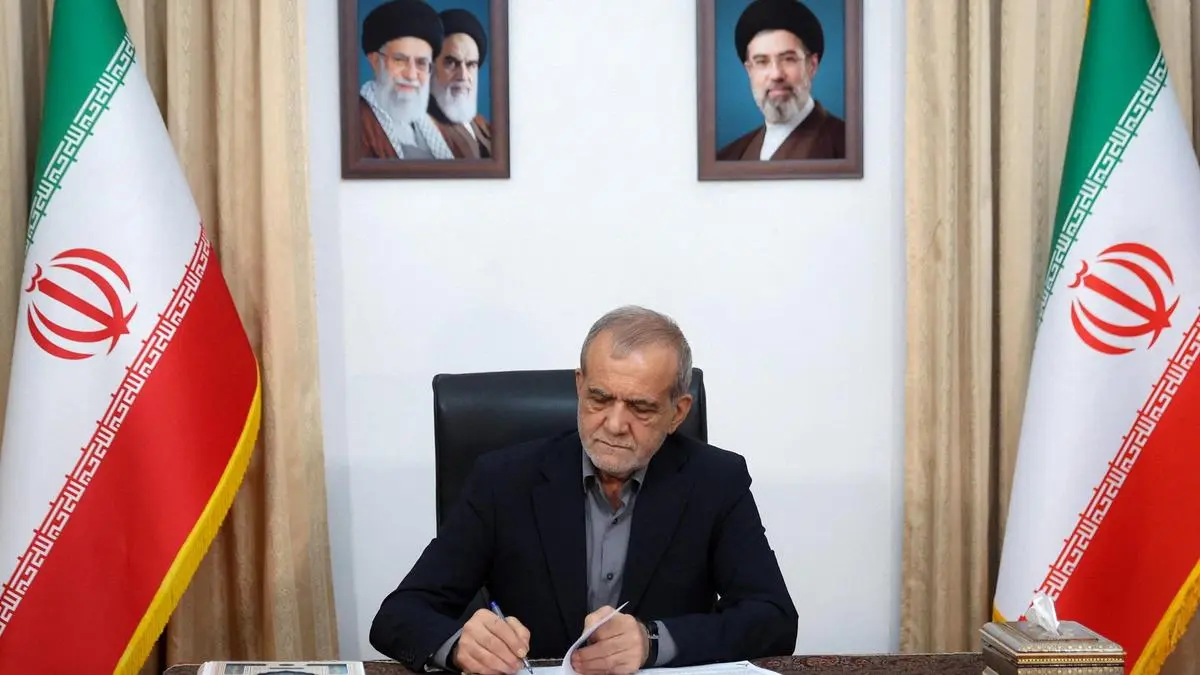
A breakthrough in US-Iran relations could have major implications for India's energy security and trade. After more than three months of hostilities, Iran and the United States agreed to a memorandum of understanding (MoU) during talks mediated by Pakistan and Qatar, with a formal signing scheduled in Geneva on June 19. The framework includes reopening the Strait of Hormuz and lifting the US blockade on Iranian ports, though implementation will take time and key issues remain under negotiation. For India, the agreement offers hope of lower energy costs and smoother shipping through one of the world's busiest maritime chokepoints. Soon after the announcement, an LNG tanker bound for Gujarat successfully transited the Strait of Hormuz. Experts, however, caution that shipping and insurance markets may take weeks or even months to fully normalise.
Confronto fonti
6 prospettive sulla stessa storiaTimeline cronologica
- ·
economictimes.indiatimes.com
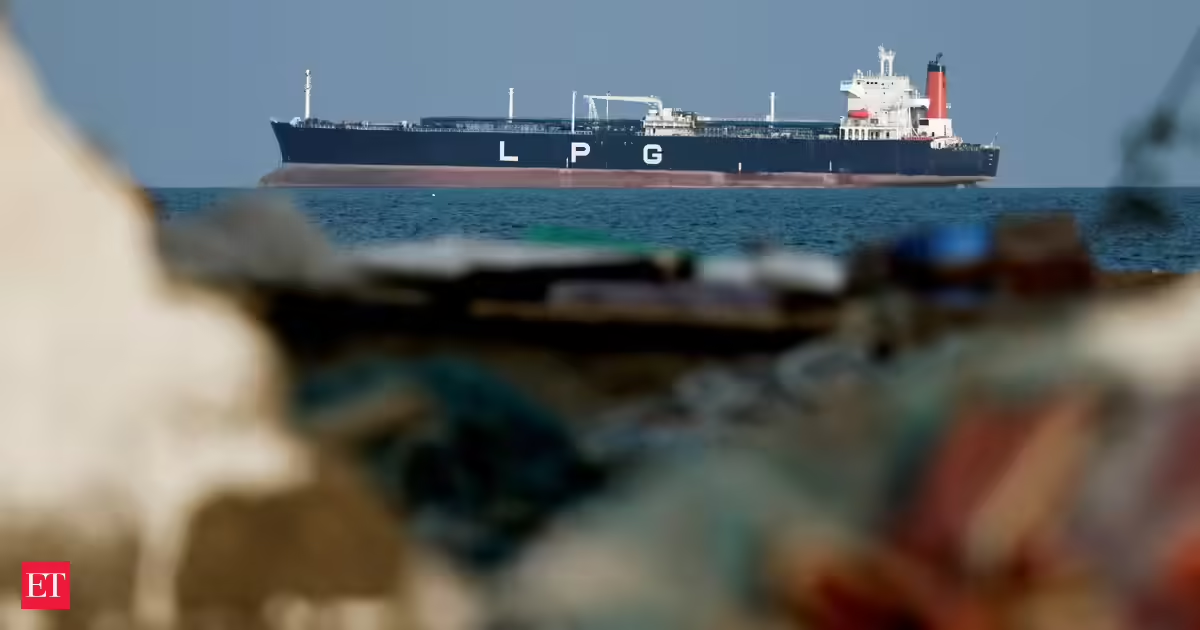
Indian LNG tanker heads toward Strait of Hormuz as US-Iran deal lifts reopening hopes
An LNG tanker is nearing the Strait of Hormuz as the US and Iran reportedly reach a deal to reopen the vital waterway. European natural gas and oil prices fell as traders…
- ·
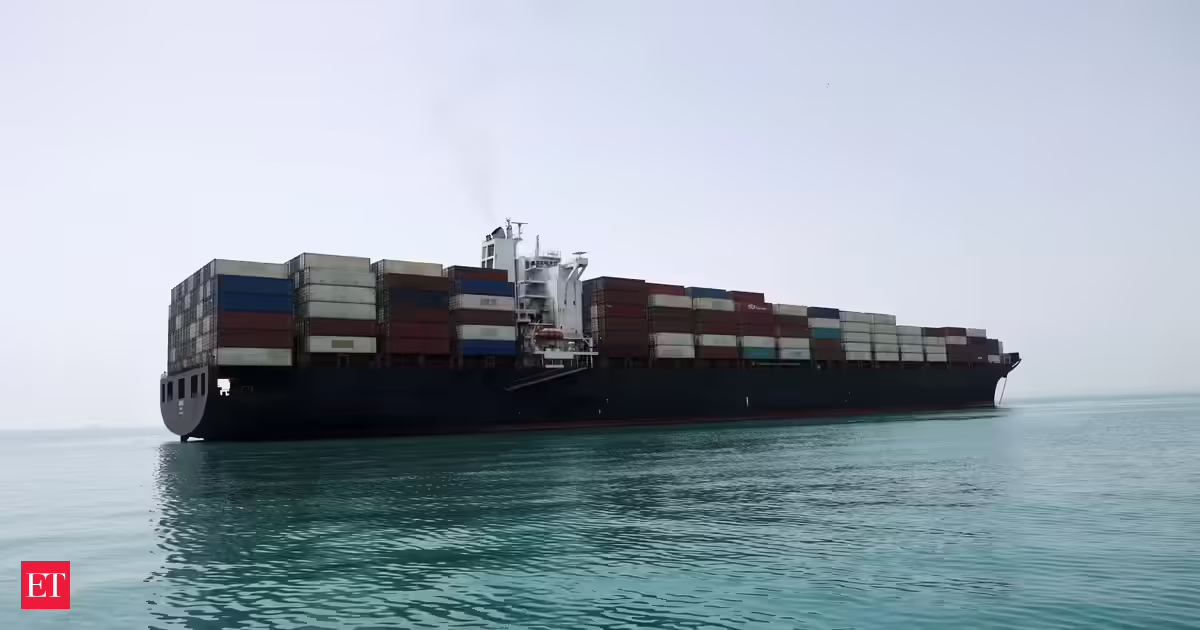
Strait of Hormuz reopening to ease oil supply risks for India as US-Iran reach truce deal