HomeAI · summaries
Storia in 7 fonti
Analysts expected oil to surge above $200 but China has quietly kept prices half of that—and can’t for much longer | Fortune
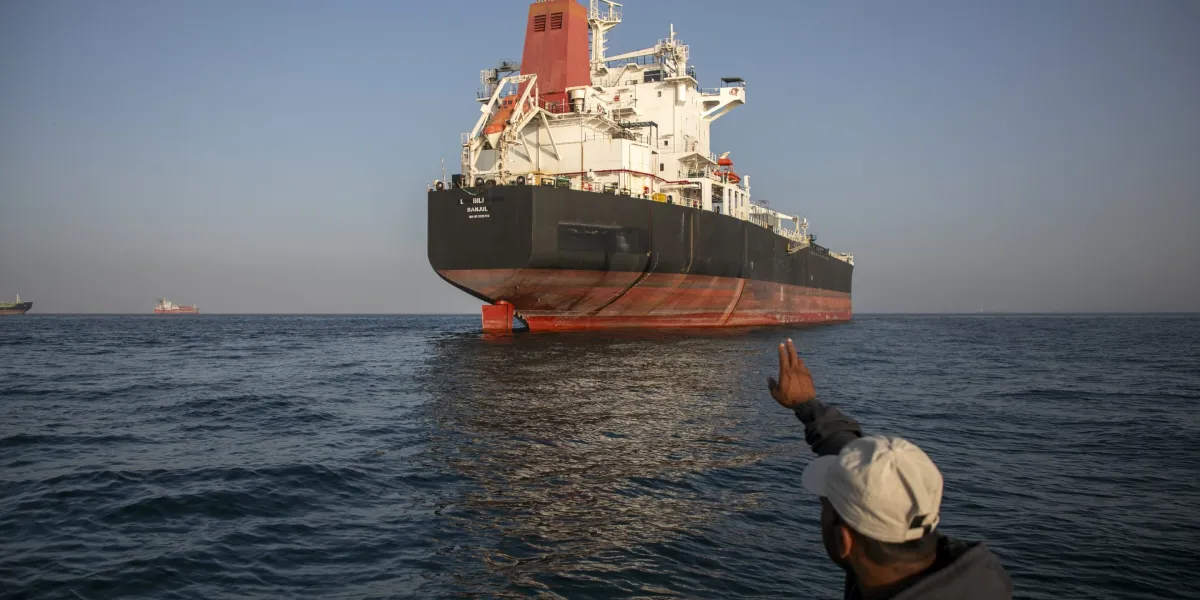
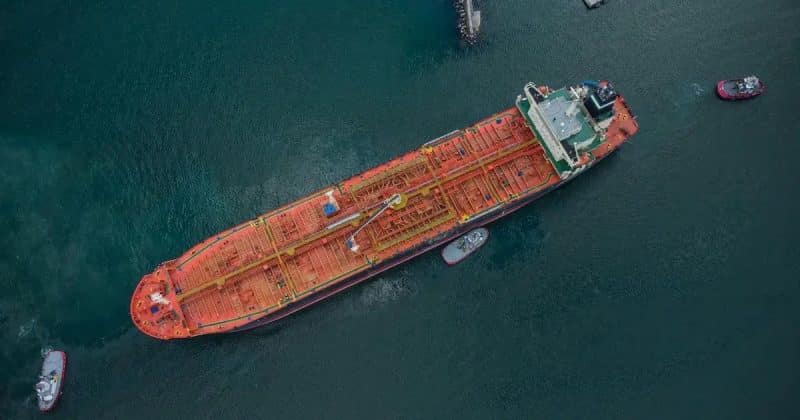
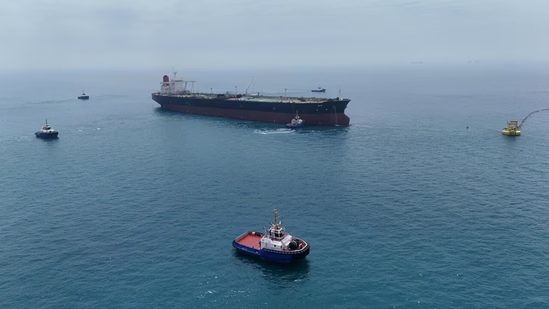
As the Strait of Hormuz remains closed for the fourth month, “one development stands out: prices have become remarkably calm,” JPMorgan analysts said.
Confronto fonti
6 prospettive sulla stessa storiaTimeline cronologica
- ·
cnbc.com
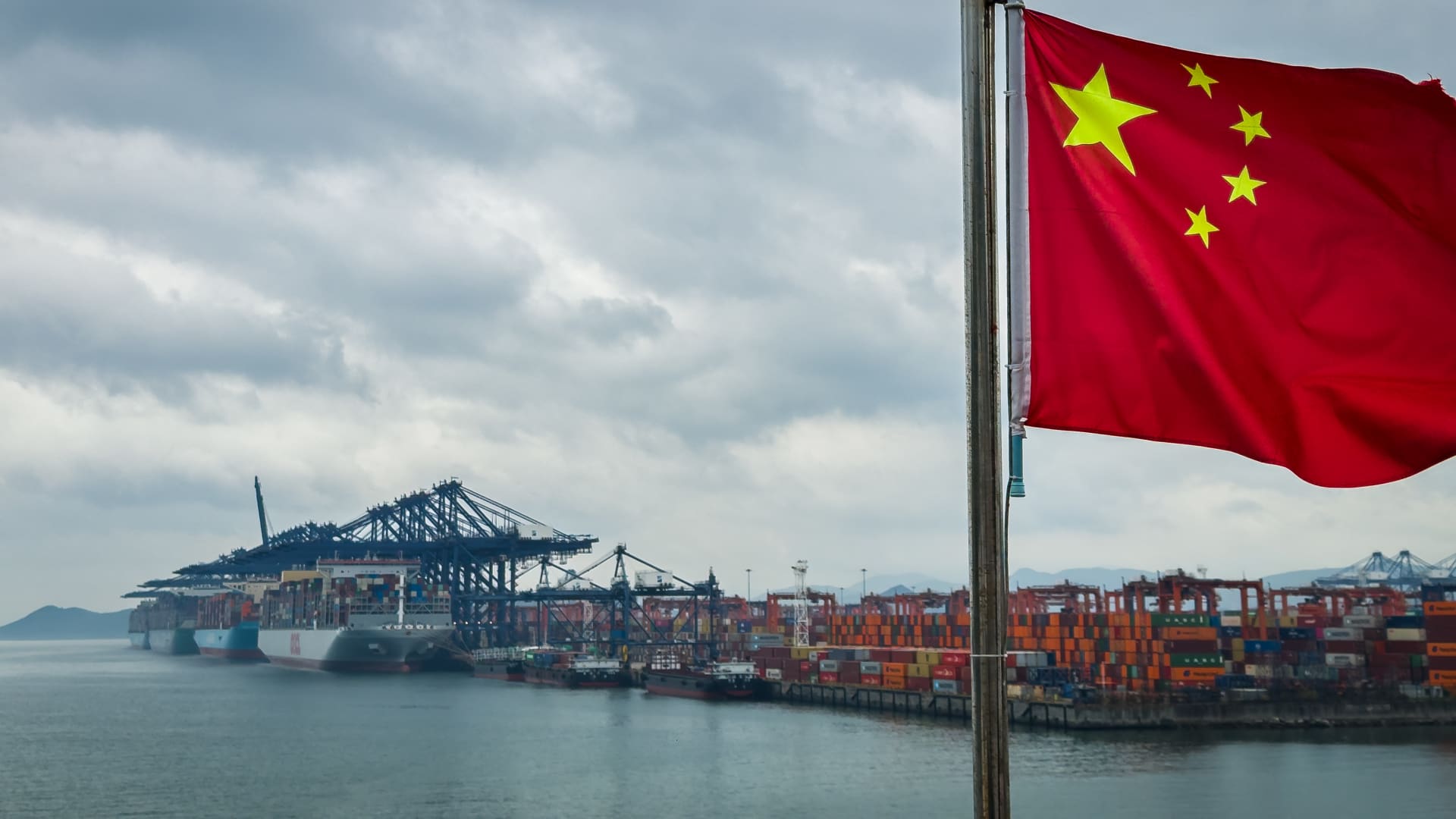
China is helping to cushion global oil prices below $100 — but analysts warn it won’t last
China has reduced oil imports since the start of the Iran war, capping global crude prices.
- ·
zerohedge.com
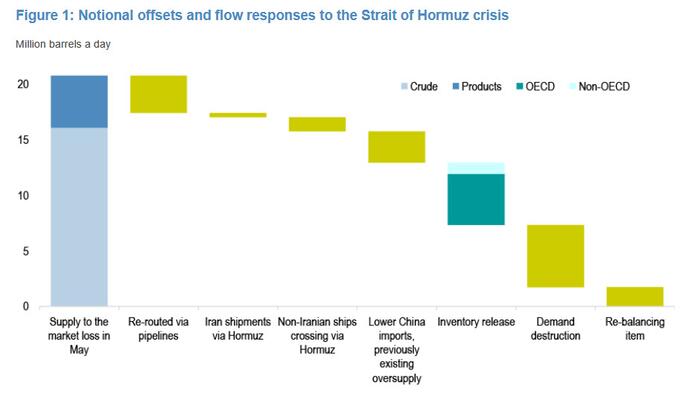
JPMorgan Warns Of Oil Shock Scenario If Hormuz Remains Blocked Beyond June
"Each additional month of disruption would lift average prices by roughly $5 in 3Q26 and $15 in 4Q26, driven primarily by accelerating inventory depletion."