HomeAI · summaries
Storia in 13 fonti
How devastating floods killed at least 58 of the world’s rarest orangutans
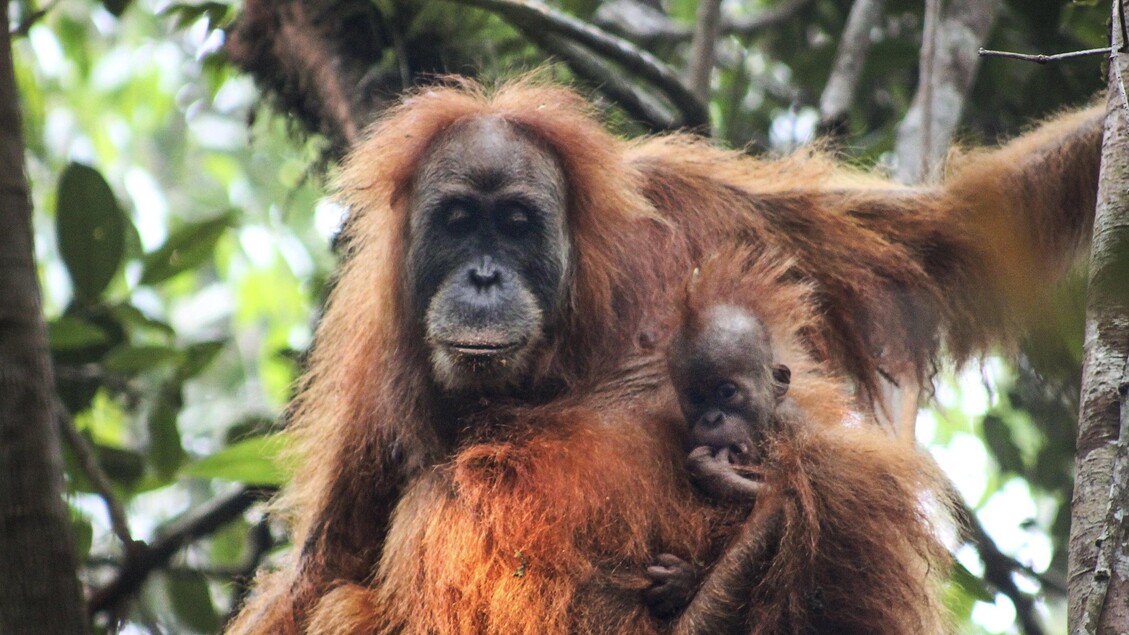
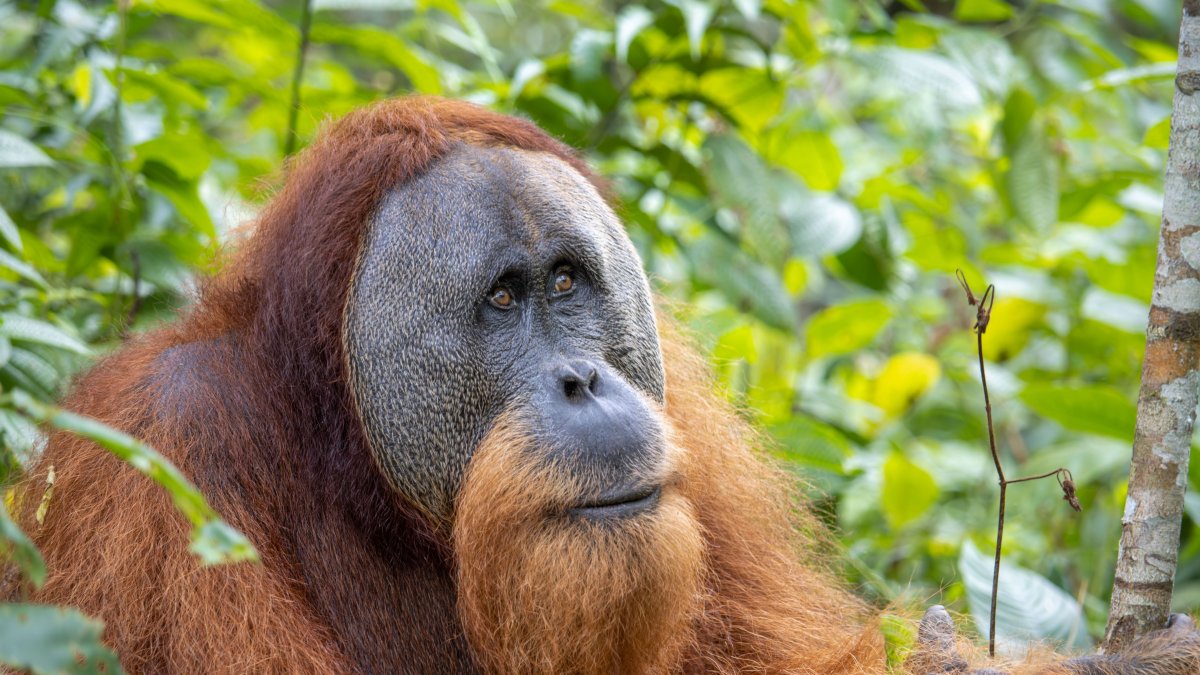
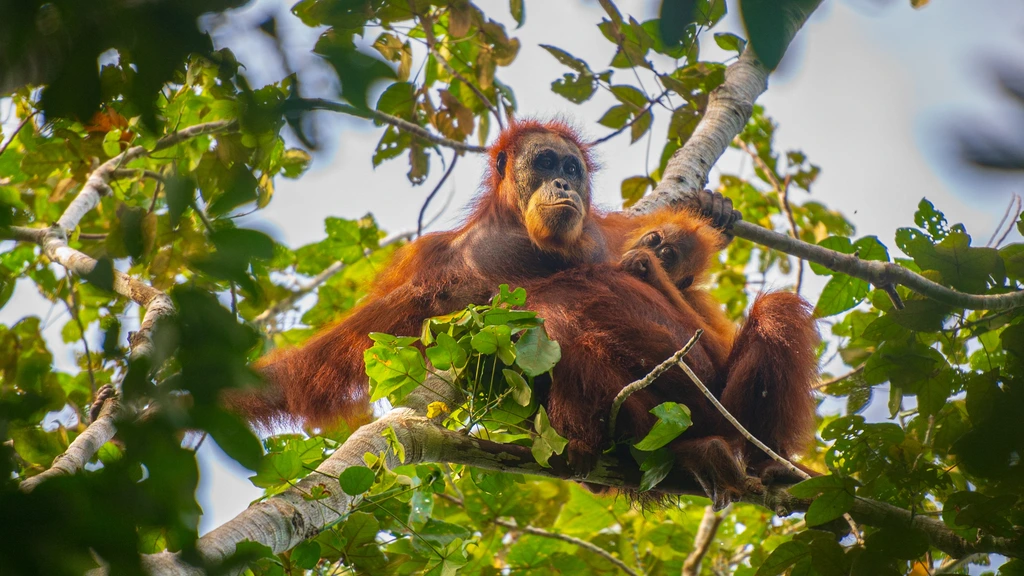
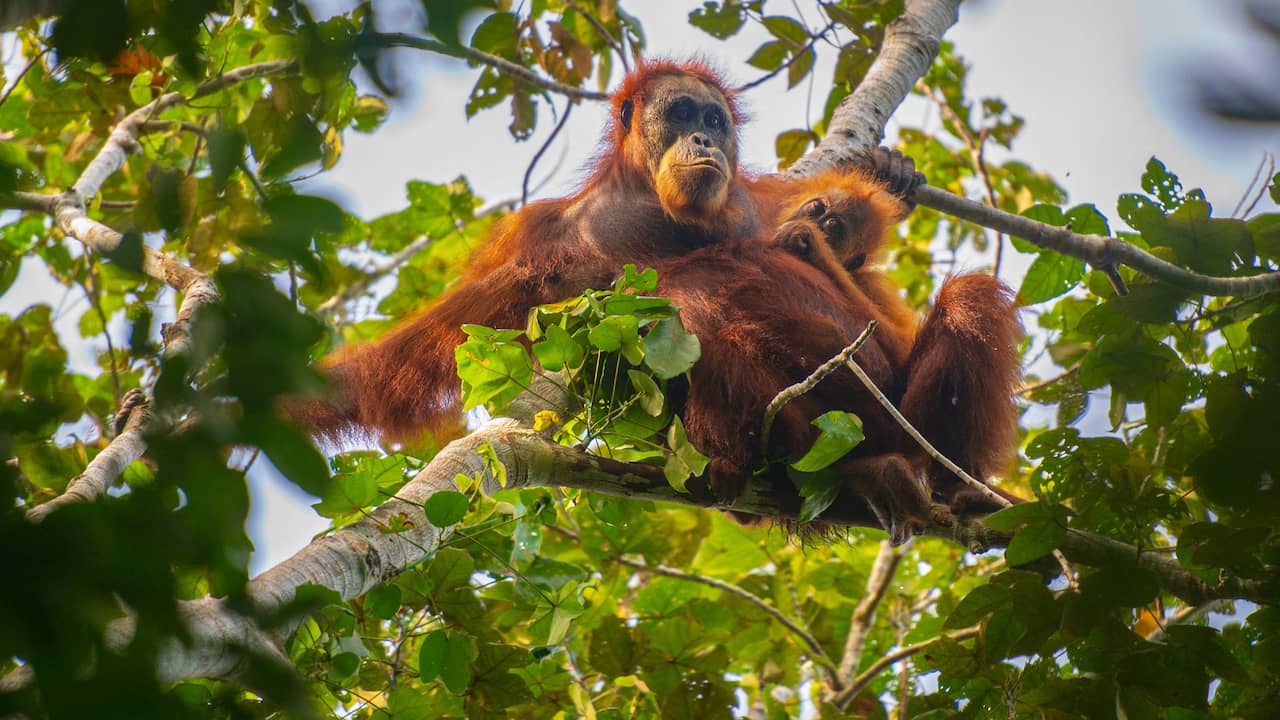
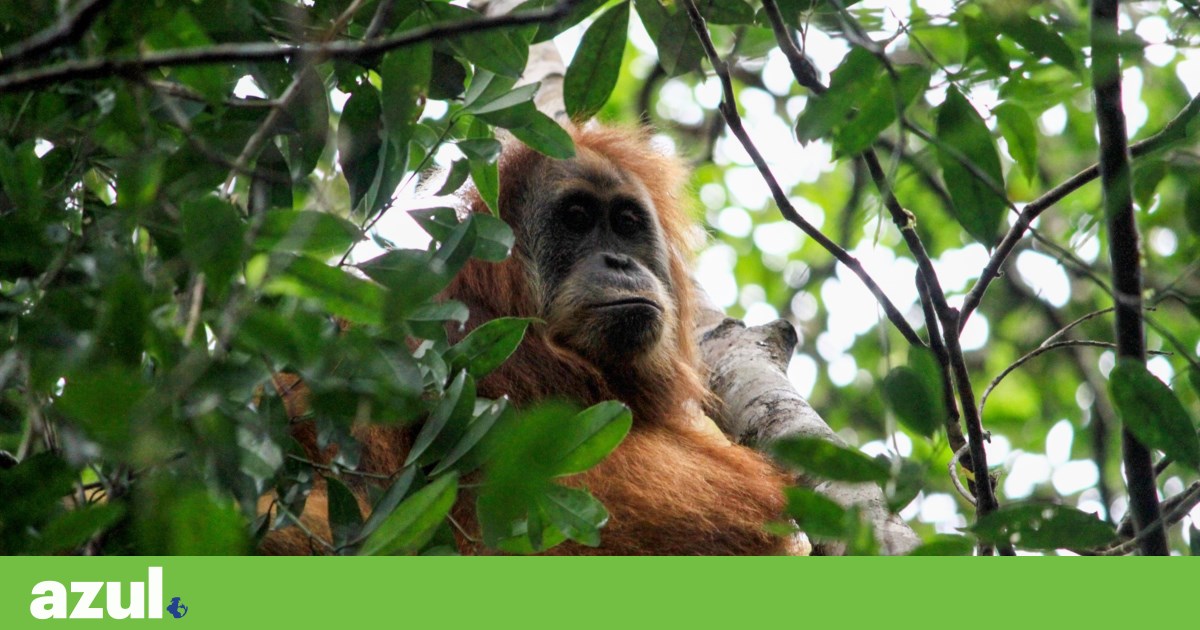
Stay up to date with notifications from The IndependentNotifications can be managed in browser preferences.Jump to contentThank you for registeringPlease refresh the page or navigate to another page on the site to be automatically logged inPlease refresh your browser to be logged inAllNewsSportCultureLifestyleDeadly floods and landslides on the Indonesian island of Sumatra in 2025 resulted in the deaths of at least 58 critically endangered Tapanuli orangutans, representing a minimum of seven per cent of their total population. The joint study, conducted by Borneo Futures, World Weather Attribution, and Liverpool John Moores University, focused solely on the western block of the Batang Toru forest, suggesting the actual death toll for the species could be considerably higher. The natural disaster, which also claimed at least 1,200 human lives and damaged approximately 300,000 homes, has been linked by environmental groups to rapid deforestation across Sumatra. Researchers indicate that human-induced climate change likely intensified the frequency and severity of extreme rainfall around the Malacca Strait, thereby increasing the risk to the Tapanuli orangutan's habitat. With Tapanuli orangutans recognised as the world's most endangered great ape, experts are urging the Indonesian government to collaborate with NGOs and researchers on a coordinated action plan to prevent further population decline and address unsustainable land use. In fullDeadly Sumatra floods wiped out 7% of the world’s rarest orangutansThank you for registeringPlease refresh the page or navigate to another page on the site to be automatically logged inPlease refresh your browser to be logged in
Confronto fonti
6 prospettive sulla stessa storiaTimeline cronologica
- ·
independent.co.uk
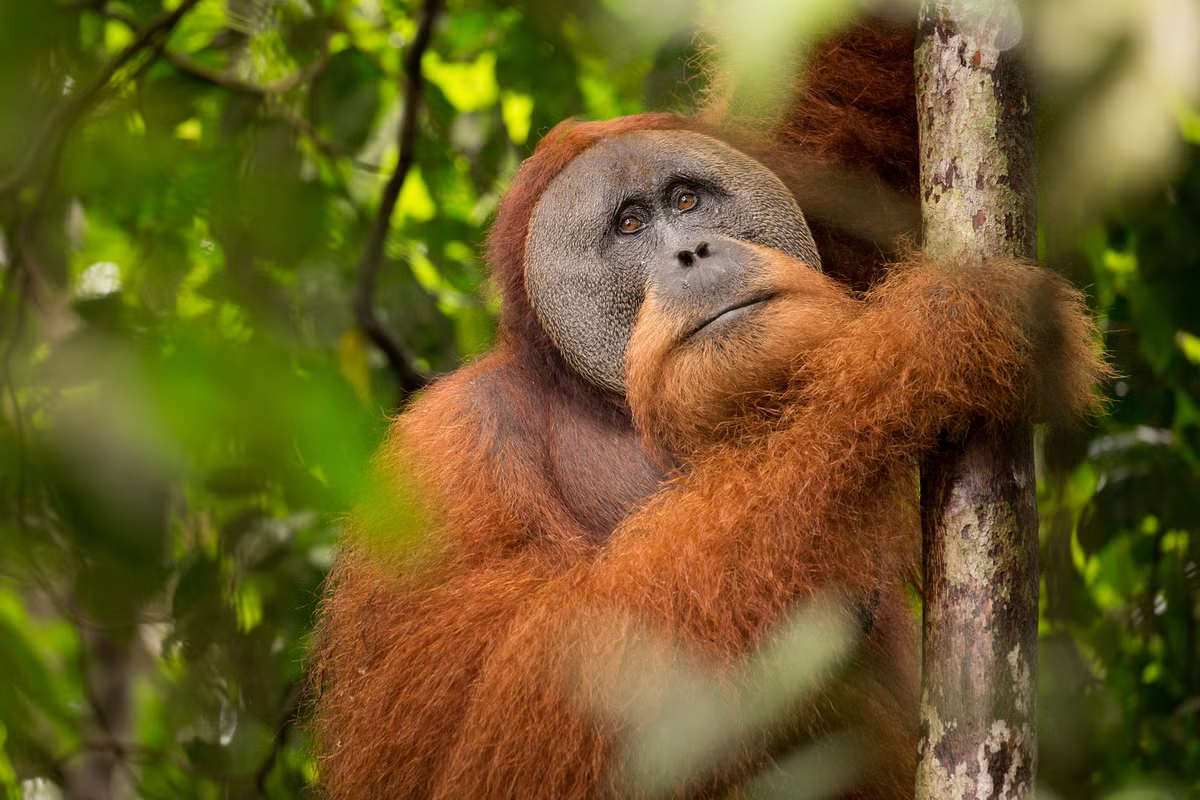
Deadly Sumatra floods wiped out 7% of the world’s rarest orangutans
At least 58 of the rare primates perished in the disaster
- ·
theguardian.com
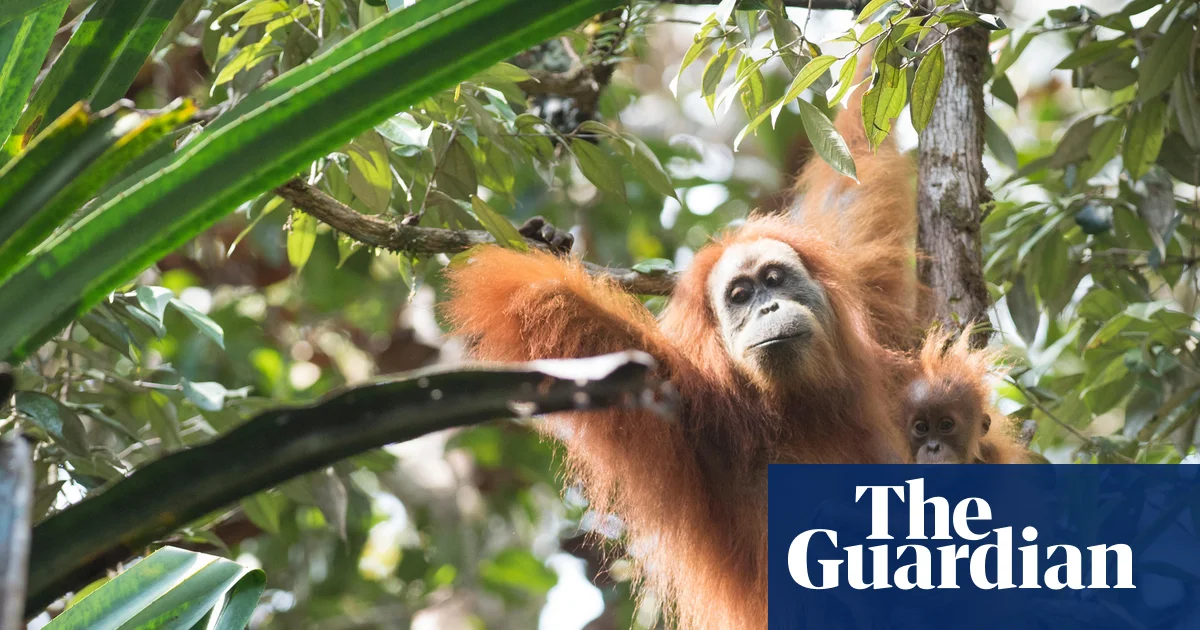
Rainfall and landslides last year in Indonesia killed 7% of world’s rarest great apes – study
Critically endangered Tapanuli orangutan population falls after extreme weather – fuelled by climate crisis – in North Sumatra