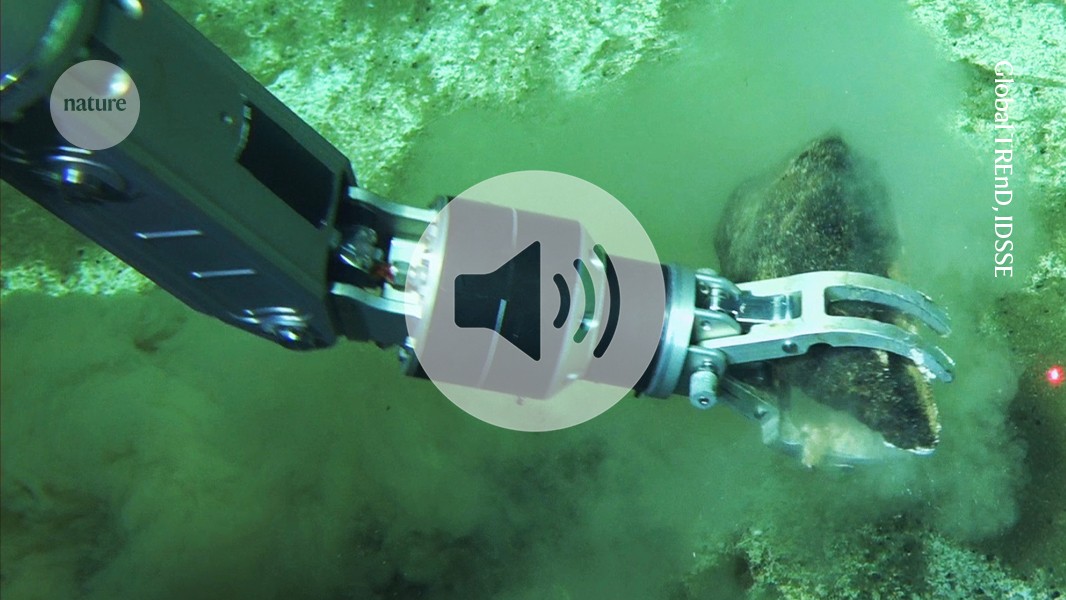
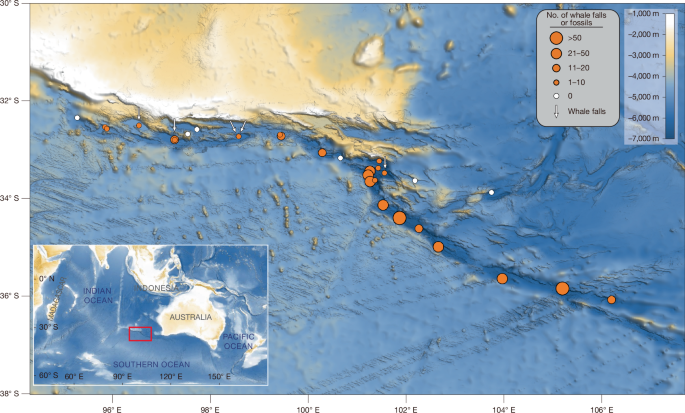
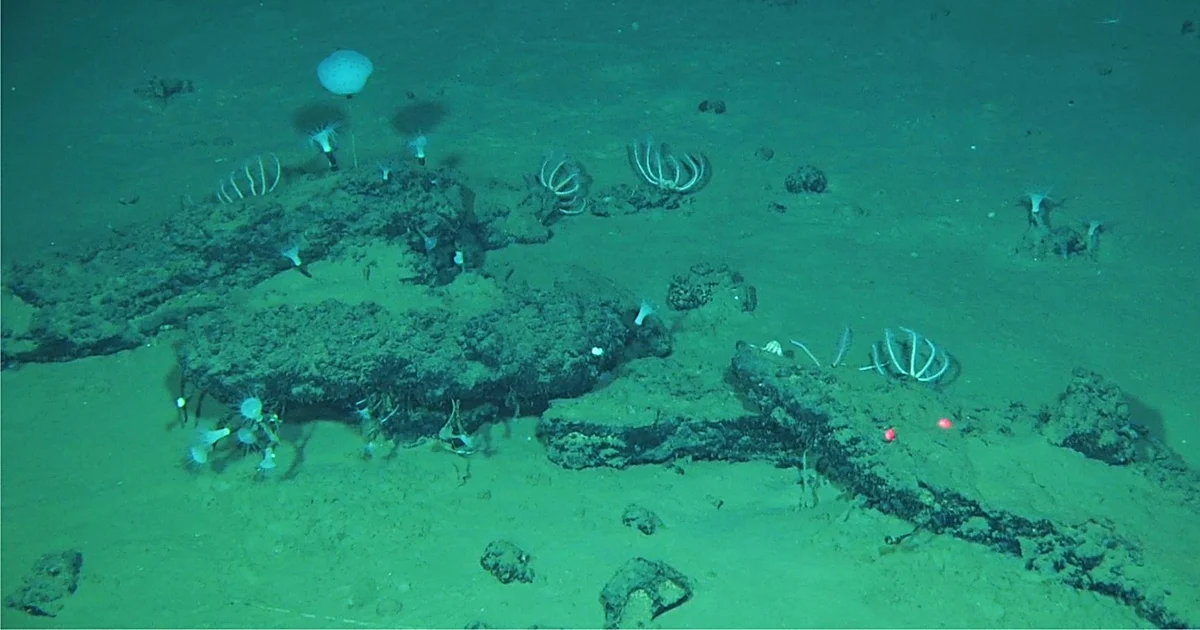
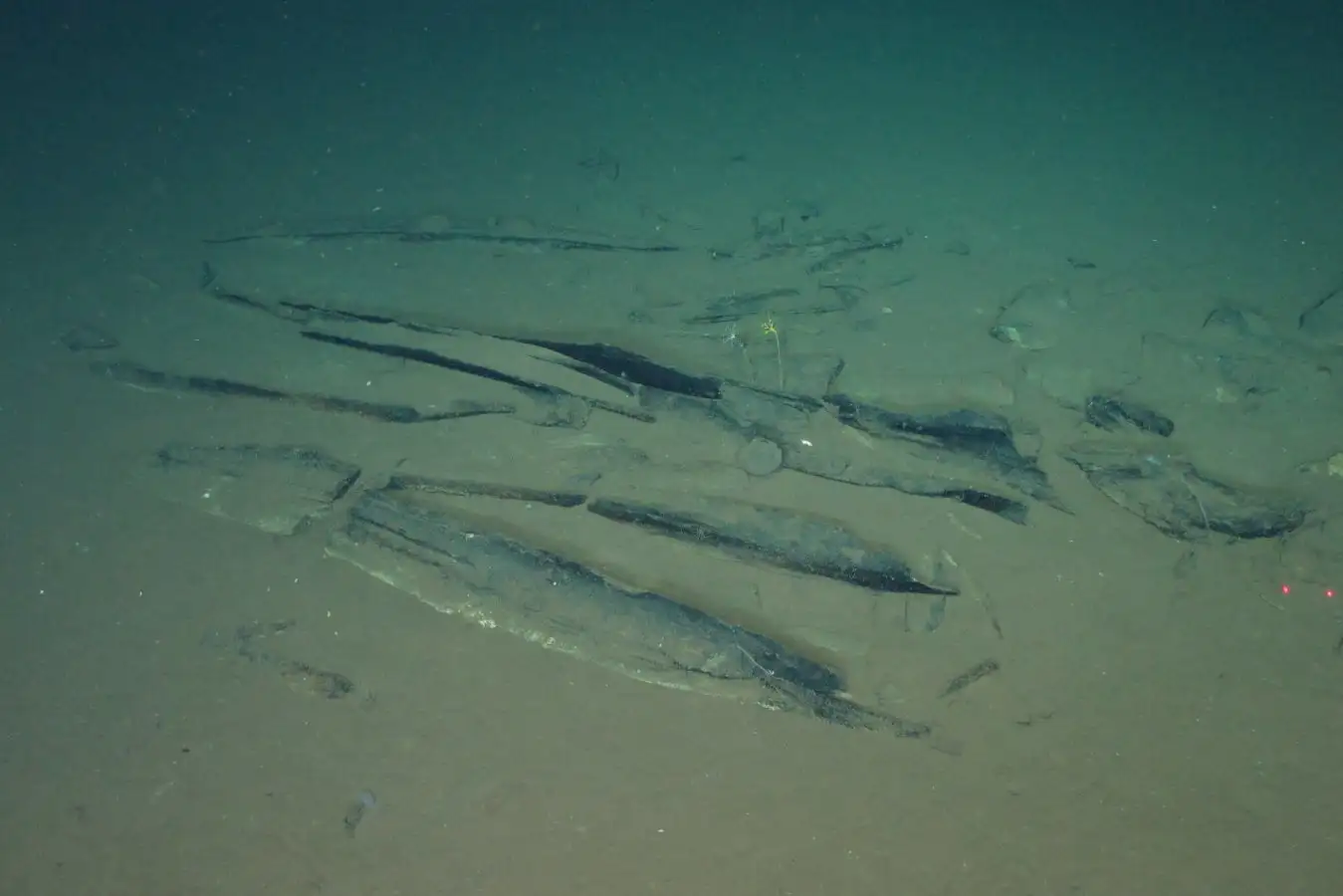
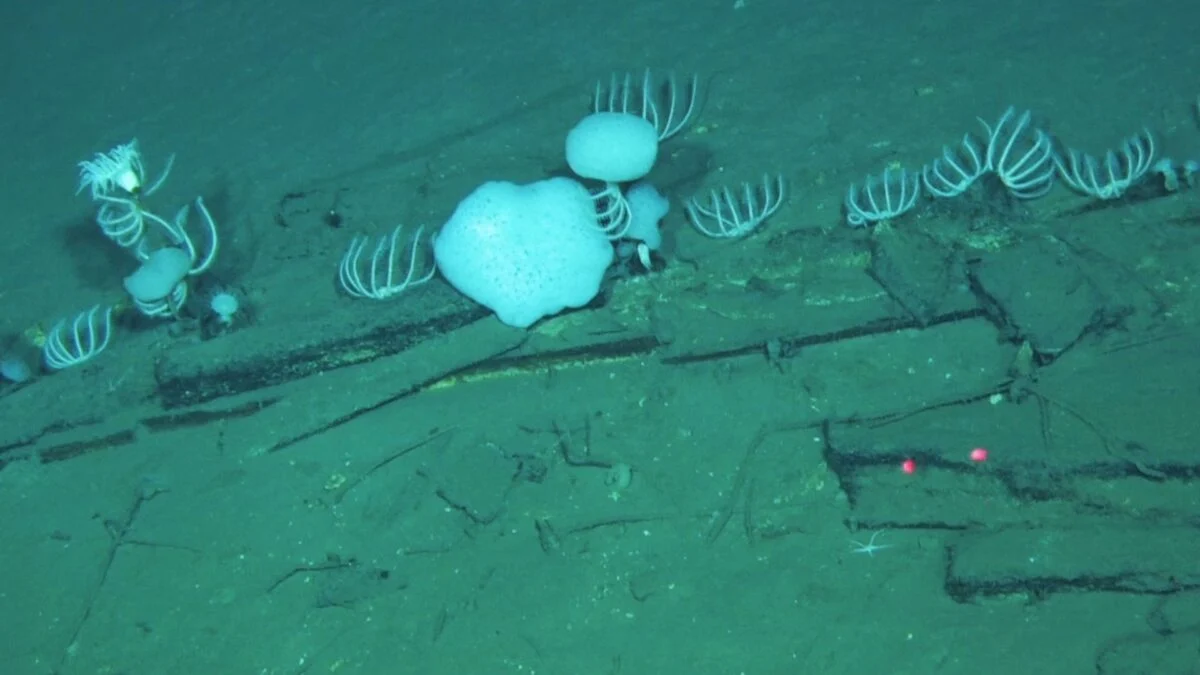
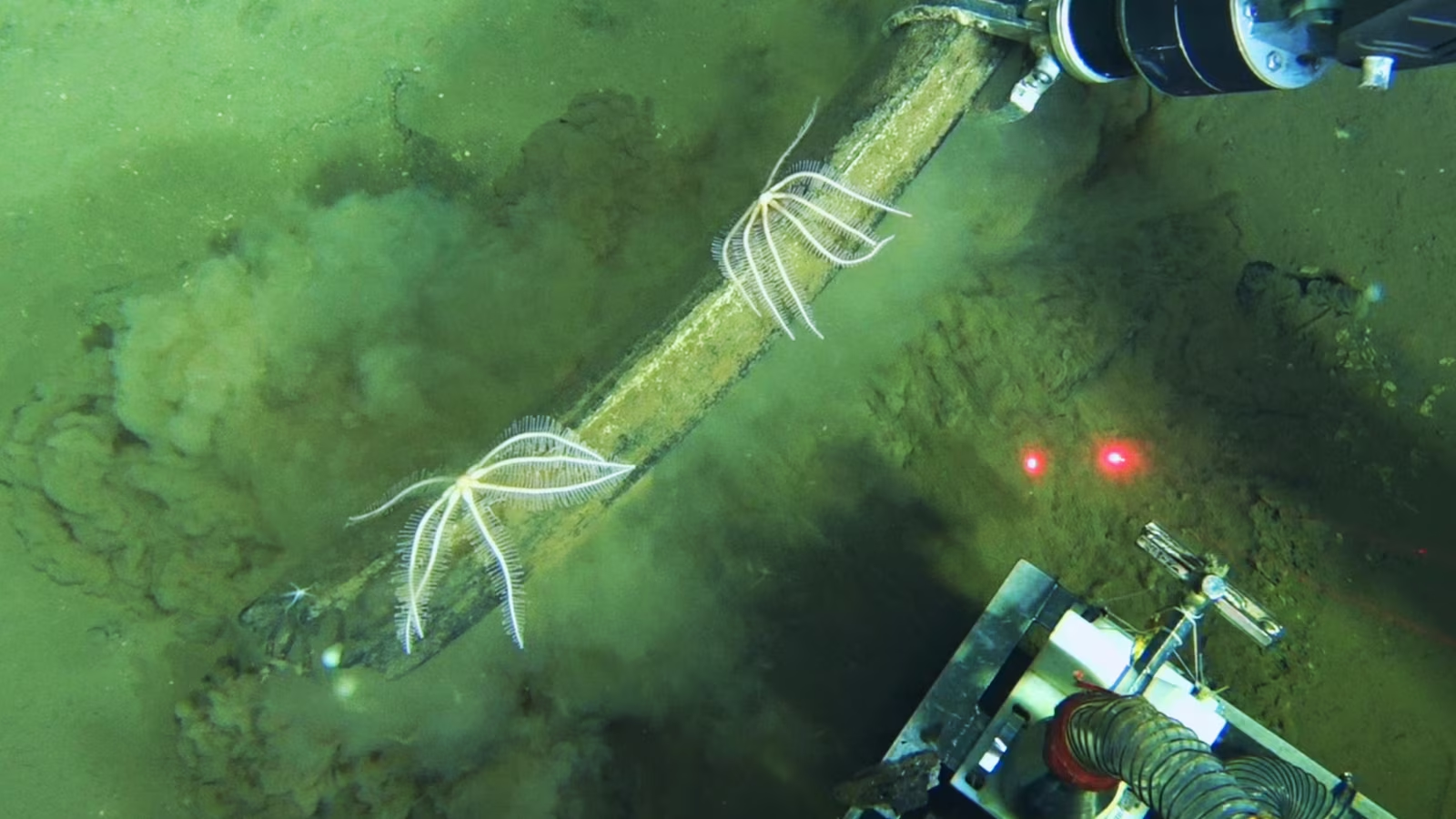
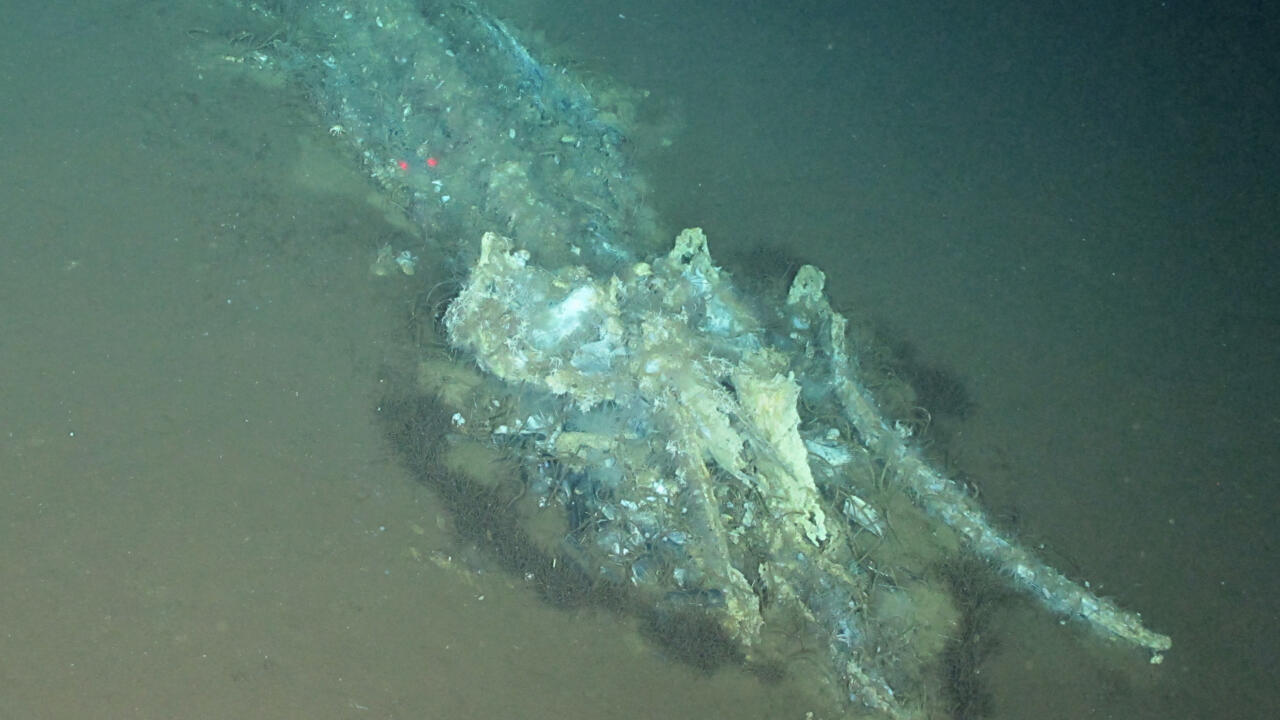
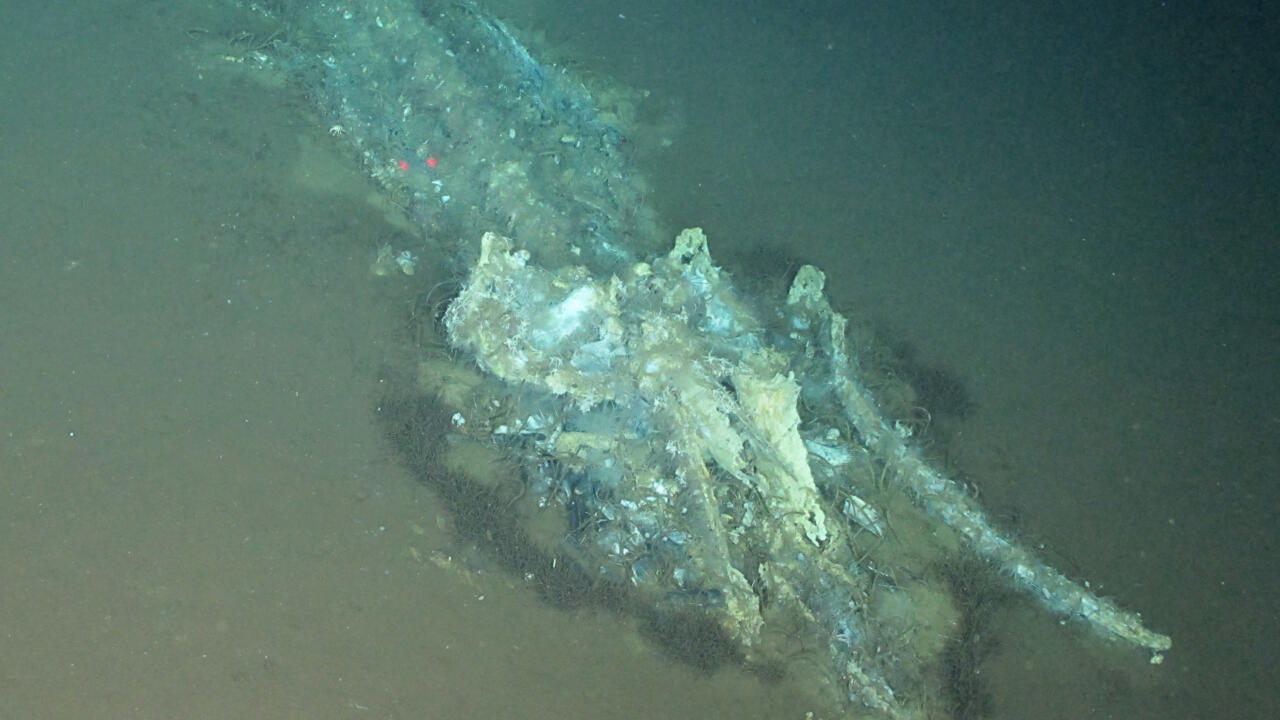
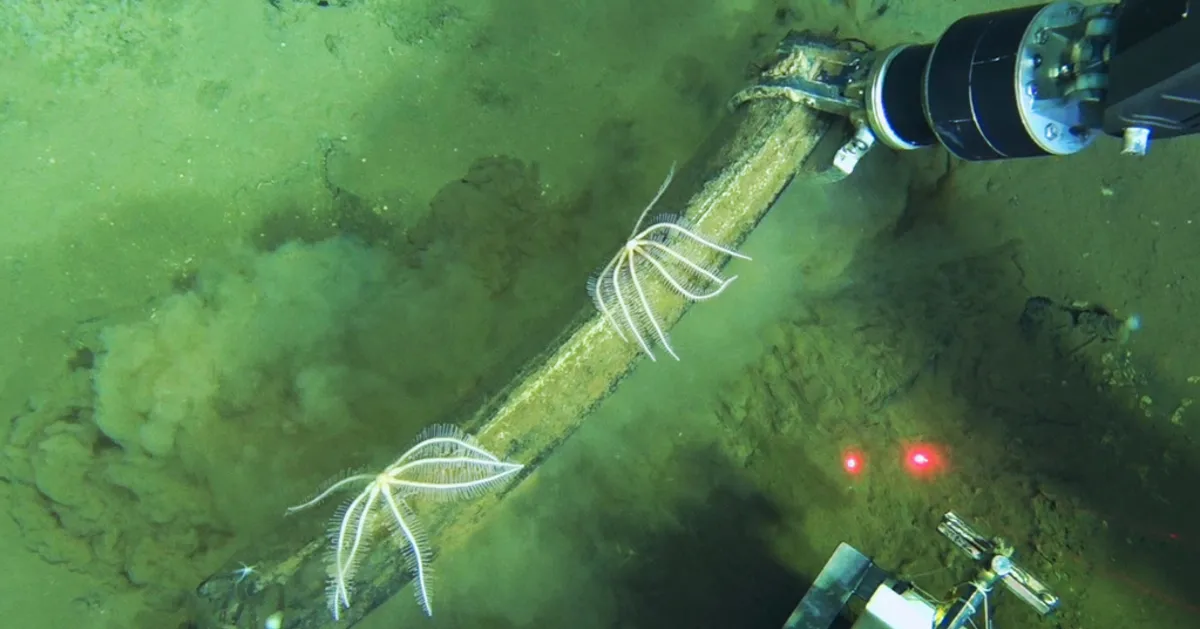
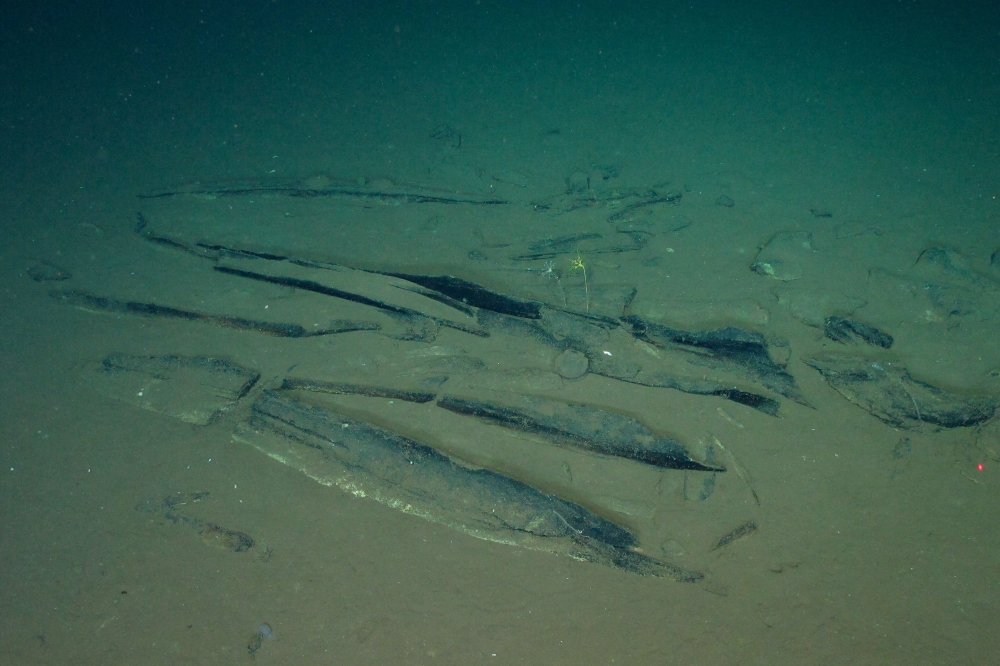
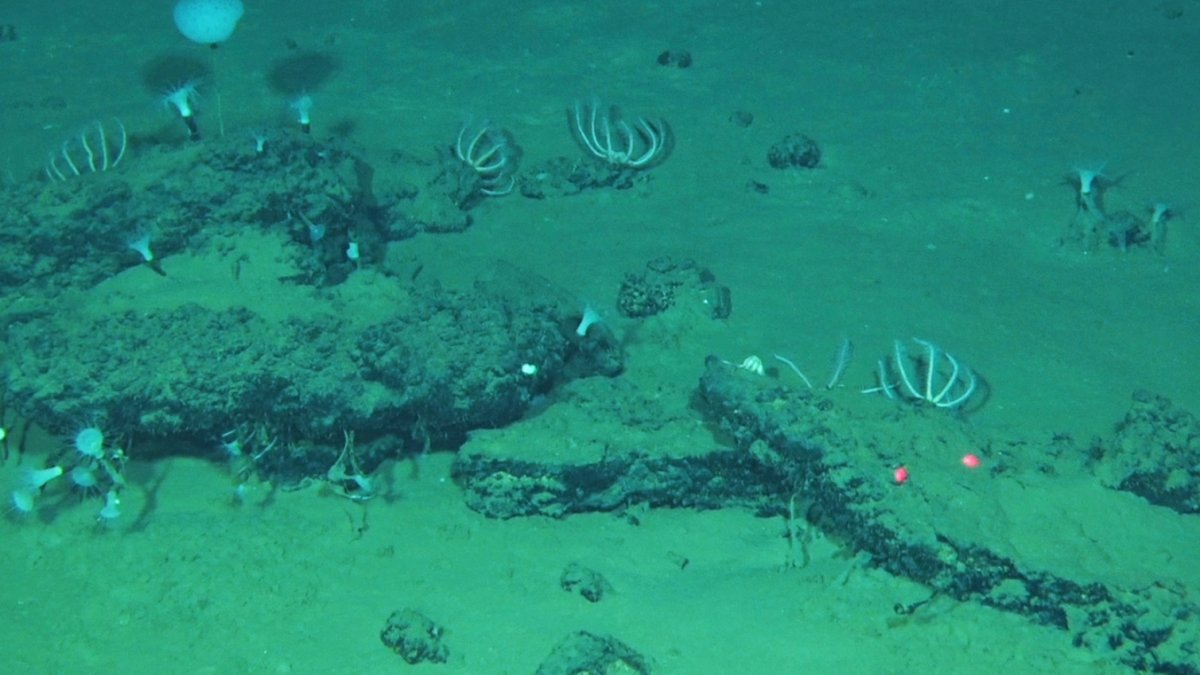
In the Indian Ocean, a deep-sea area roughly 1,200 kilometres long and 7 kilometres deep was found to harbour an ecological landmark site of whale remains.

Hear the biggest stories from the world of science | 10 June 2026

Researchers uncovered an enormous deep-sea accumulation of whale remains in the southeastern Indian Ocean, showing long-term, specialized ecosystems and an extensive fossil record…
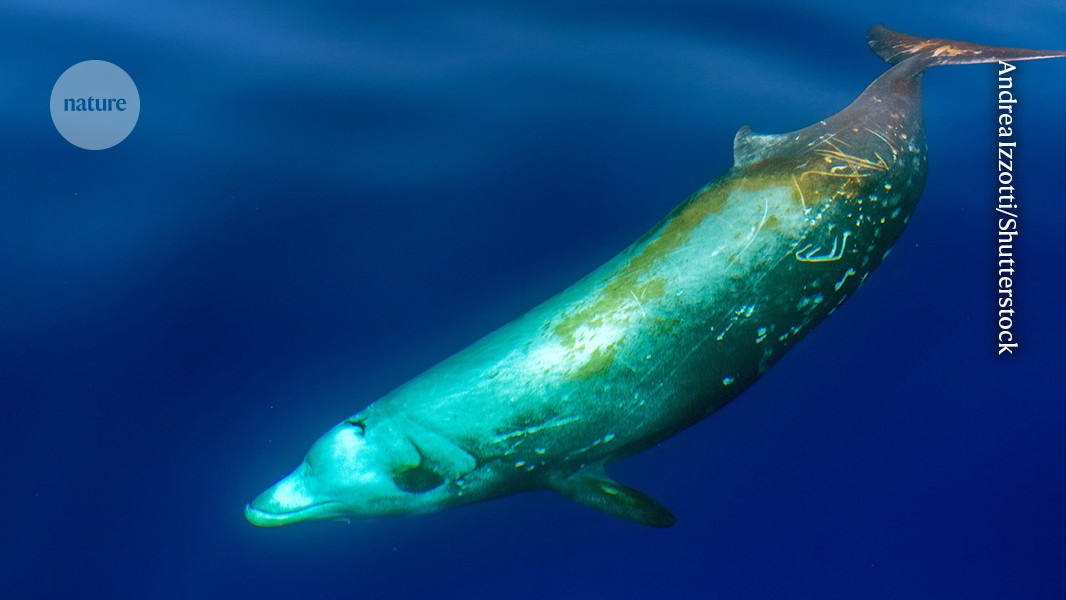
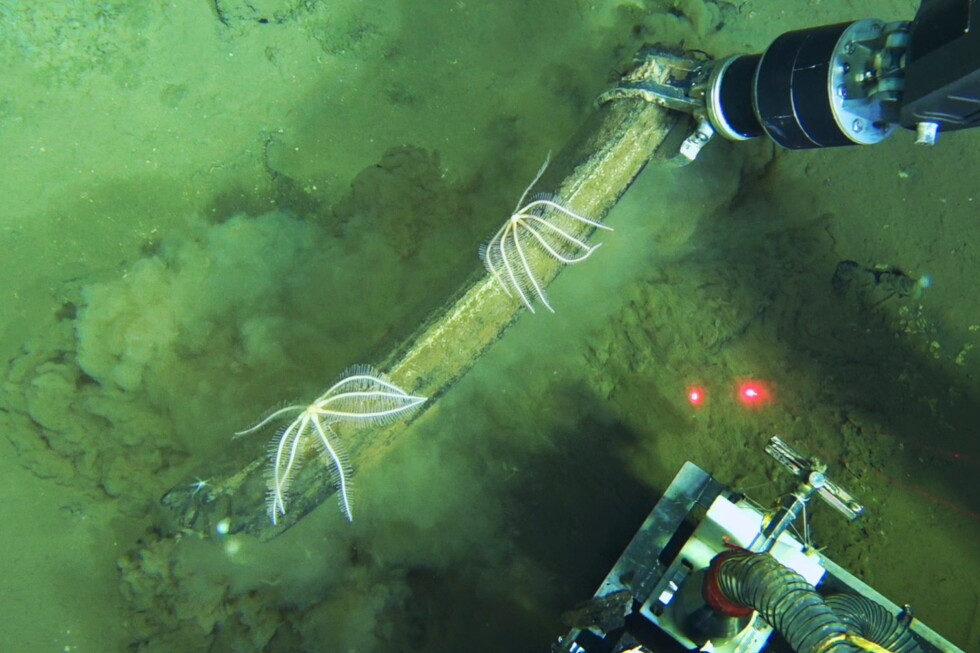
In the Indian Ocean, a deep-sea area roughly 1,200 kilometres long and 7 kilometres deep was found to harbour an ecological landmark site of whale remains.

Scientists have unearthed marine communities thriving on a millions-year-old whale graveyard. These graveyards form when whale carcasses fall to the sea floor, becoming a…

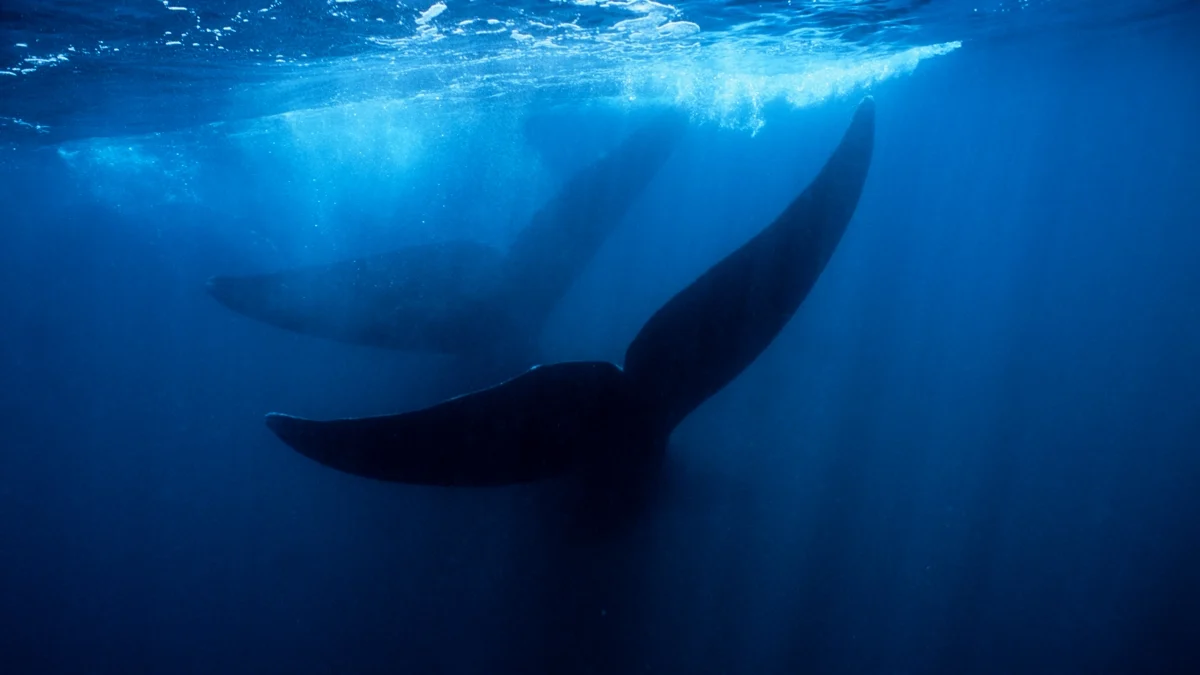
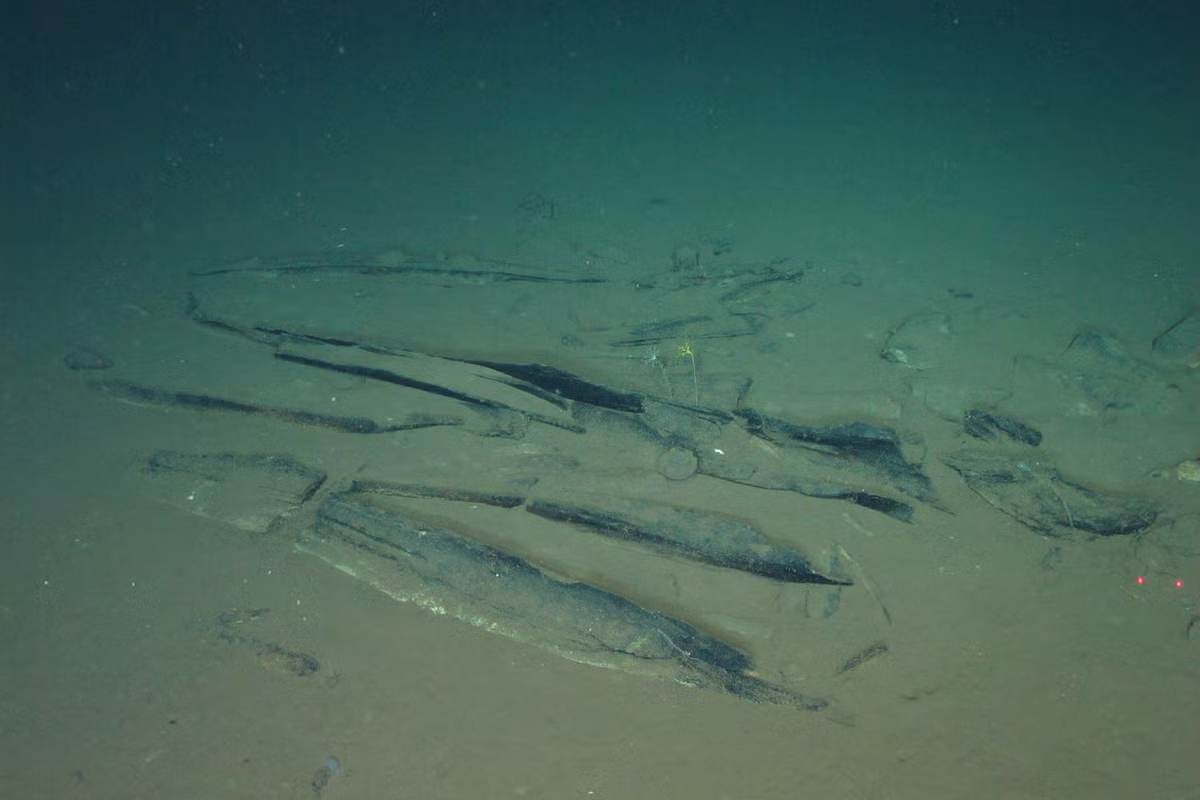
In an abyssal chasm yawning deep beneath the Indian Ocean, a vast 'city of the dead' has slowly been growing in the frigid darkness.

The fossilized remains of more than 450 whales have amassed along a 750-mile-long stretch of the Indian Ocean floor

La extraordinaria necrópolis, que alberga restos de cetáceos de hasta 5,3 millones de años, se extiende a lo largo de 1.200 km y alcanza los 7.000 metros en la fosa de Diamantina

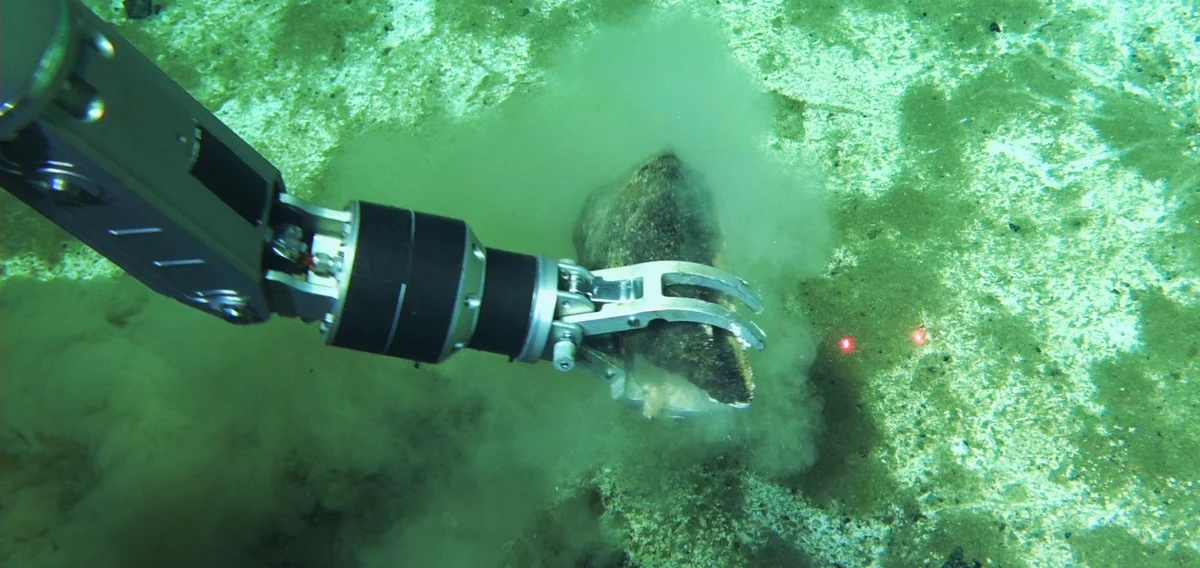
Researchers diving 7 kilometres deep in a crewed submersible have discovered a vast collection of whale bones, including fossils up to 5 million years old and species new to…

Some remains found in Diamantina fracture zone date back more than 5m years and reveal species and ecosystems unknown to science

It's the oldest, largest, and deepest graveyard of whale falls ever found—and it's been feeding life for millions of years.

Scientists have unearthed marine communities thriving on a millions-year-old whale graveyard

Chinese scientists have discovered a massive whale graveyard of around 500 skeletons, some dating back to more than 5 million years, at the bottom of the Indian Ocean west of…

The world's largest whale graveyard has been discovered at the bottom of the Indian Ocean by Chinese scientists, who found that the vast expanse of both new and ancient carcasses…

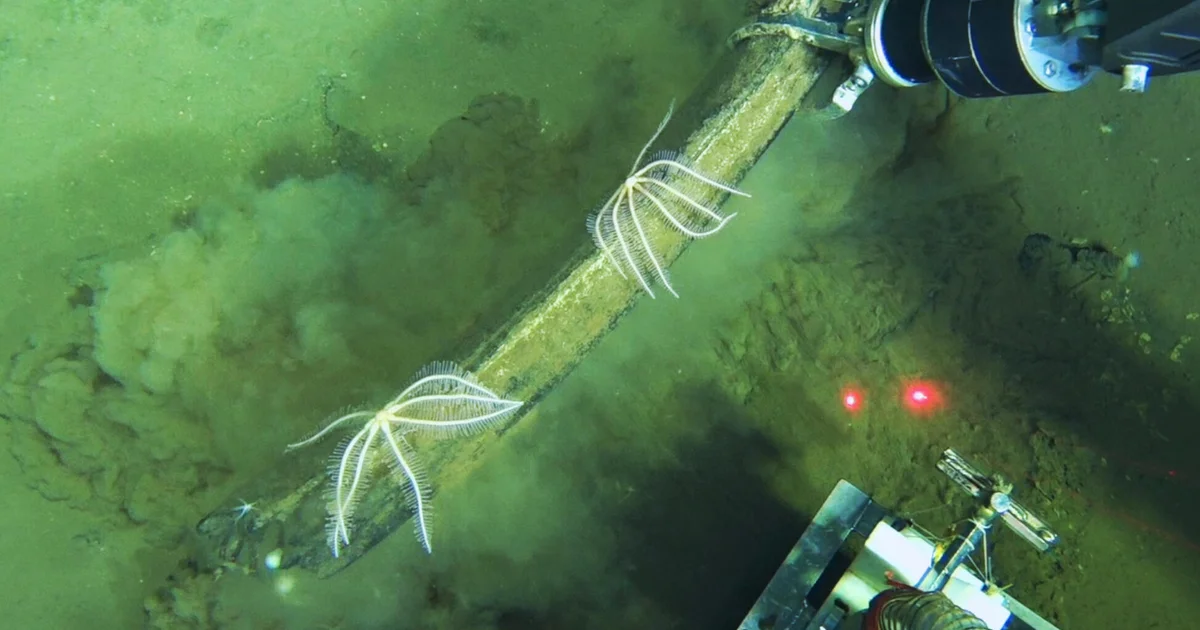
Scientists have unearthed communities of marine life — including jellyfish, tubeworms and brittle stars — thriving on a millions-year-old whale graveyard.

The researchers saw many strange animals — many believed to be new to science — living off the whale carcasses.

Five distinct carcass sites were found and scientists unearthed fossils, including skulls belonging to both beaked and baleen whales, with the oldest bones dating back an…

Wetenschappers hebben in het zuidoostelijke deel van de Indische Oceaan op een diepte van zo'n 7 kilometer het tot nu toe grootste en oudste 'walvissenkerkhof' ter wereld…

The treasure trove of fossils and bones has already revealed a new species of extinct whale.

PARIS, June 11 — The world’s largest whale graveyard has been discovered at the bottom of the Indian Ocean by Chinese scientists, who found that the vast expanse of both new...

Scientists have discovered what is believed to be the world's largest whale graveyard, off the coast of Australia, with fossils dating back millions...