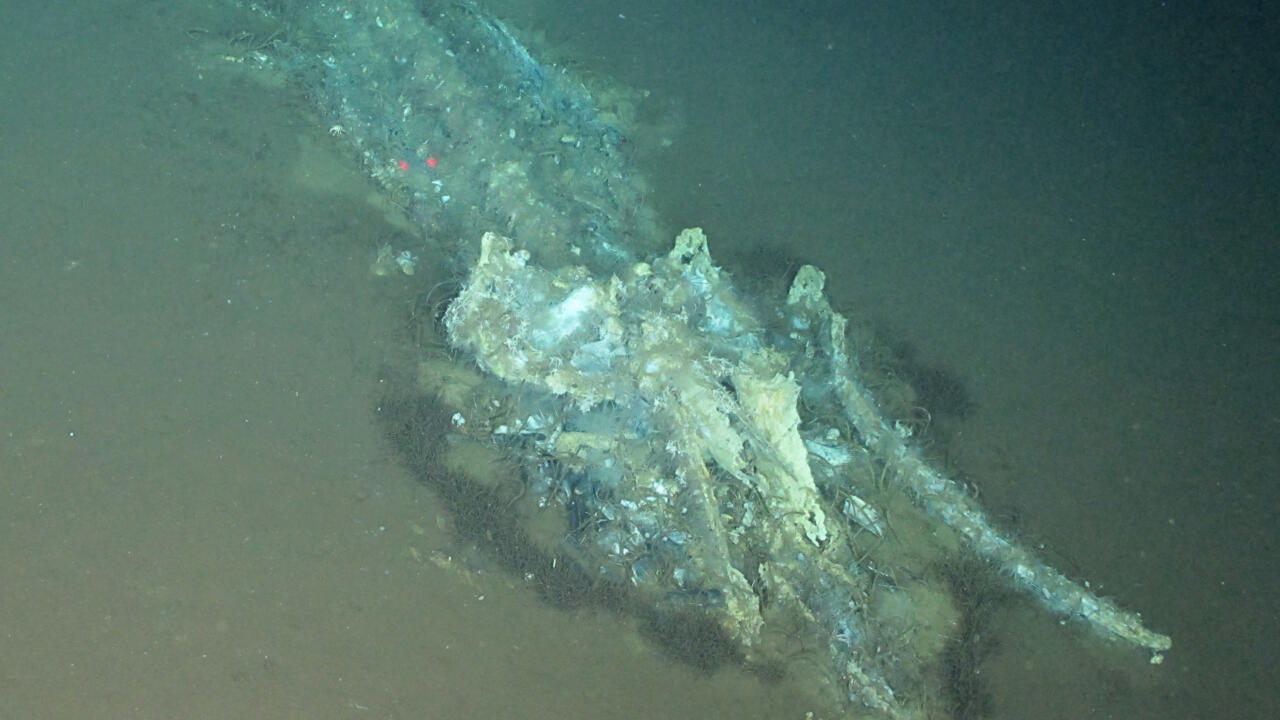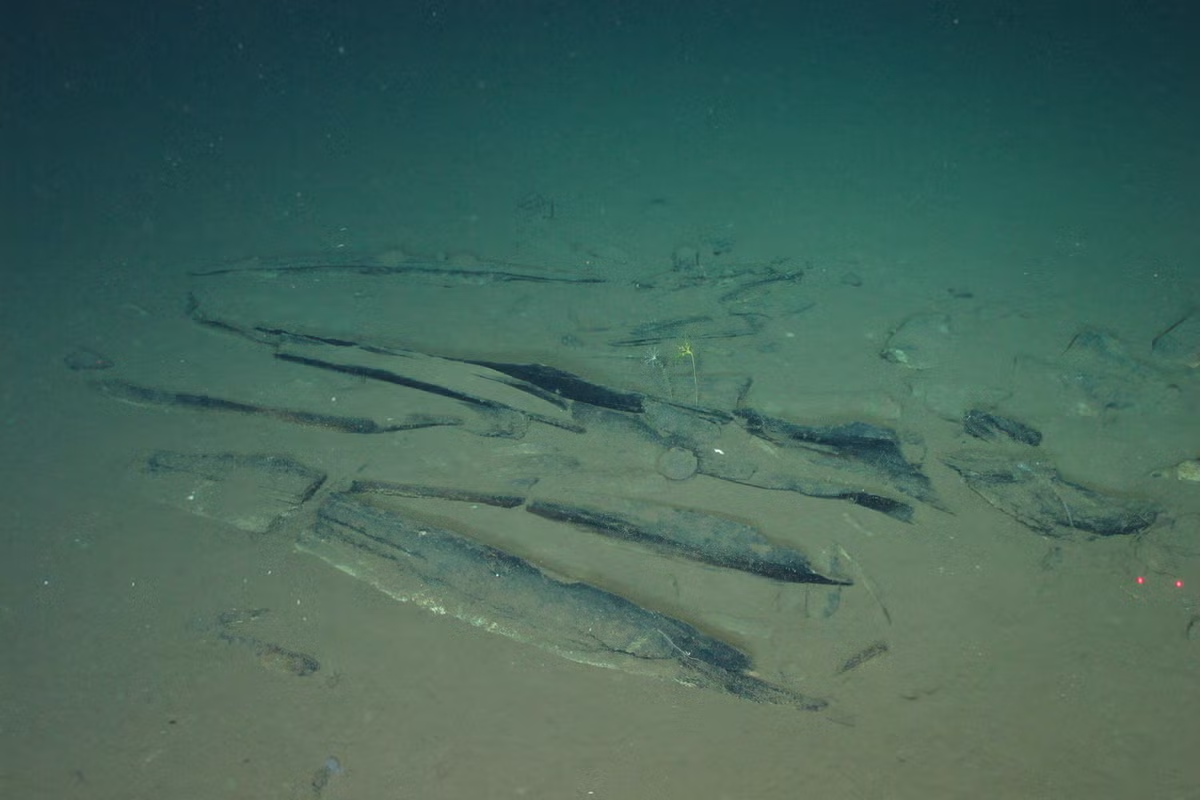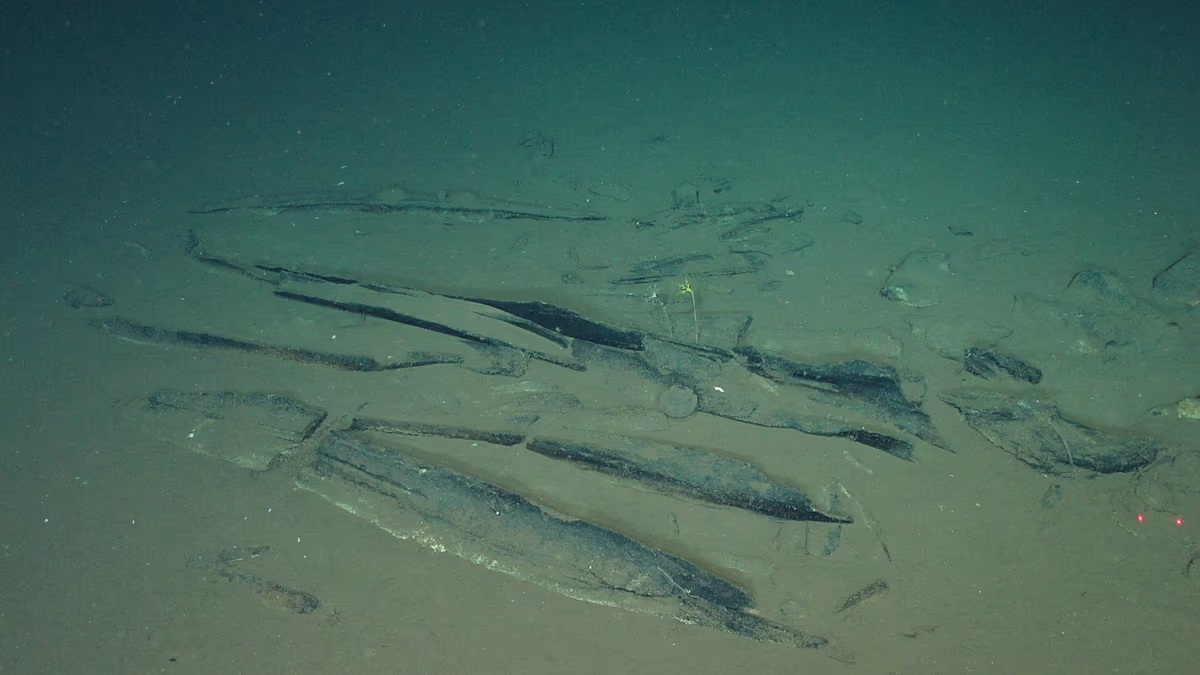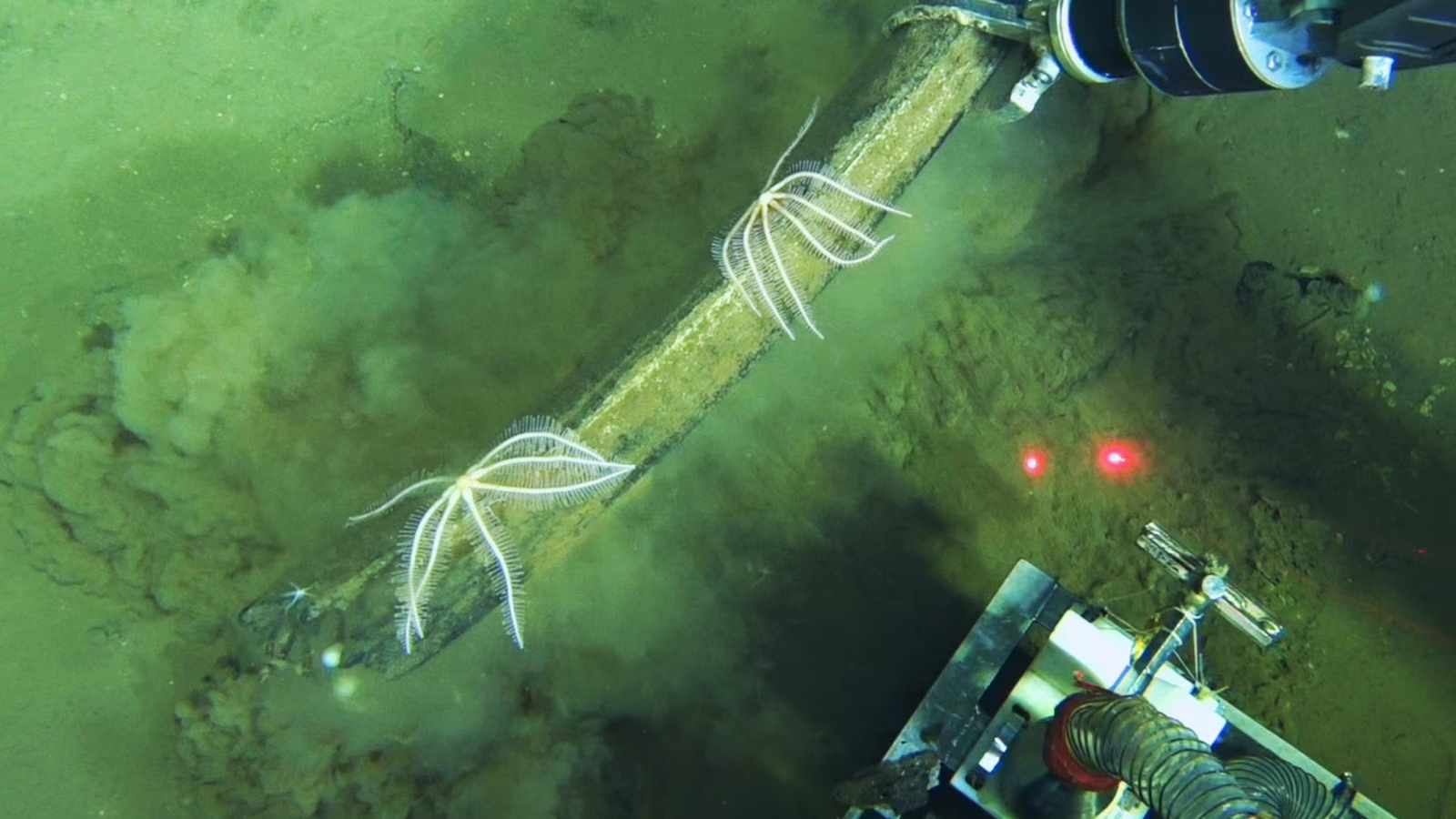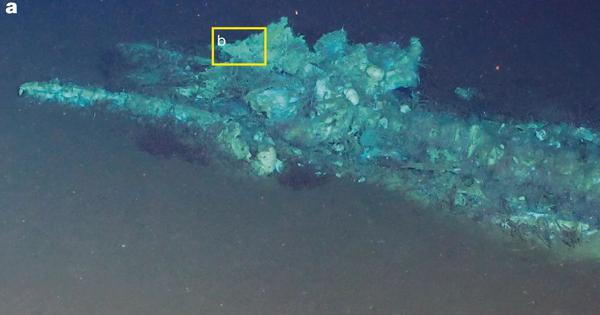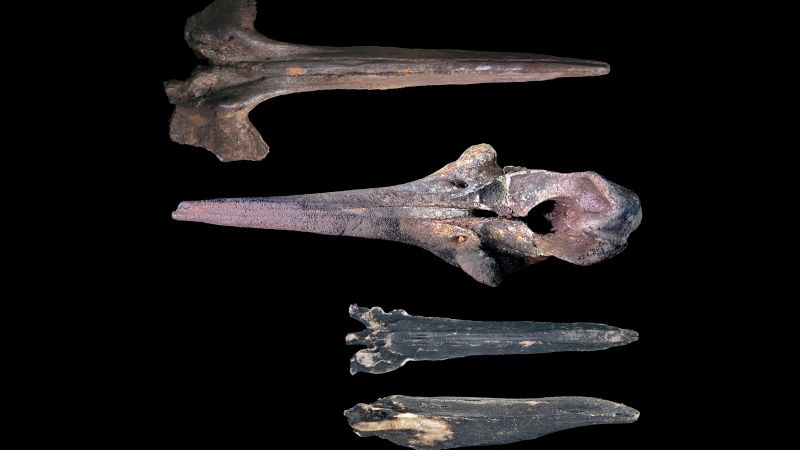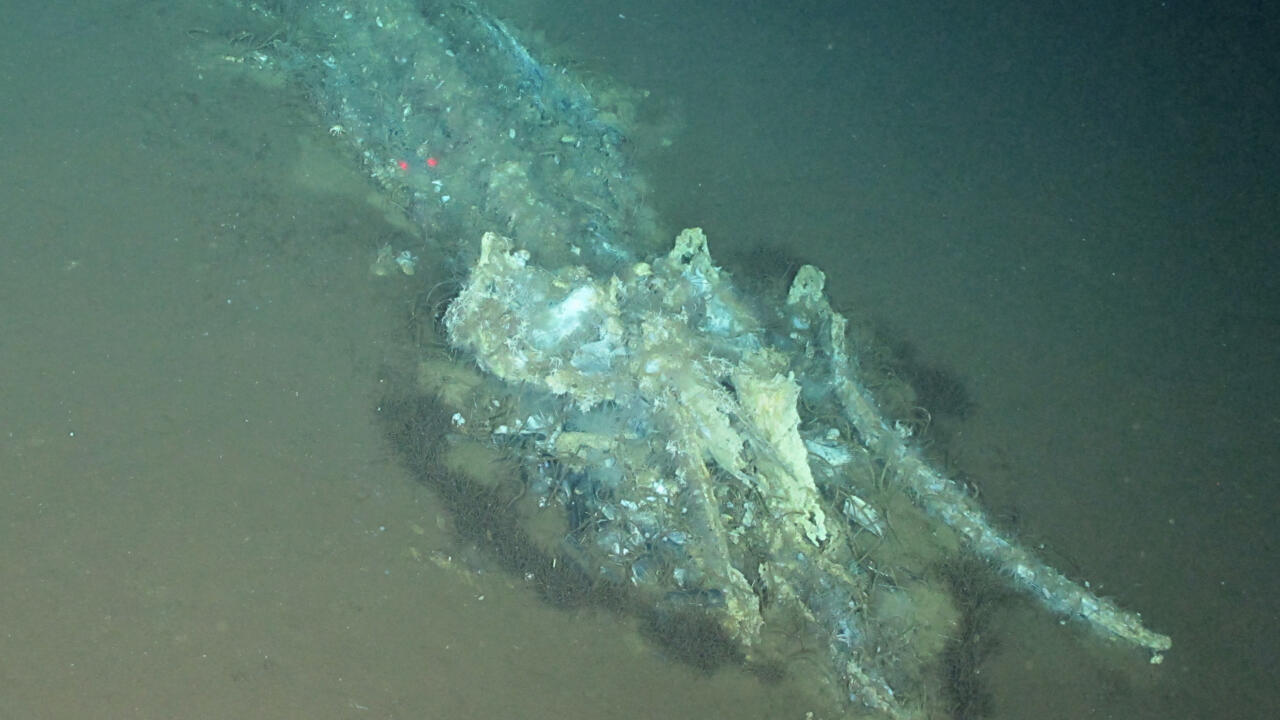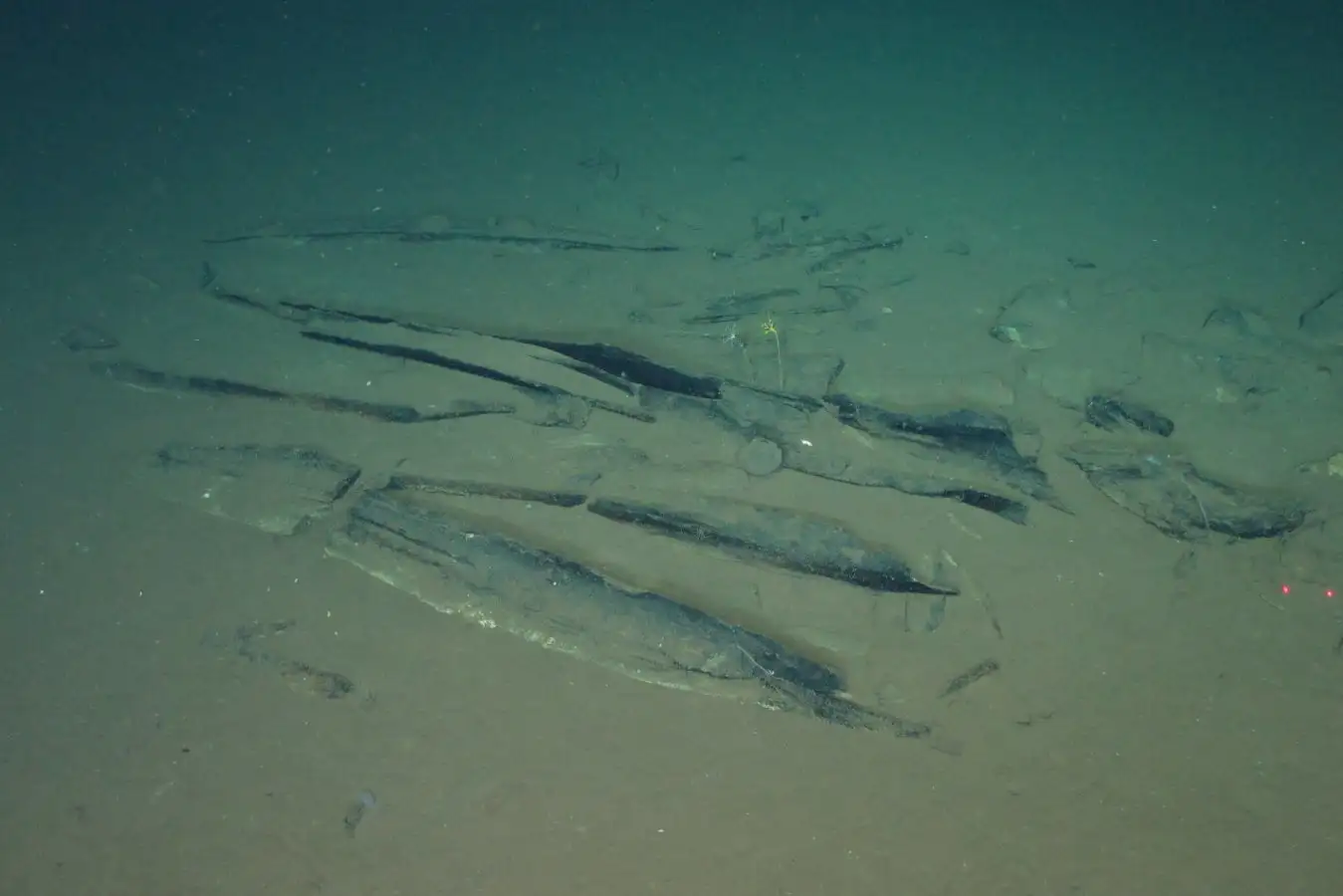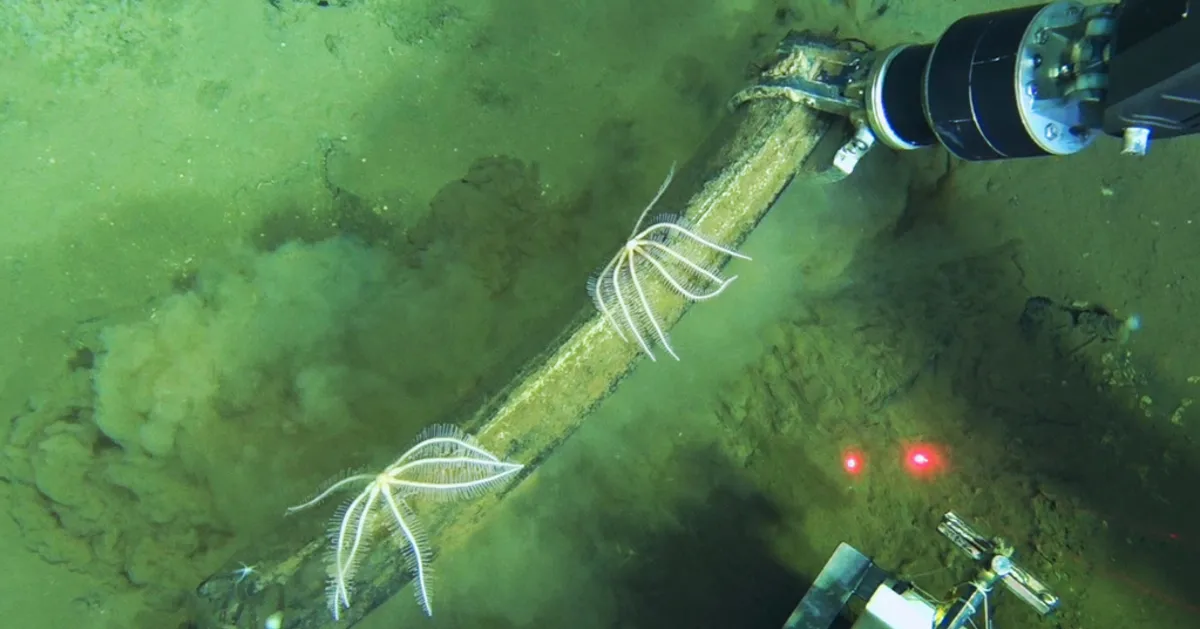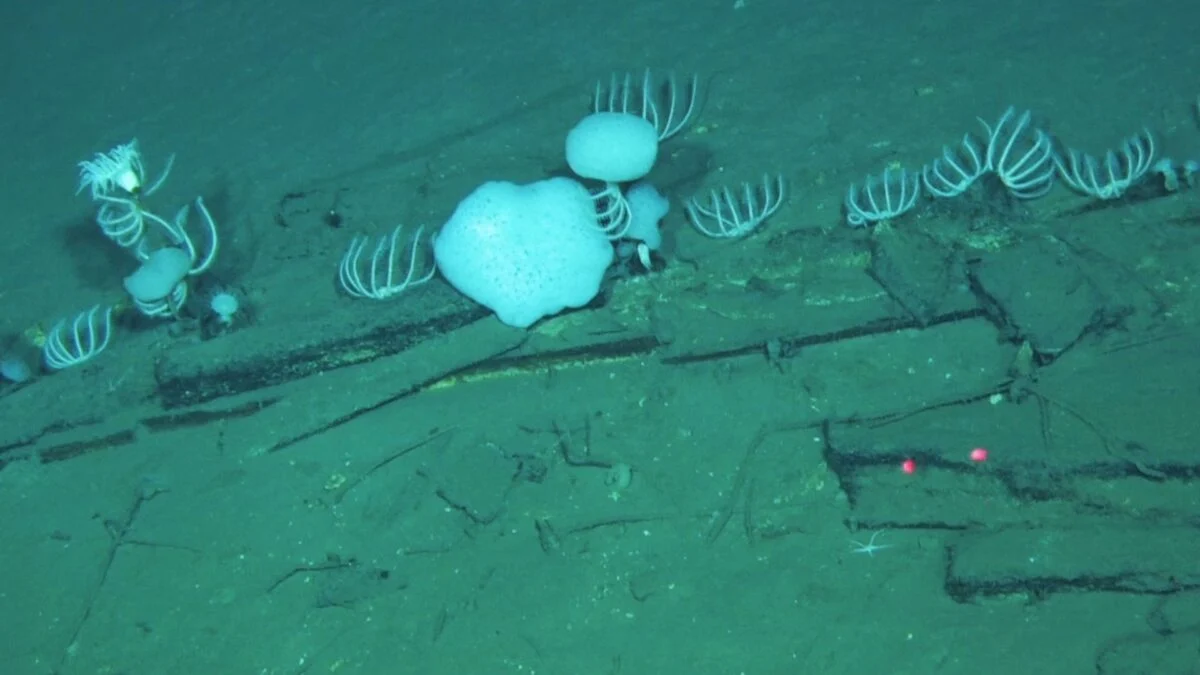
Marine scientists this week have announced a remarkable discovery: a “necropolis” of whales in the southeastern Indian Ocean that’s helped support deep sea life for millions of years. Researchers in China, Italy, and New Zealand detailed their find in a Nature paper published Wednesday. The enormous burial site contains both recently deceased whales and fossils dating back at least 5.3 million years ago. It’s the largest, deepest, and oldest whale fall recorded so far and one that will likely lead to even more discoveries, including extinct whales and living creatures completely new to science. “These findings reshape the understanding of the limits and biogeography of whale-fall ecosystems,” the authors wrote in their paper. The whale necropolis Whale falls are what happens when a whale corpse sinks down to the deep ocean floor. The recovered skull of the newly identified extinct whale species Pterocetus Diamantinae, alongside a reconstruction of its likely head and body shape. © G. Bianucci A whale’s enormous body creates a sudden burst of resources in the area where it falls, and the cold temperatures and high pressure of the ocean depths typically allow the whale to stay intact far longer than it would have if it had died elsewhere. At every stage of decomposition, the whale provides subsistence to various forms of life, and even its completely depleted mineral skeleton at the very end acts as a scaffold for coral and other suspension feeders to build on.
Scientists Have Just Discovered a 5 Million-Year-Old Whale Necropolis in the Deep Sea
It's the oldest, largest, and deepest graveyard of whale falls ever found—and it's been feeding life for millions of years.
1,086 words~5 min read