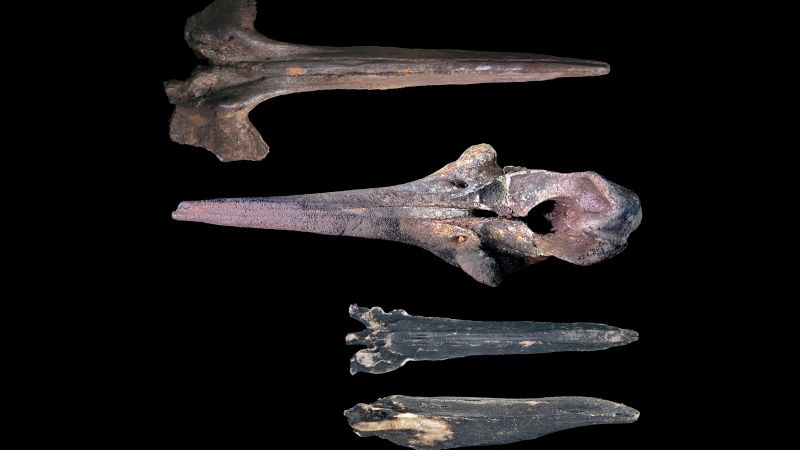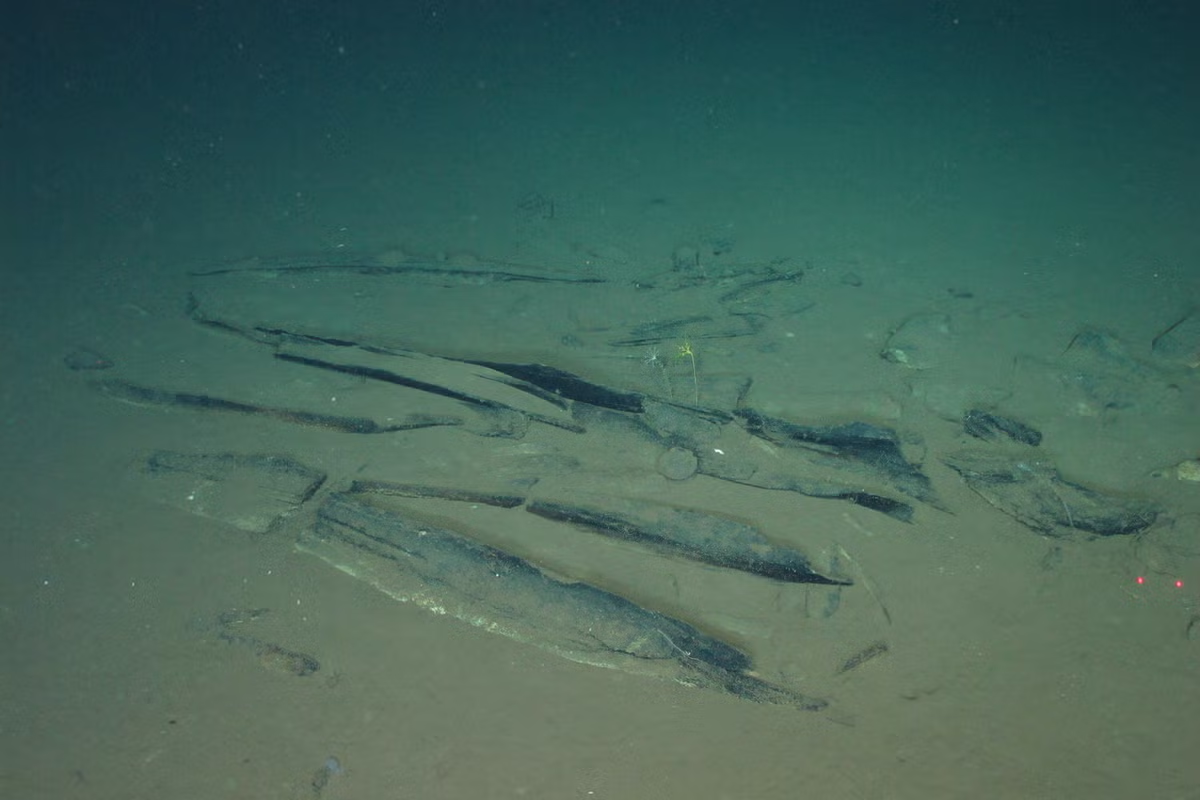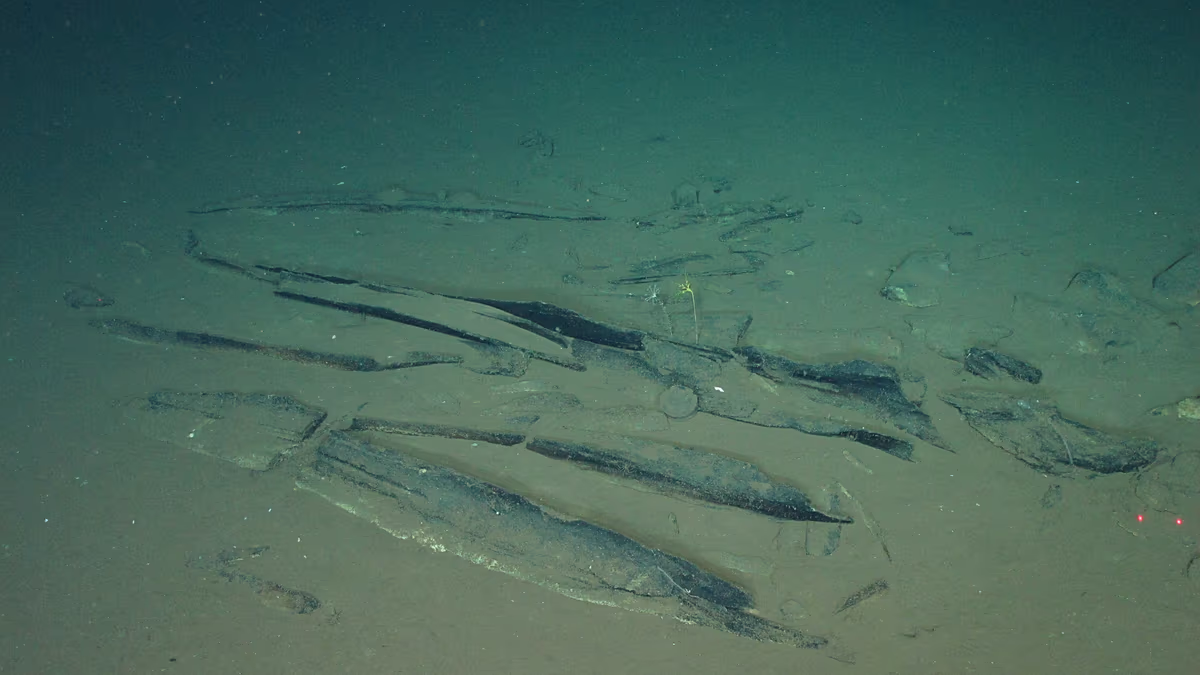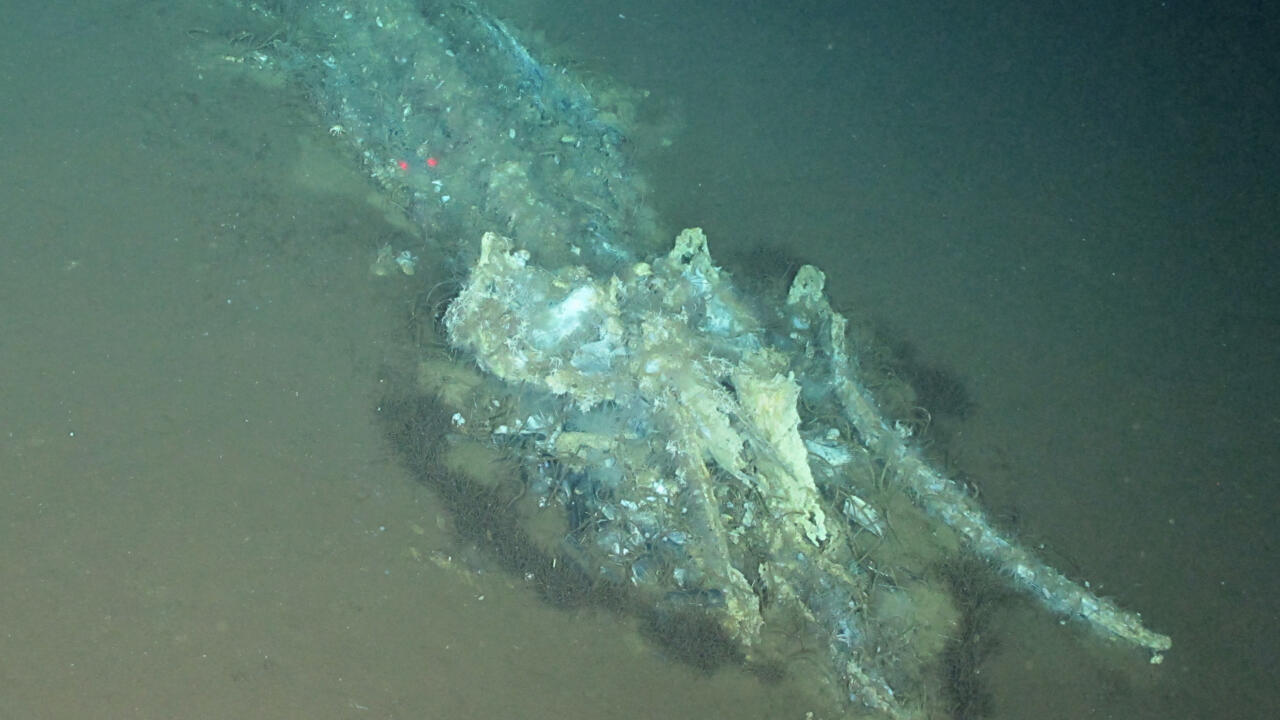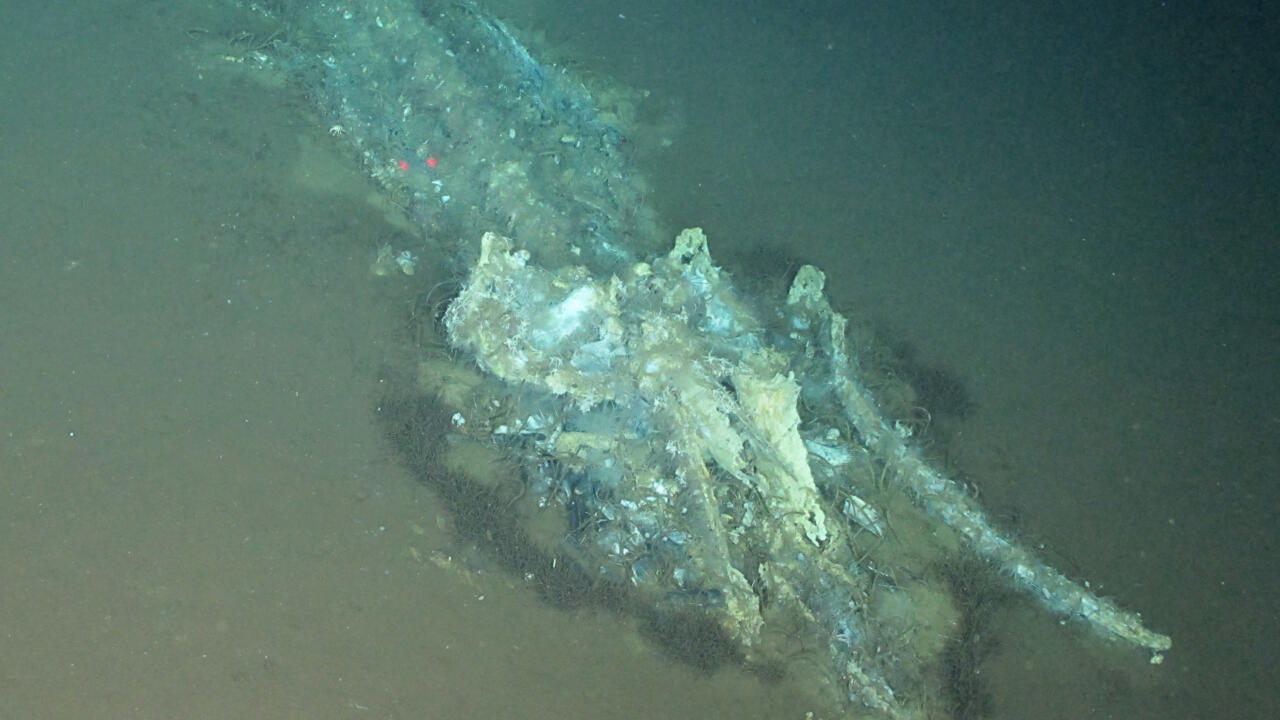
The world's largest whale graveyard has been discovered at the bottom of the Indian Ocean by Chinese scientists, who found that the vast expanse of both new and ancient carcasses supports huge communities of deep-sea life. It is also the deepest and oldest known whale graveyard on Earth, according to research published in the journal Nature on Wednesday, with some fossils dating back 5.3 million years. From inside a small submersible, the Chinese researchers saw an array of strange animals – many believed to be new to science – living off the whale carcasses. A new, though extinct, species of whale was also identified among the nearly 500 skeletons found up to 7,000 metres deep along a 1,200 kilometre corridor of bones in the Indian Ocean west of Australia. Lead study author Xiaotong Peng of the Chinese Academy of Sciences told AFP that the researchers were "astonished" when the scale of their discovery became clear.
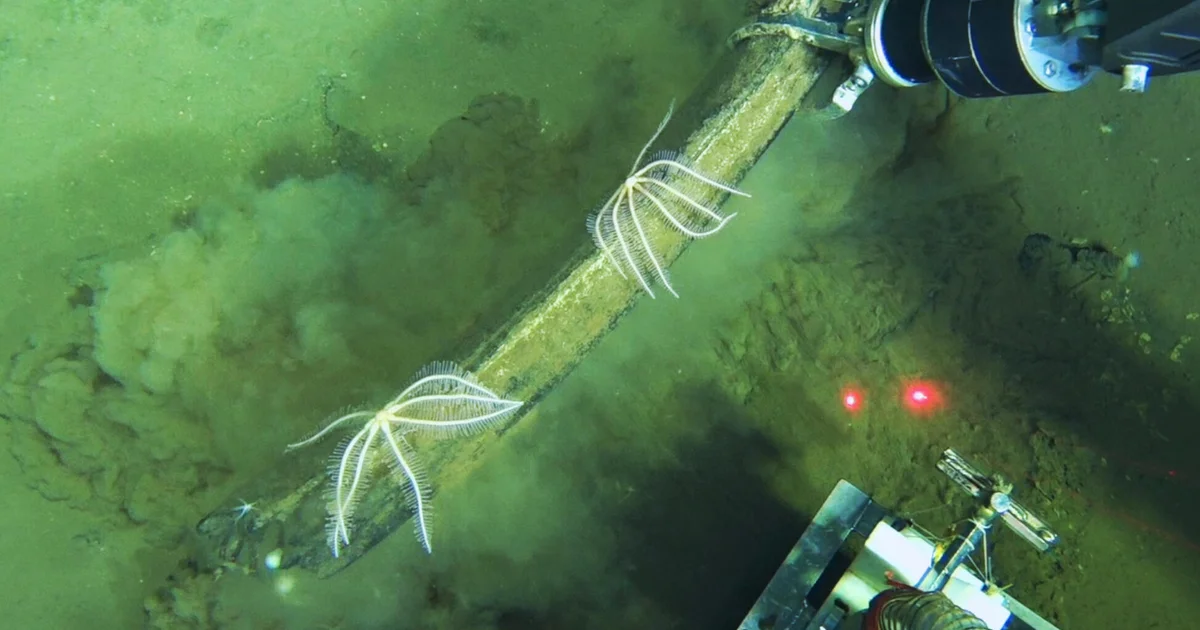
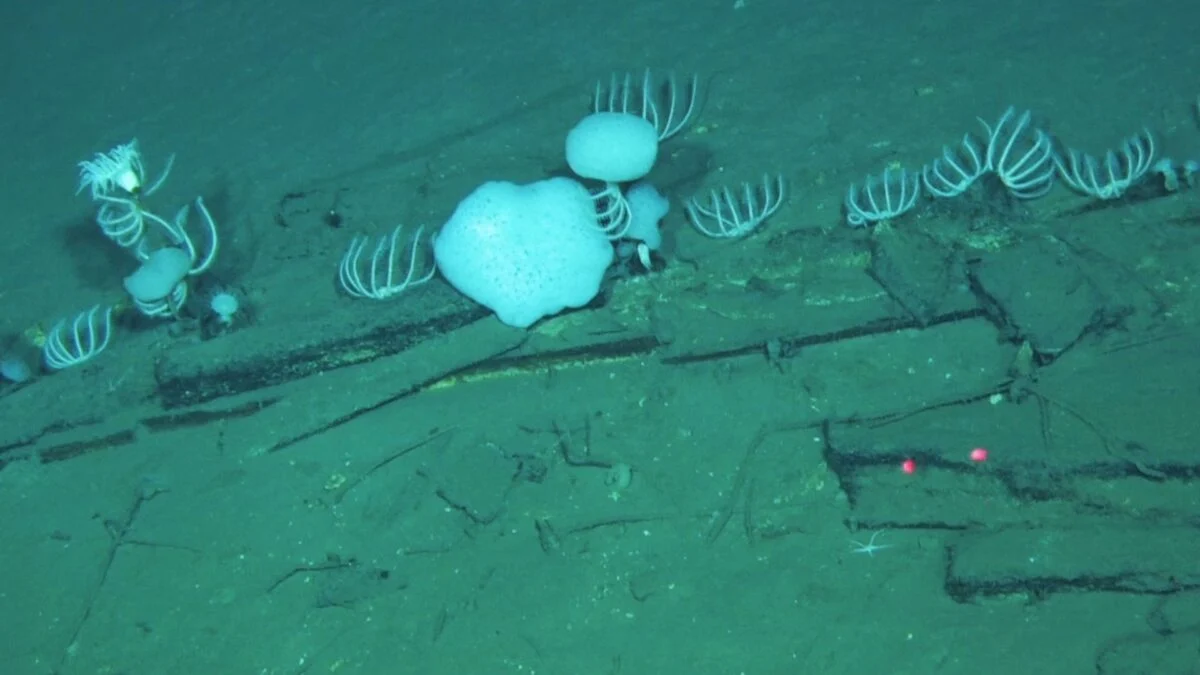
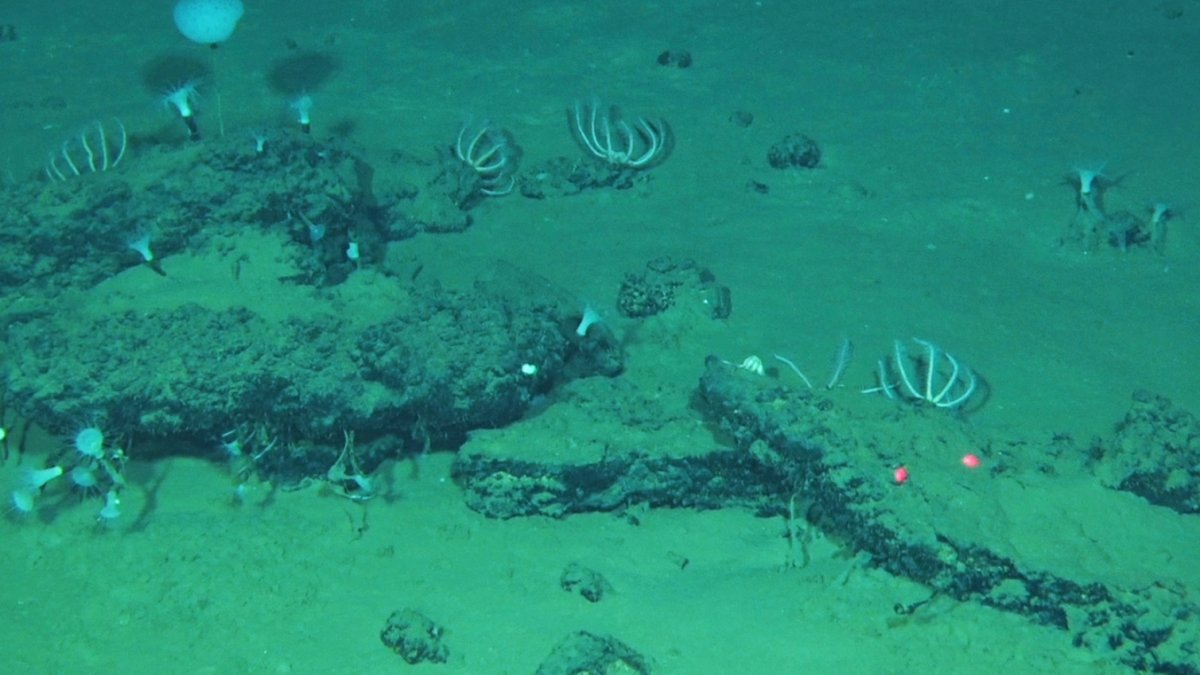
A huge array of animals including sea anemones, sponges and sea stars were found living off of the whale carcasses. © AFP via Handout, Global TREnD, IDSSE
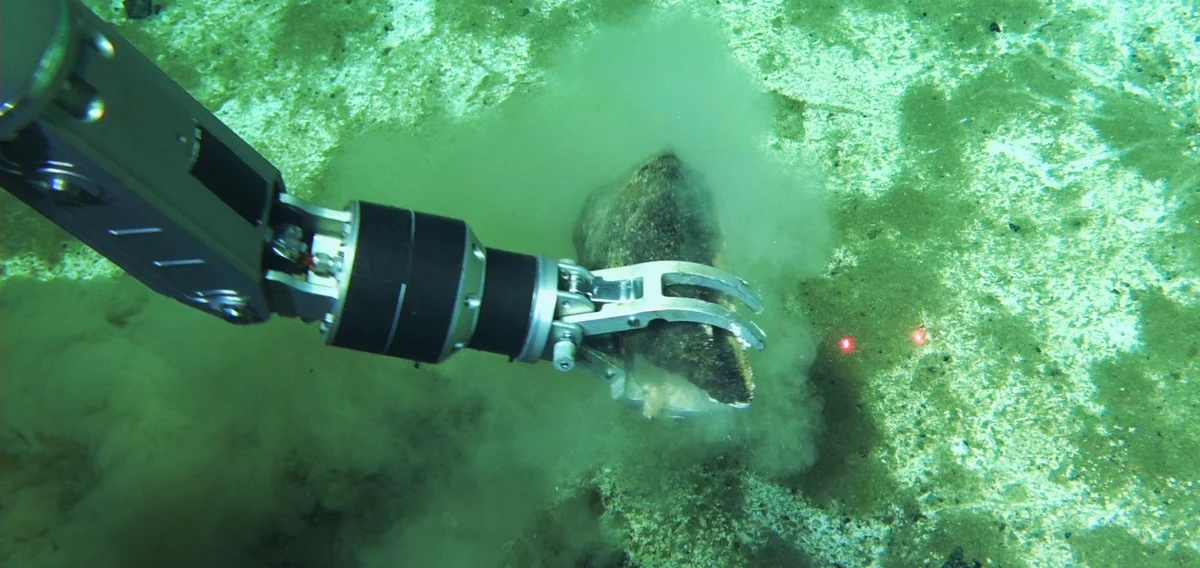
It was known that when whales die and drop to the seafloor, their sunken bodies – called "whale falls" – provide a source of food to bottom-dwelling creatures. "But discovering a necropolis of this scale was completely unexpected: the size of distribution, the depth and the age range were far beyond anything we had imagined," Xiaotong Peng said. The researchers had several theories for why so many whales died in this particular corridor, including that it is a popular foraging area and has a V-shaped trench that funnels carcasses to the ocean's floor. 'Truly incredible experience' For the discovery, the Fendouzhe submersible carried out 32 dives in 2023 – though what it found was only revealed in Nature on Wednesday. The sub took up to three people on the dives, collecting the fossil samples using robotic arms. Study co-author Peng Zhou said witnessing the whale graveyard "was a truly incredible experience".