What’s the difference between a person, an artifact, and an ecosystem?

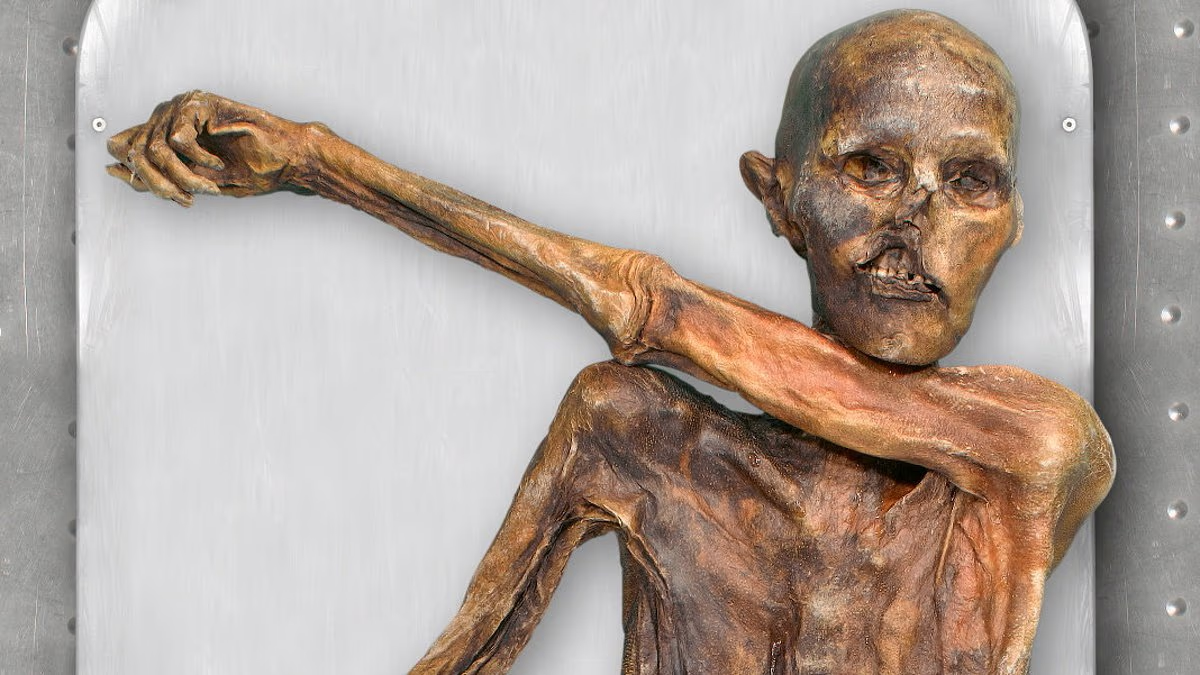
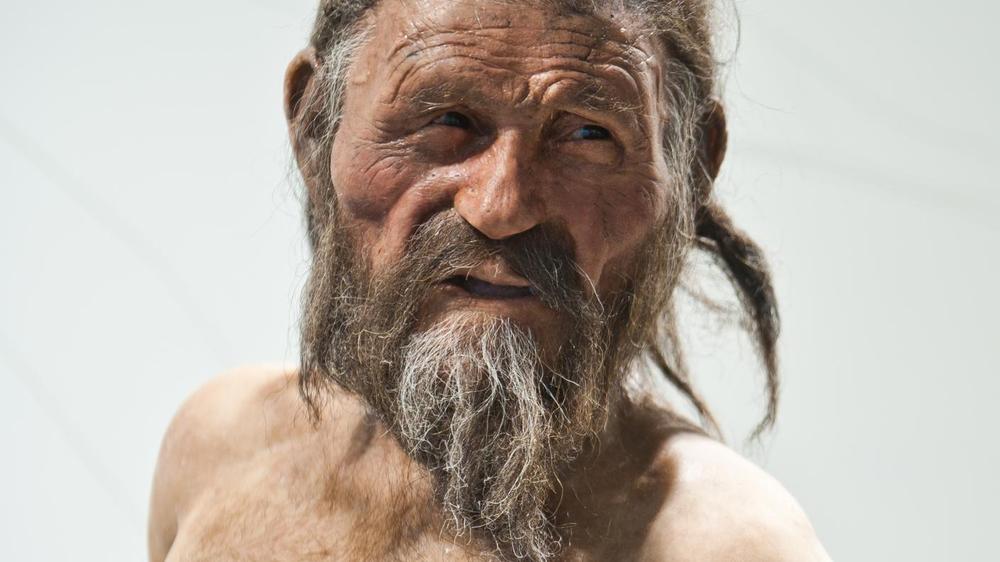
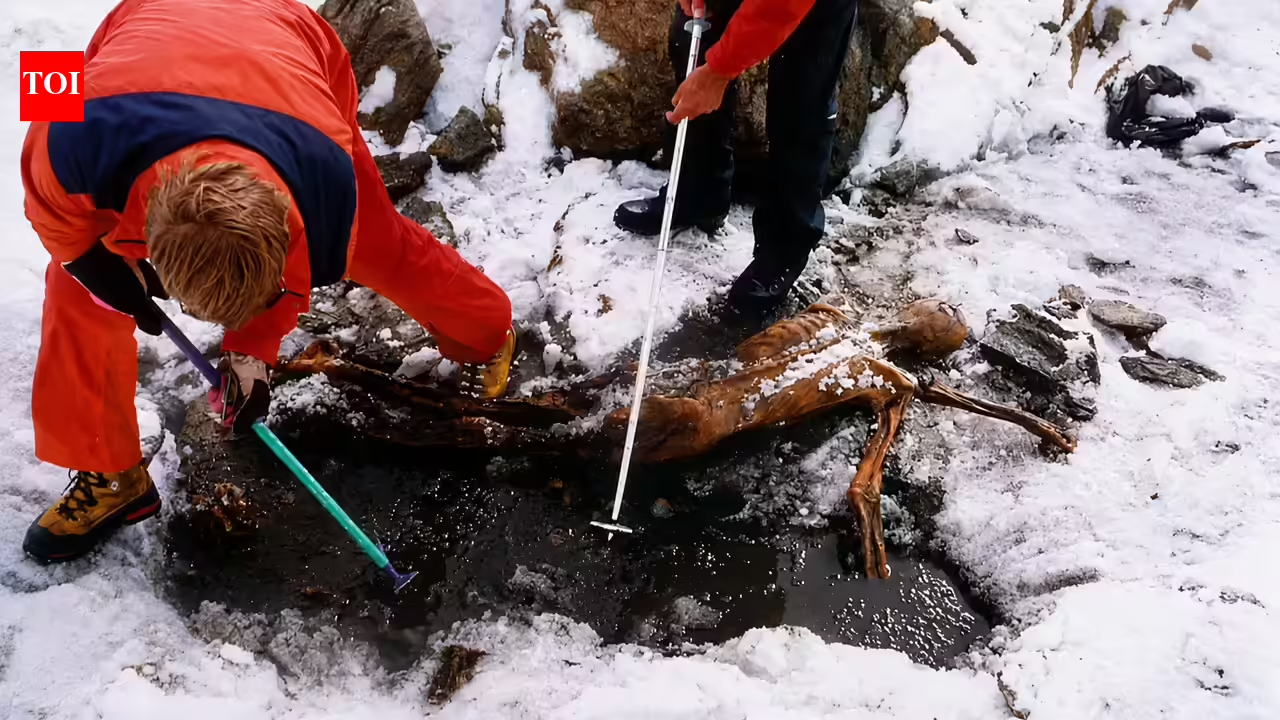
June 3 : Ötzi the Iceman died violently roughly 5,300 years ago in the Alpine region of the modern border between Italy and Austria. An arrowhead was found lodged in his left…

Eigentlich ist die Gletschermumie Ötzi seit mehr als 5300 Jahren tot. Nun haben Forscher Hinweise auf Mikroorganismen gefunden, die wohl noch leben – und ein Grund für die…
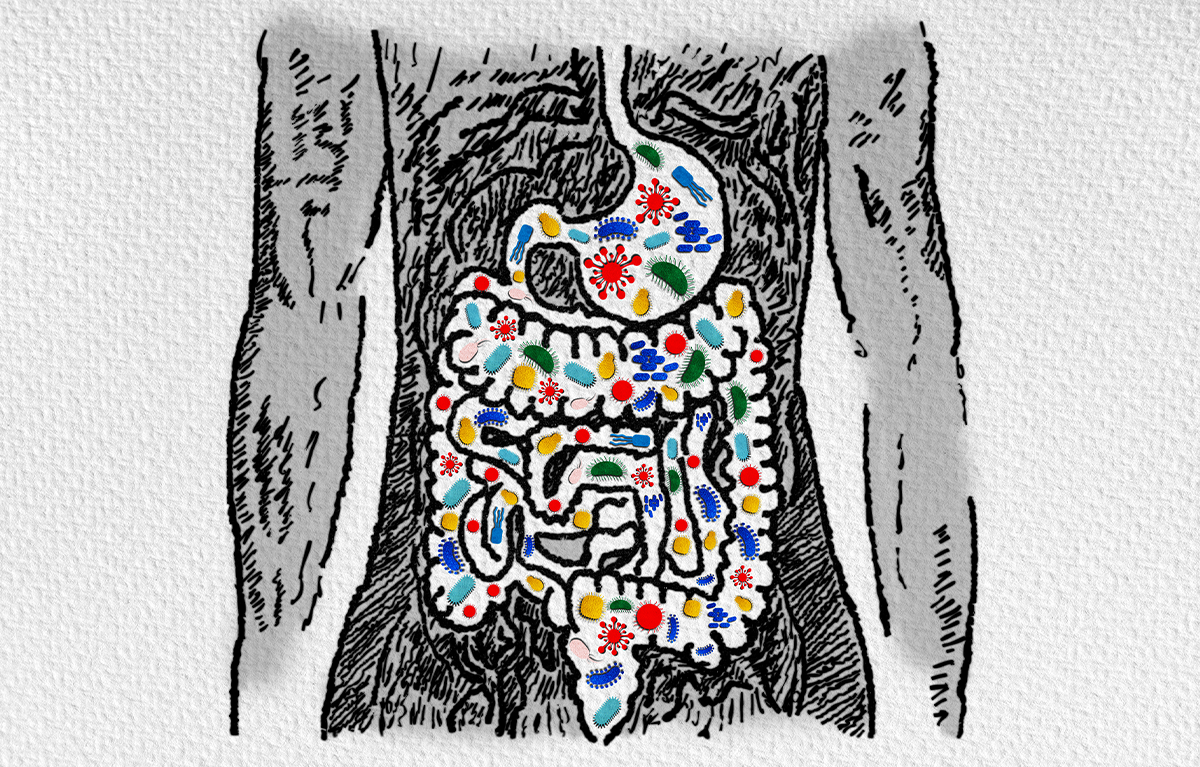

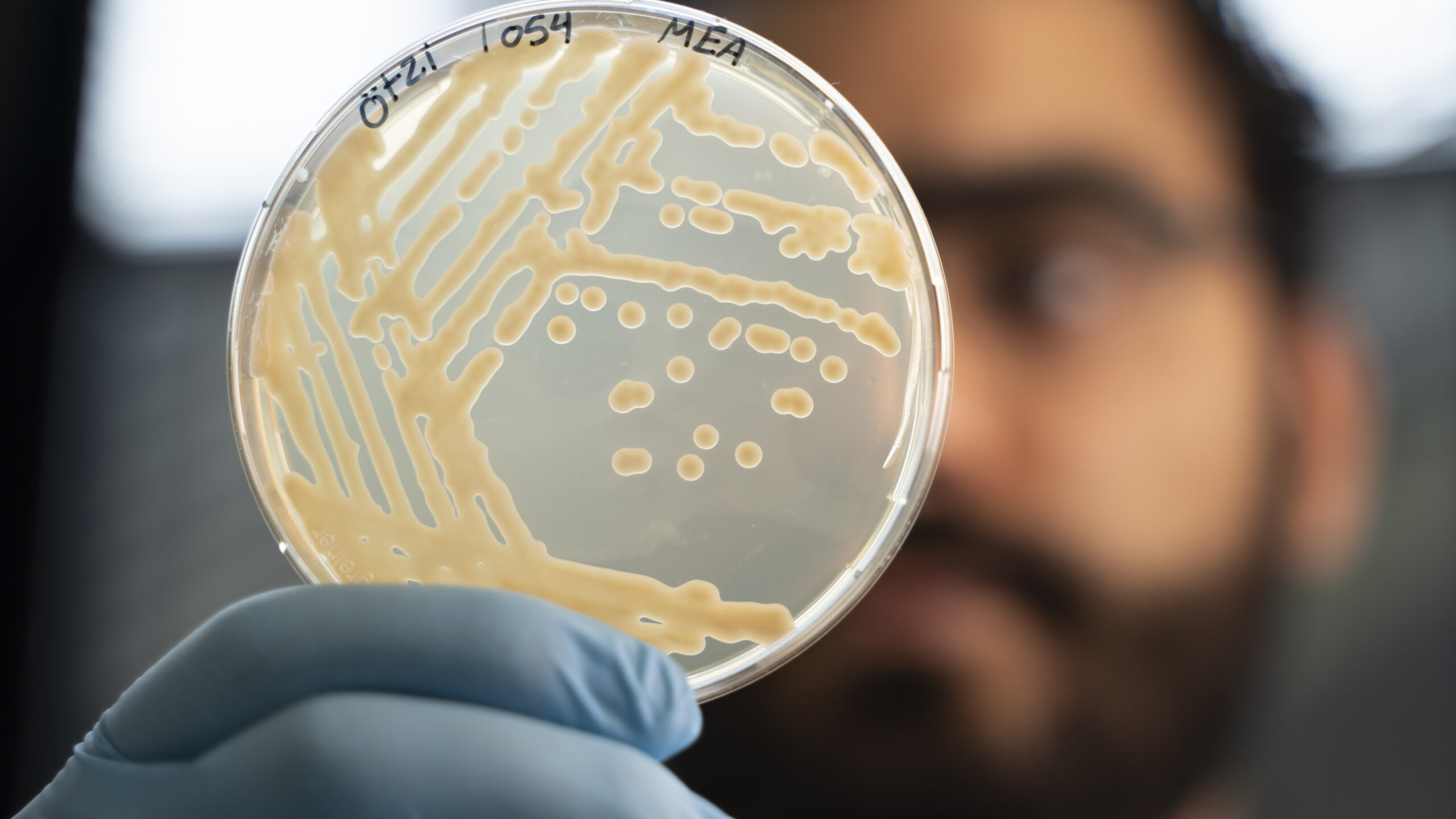
The Iceman’s Microbiome: Ötzi commensal microorganisms included a surprisingly cold-tolerant yeast

PARIS: Yeast has been growing in the guts of a frozen mummy called Oetzi the Iceman for thousands of years,...

Uno studio rivela che la mummia ospita un microbioma ancora vivo, con batteri intestinali di 5300 anni fa e lieviti moderni

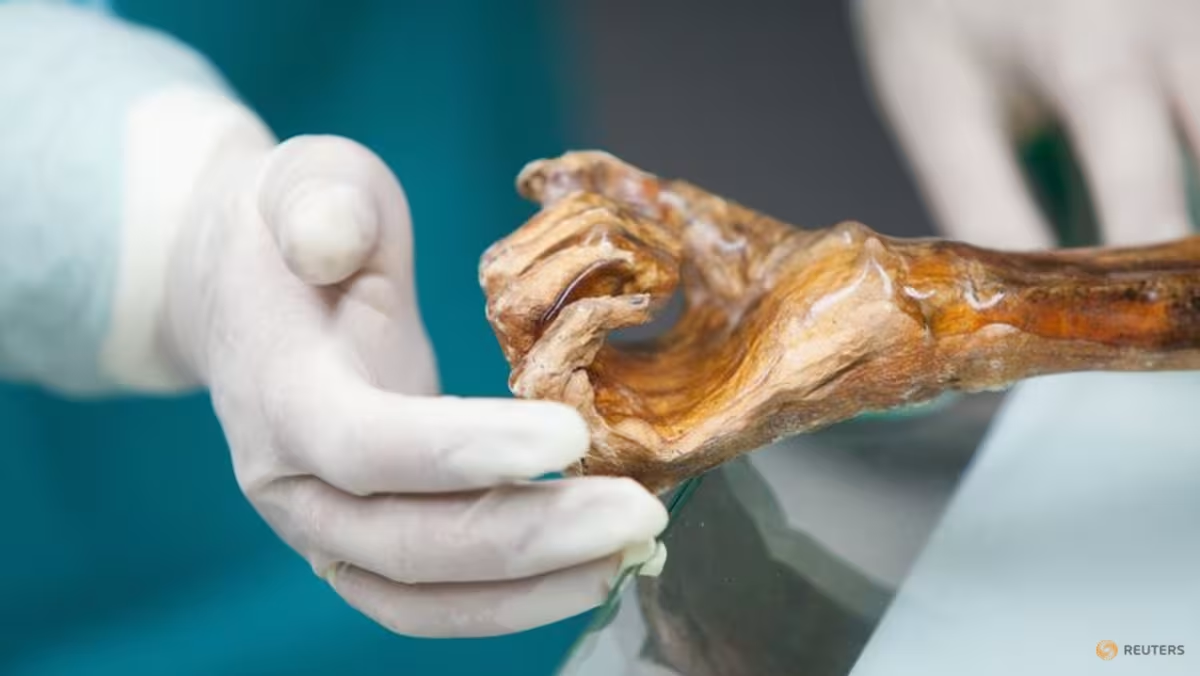
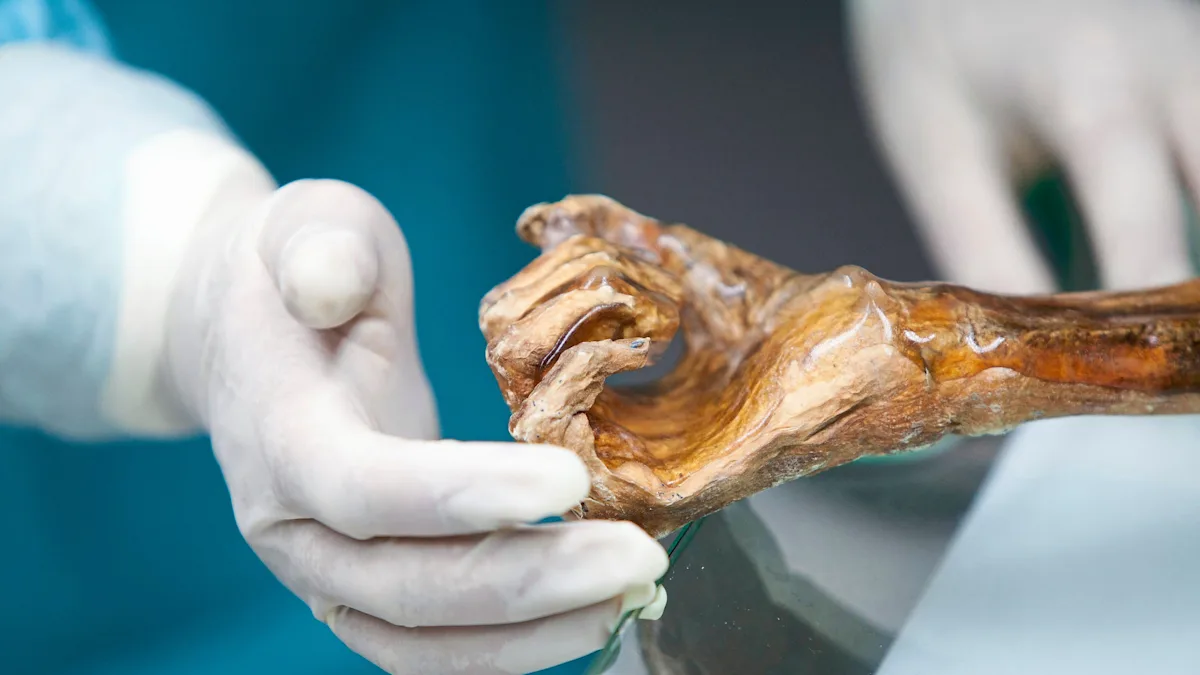
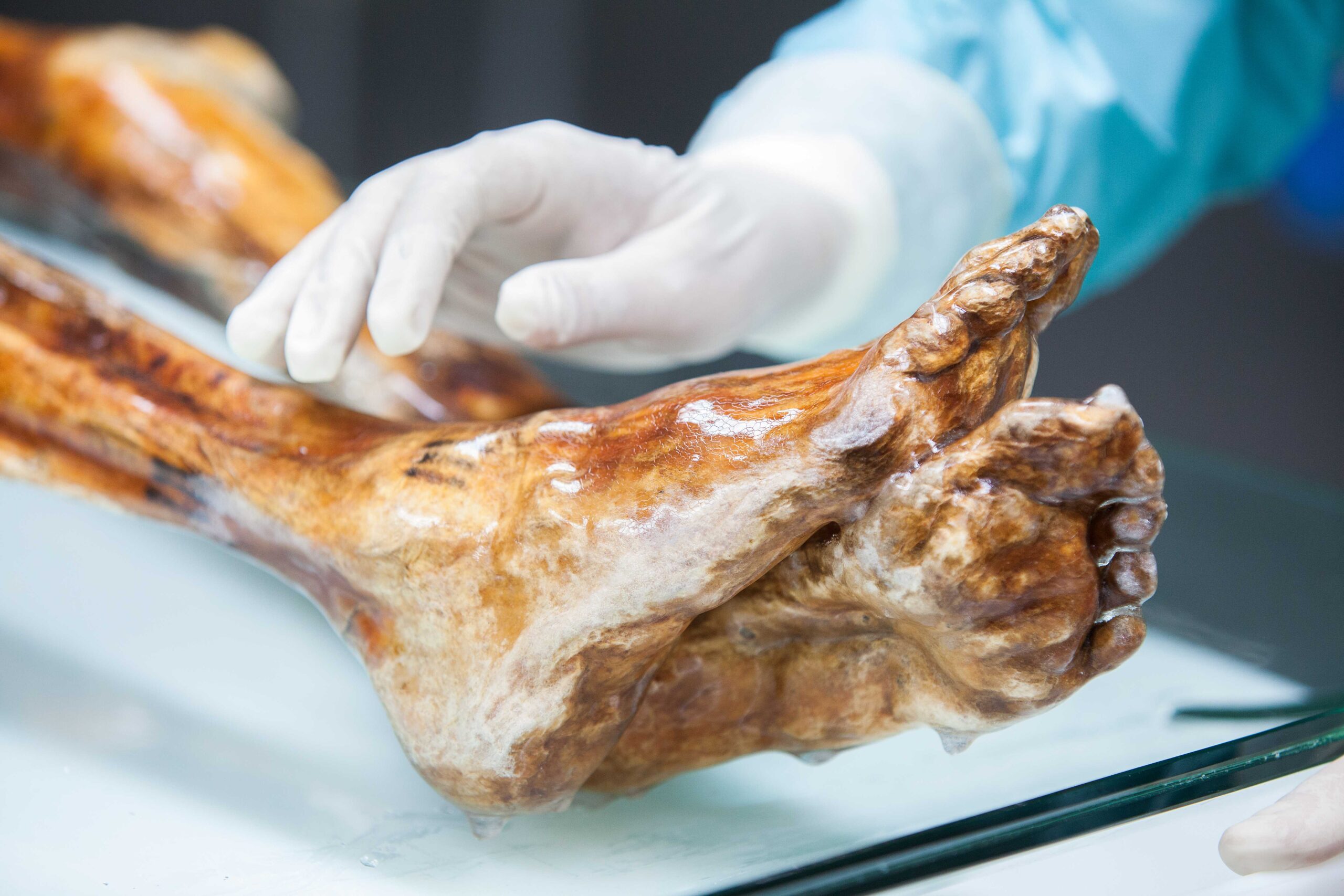
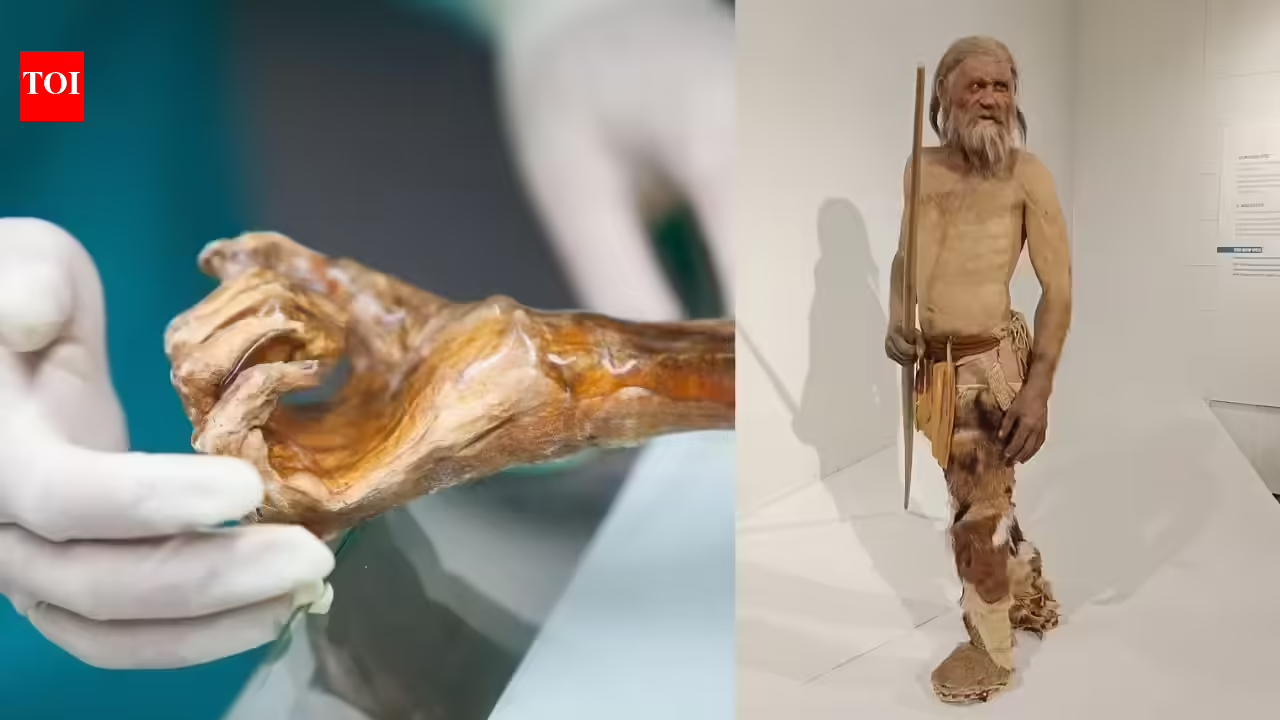
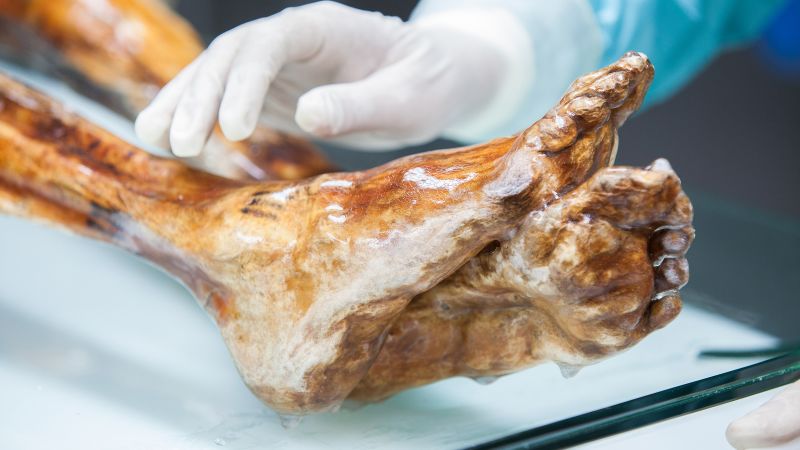
In a cold store in northern Italy, Ötzi the Iceman lies behind controlled glass and steel, kept at a steady chill that mimics the glacier that once sealed him away. He has been…

Scientists have found signs of life in the 5,300-year-old mummy - in the form of yeast.

This Week in Science: Microbes found still alive in an 'Iceman' preserved for thousands of years; birds join the sweaty club of animals that masturbate; amputated pieces of a sea…

What’s the difference between a person, an artifact, and an ecosystem?

The remains of Ötzi the Iceman, who died 5,300 years ago, contain ancient microbes that are still alive, new research finds.

Ötzi: funghi e batteri vivi dopo 5'300 anni. Scopri come i microbi resistono al tempo e cosa rivelano sulla conservazione dei reperti antichi.

The microscopic yeast that could survive in association with a 5,300-year-old body feels unlikely, almost speculative. Yet the frozen remains of Ötzi, the Copper Age “Iceman”…