HomeAI · summaries
Storia in 15 fonti
DEET insect repellent at risk: mosquitoes can learn it means dinner
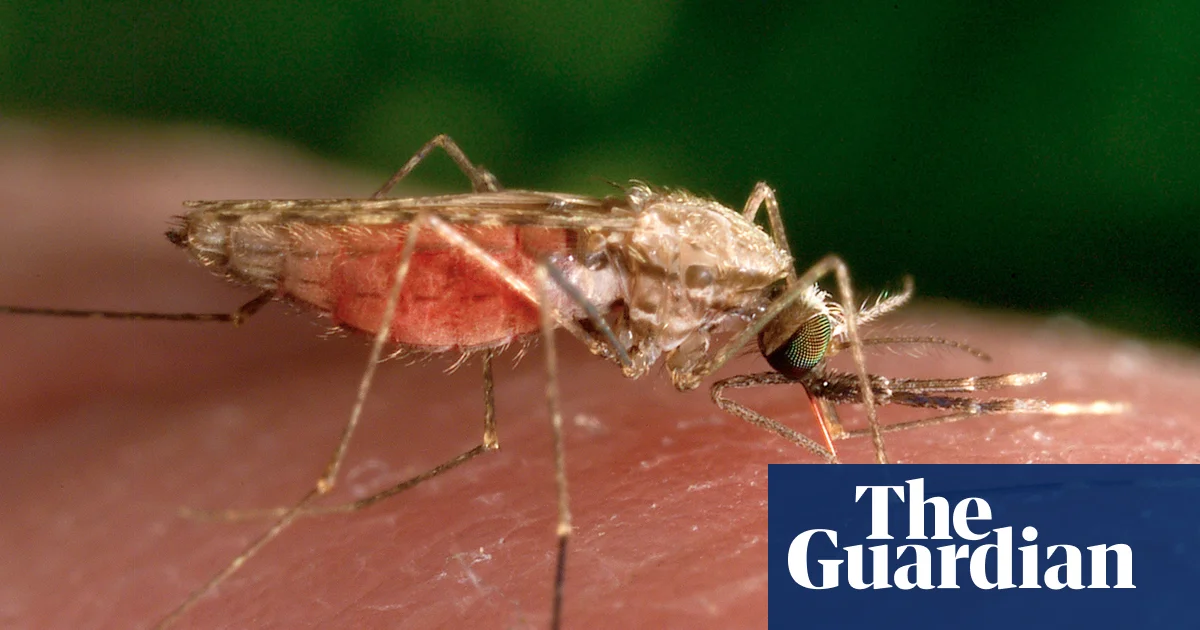
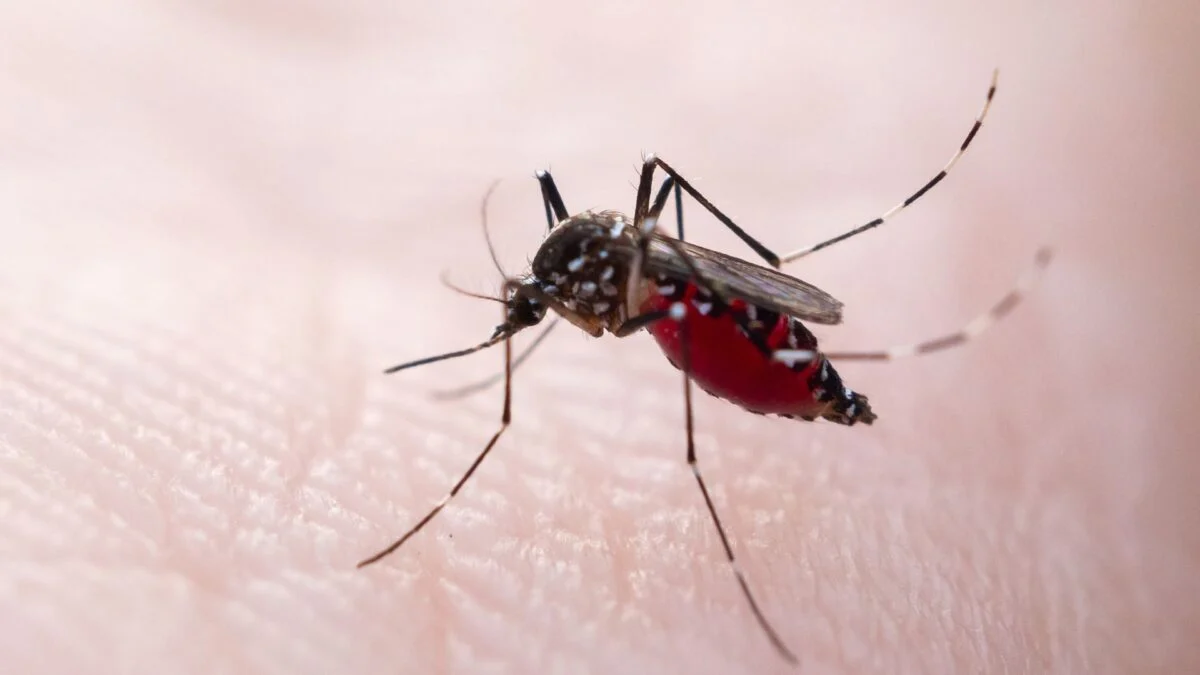
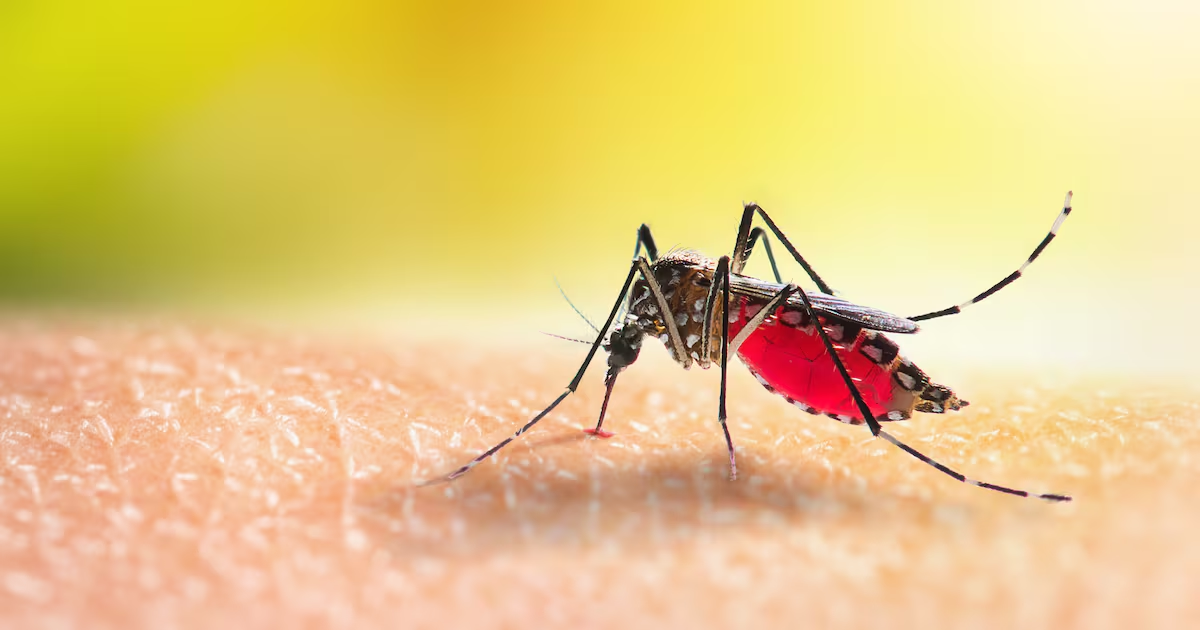
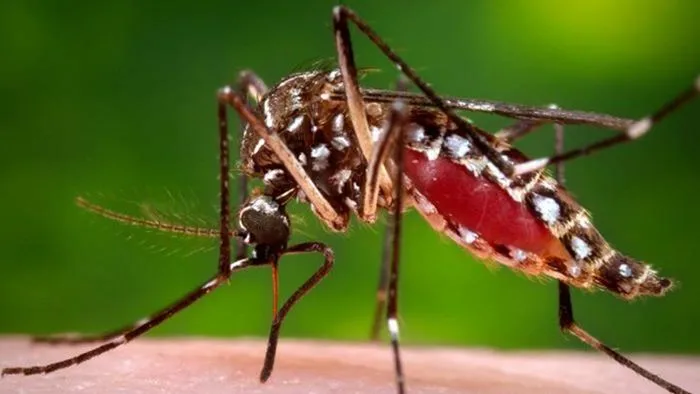
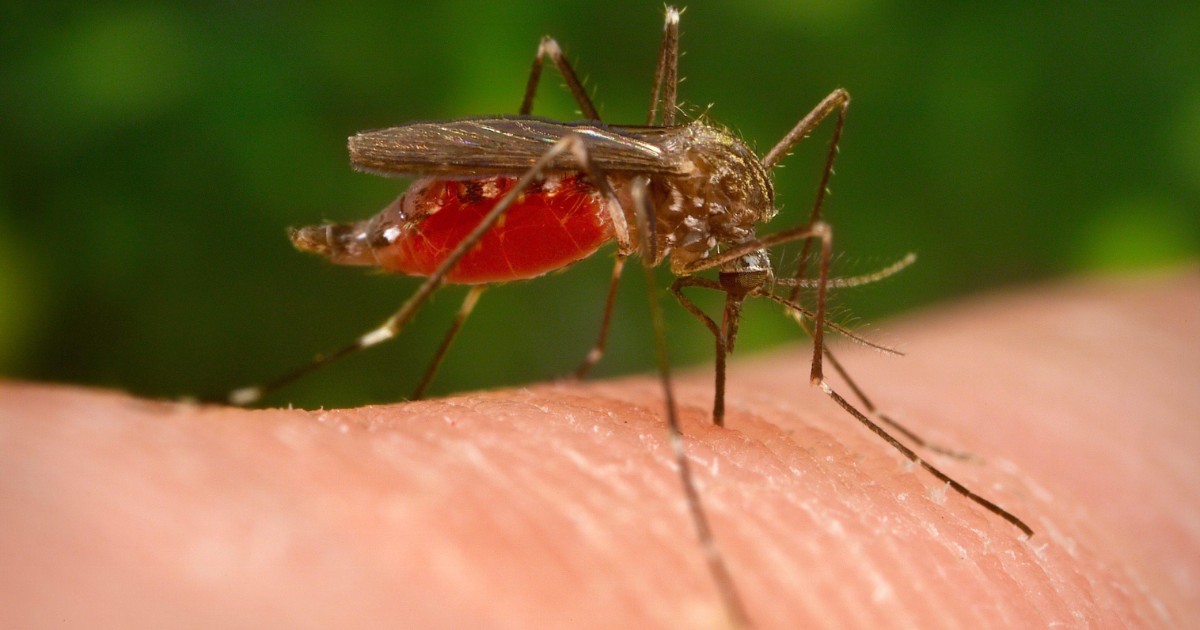
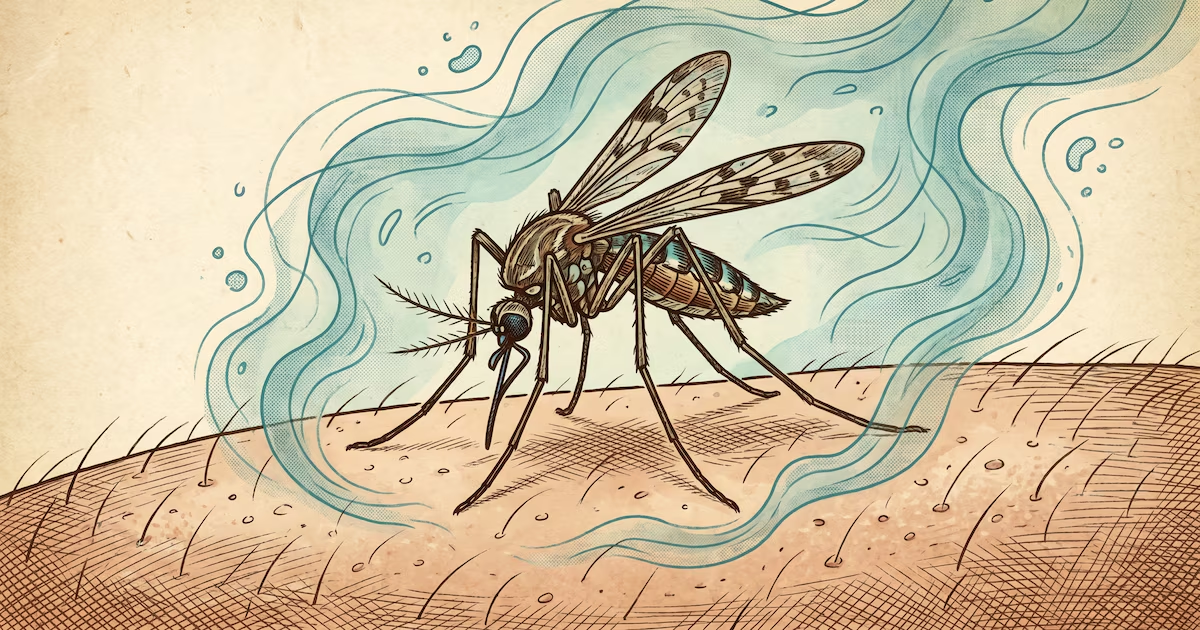
DEET has been one of the most effective insect repellents for the past 80 years, but there could be a chink in the quintessential repellent’s armour. Claudio Lazzari from University of Tours, France, and colleagues reveal in Journal of Experimental Biology that yellow fever mosquitoes can learn to associate the smell of DEET with food, meaning that they could be more likely to bite people that smell of DEET, placing the indispensable repellent at risk.
Confronto fonti
6 prospettive sulla stessa storiaTimeline cronologica
- ·
nautil.us
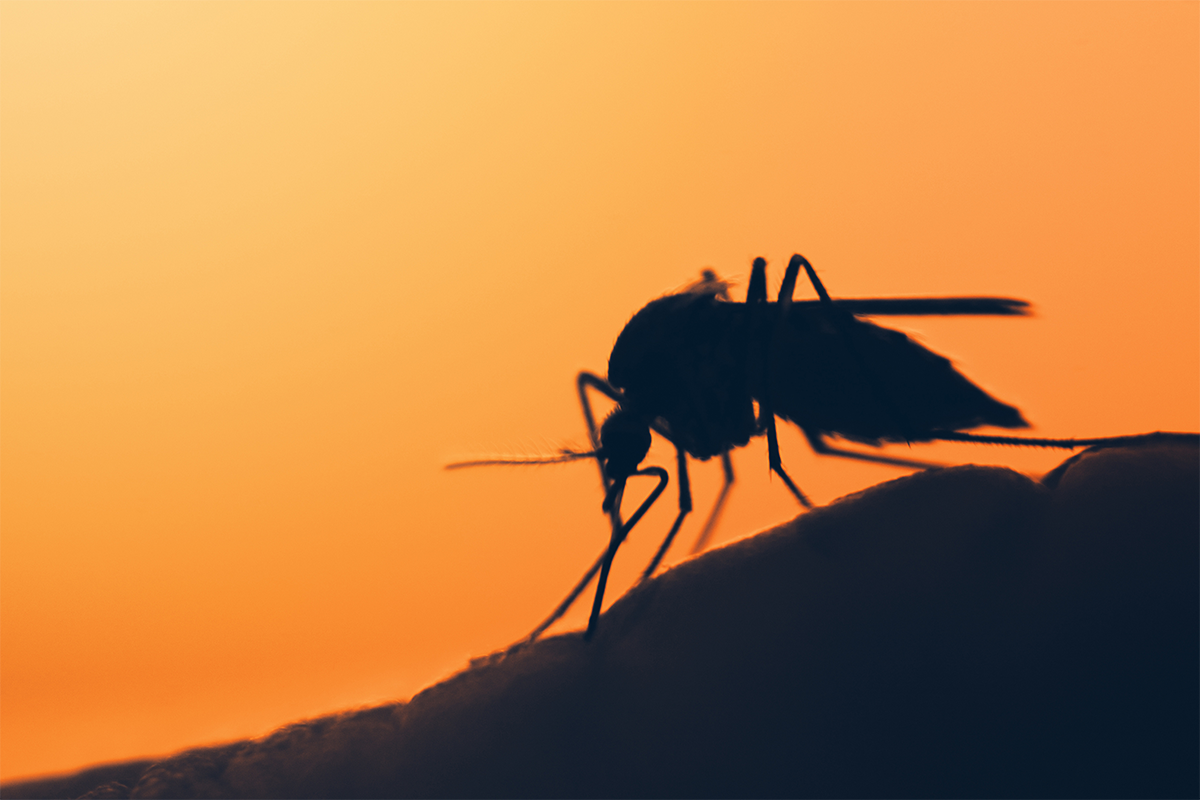
Wearing DEET Might Be Like Ringing the Mosquito Dinner Bell
Wearing DEET Might Be Like Ringing the Mosquito Dinner Bell: Pavlov’s dog, meet Pavlov’s mosquito
- ·
spiegel.de
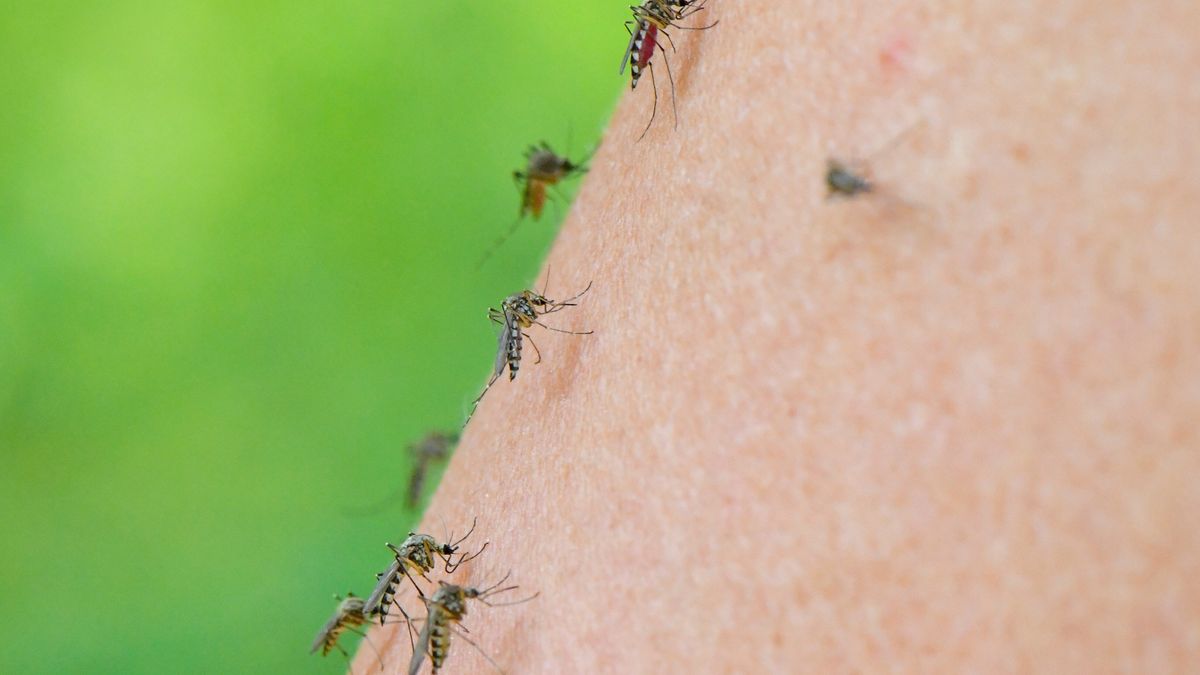
Lecker Blut: Mücken können lernen, Insektenschutzmittel mit Nahrung zu verbinden
Forschende haben festgestellt, dass Mücken lernen können, Insektenschutzmittel mit dem Wirkstoff DEET mit Nahrung zu verbinden. Sie greifen dann sogar eher Menschen an, die sich…