view more
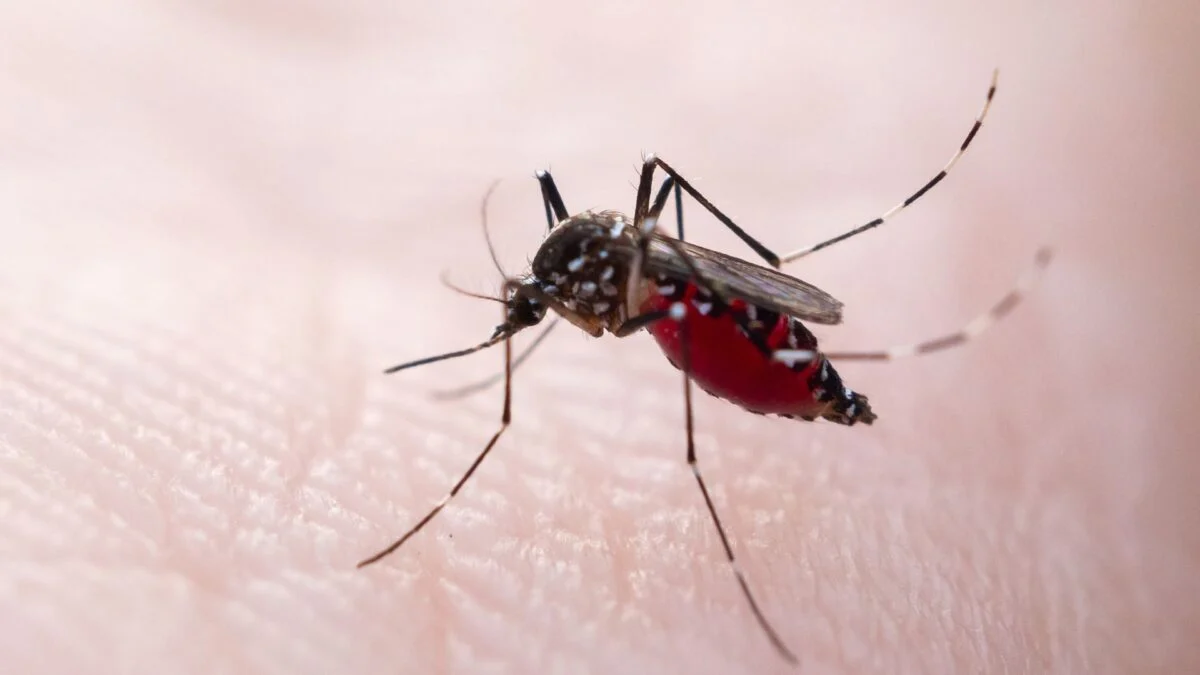
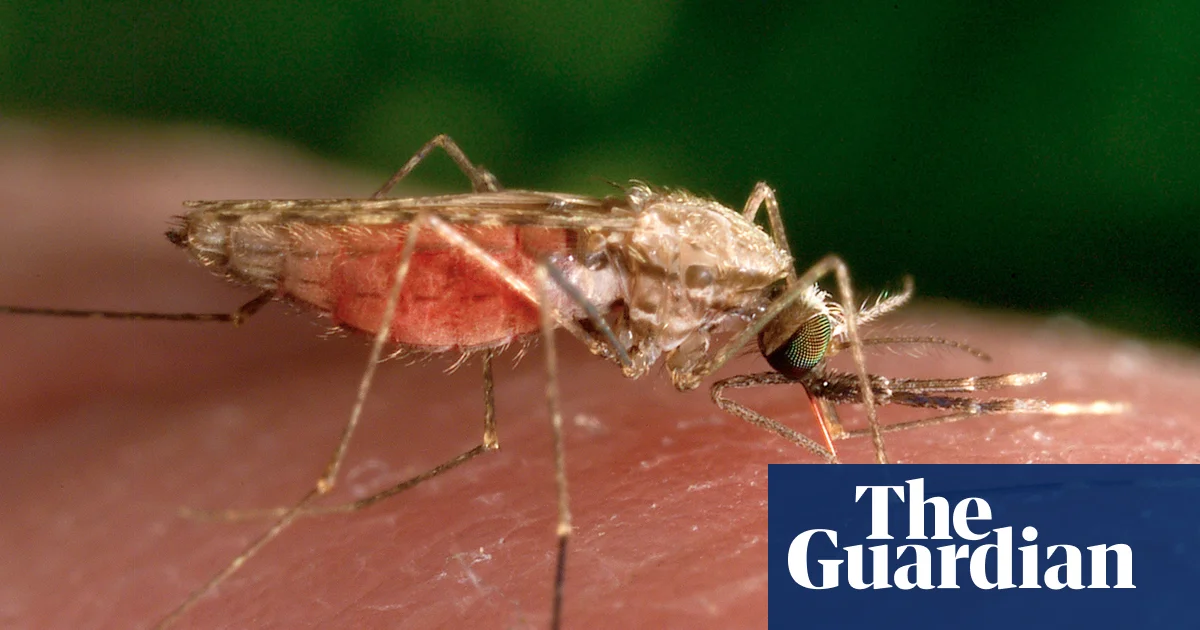
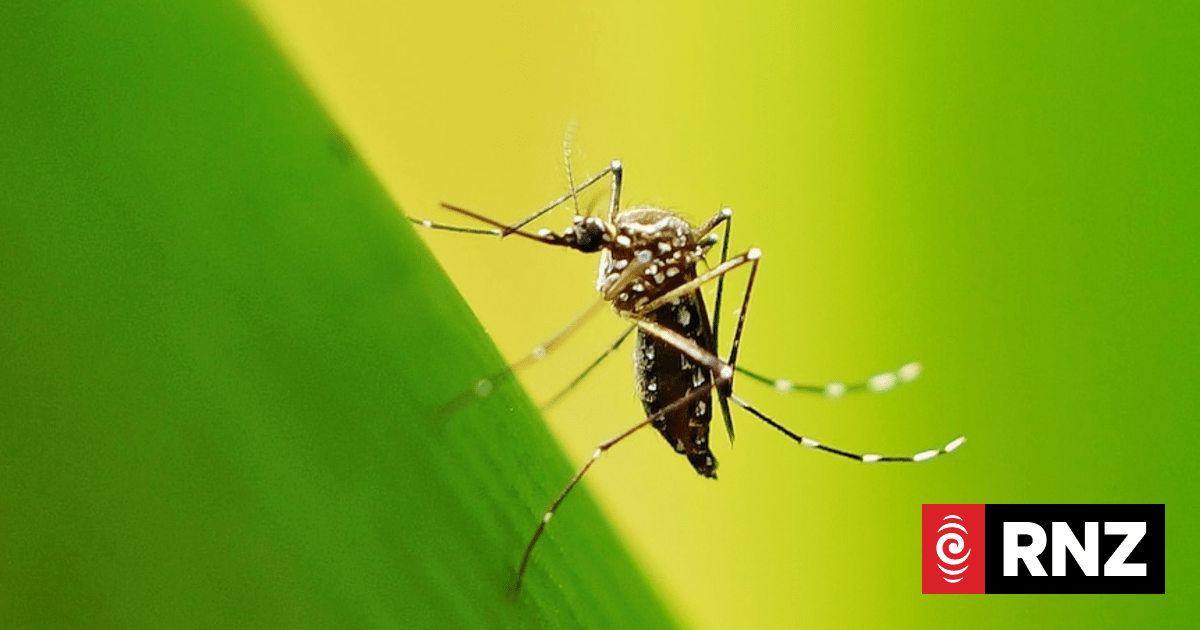
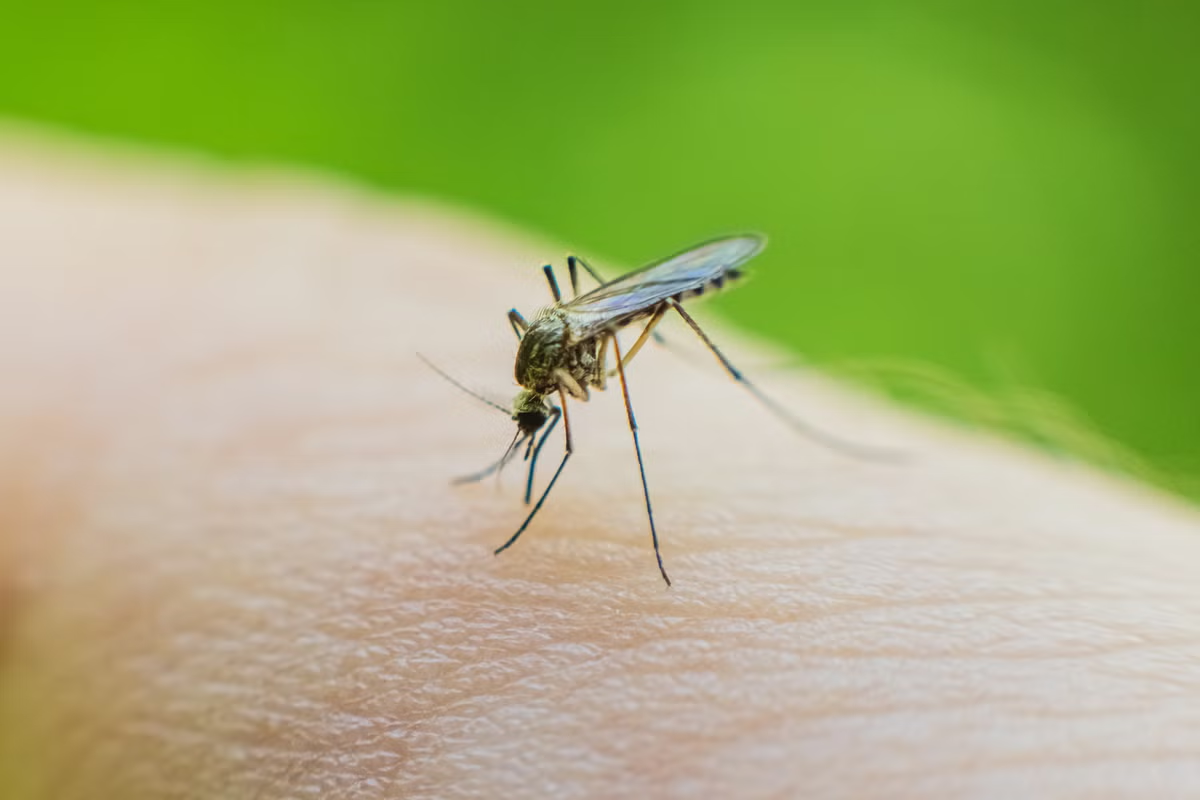
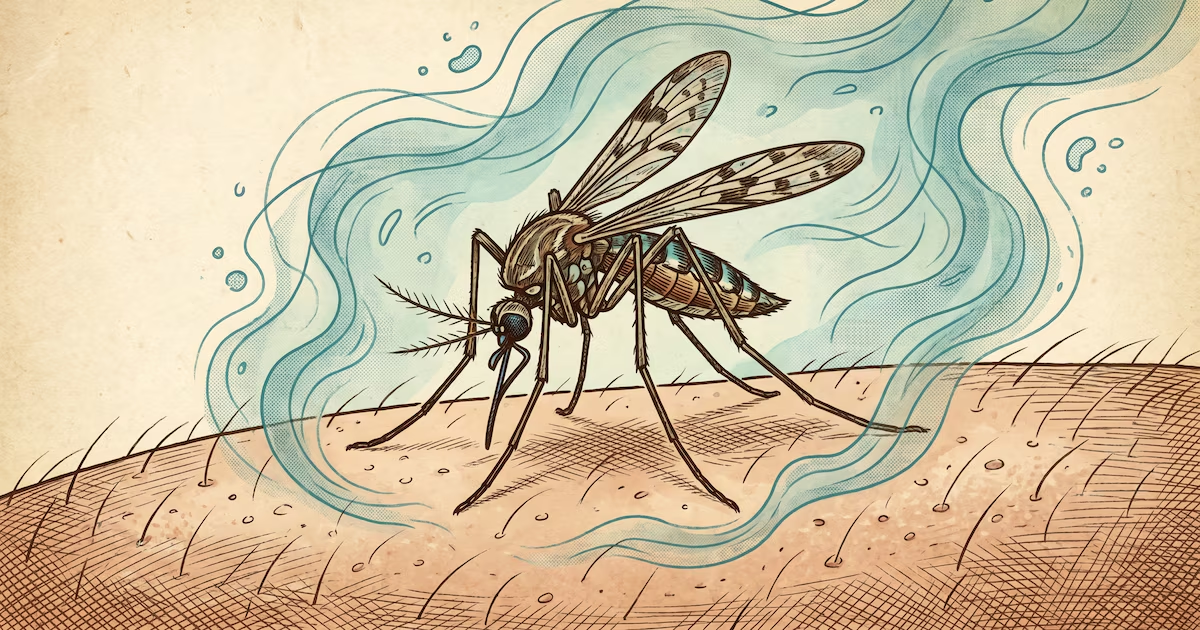
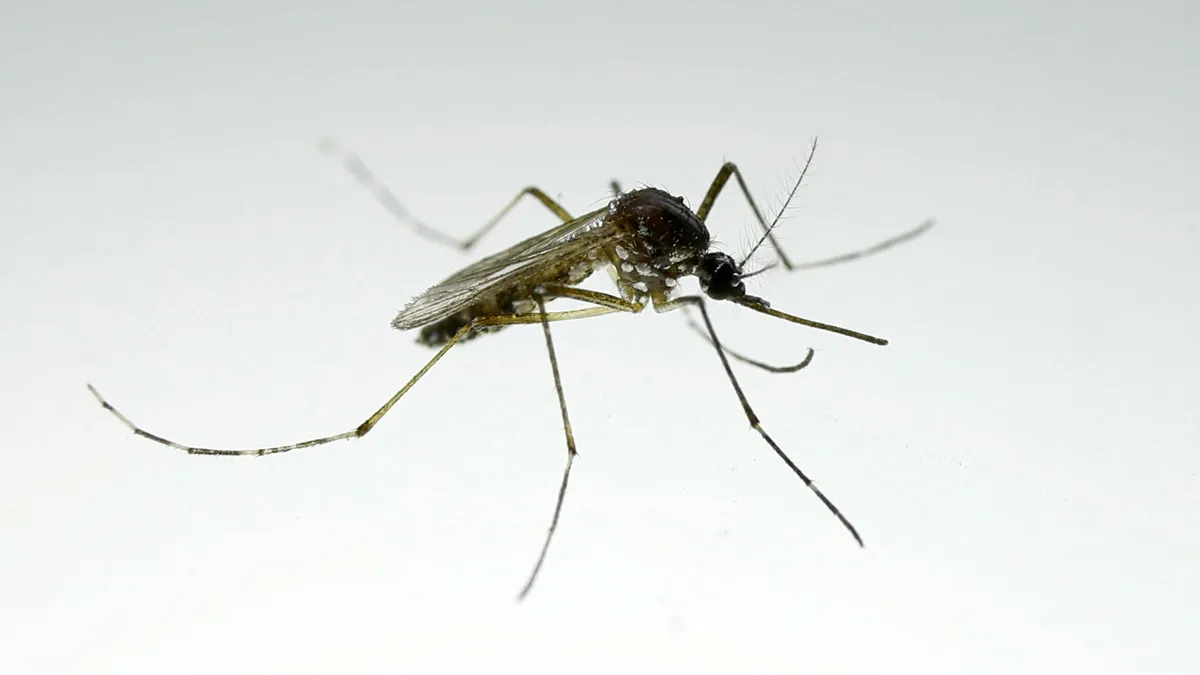
DEET is the gold standard for insect repellents, deterring ticks, flies and mosquitoes. Yet there may be a chink in the quintessential repellent’s armour. ‘If mosquitoes are repeatedly exposed to DEET, it becomes less effective as a repellent’, says Claudio Lazzari, from University of Tours, France, raising concerns that in certain situations the repellent may even begin to attract some biting insects. In research published in Journal of Experimental Biology, Lazzari, Clément Vinauger from Virginia Tech, USA, and colleagues have discovered that mosquitoes can learn to associate the smell of DEET with food, meaning that they could be more likely to bite people that smell of DEET, placing the indispensable repellent at risk.
Lazzari and colleagues made their discovery using a bizarre twist of Pavlov’s famous experiment, where dogs learned to associate the arrival of food with a ringing bell, but first the team had to find a way of confirming when the voracious insects were attracted to something tasty.
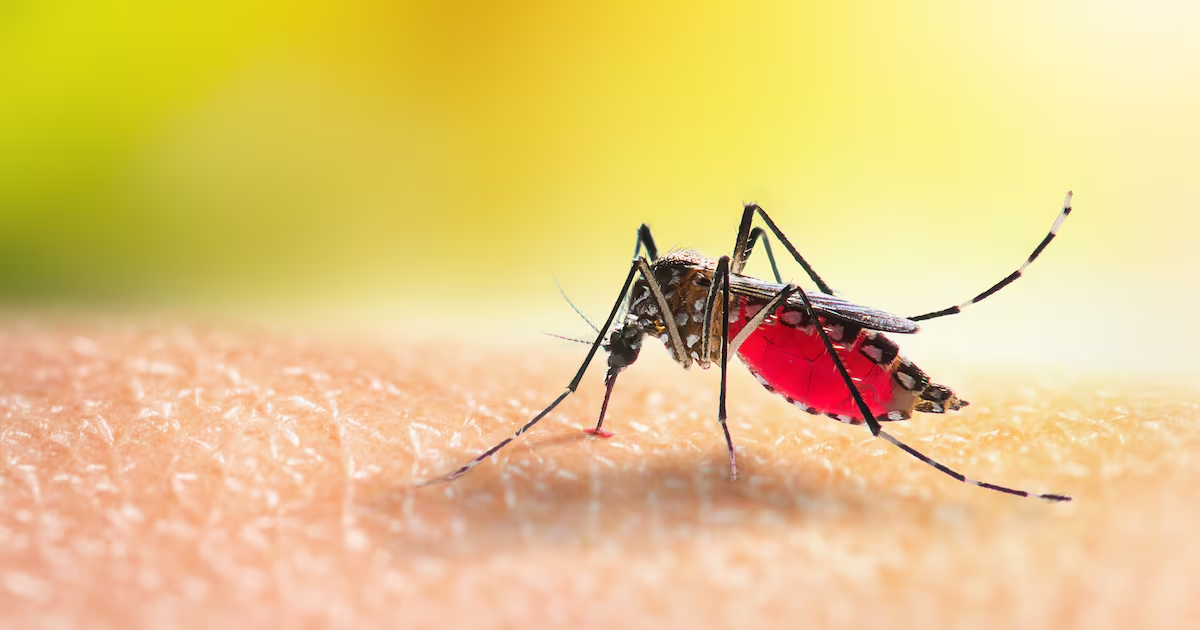
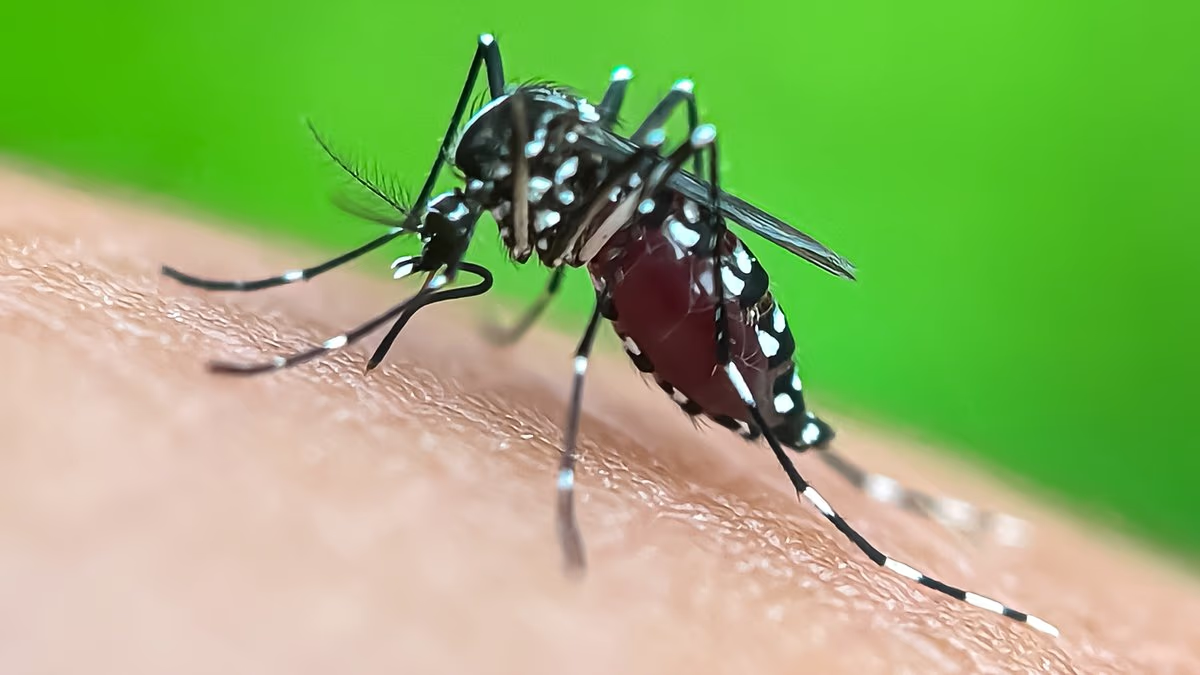
Knowing that yellow fever mosquitoes (Aedes aegypti) like nothing more than a meal of warm blood, David De Luca (University of Tours) restrained the insects behind a fabric mesh before offering them a bag of warm blood placed just out of reach, to see how enthusiastically the insects stabbed at it with their proboscises in the hope of grabbing a bite.