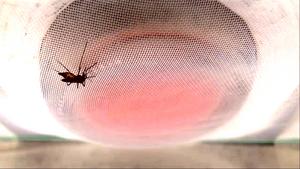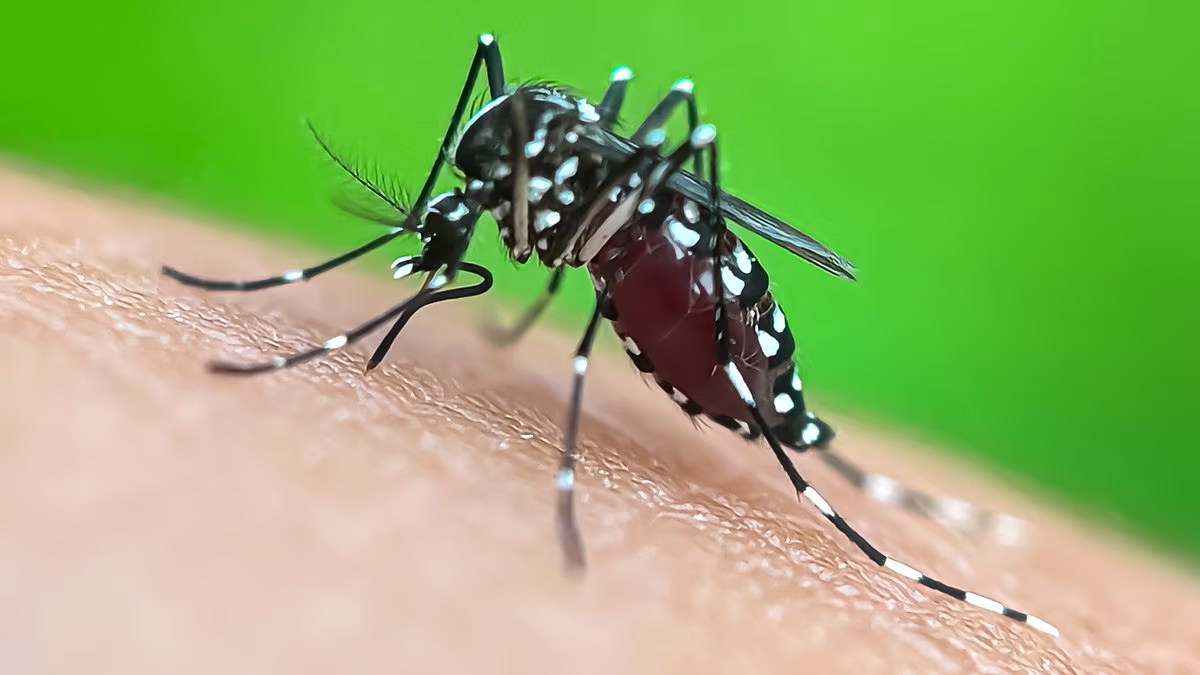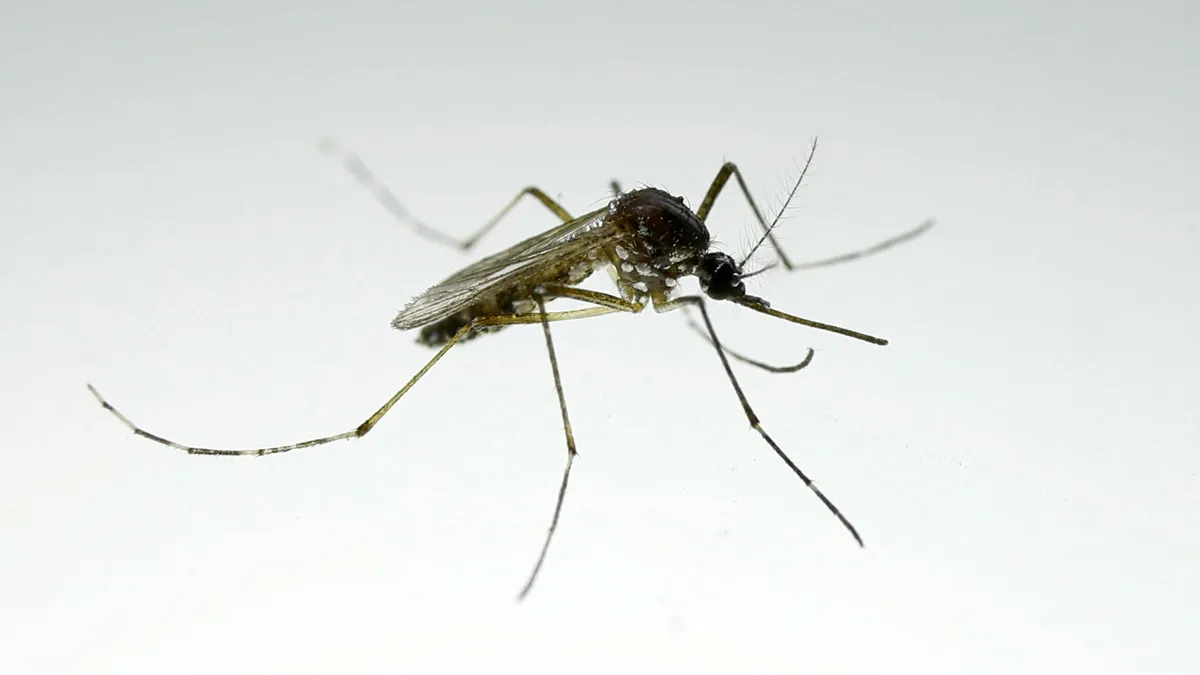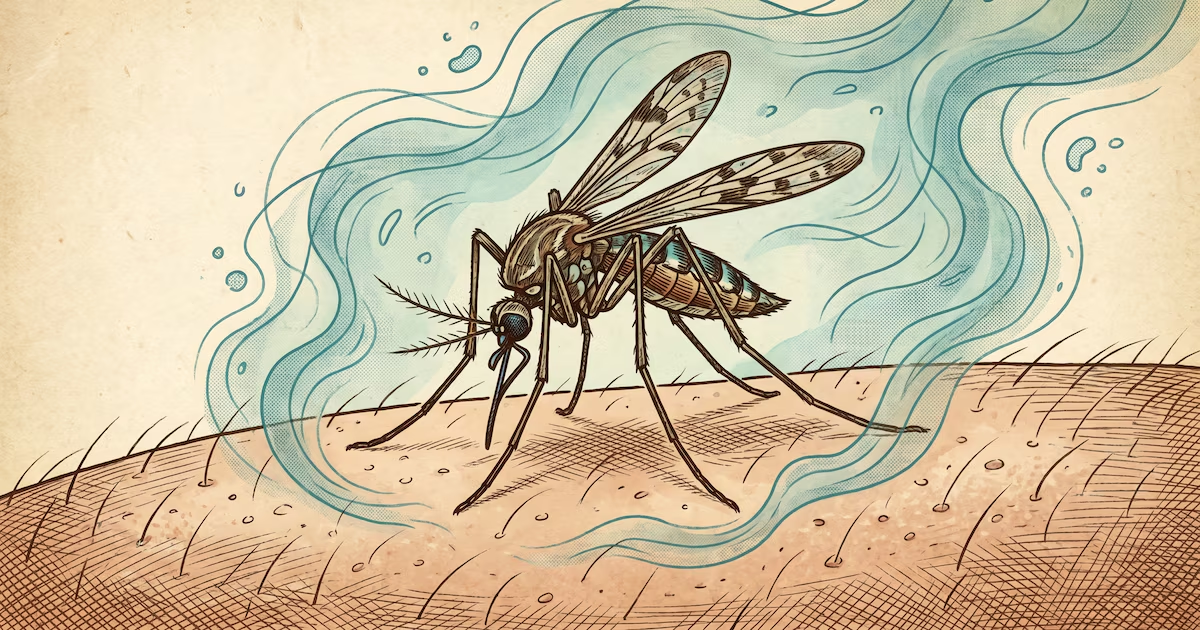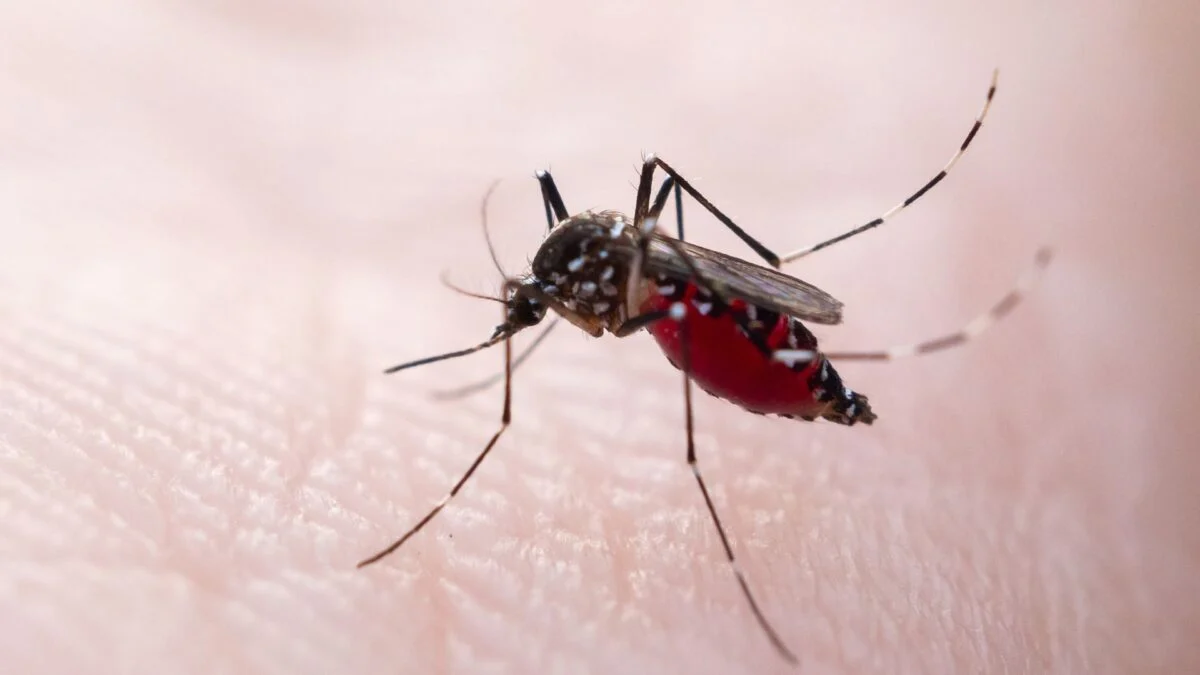
One of the most trusted forms of protection against the dreaded mosquito might have an unexpected weakness. Research out today shows that mosquitoes can actually learn to love the presence of DEET, a common ingredient in insect repellents. Scientists in the U.S. and France conducted lab experiments with Aedes aegypti mosquitoes, a species well known for spreading various diseases, including yellow fever and dengue. They successfully reversed the mosquitoes’ aversion to the chemical, even making them more willing to approach a human wearing DEET. Though DEET remains a valuable anti-mosquito measure, the findings suggest people should be especially mindful about using it as instructed, the researchers say. “DEET is still the gold standard of mosquito repellents,” study author Clément Vinauger, an associate professor in the department of biochemistry at Virginia Tech, told Gizmodo. “Our work is an important reminder to carefully read the manufacturer’s recommendations regarding dosage and application frequency to ensure these products are as effective as possible.” The mystery of DEET DEET is short for N,N-diethyl-meta-toluamide. DEET was developed by entomologists in the U.S. Army in the 1940s and has remained a mainstay of pest control ever since. It can be used safely on people’s clothing and skin, and it can deter a wide variety of annoying invertebrates such as fleas, ticks, and mosquitoes.
A Widely Used Mosquito Repellent Might Be Training Them to Seek Your Blood
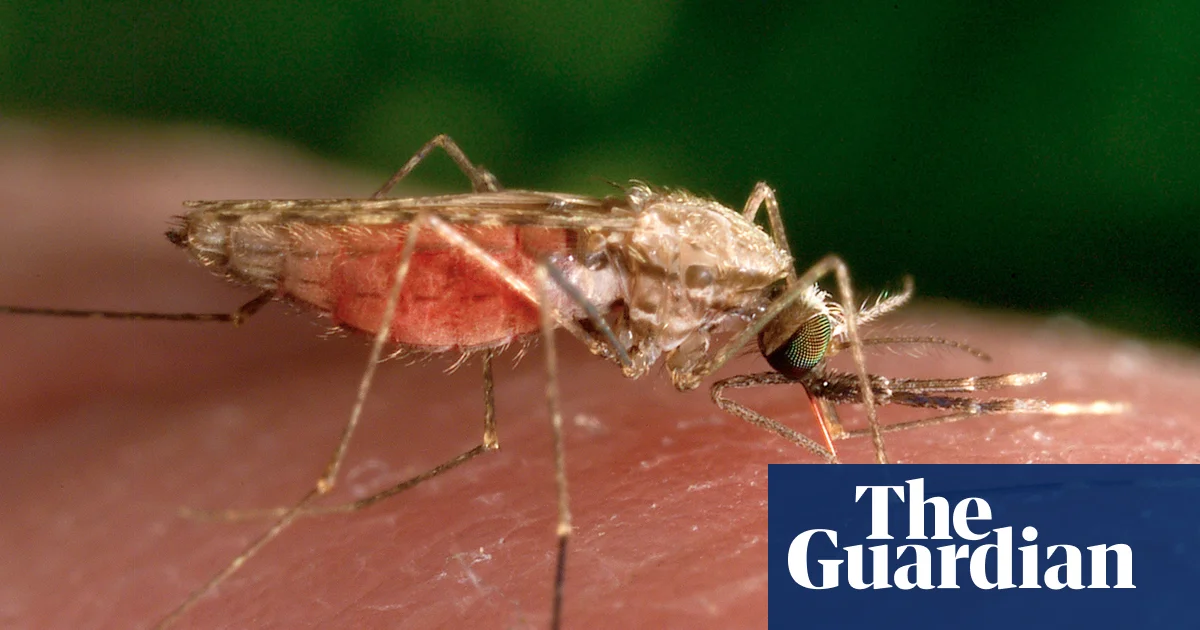
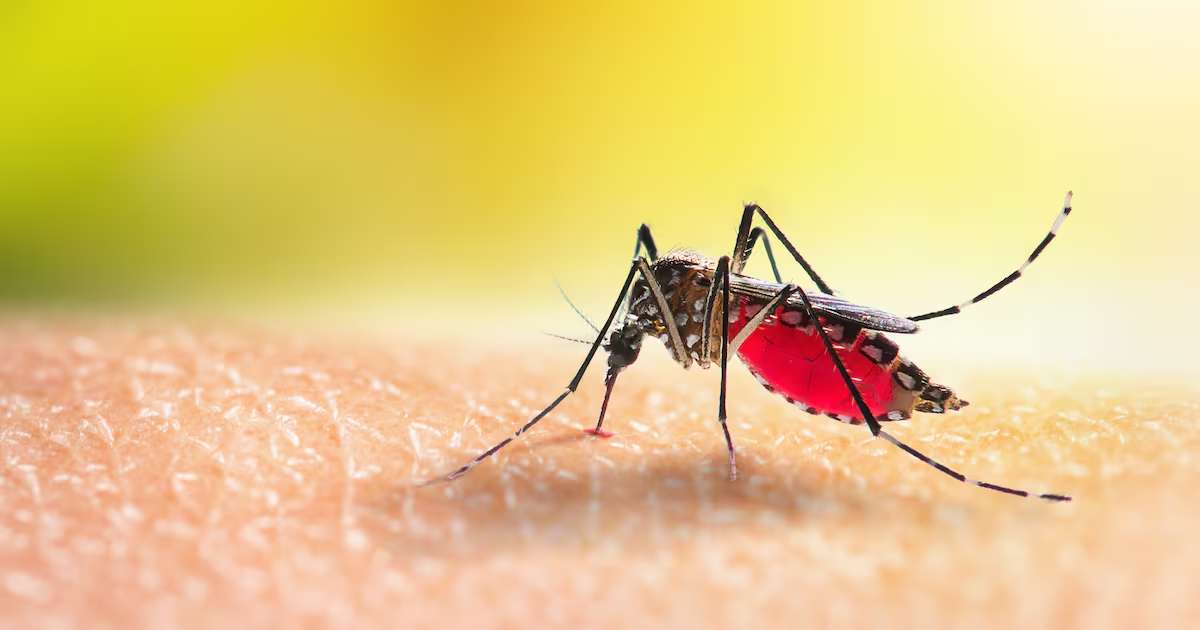
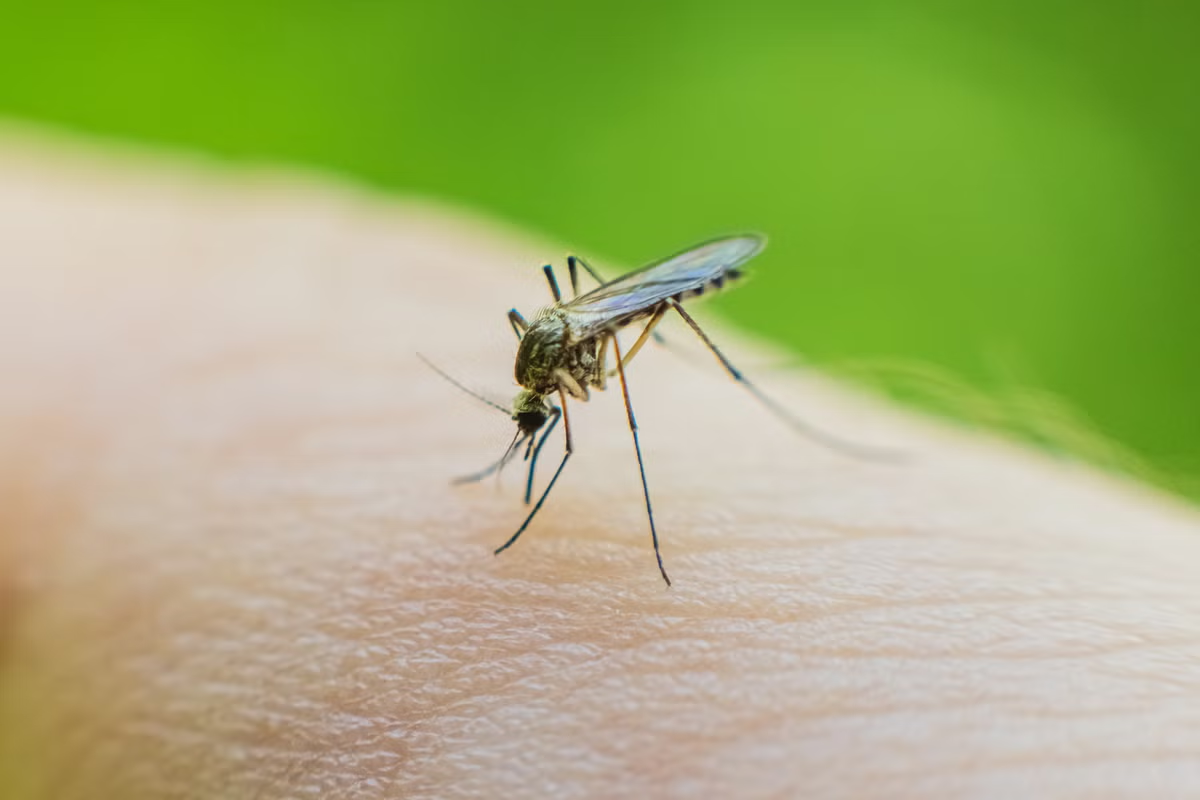
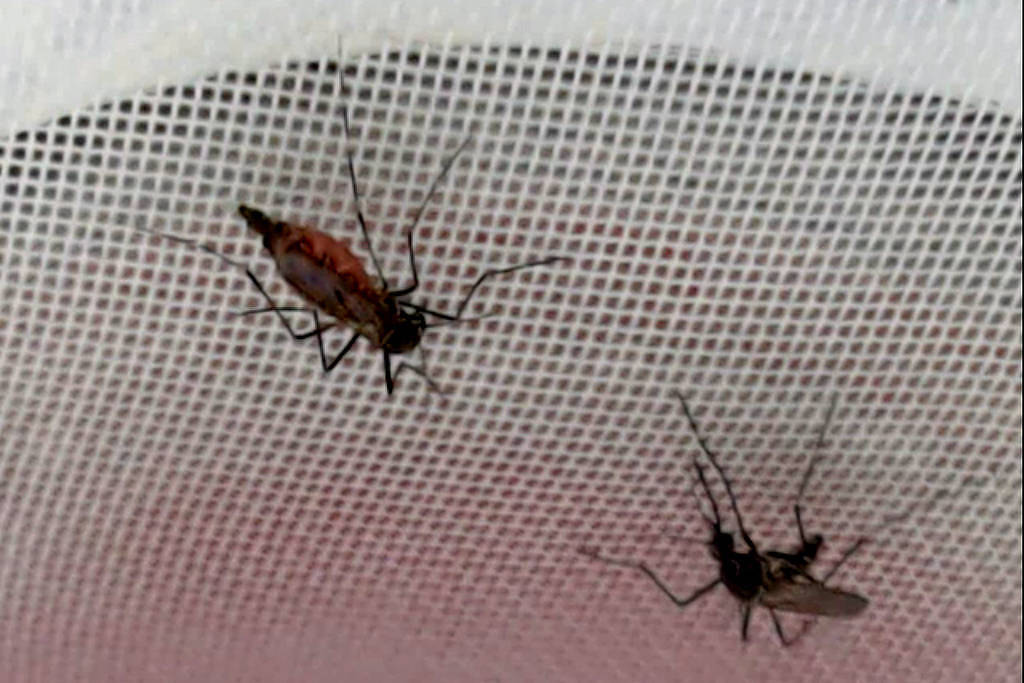
Mosquitoes can apparently learn to overcome their hatred of DEET.
892 words~4 min read