The UK's Office of Gas and Electricity Markets (Ofgem) has announced a 13-percent increase of the energy price cap, as a result of higher wholesale prices caused by the closure of the Strait of Hormuz.

Ofgem will on Wednesday reveal the level of the annual energy price cap for July to September as predictions suggests a 13% rise is on the way.

Ofgem will on Wednesday reveal the level of the annual energy price cap for July to September
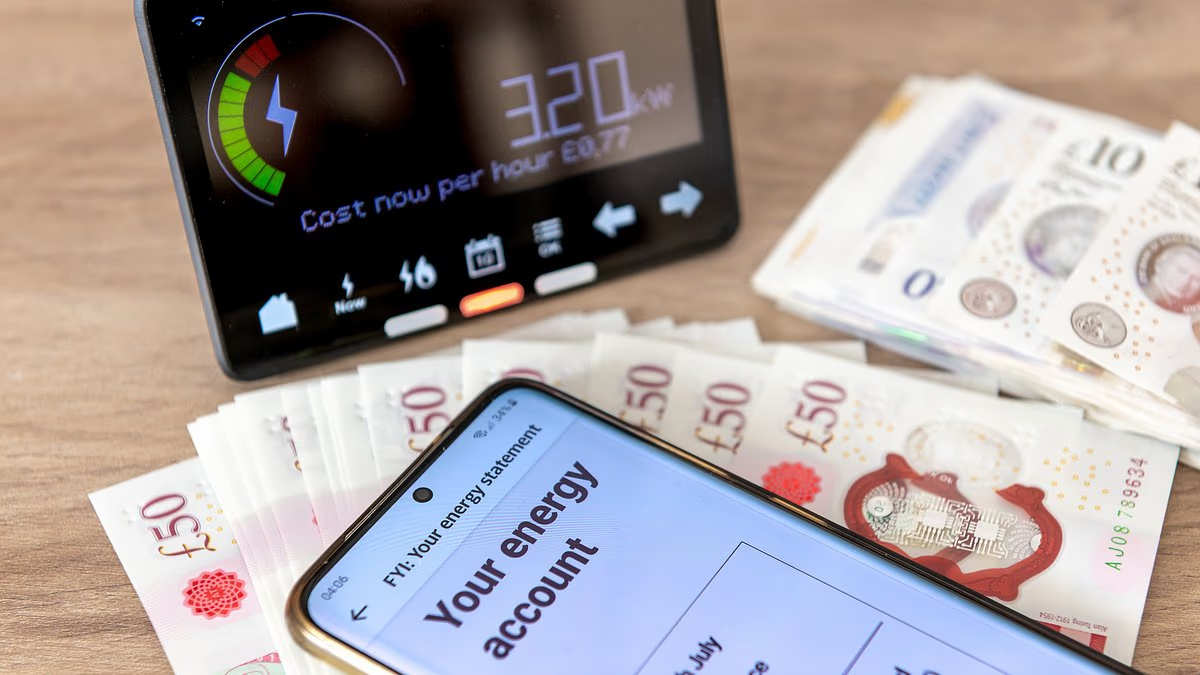
Families being squeezed by rising prices face a fresh blow today as the energy regulator is set to announce a £200 rise in annual bills.

The Ofgem price cap does not put a limit on how much you can pay for energy - instead, it sets the maximum unit rates and standing charges

The energy price cap governs the price of energy for the two thirds of Britons who are not on fixed-term contracts.

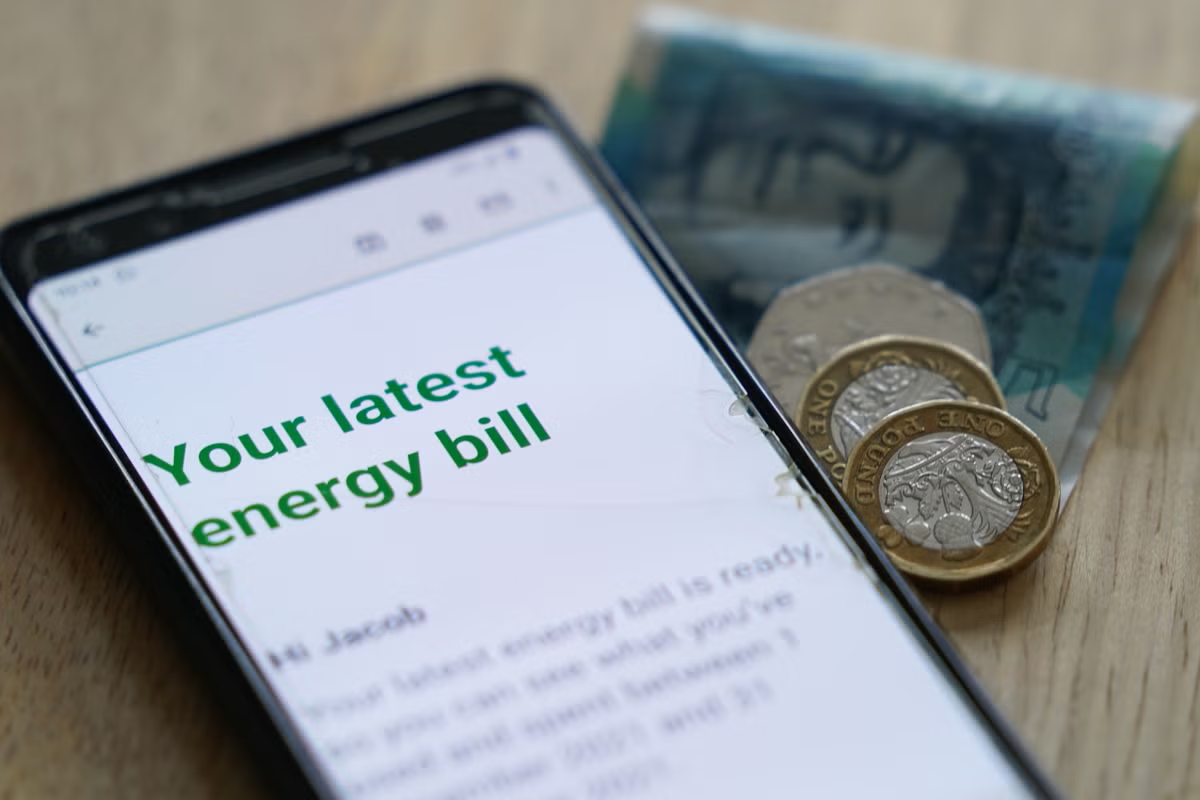
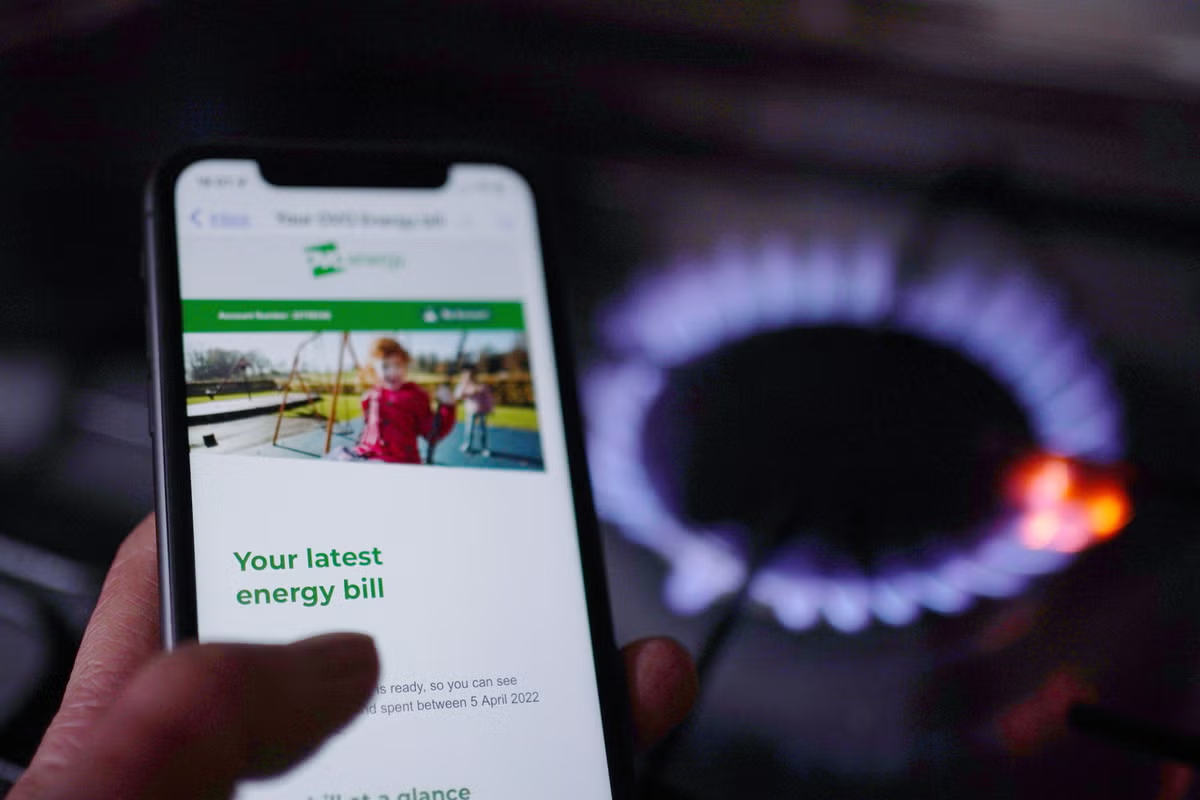
UK households are to be subjected to a sharp rise in energy bills next month, leaving Brits bracing for a painful winter of sky-high bills

The average household using both electricity and gas will see an increase of about £18 per month.

The energy price cap will be increasing to £1,862 a year for the typical household for people who pay by direct debit

The current price cap for a typical household paying by direct debit for gas and electricity is £1,641

Stay up to date with notifications from The IndependentNotifications can be managed in browser preferences.Jump to contentThank you for registeringPlease refresh the page or…

Households are set to pay an additional £221 each year

Changes to the price cap from July amount to an increase of £18 a month for the average household using both electricity and gas.

The UK's Office of Gas and Electricity Markets (Ofgem) has announced a 13-percent increase of the energy price cap, as a result of higher wholesale prices caused by the closure of…

British households face a 13% rise in regulated energy bills from July as higher wholesale gas prices feed through to Ofgem’s price cap.

Ofgem has confirmed the energy price cap will rise 13% from July

“Ongoing conflict in the Middle East is impacting the price we pay for energy,” the head of the U.K.’s energy regulator said.

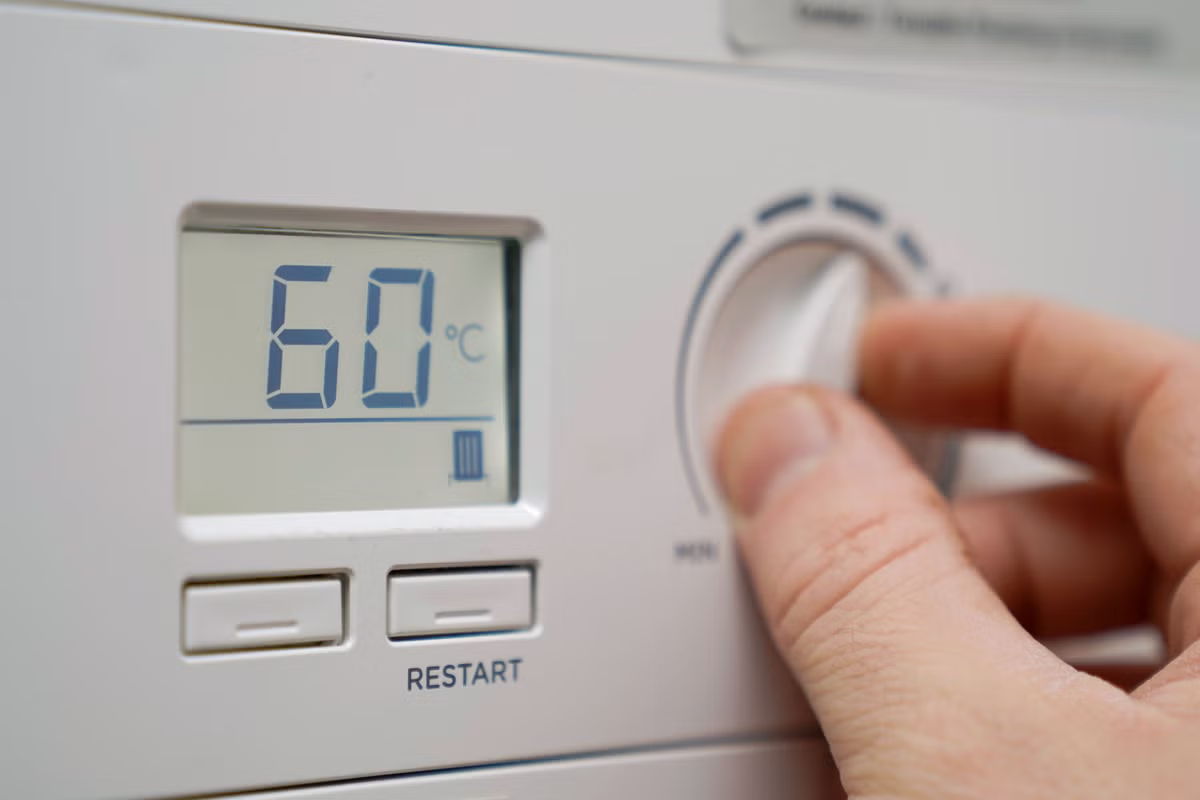
Small changes, from using LED lightbulbs, to sealing windows, can help reduce the cost.

Reuters reported that the ongoing war against Iran and escalating tensions in the Middle East have driven up global gas prices, leading ...