HomeAI · summaries
Storia in 6 fonti
Report warns of Iran war’s prolonged impact on grocery bills
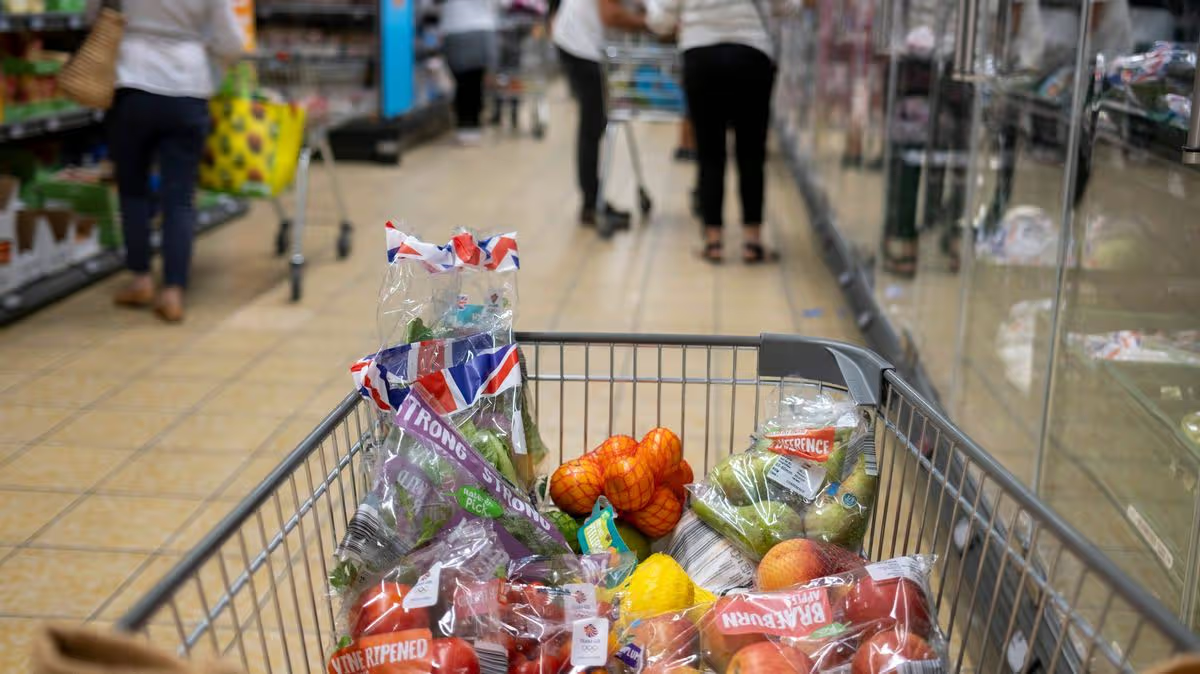
Stay up to date with notifications from The IndependentNotifications can be managed in browser preferences.Jump to contentThank you for registeringPlease refresh the page or navigate to another page on the site to be automatically logged inPlease refresh your browser to be logged inAllNewsSportCultureLifestyleBritish households are facing persistently high prices for essential food items, with a new report attributing this trend to ongoing global events such as the Middle East crisis and the El Nino weather pattern. Analysis from the Energy and Climate Intelligence Unit shows food prices “shoot up like rockets but drift down like feathers”, meaning consumers face elevated grocery bills long after initial disruptions. The think tank's findings, based on over three decades of UK data, indicate that shelf prices recover only 1 per cent of their original increase after six months and just 7 per cent after two years.The research shows that only 35 per cent of the initial affordability impact is unwound within two years when adjusted for wages. Experts warn that food prices are on track to be 50 per cent higher by November compared to mid-2021 levels, with climate change and energy volatility expected to make shocks more frequent and severe. In fullBread and pasta prices to stay high as UK households feel pinch from Iran warThank you for registeringPlease refresh the page or navigate to another page on the site to be automatically logged inPlease refresh your browser to be logged in
Confronto fonti
6 prospettive sulla stessa storiaTimeline cronologica
- ·
cityam.com
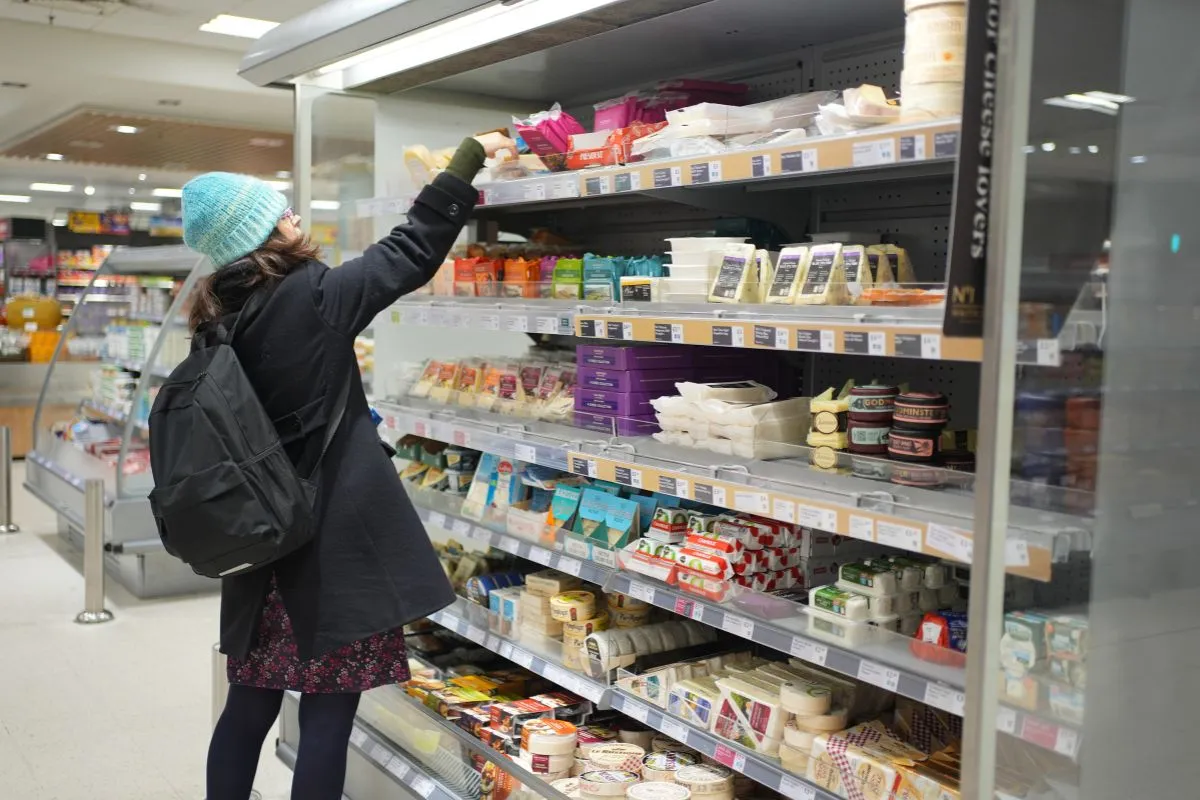
Intense discounting pushes food inflation to year low
Intense competition among UK supermarkets has pushed food inflation to its lowest level in a year, despite warnings that the Iran war will push up prices.
- ·
independent.co.uk
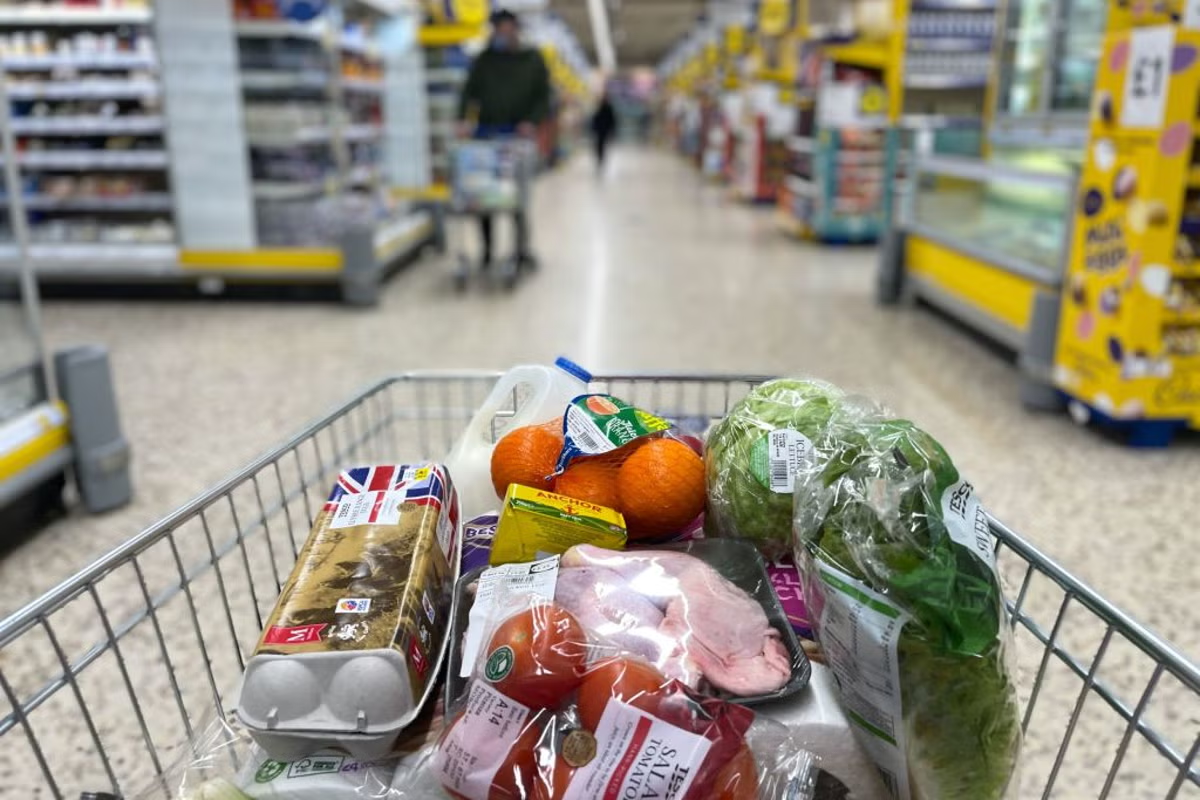
Bread and pasta prices to stay high as UK households feel the pinch
Households have already seen food prices rise more than 40 per cent since mid-2021