Tuesday 26 May 2026 12:01 am
| Updated:
Monday 25 May 2026 2:46 pm
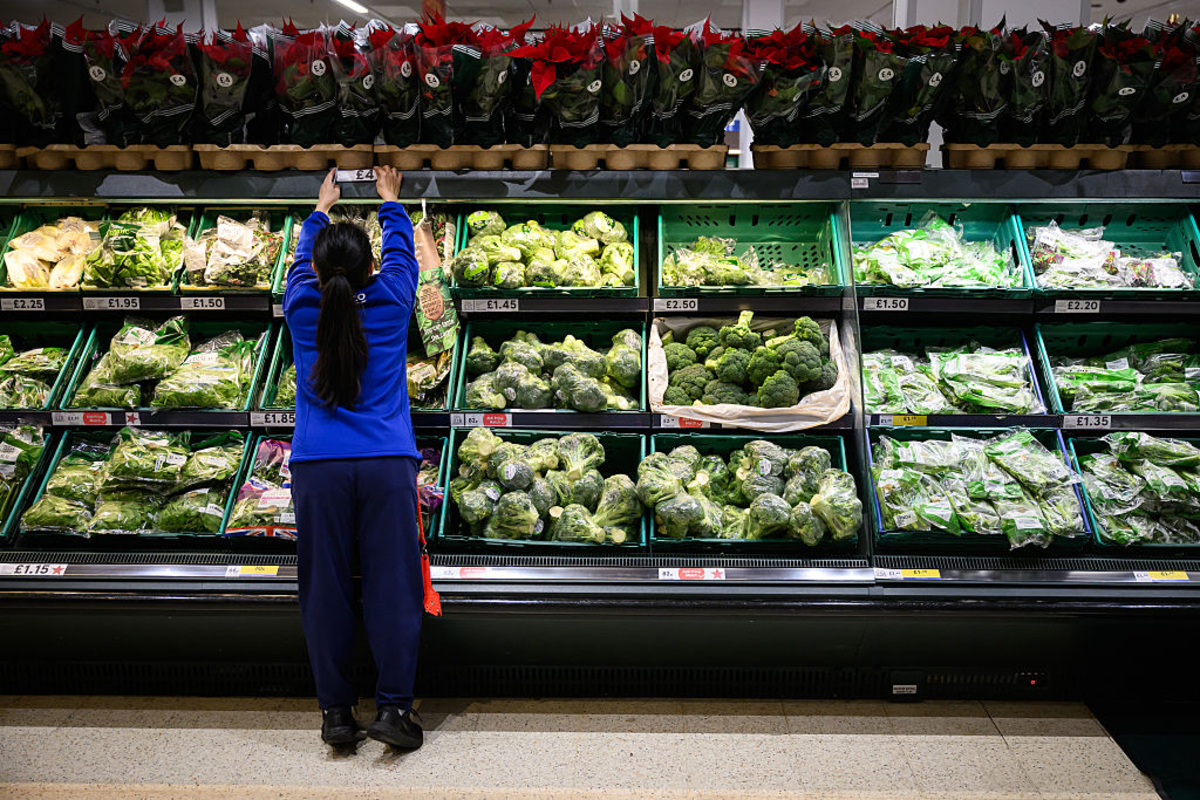
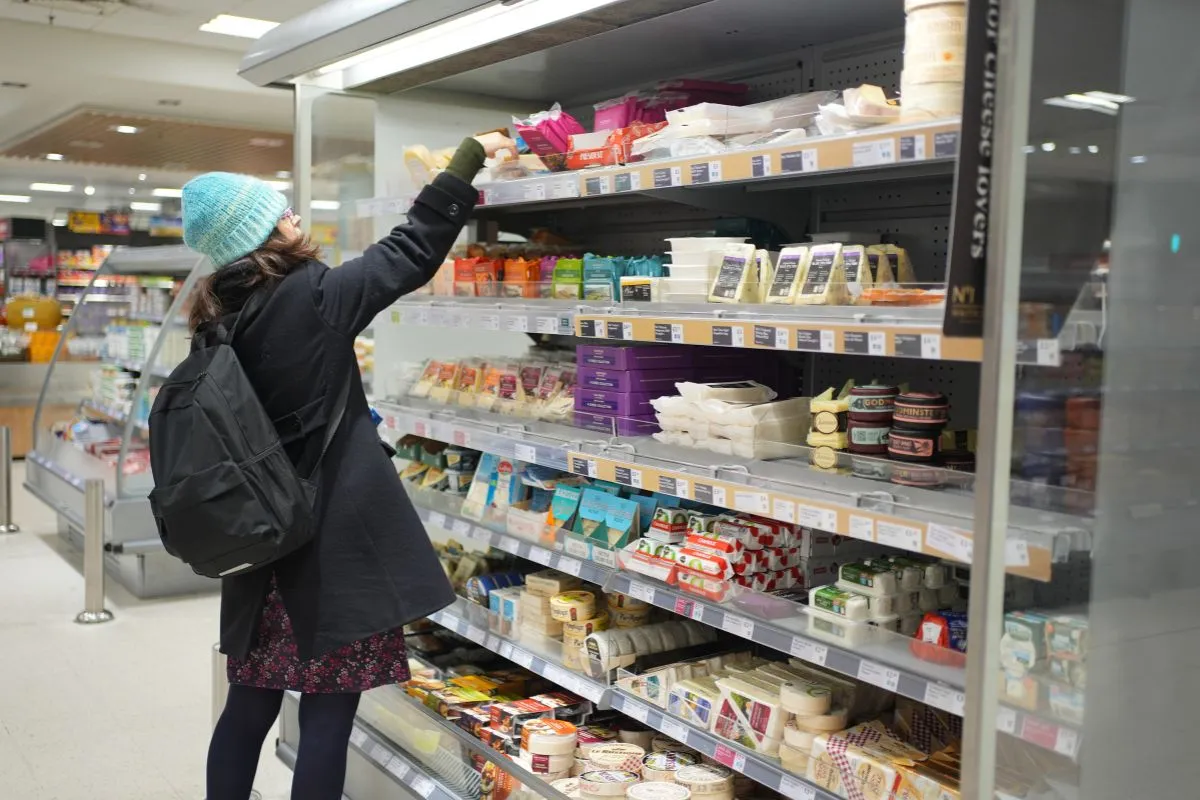
Food inflation had been forecast to rise later tihs year (Yui Mok/PA Wire)
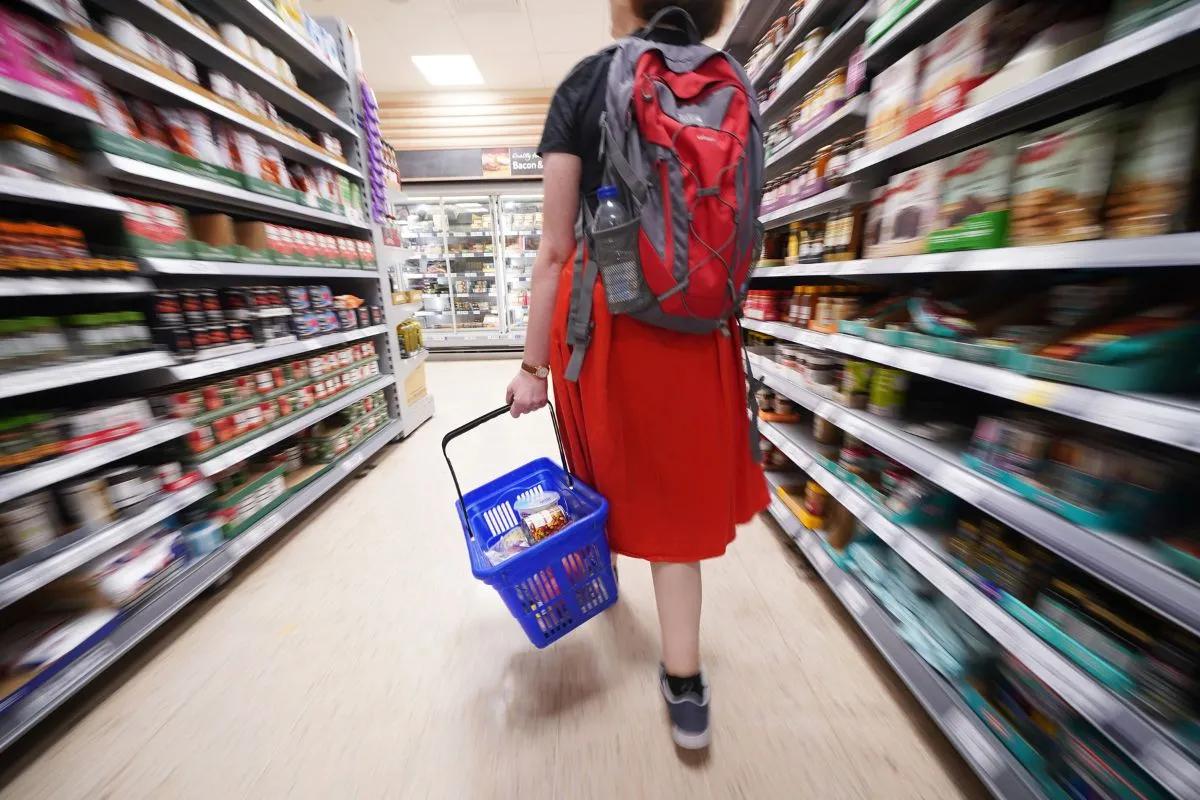
Intense competition among UK supermarkets has pushed food inflation to its lowest level in a year, despite warnings that the Iran war will push up prices.Heavy discounting saw food inflation fall from 3.1 per cent last month to 2.7 per cent in May, according to data by the British Retail Consortium (BRC) and NIQ.The trade body said British supermarkets are locked in intense rivalries to keep prices down for shoppers, as grocers ramp up calls on the government to help them cut costs.Fresh food inflation fell the furthest, to 2.7 per cent in May compared to 3.1 per cent in April.The price of ambient foods – those kept on shelves or in pantries – rose at a rate of 1.6 per cent in May, behind the 2.1 per cent inflation seen in the month prior.This comes despite warnings that the blockage to the Strait of Hormuz during the Iran war could cause the price of food to shoot up later this year. Reeves urged to cut energy billsThe Food and Drink Federation says food inflation could reach 10 per cent by December, while the Bank of England forecasts a rate of six or seven per cent this year.Supermarkets have said they are doing everything they can to keep prices down and are urging the government to cut their energy bills and slash taxes on packaging to help them pass savings onto consumers. Rachel Reeves last week announced she is cutting tariffs on 100 food products to protect shoppers from price rises, but retailers warned this measure will “barely touch the sides”.Helen Dickinson, chief executive of the British Retail Consortium, said: “While retailers work hard to keep prices down for customers, they continue to face significant cost pressures, including higher energy bills and disruption linked to the conflict in Iran. “Businesses cannot absorb these costs indefinitely, which risks pushing prices higher in the months ahead. To help protect households, [the] government should take action to reduce business costs.”Prices set to creep upWhile food price inflation slowed, non-food inflation jumped to 0.5 per cent in May, compared to a 0.1 per cent decline in April.Furniture and health and beauty saw the biggest price rises in May, as these sectors were hit the hardest by rising material and shipping costs caused by the conflict in the Middle East.Mike Watkins, head of retailer and business insight at NIQ, said: “Food inflation is still around the same level as a year ago, helped by supermarkets maintaining promotions after Easter, but prices are now starting to creep up for non-food after a period of deflation. “With external inflationary pressure building and many households cautious about spending, we can expect promotions across all of retail to increase over the summer months.”