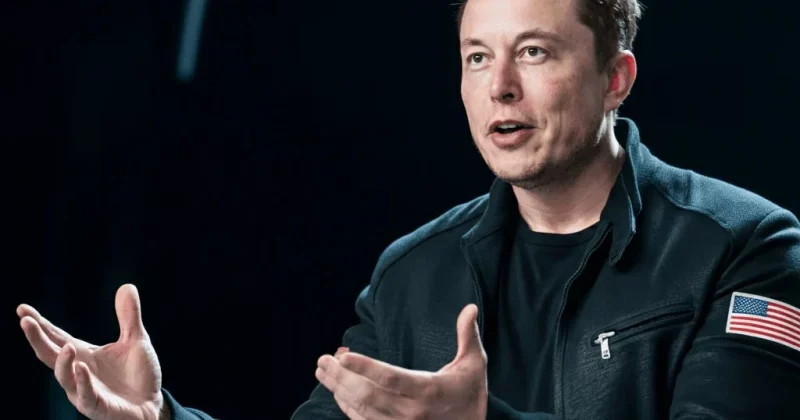
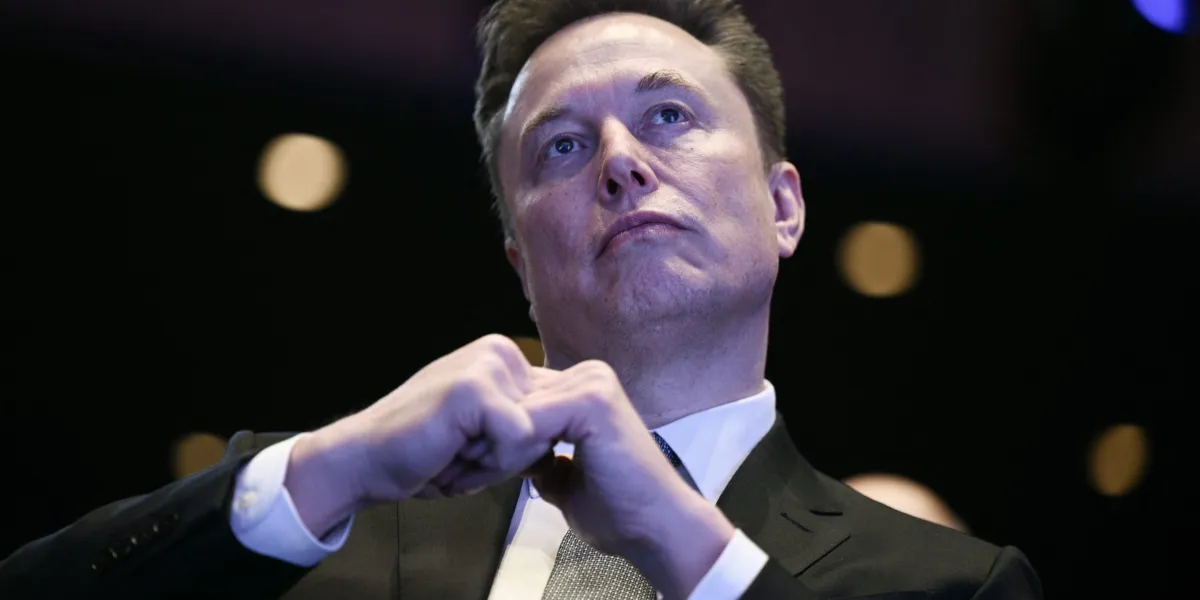
Investors who buy SpaceX shares will have almost no ability to force Elon Musk out of his company.

SpaceX will keep Elon Musk as CEO, CTO, and chairman post-IPO, with a dual-class share structure giving him 79% voting control at a $1.75T valuation.

SpaceX plans a mid-2026 IPO with dual-class shares ensuring Elon Musk retains at least 25% voting control. The offering could raise up to $50 billion.
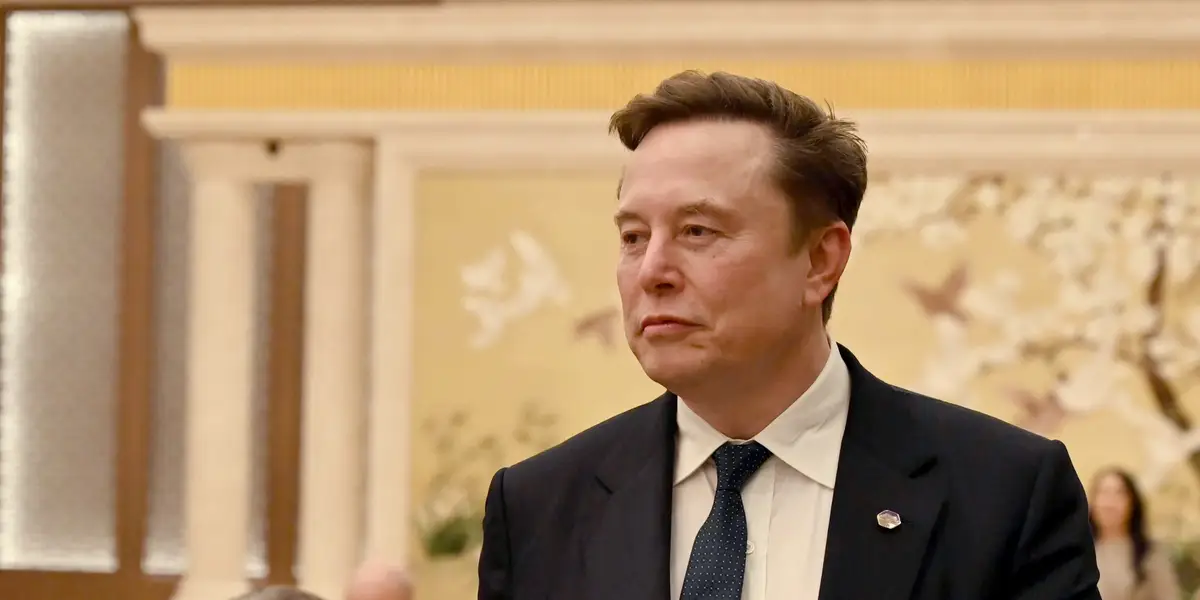
SpaceX's IPO filing reveals a $4.28B net loss on $4.6B revenue. Elon Musk retains control via super-voting shares as CEO, CTO, and chairman post-IPO.

Musk will serve as the company's CEO, chief technical officer, and chairman of its board. He'll also control the election of the board of directors.

The 277-page prospectus, filed under ticker SPCX, reveals a massive corporate transition that combines space logistics with substantial artificial intelligence assets.

Also: All the news and watercooler chat from Fortune.

Documents related to SpaceX’s initial public offering show the company is unprofitable and CEO Elon Musk controls 85% of the vote. | Business News

SpaceX’s long-awaited IPO prospectus was revealing. Here are some key takeaways.

Investors who buy SpaceX shares will have almost no ability to force Elon Musk out of his company.

SpaceX is launching history's biggest public listing, propelling Elon Musk's wealth into the stratosphere. DW explores whether the firm's out-of-this-world ambitions are truly…

Musk, who will have more than 50% of the voting power, will have a monarchical grip over the publicly-traded version of SpaceX — control that goes far beyond what other tech…

Musk, who will have more than 50% of the voting power, will have a monarchical grip over the publicly-traded version of SpaceX — control that goes far beyond what other tech…

SpaceX will reportedly allocate 30% of shares to retail investors, betting on the CEO’s loyal base of investors—and putting Tesla under more scrutiny.

Elon Musk has the largest stake in SpaceX by billions of shares. The other biggest shareholders also have longstanding and deep ties to Musk.

Elon Musk has mandated two classes of shares, binding arbitration, and many other policies shareholder advocates hate in the Space X S-1.

While such structures are hardly unusual in corporate America, particularly among founder-led companies, few issues are so fiercely criticized by governance watchdogs.