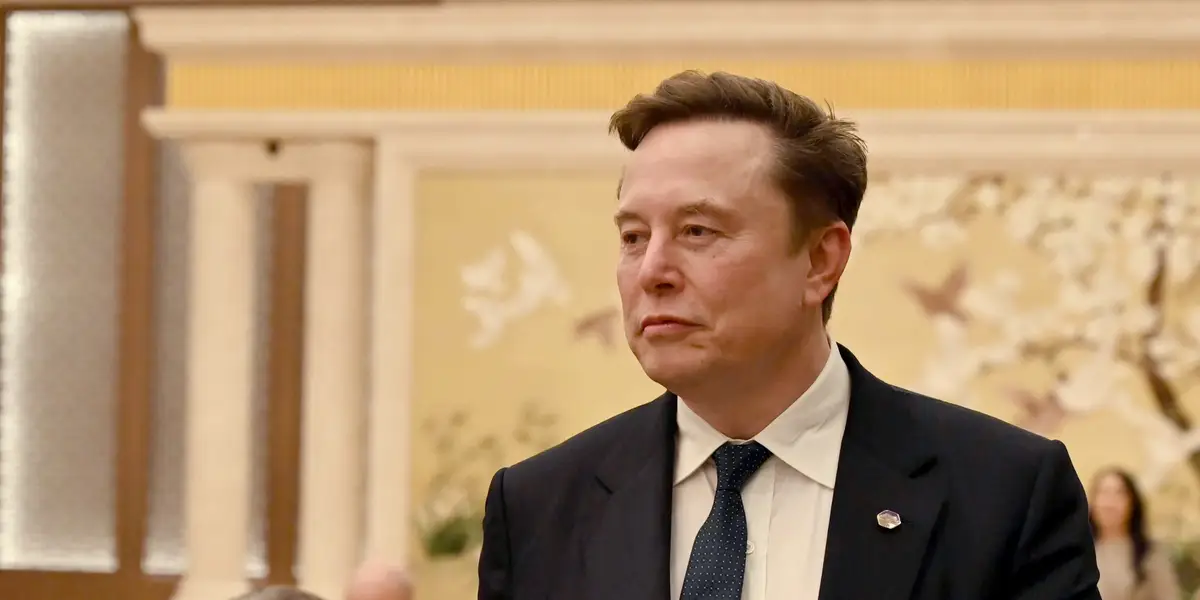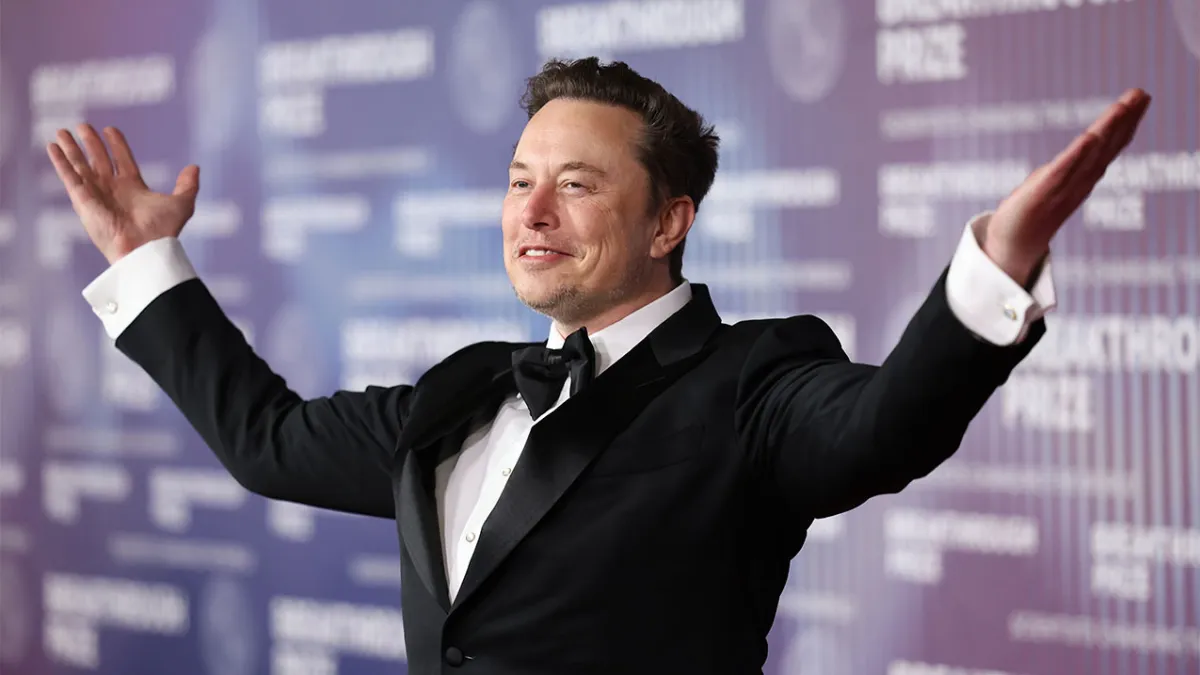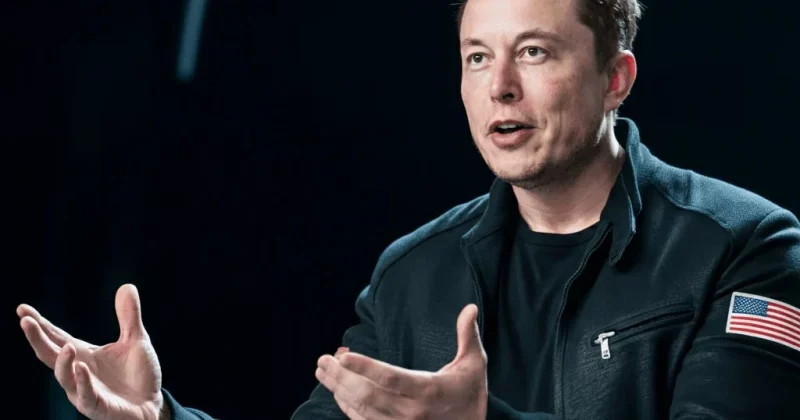
SpaceX is heading to public markets with a governance structure that essentially turns Elon Musk into a corporate monarch. The company confirmed that Musk will retain his roles as CEO, CTO, and chairman of the board after the IPO, a concentration of power that’s unusual even by Silicon Valley standards.
Here’s the thing. Holding all three titles isn’t just a vanity play. Combined with a dual-class share structure that gives Musk roughly 79% of voting power from about 42% of the economic equity, it means shareholders will have almost no mechanism to remove him. Think of it like buying a house where the previous owner keeps all the keys and a veto over your renovation plans.
The structure behind the power
SpaceX filed its draft IPO registration with the US SEC on April 1, 2026, and followed up with a formal filing on May 20, 2026. The mechanics are straightforward: Class B shares carry 10 votes each, while Class A shares, the ones regular investors will buy, get just one vote apiece.
That 10-to-1 ratio is the engine that converts Musk’s 42% economic stake into 79% voting control. In practical terms, even if every other shareholder in the company voted against him on a given proposal, Musk would still win most votes comfortably.