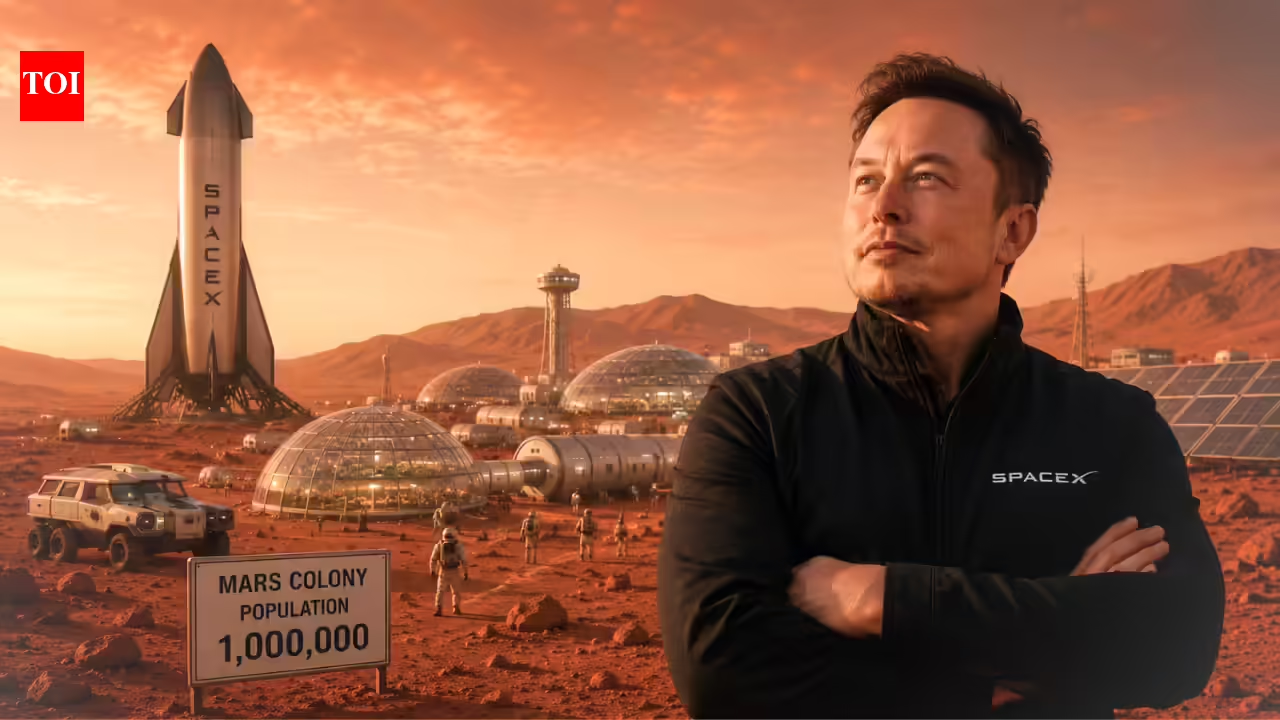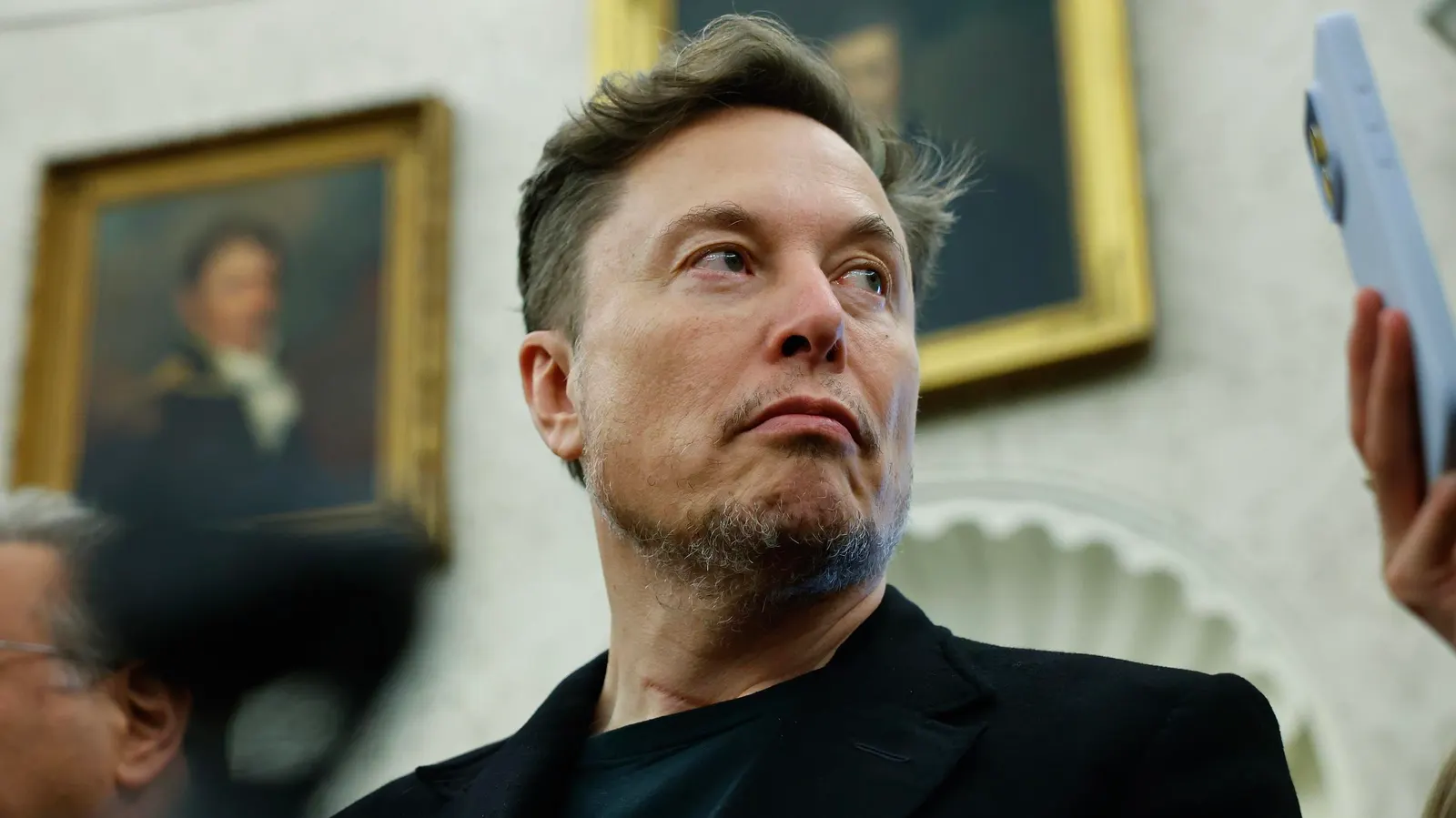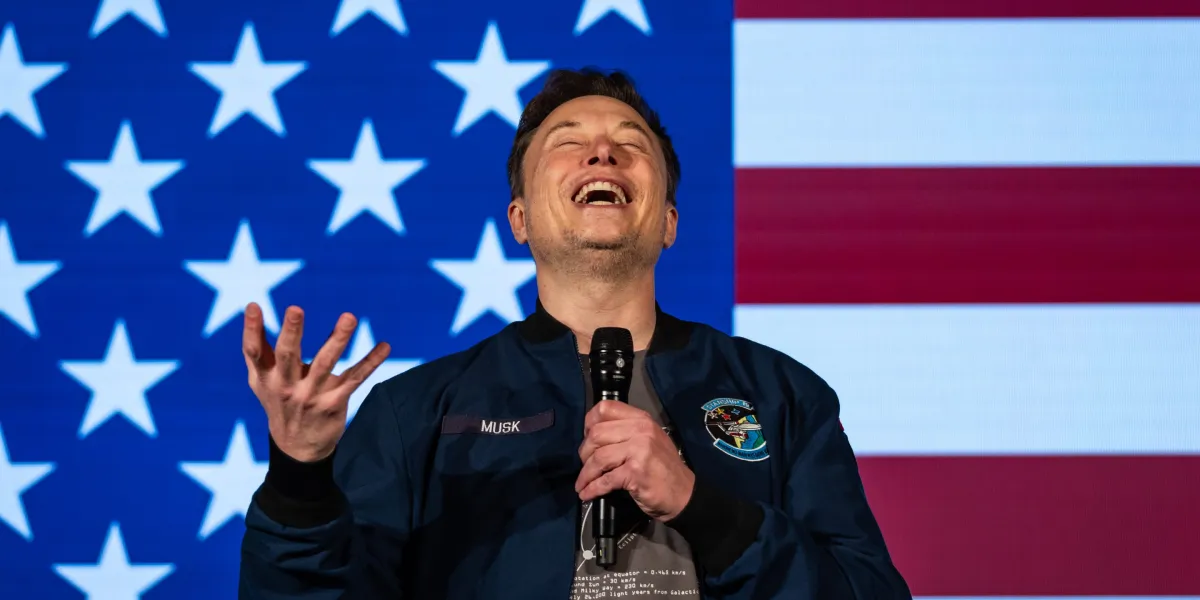
Elon Musk’s new pay package at SpaceX, the largest in corporate history, comes with one little catch: He doesn’t get the money until one million people live on Mars.
The SpaceX board granted Musk one billion restricted shares of Class B common stock on top of his existing stake of roughly 5 billion shares, worth roughly $700 billion at the expected IPO valuation of $1.75 trillion.
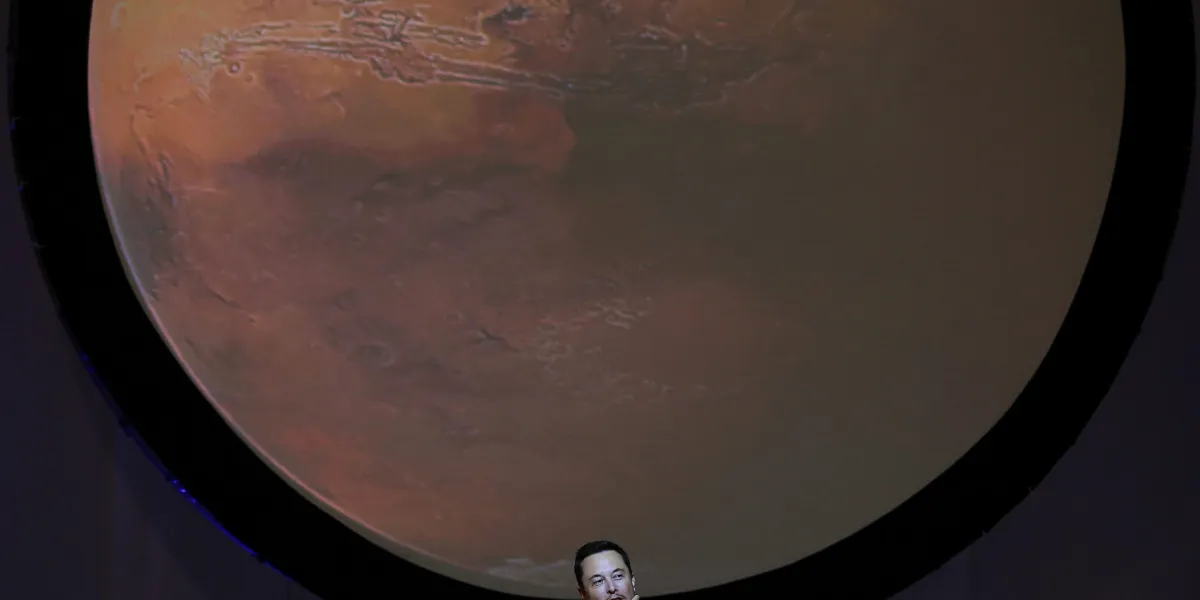
The new shares, potentially worth an additional $600 billion or more, only vest if SpaceX hits two conditions: its top market capitalization milestone of $7.5 trillion, and the creation of a permanent human colony on Mars with at least one million inhabitants.
The prospectus answers a question on Wall Street’s mind: why SpaceX is going public this way at all. Three months before filing, Musk merged his AI company xAI and his social media platform X into SpaceX, in a deal that valued the rocket company at $1 trillion and the AI company at $250 billion. That merged company, set to rock public markets next month, seemed Frankenstein-ish, but the filing’s own mission statement shows that the seemingly mismatched parts have a single purpose.“For the entirety of its existence,” the filing reads, “human civilization has lived on a single celestial body: Earth. The current paradigm, in which human civilization is confined to one planet, exposes humanity to existential threats that are unpredictable and uncontrollable on a planetary scale.”A few sentences later, it adds: “We do not want humans to have the same fate as dinosaurs.”