O
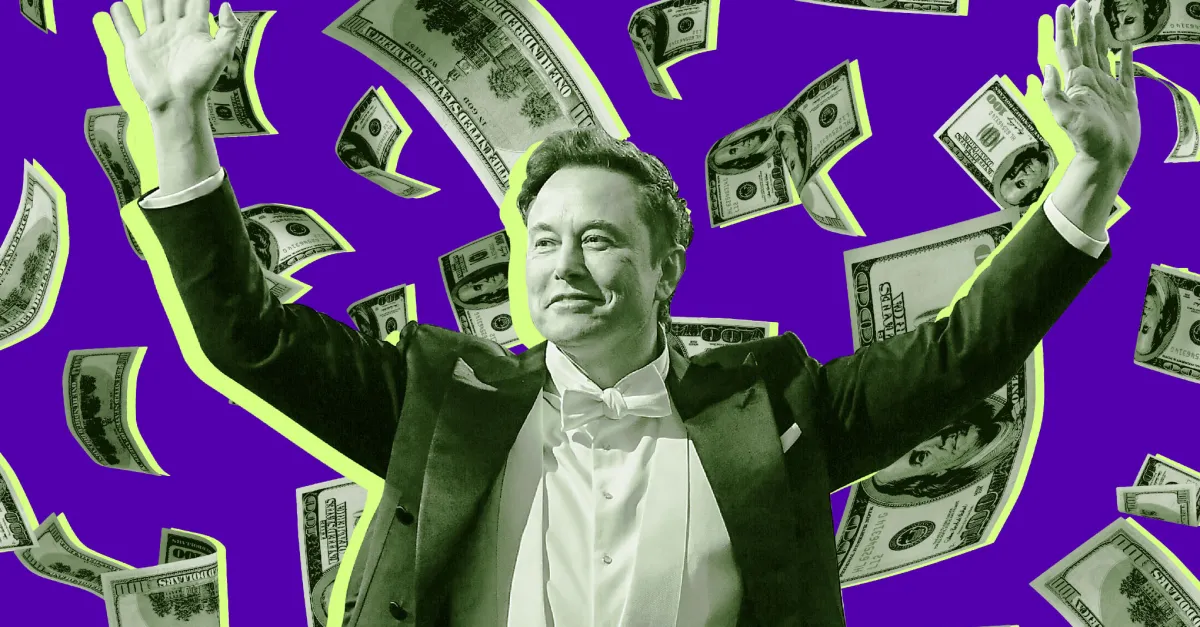
ne trillion dollars: This sum, the potential remuneration in a package that Elon Musk had Tesla shareholders approve for him, on Thursday, November 6, has taken American capitalism into uncharted territory, the realm of entrepreneurs whose wealth defies reason, and who grant themselves the right to seize 12% of a company by sole virtue of their talent.
The news sparked two opposing reactions. Some were appalled by such a stupendous pay package, including progressive Senator Bernie Sanders of Vermont and Pope Leo XIV. Others, who recalculated their figures, such as Tesla's shareholders, saw no harm in Musk taking a substantial share of their capital if he manages to multiply the company's value fivefold: This is common practice in private equity.
Morality versus pragmatic opportunism. Both perspectives deserve to be taken with nuance. First, the fortunes of billionaires do not seem to disturb the social order in the United States much, or at least far less than in Europe or France. There has been no major campaign against Musk's fortune, unlike the controversies around his forays into politics, despite the fact that cost-of-living issues were among the main reasons for Joe Biden's defeat in 2024, and then the Democrats' victories in the November 4 elections.