SpaceX just pulled back the curtain on its financials for the first time, and the view is illuminating. The company’s IPO registration filing reveals a $4.28 billion net loss against $4.6 billion in revenue for the first quarter. The filing also confirms that Elon Musk will maintain tight control over SpaceX after it goes public, thanks to a super-voting share structure that keeps his authority as CEO, CTO, and chairman functionally unchallenged.
The numbers behind the rockets
The loss-to-revenue ratio of roughly 93% reflects the economics of simultaneously operating the world’s busiest orbital launch service, scaling a satellite internet constellation with millions of subscribers, and developing the largest rocket ever built.
Starlink, the company’s satellite internet service, has become a significant revenue engine. The constellation now serves millions of subscribers globally, providing broadband to rural areas, maritime vessels, and airlines. But maintaining and expanding a network of thousands of low-Earth orbit satellites requires continuous launches just to maintain coverage, let alone expand it.
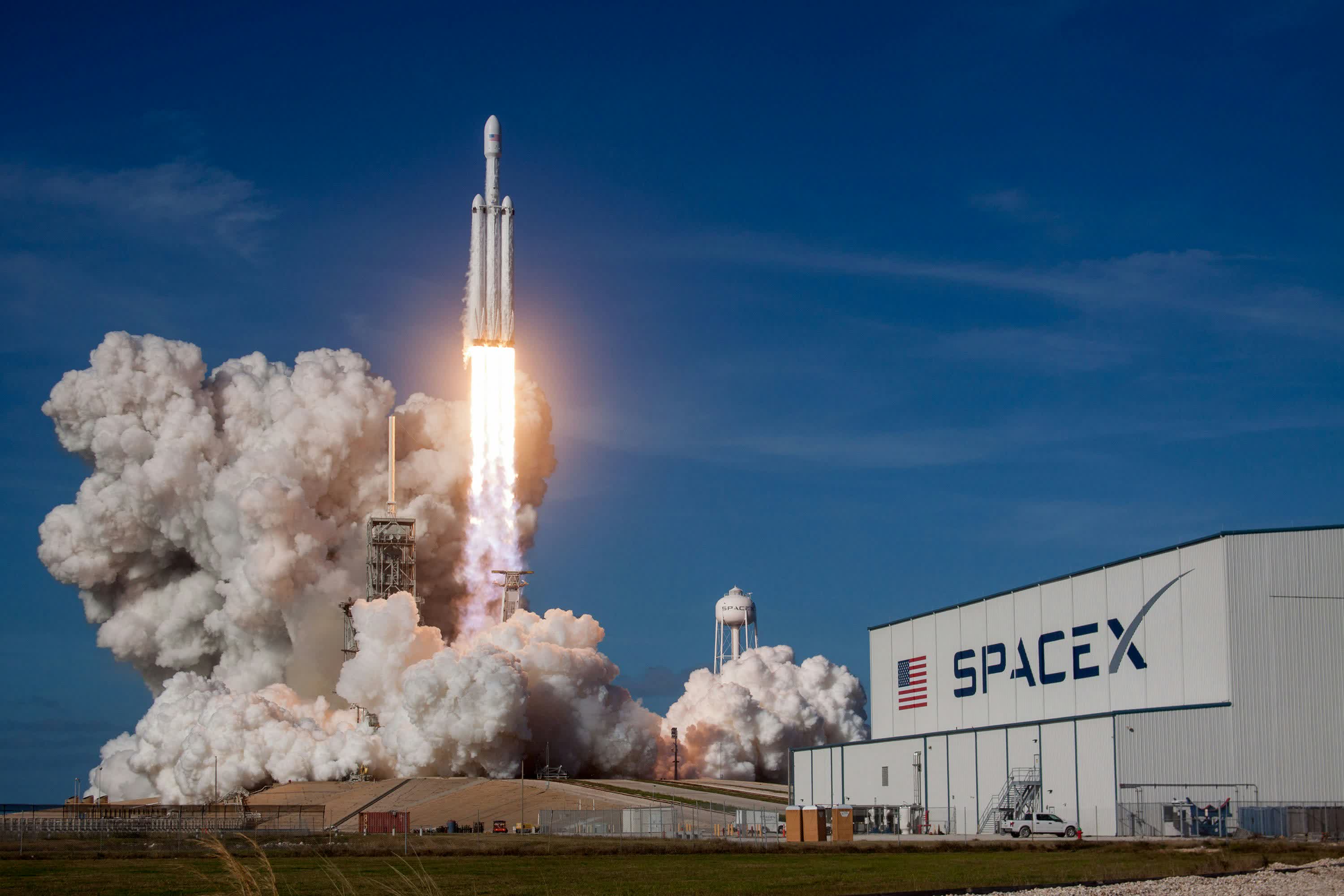
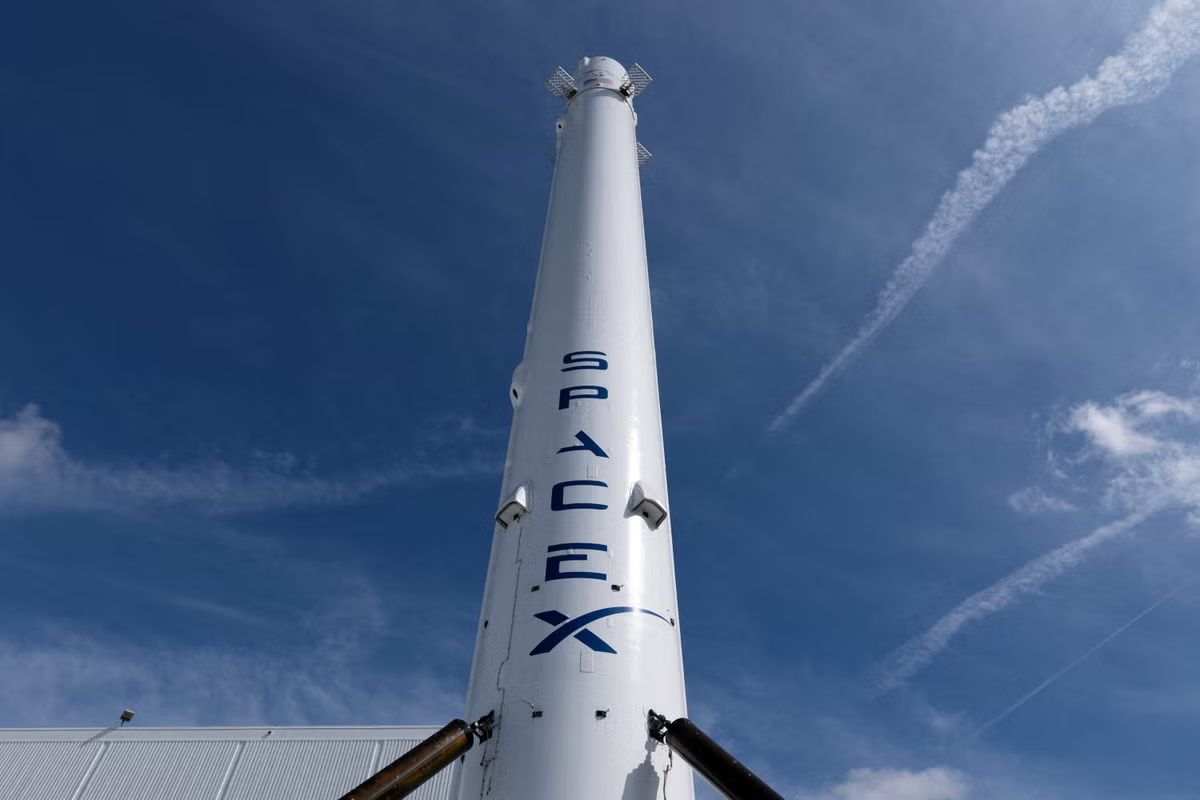
The company’s traditional launch business, built around the Falcon 9 and Falcon Heavy rockets, remains the most mature revenue stream. Long-term contracts with NASA, the Department of Defense, and commercial satellite operators provide a baseline of recurring income.