HomeAI · summaries
Storia in 13 fonti
Researchers may have solved mystery of why the T rex had tiny arms
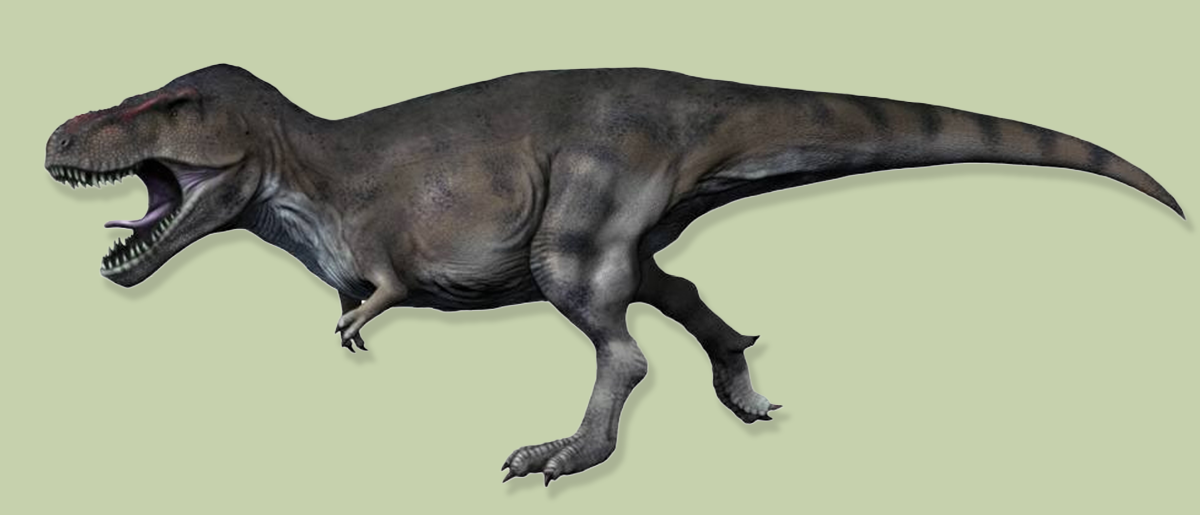
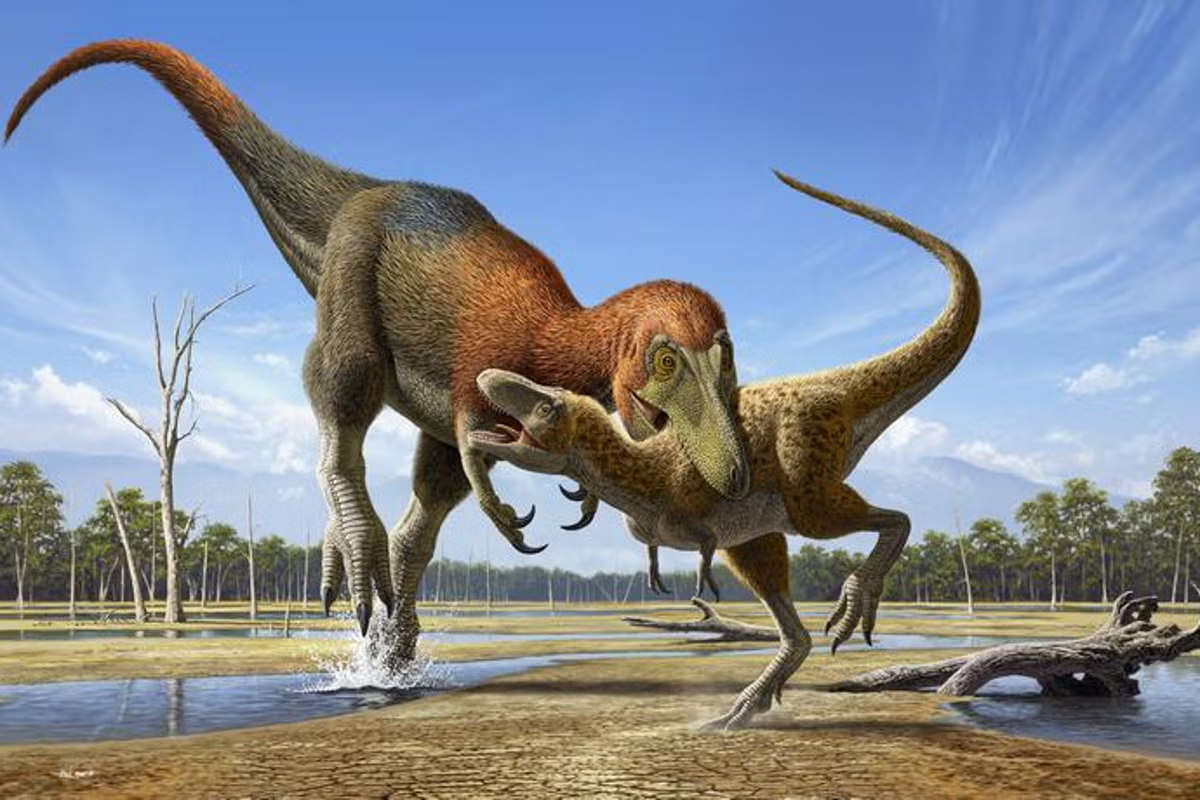
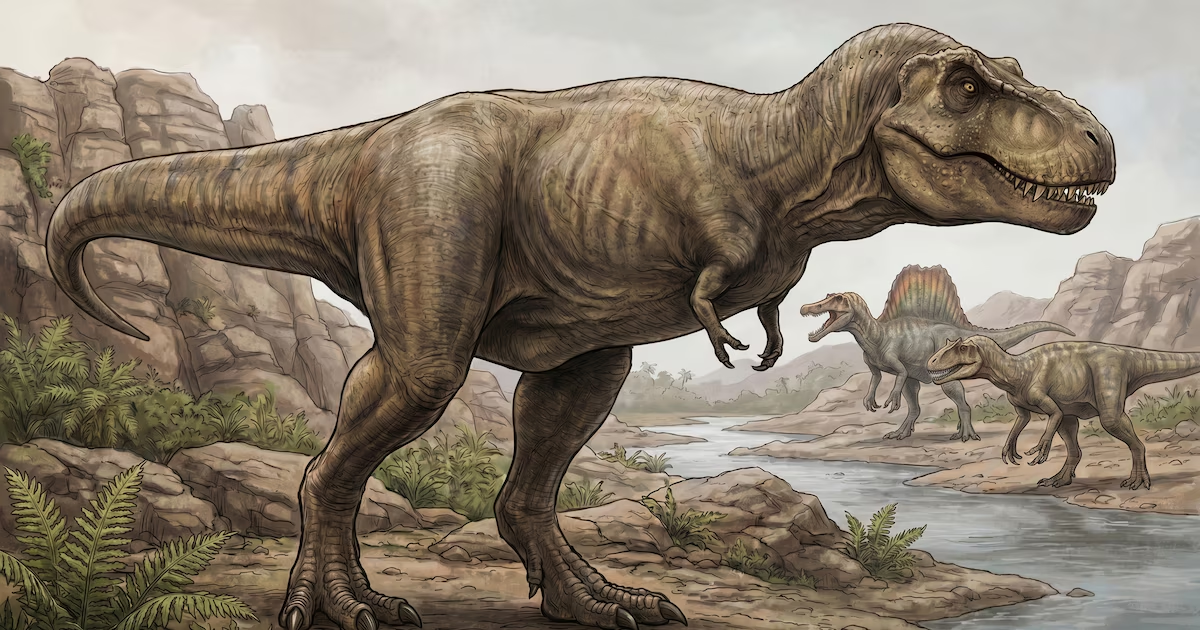
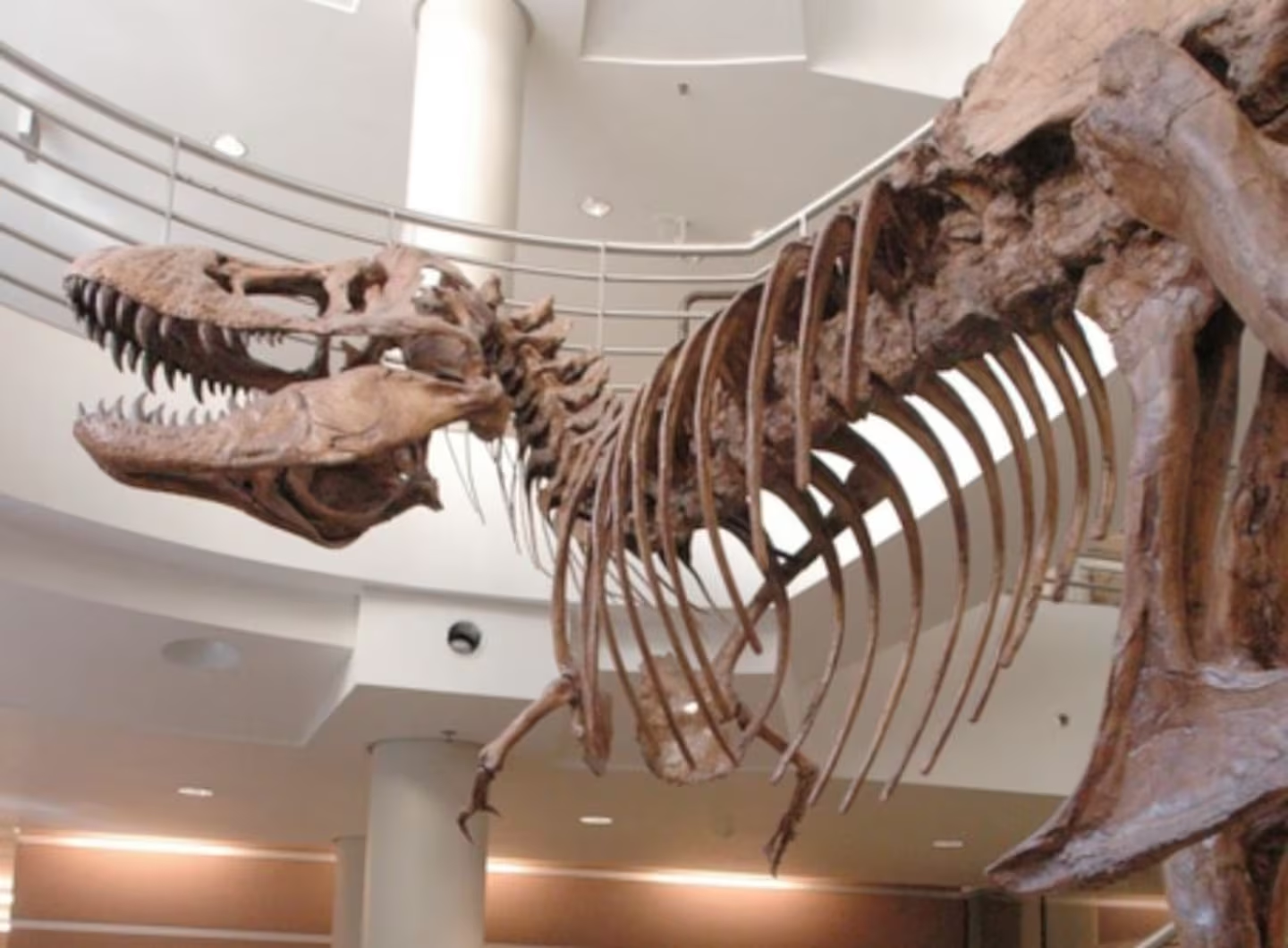
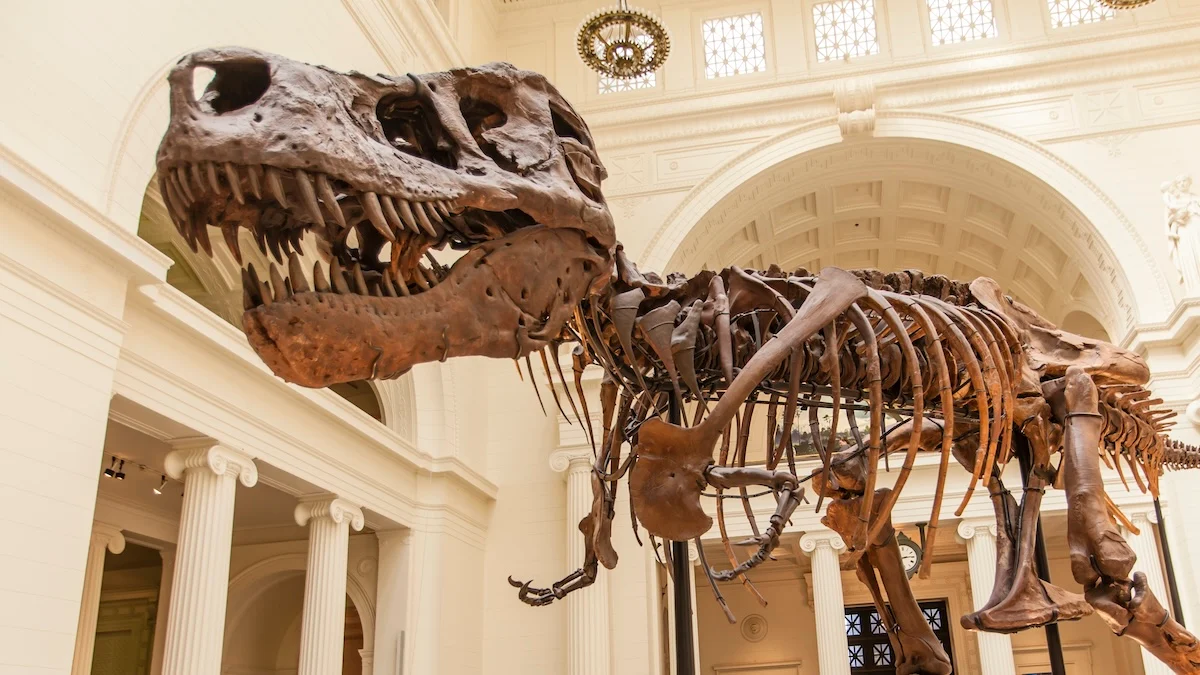
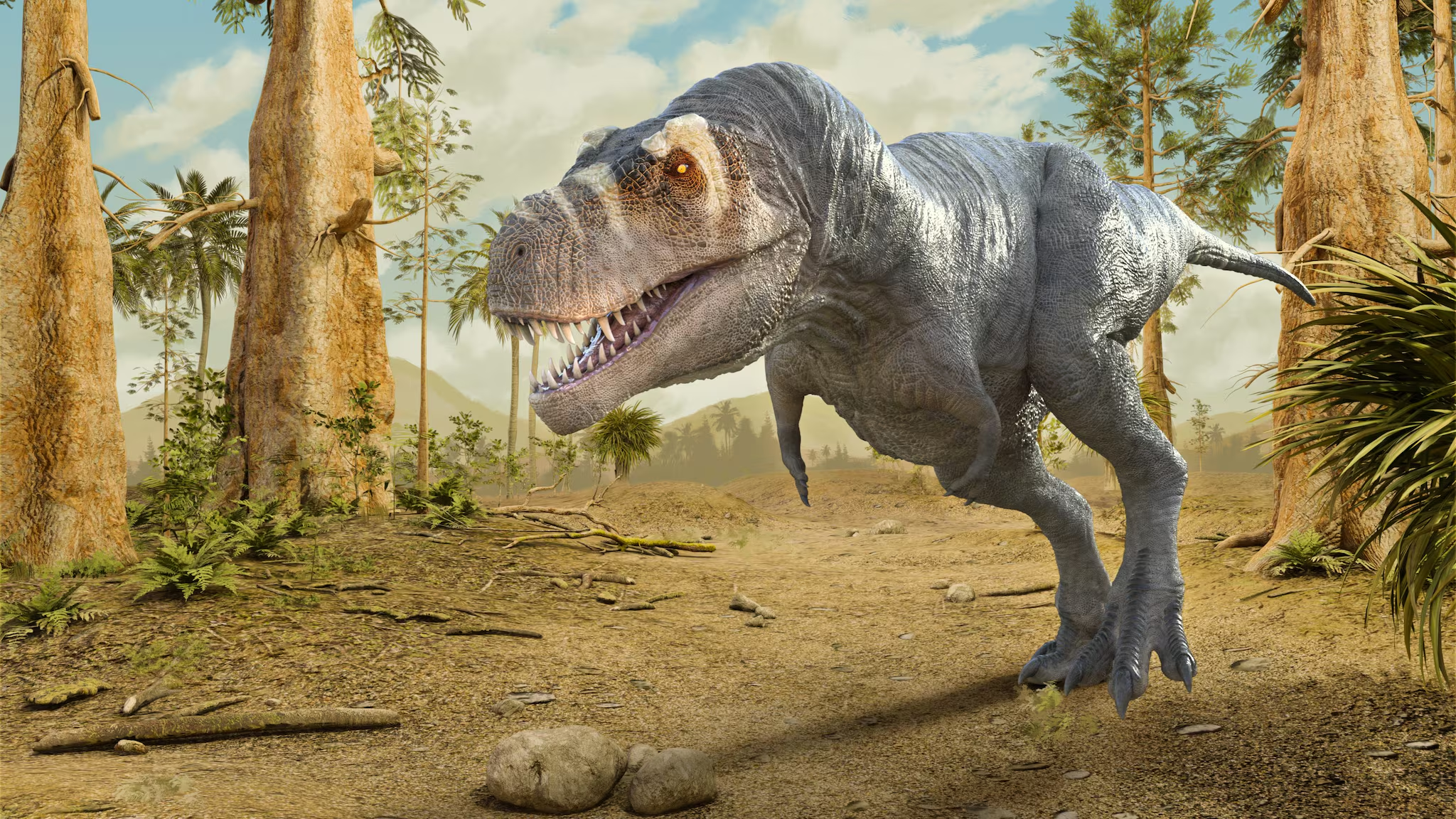
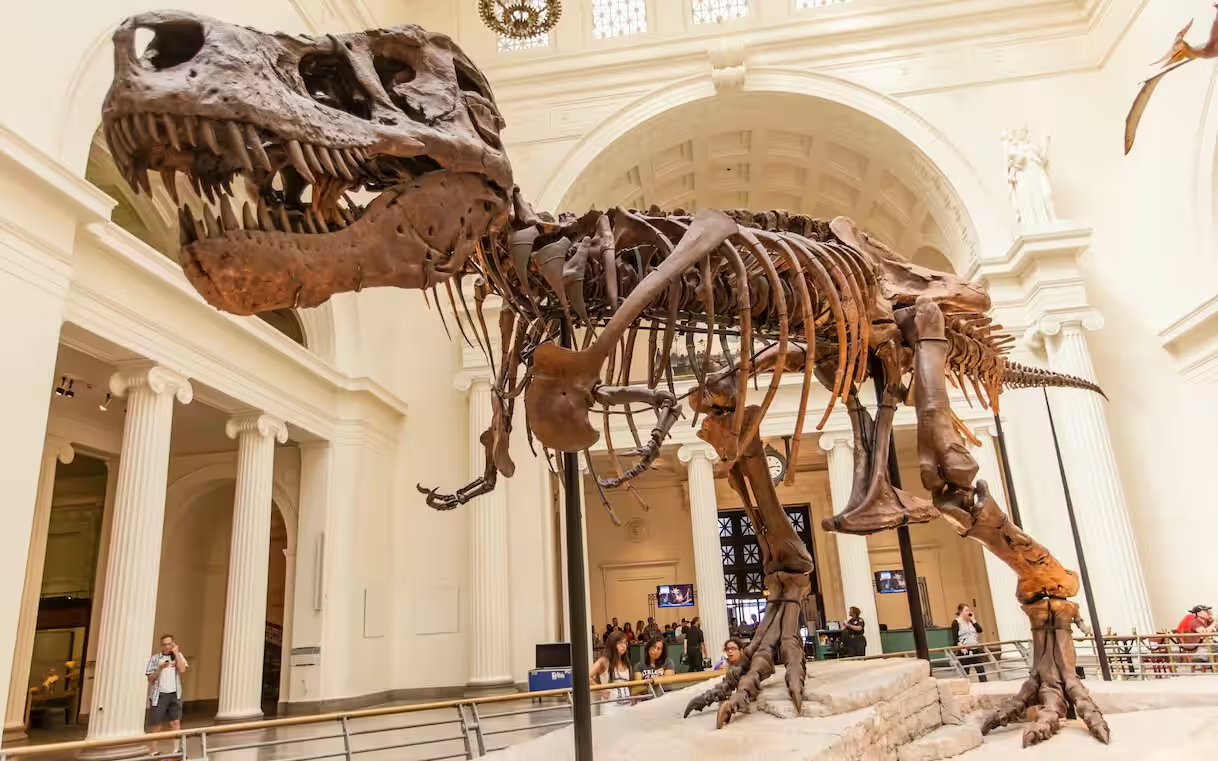
Stay up to date with notifications from The IndependentNotifications can be managed in browser preferences.Jump to contentThank you for registeringPlease refresh the page or navigate to another page on the site to be automatically logged inPlease refresh your browser to be logged inAllNewsSportCultureLifestyleA new study suggests that the tiny arms of large meat-eating dinosaurs, such as Tyrannosaurus rex, are linked to the development of their powerful heads and jaws. Researchers found that the head became the primary weapon for hunting, replacing the role of forelimbs in subduing prey. This evolutionary shift coincided with the increasing size of prey, including gigantic long-necked sauropod dinosaurs. The study quantified skull robustness, finding a strong correlation between reduced forelimb size and the strength of the skull, with T. rex scoring highest. Scientists concluded that the reduction in forelimb size was a result of their redundancy in prey capture, as powerful bites and robust skulls took over. In fullNew study explains why T rex had such tiny arms: ‘The head took over’Thank you for registeringPlease refresh the page or navigate to another page on the site to be automatically logged inPlease refresh your browser to be logged in
Confronto fonti
6 prospettive sulla stessa storiaTimeline cronologica
- ·
phys.org
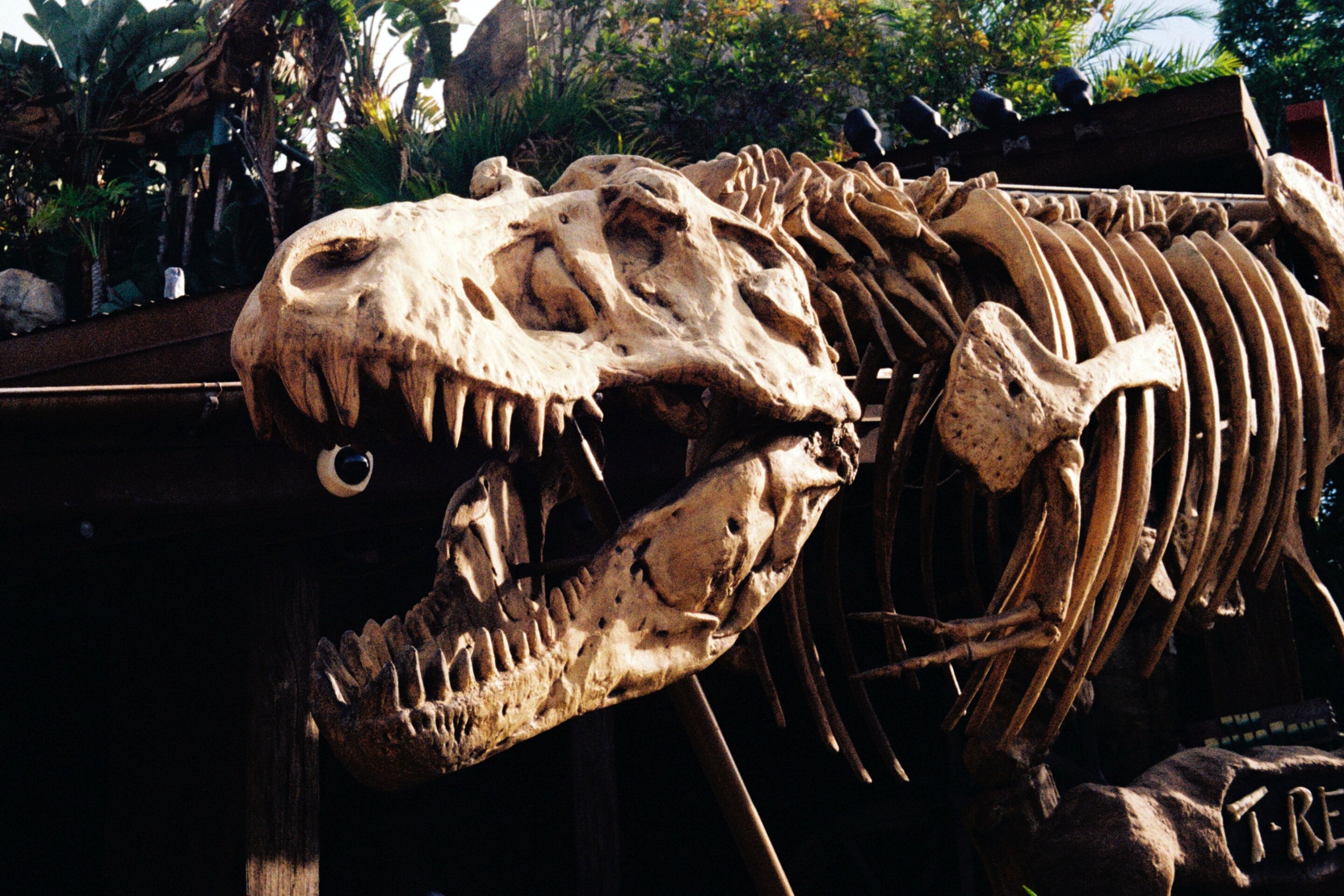
Why meat-eating dinosaurs like T. rex evolved tiny arms
The evolution of tiny arms in several groups of meat-eating dinosaurs was likely driven by the development of strong, powerful heads, which were used to attack prey, according to…
- ·
newscientist.com
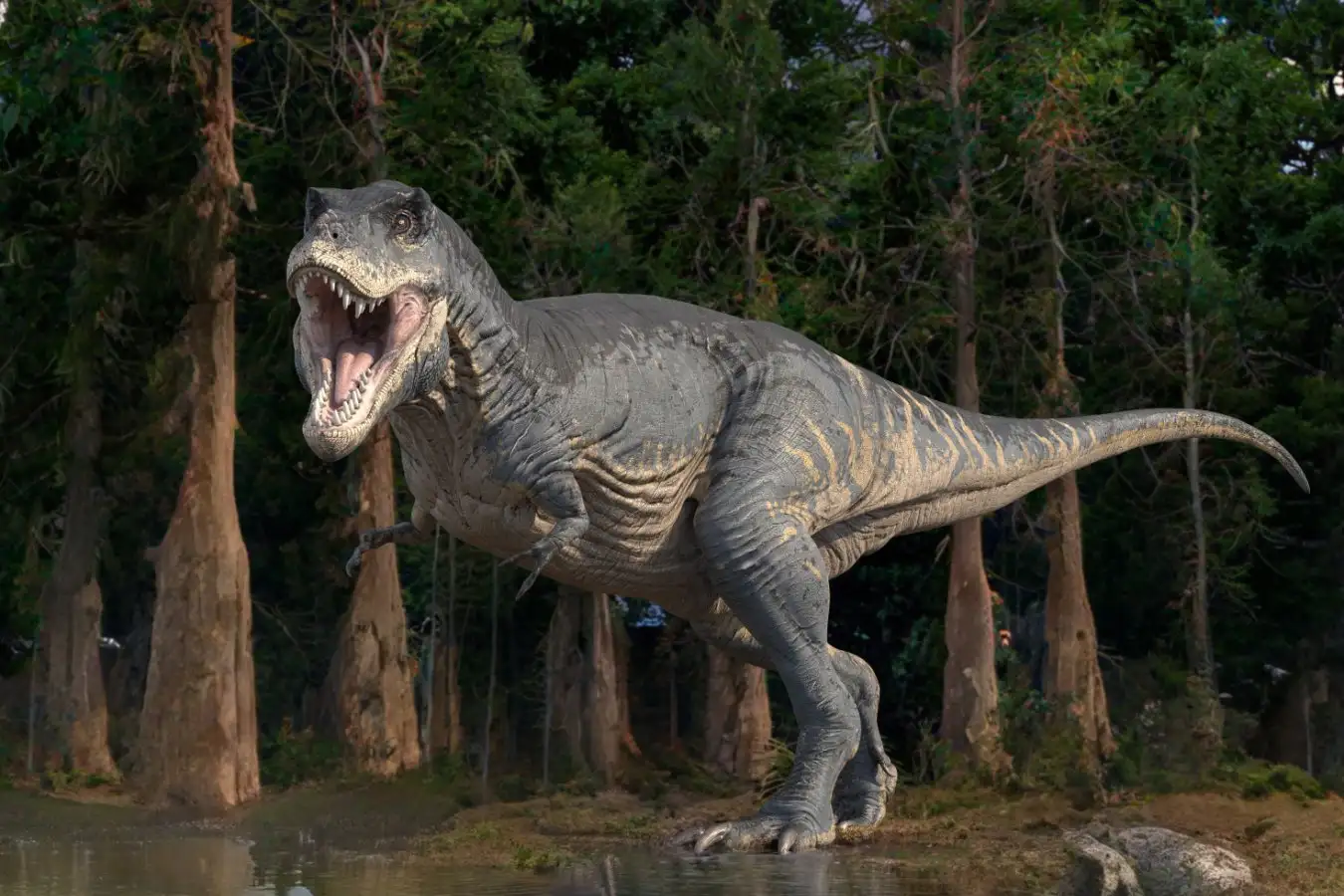
We may finally know why dinosaurs like T. rex evolved tiny arms
Five different groups of predatory dinosaurs independently evolved disproportionately small arms, and it seems they did so because their heads became so large and powerful