WARPTECHNEWS · LAB
HomeAIBusinessTechArchive
WARPTECH LAB NEWS

Warptech Lab News aggrega le notizie più rilevanti da oltre 700 fonti internazionali, con classificazione AI, TL;DR sintetici e timeline cluster su singole storie.

Navigazione

  • Home
  • Archivio
  • Editor's Brief
  • Cerca
  • Il tuo account
  • Newsletter tech/AI

Informazioni legali

  • Privacy Policy
  • Termini di servizio
  • Cookie Policy

© 2026 Sparktech S.R.L. — Tutti i diritti riservati. Sito gestito e manutenuto da Sparktech S.R.L.

Sede legale: Corso Libertà 55, 13100 Vercelli (VC), Italia · P.IVA / C.F. 02835910023 · Contatti: admin@warptechlab.com

Home
Storia in 13 fonti

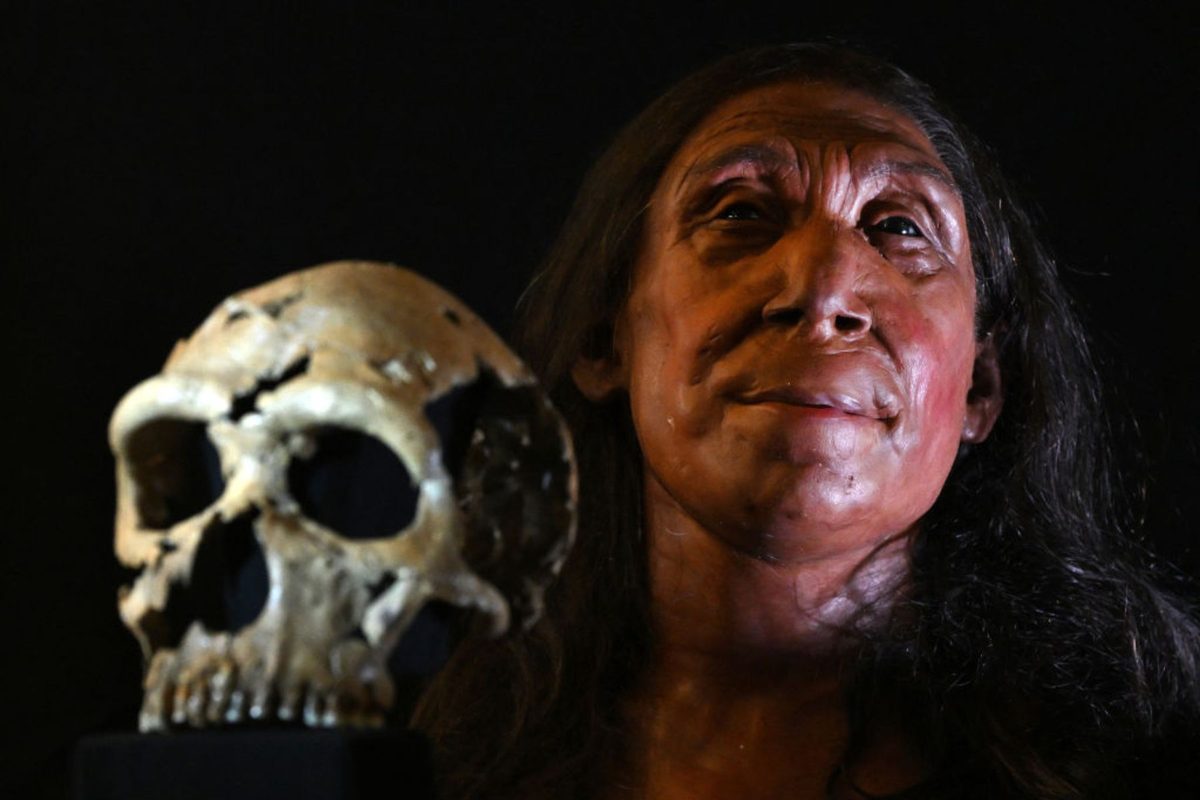
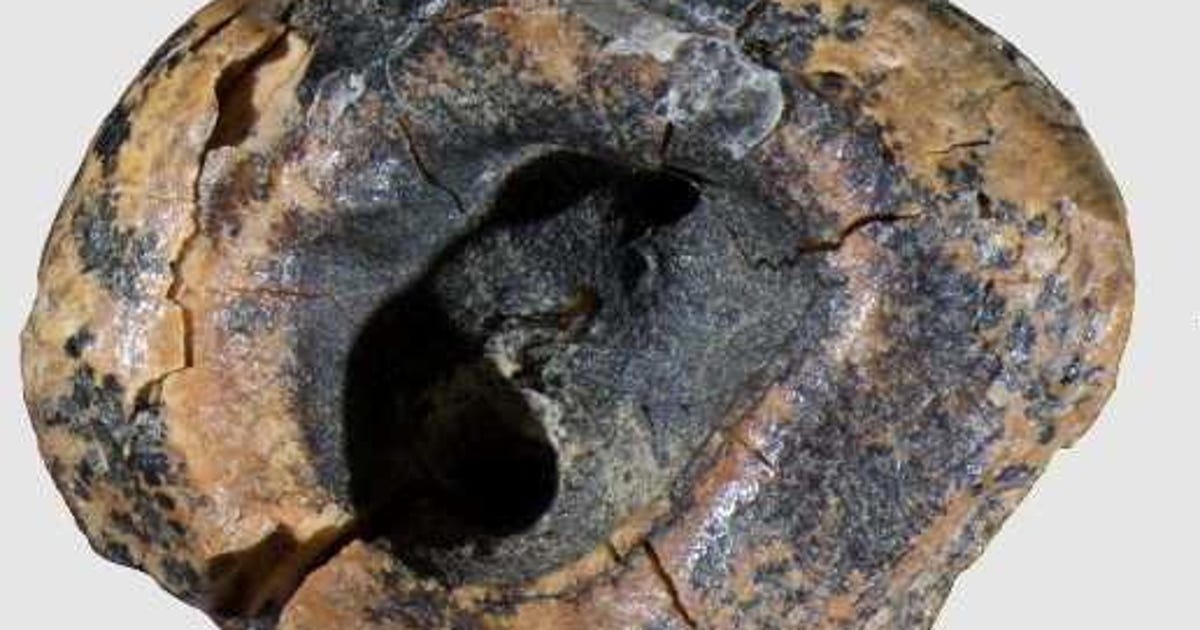
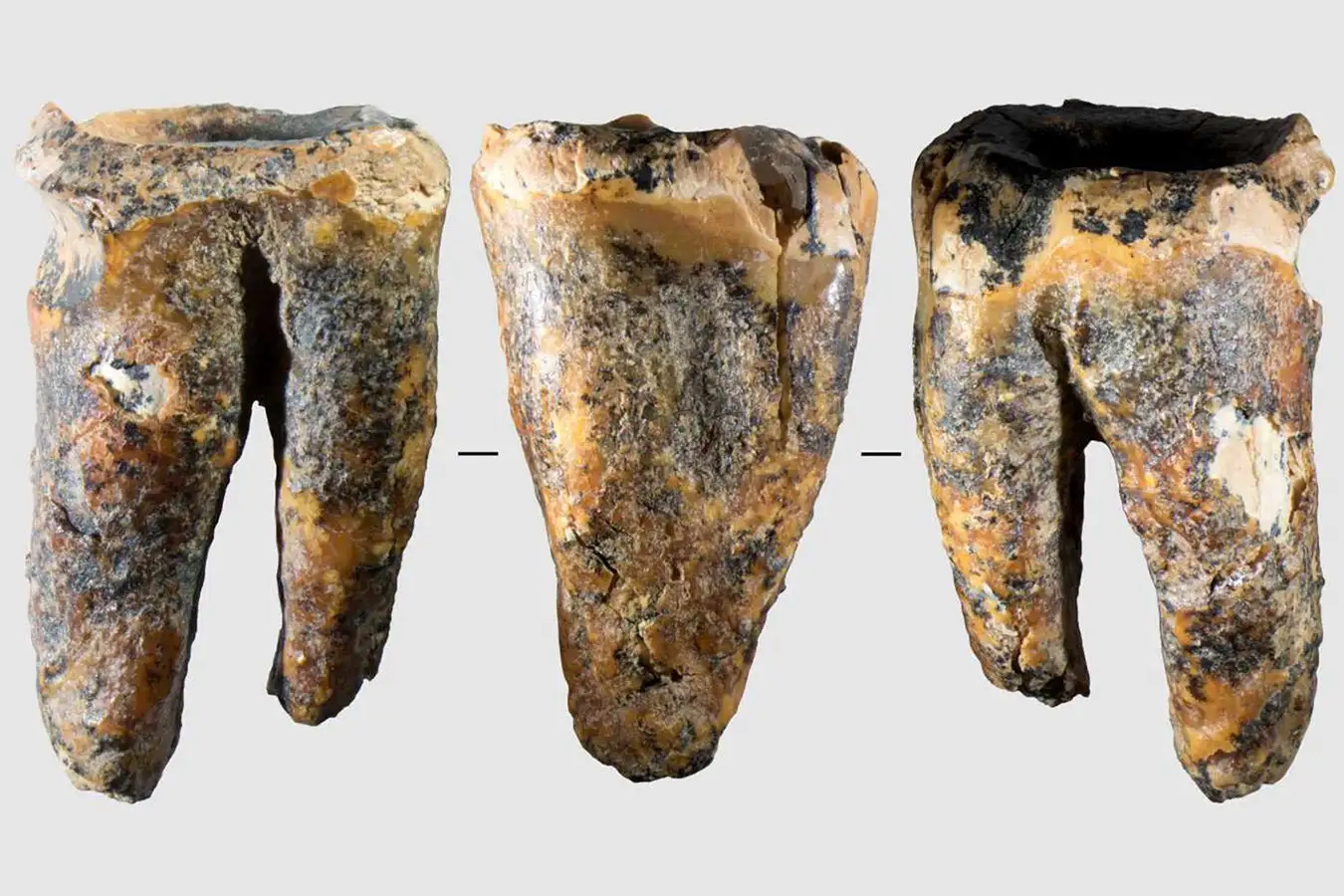
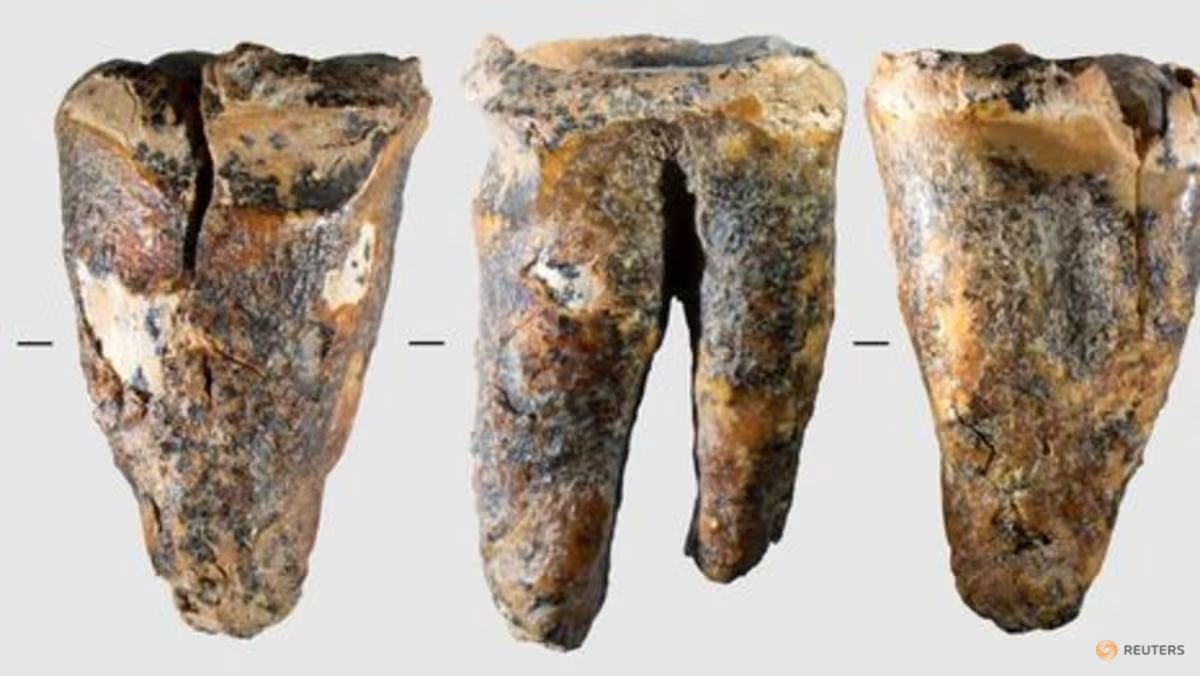
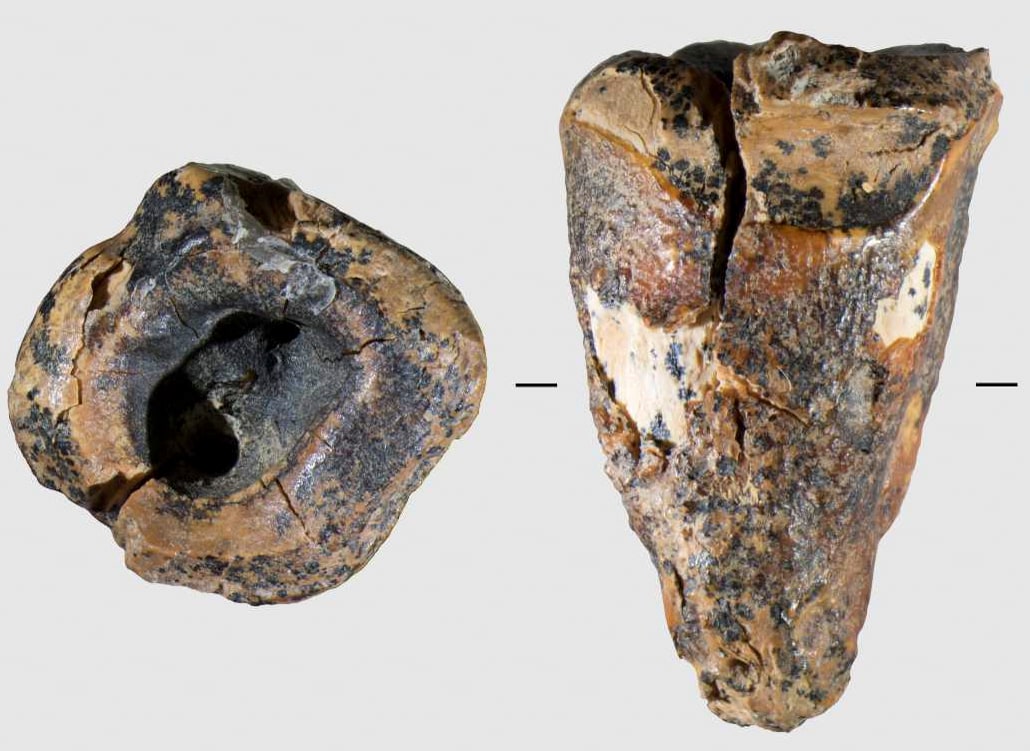
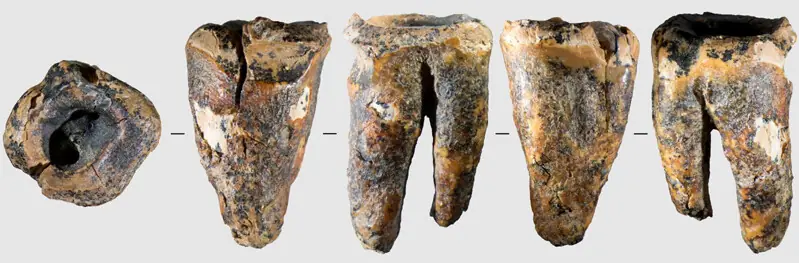
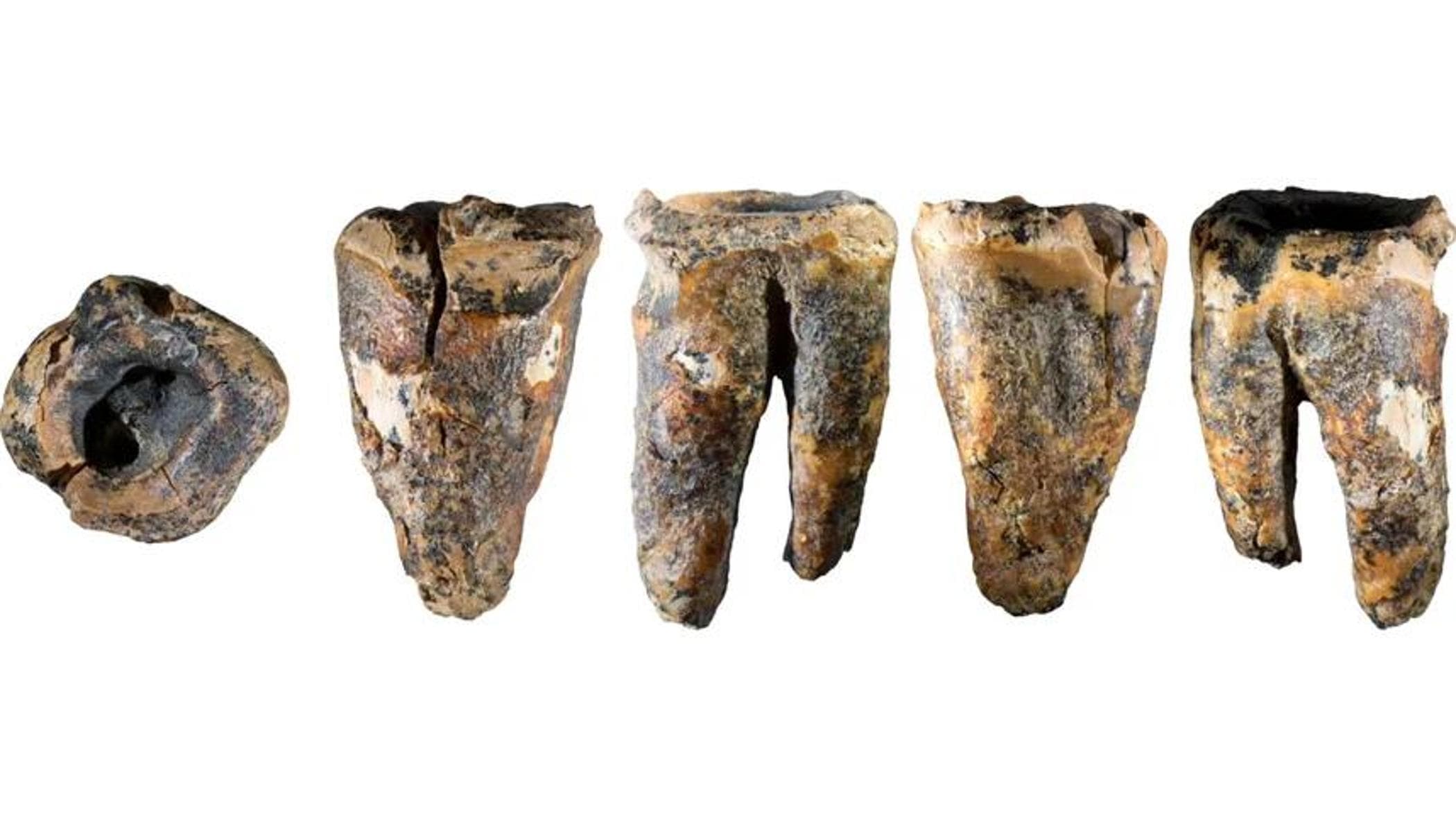
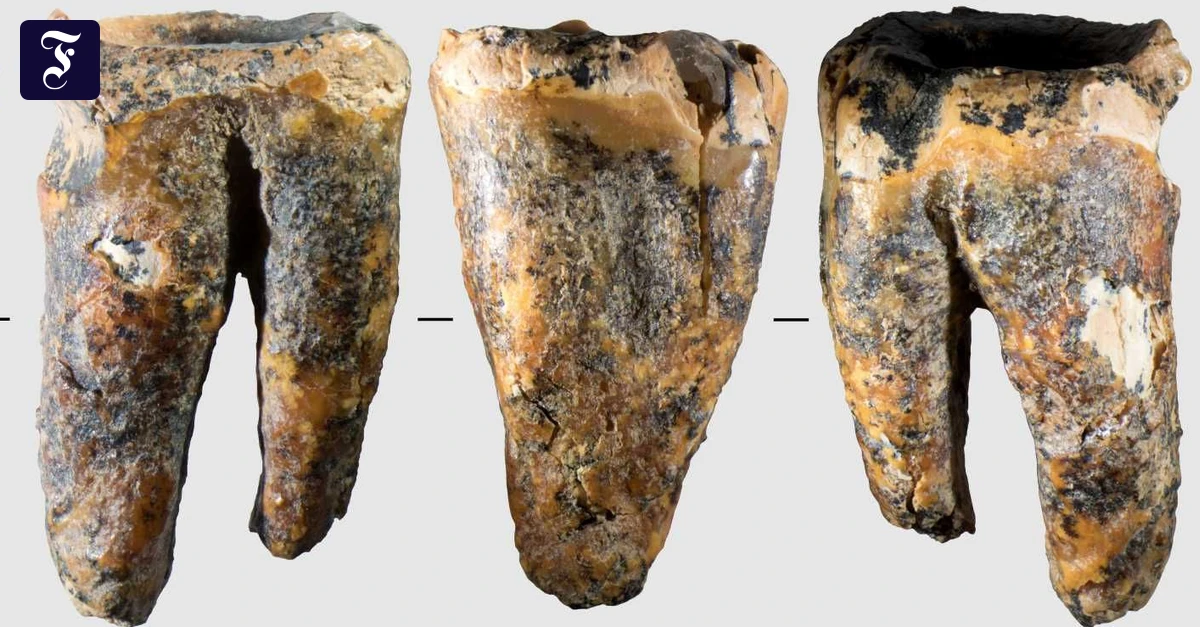
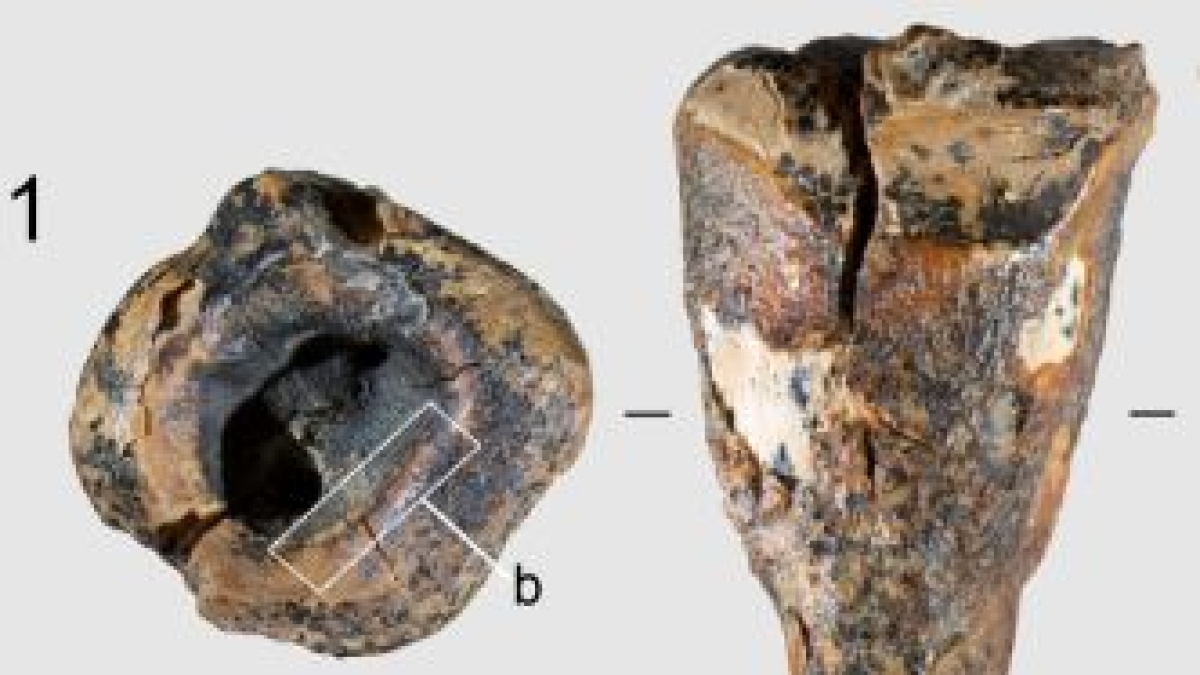
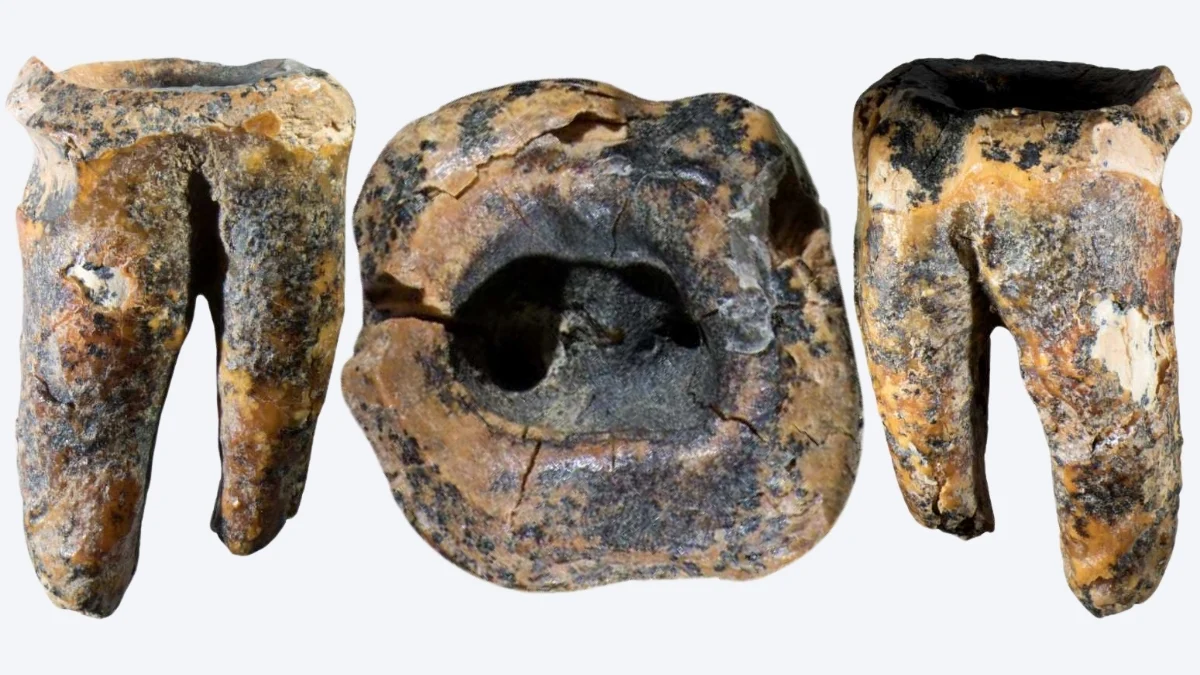
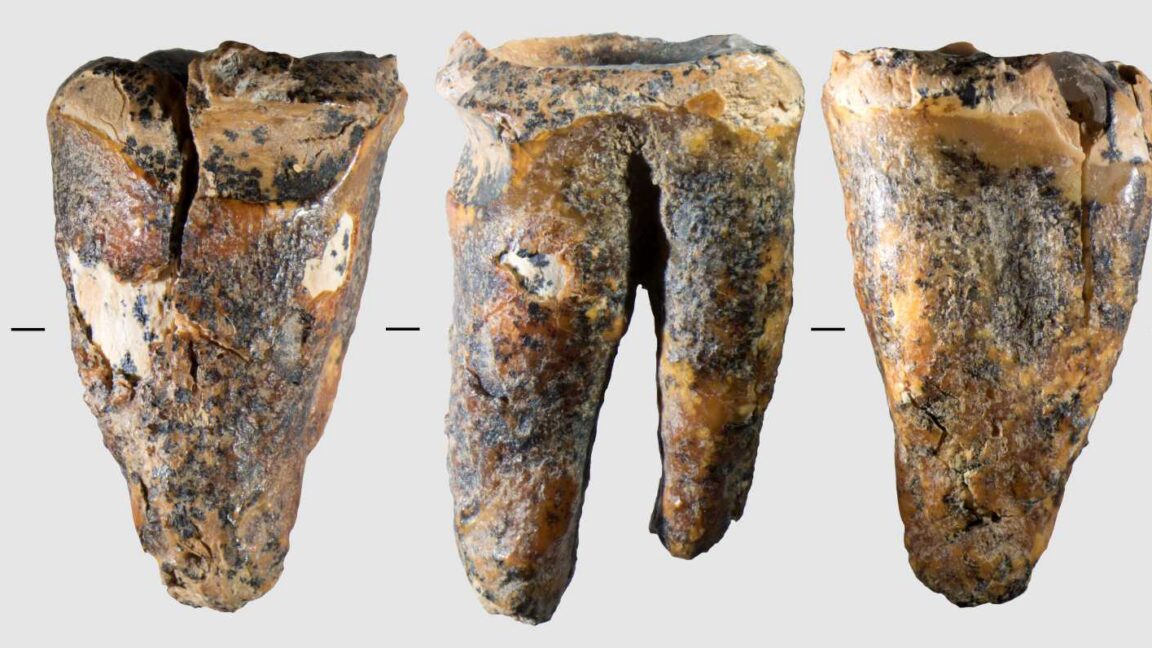
A Neanderthal with a cavity opened wide for a stone drill

Neanderthals used rock drills to treat an infected tooth, according to a study that pushes back the earliest known evidence of dentistry by more than 40,000 years.

Raccontata dasciencefocus.comhaaretz.comsciencealert.comarstechnica.comnewscientist.comtheguardian.comchannelnewsasia.comwashingtonpost.comdawn.comilmessaggero.itlescienze.itfaz.net+1 altre

Confronto fonti

6 prospettive sulla stessa storia
AI · summaries
washingtonpost.comStai leggendo1 mesi fa

A Neanderthal with a cavity opened wide for a stone drill

Neanderthals used rock drills to treat an infected tooth, according to a study that pushes back the earliest known evidence of dentistry by more than 40,000 years.

originale
arstechnica.com1 mesi fa

Neanderthals drilled cavities to treat a toothache 59,000 years ago

“Every time I go to the dentist, I think about that guy,” researcher says.

Leggi questa versione → originale
newscientist.com1 mesi fa

Neanderthals treated a dental cavity by drilling into the tooth

A Neanderthal tooth shows clear signs of human intervention to treat bacterial decay, showing that the earliest dentistry began at least 59,000 years ago

Leggi questa versione → originale
theguardian.com1 mesi fa

Neanderthals used stone drills to treat cavities 59,000 years ago, tooth suggests

Molar found in Siberia features deep hole that appears to show earliest known evidence of dental treatment

Leggi questa versione → originale
sciencealert.com1 mesi fa

The Earliest Known Dentistry Wasn't Done By Our Species

A 60,000-year-old Neanderthal tooth left behind in a cave in modern-day Russia contains a deep hole that cannot be explained by decay alone.

Leggi questa versione → originale
channelnewsasia.com1 mesi fa

Tooth from Siberian cave reveals Neanderthal dental surgery

May 13 : About 59,000 years ago, a Neanderthal suffered from an awful toothache caused by a deep cavity in one of the molars on the lower jaw. That tooth has now been discovered inside a Siberian cave, bearing signs of…

Leggi questa versione → originale

Timeline cronologica

  1. mercoledì 13 maggio 2026·sciencefocus.com

    The first known dentist was actually a Neanderthal, study finds | BBC Science Focus Magazine

    Russian archaeologists have discovered evidence of a sophisticated dental procedure that took place nearly 60,000 years ago.

  2. mercoledì 13 maggio 2026·haaretz.com

    The first dentist: How a single tooth changes what we thought about Neanderthals

    Evidence of Caries Treatment on a 60,000-year-old Tooth Found in Russia Pushes Back the Birth of Dentistry, a Skill That Archaeologists Didn't Expect to Encounter in Neanderthals
  3. mercoledì 13 maggio 2026·sciencealert.com

    The Earliest Known Dentistry Wasn't Done By Our Species

    A 60,000-year-old Neanderthal tooth left behind in a cave in modern-day Russia contains a deep hole that cannot be explained by decay alone.

  4. mercoledì 13 maggio 2026·arstechnica.com

    Neanderthals drilled cavities to treat a toothache 59,000 years ago

    “Every time I go to the dentist, I think about that guy,” researcher says.

  5. mercoledì 13 maggio 2026·newscientist.com

    Neanderthals treated a dental cavity by drilling into the tooth

    A Neanderthal tooth shows clear signs of human intervention to treat bacterial decay, showing that the earliest dentistry began at least 59,000 years ago

  6. mercoledì 13 maggio 2026·theguardian.com

    Neanderthals used stone drills to treat cavities 59,000 years ago, tooth suggests

    Molar found in Siberia features deep hole that appears to show earliest known evidence of dental treatment

  7. mercoledì 13 maggio 2026·channelnewsasia.com

    Tooth from Siberian cave reveals Neanderthal dental surgery

    May 13 : About 59,000 years ago, a Neanderthal suffered from an awful toothache caused by a deep cavity in one of the molars on the lower jaw. That tooth has now been discovered…

  8. mercoledì 13 maggio 2026·washingtonpost.com

    A Neanderthal with a cavity opened wide for a stone drill

    Neanderthals used rock drills to treat an infected tooth, according to a study that pushes back the earliest known evidence of dentistry by more than 40,000 years.

  9. giovedì 14 maggio 2026·dawn.com

    Tooth from Siberian cave reveals Neanderthals performed dental procedure 59,000 years ago

    ST PETERSBURG: About 59,000 years ago, a Neanderthal suffered from an awful toothache caused by a deep cavity in one...

  10. giovedì 14 maggio 2026·ilmessaggero.it

    Neanderthal dentisti? Quando la carie si curava con il trapano di pietra 59.000 anni fa

    Una scoperta archeologica in Siberia apre nuovi scenari sulla medicina preistorica: i Neanderthal praticavano interventi dentali complessi già oltre 59.000 anni fa. La scoperta…

  11. giovedì 14 maggio 2026·lescienze.it

    I Neanderthal curavano le carie dei denti già 60.000 anni fa

    La perforazione intenzionale di un dente neanderthaliano rinvenuto in Asia centrale costituisce la più antica testimonianza di un intervento dentistico per la …

  12. venerdì 15 maggio 2026·faz.net

    Kariesbehandlung bei Neandertalern nachgewiesen

    Schon Neandertaler bekamen zuweilen schlechte Zähne – und ließen sie behandeln, wie eine neue Entdeckung belegt. Allerdings wurde wohl ohne Narkose gebohrt.

  13. sabato 16 maggio 2026·corriere.it

    Il dentista di 59.000 anni fa: i Neanderthal trapanavano le carie con strumenti di pietra (e senza anestesia)

    Un molare con un foro scoperto in una grotta siberiana rappresenta la prova più antica di un intervento dentale invasivo. Il paziente è sopravvissuto