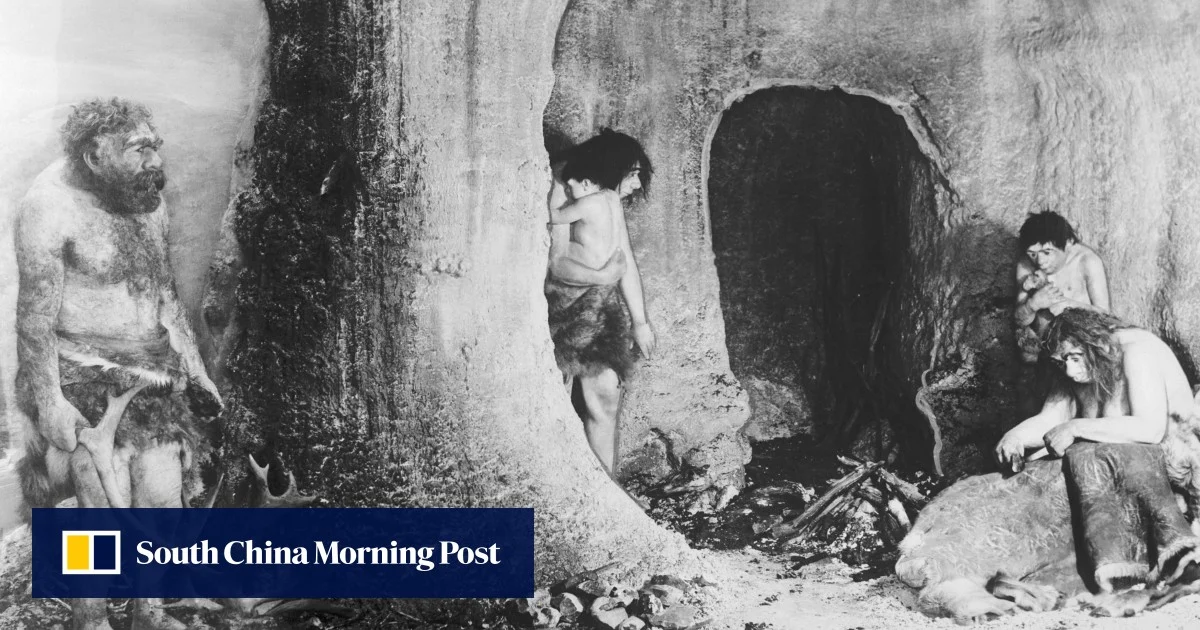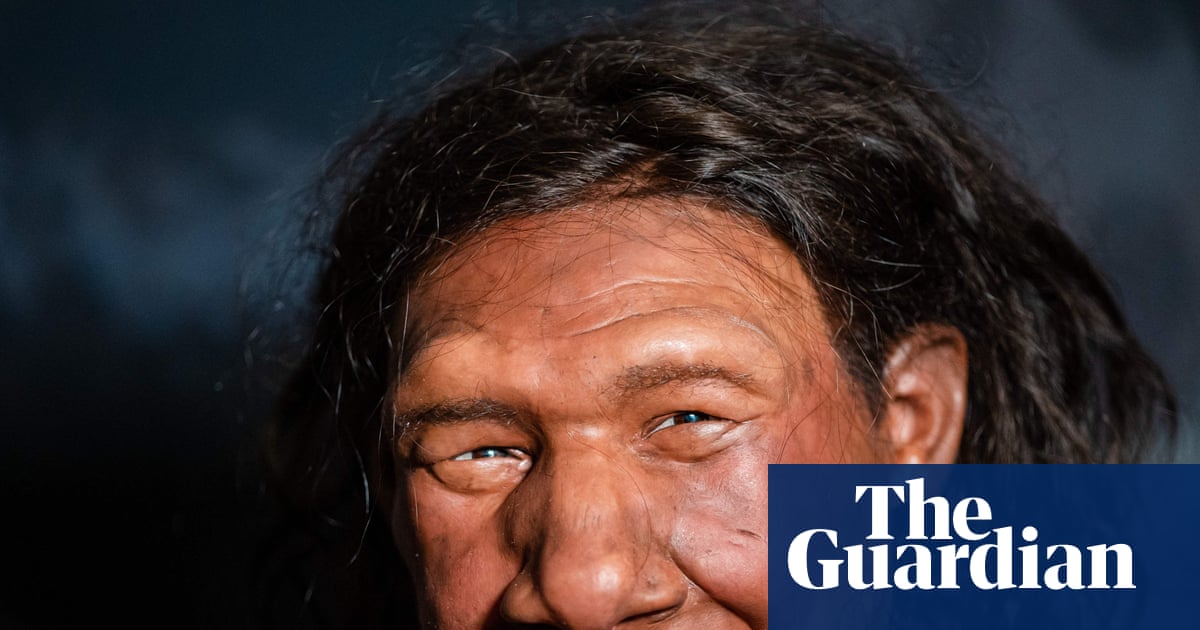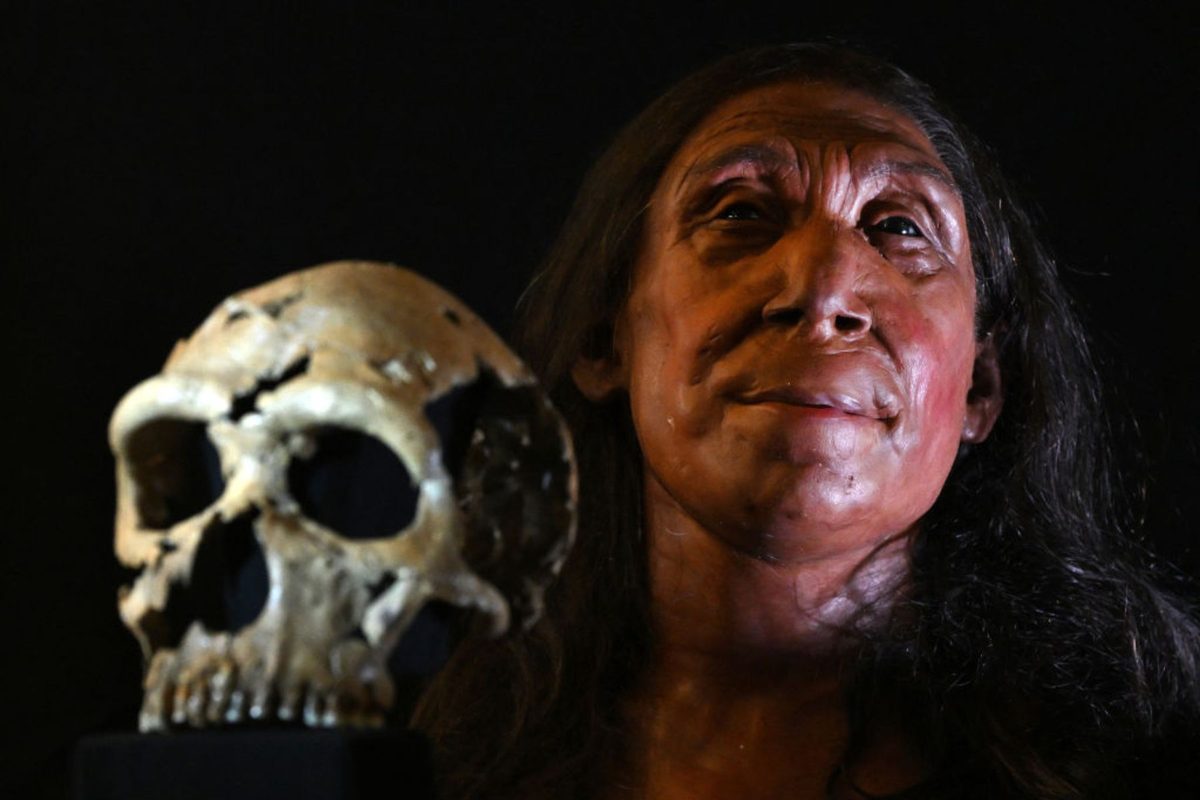
Neanderthal dental care could be surprisingly sophisticated, according to a recent study led by scientists at the Russian Academy of Sciences, St Petersburg.
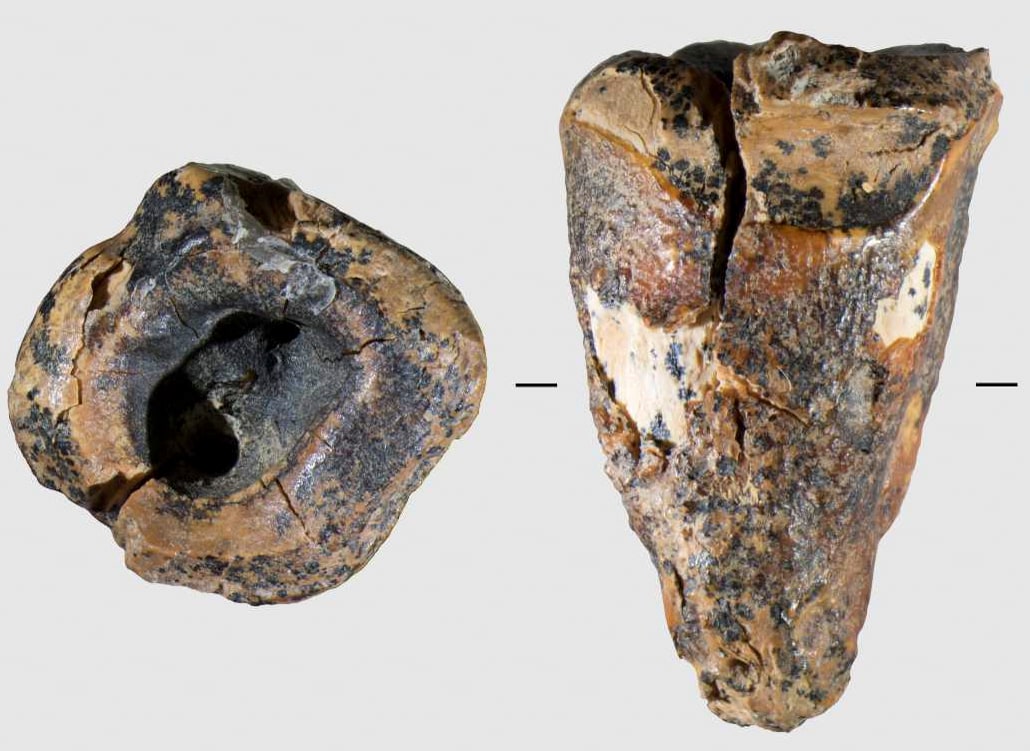
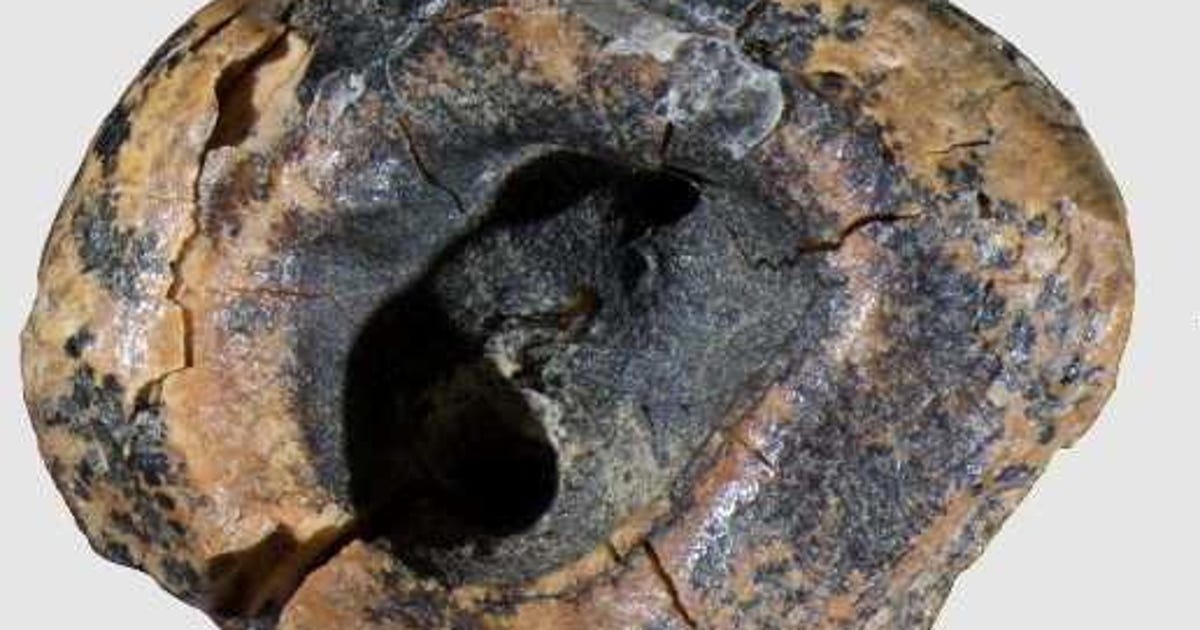
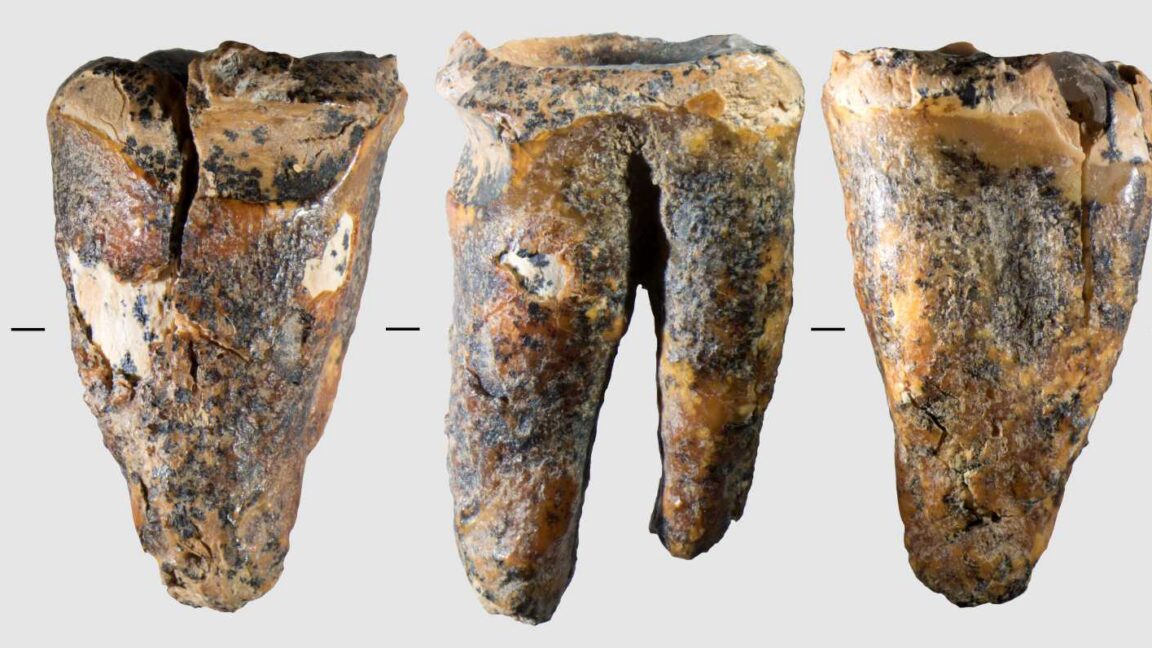
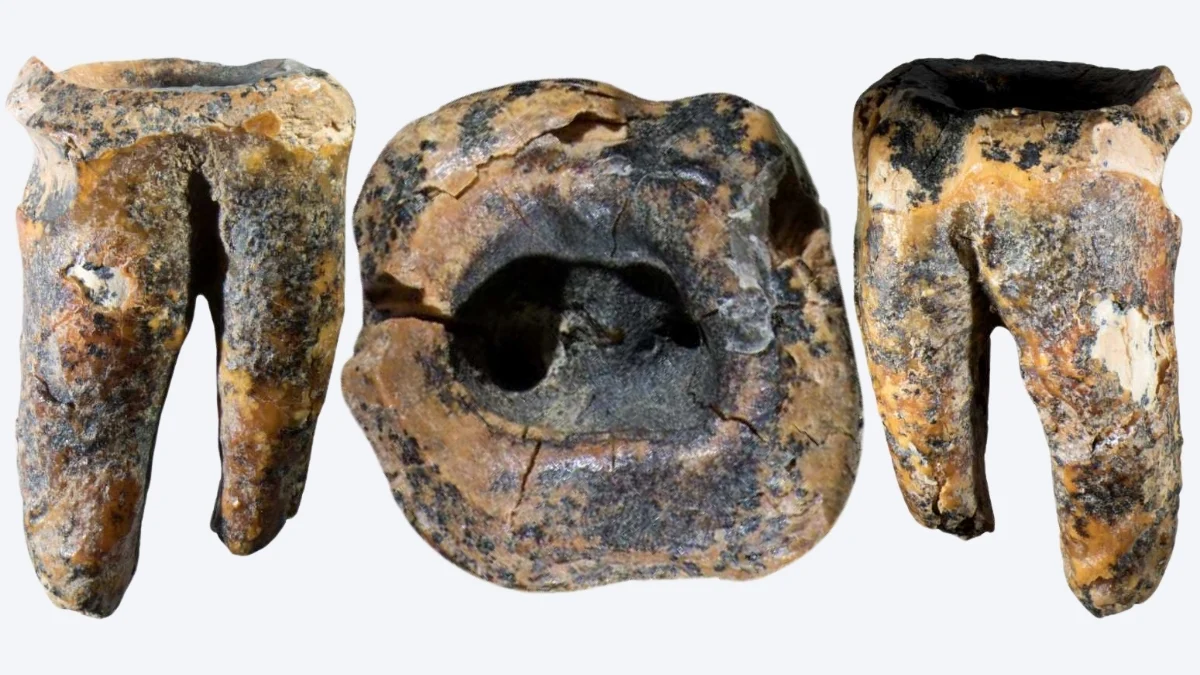
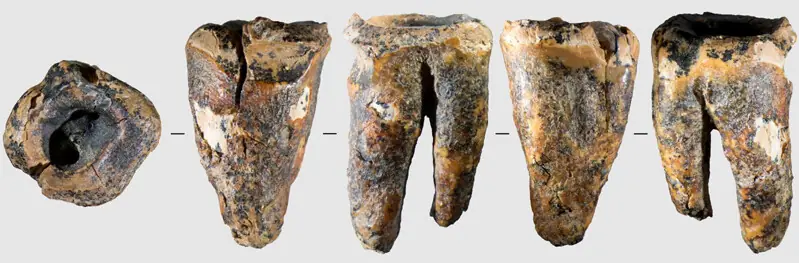
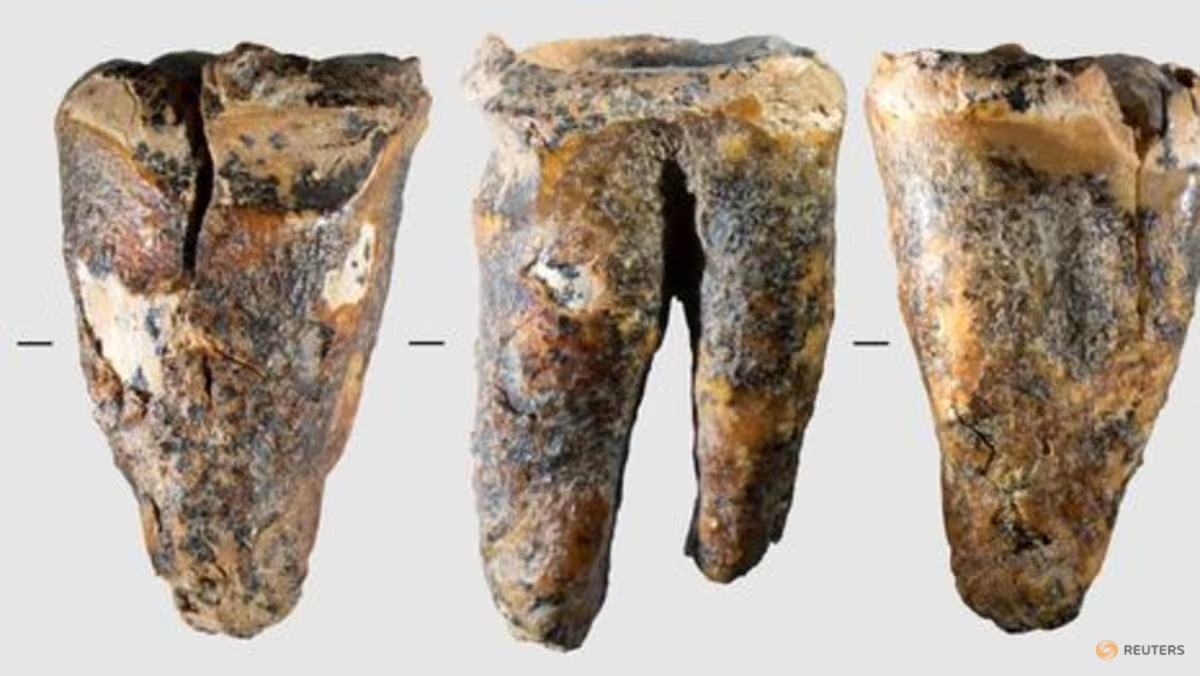
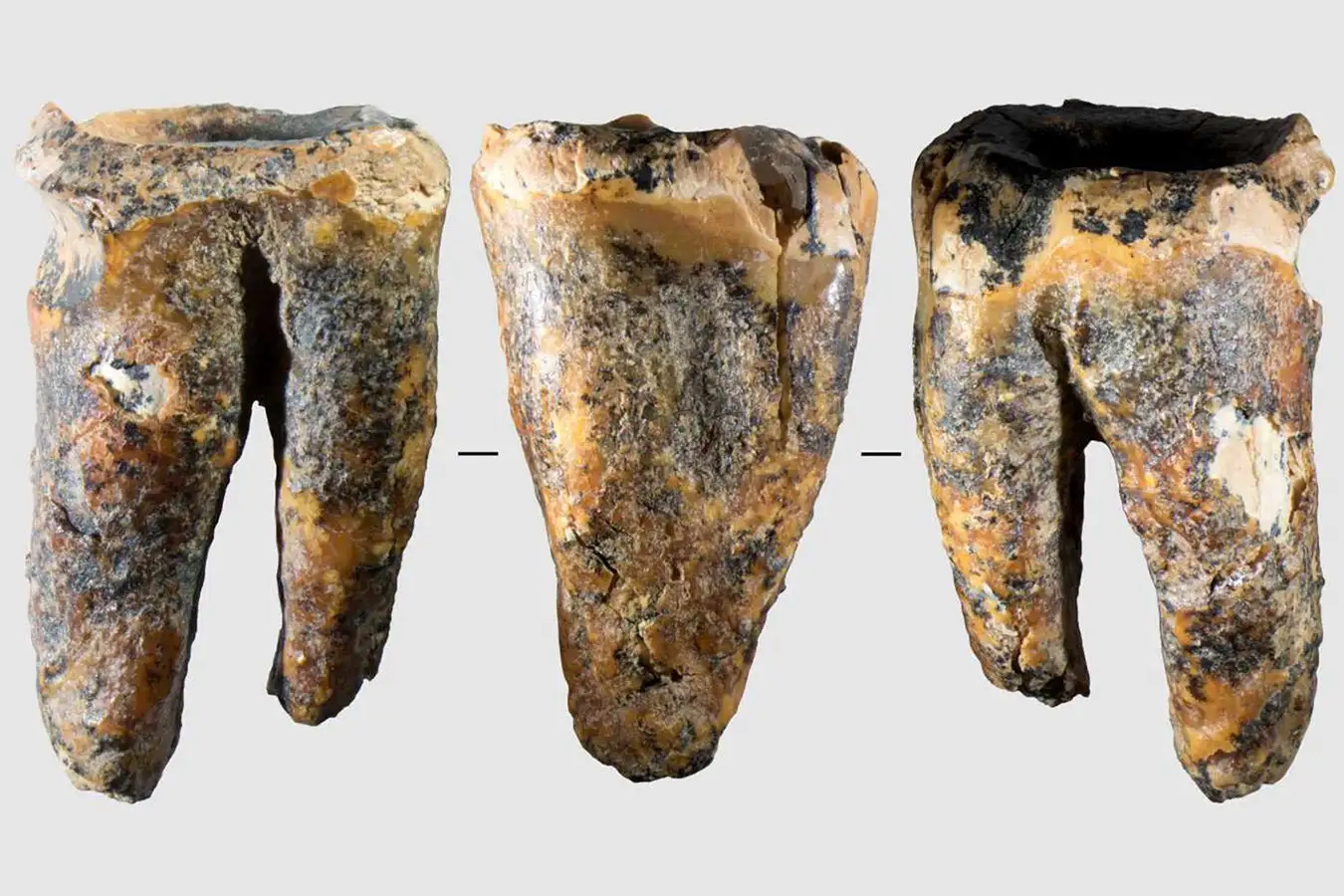
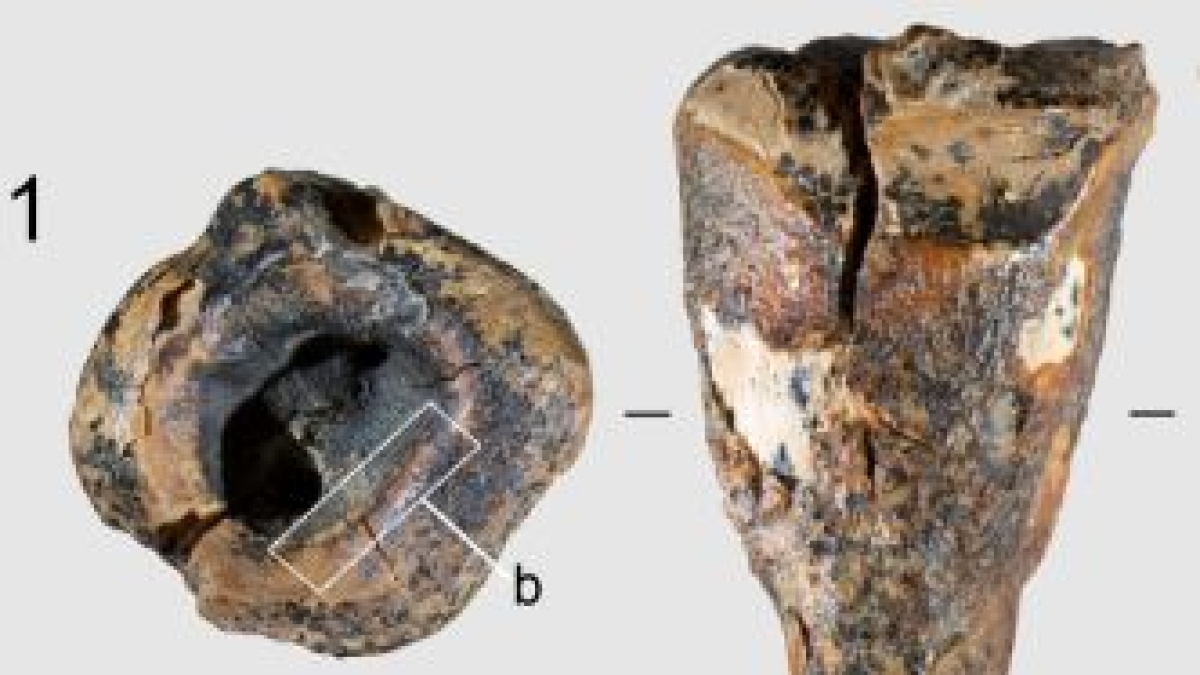
The study analysed a molar from 59,000 years ago, found in Chagyrskaya Cave, Russia, with a deep hole in its centre.
The archaeologists believe the tooth was deliberately drilled into with a sharp tool, to treat an infection and alleviate pain.
This is the earliest known evidence of dentistry by more than 40,000 years – superseding an example from approximately 14,000 years ago, found in Italy – as well as the first example of dental work by a species other than Homo sapiens.
“What amazed me was how intuitively the person who owned this tooth understood exactly where the pain was coming from and realised that its source could be removed,” said lead author Dr Aliza Zubova, from the Peter the Great Museum of Anthropology and Ethnography, at the Russian Academy of Sciences.