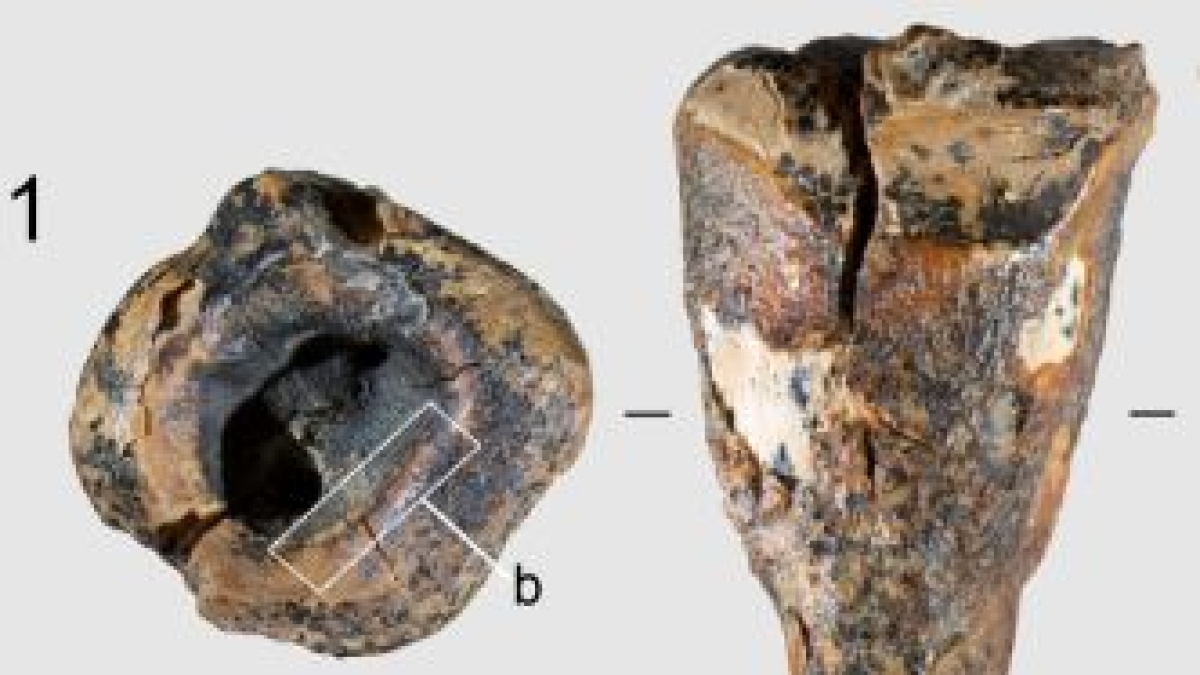
Molar found in Siberia features deep hole that appears to show earliest known evidence of dental treatment
Neanderthals used stone drills to treat cavities almost 60,000 years ago in what is the earliest known evidence of dental treatment.
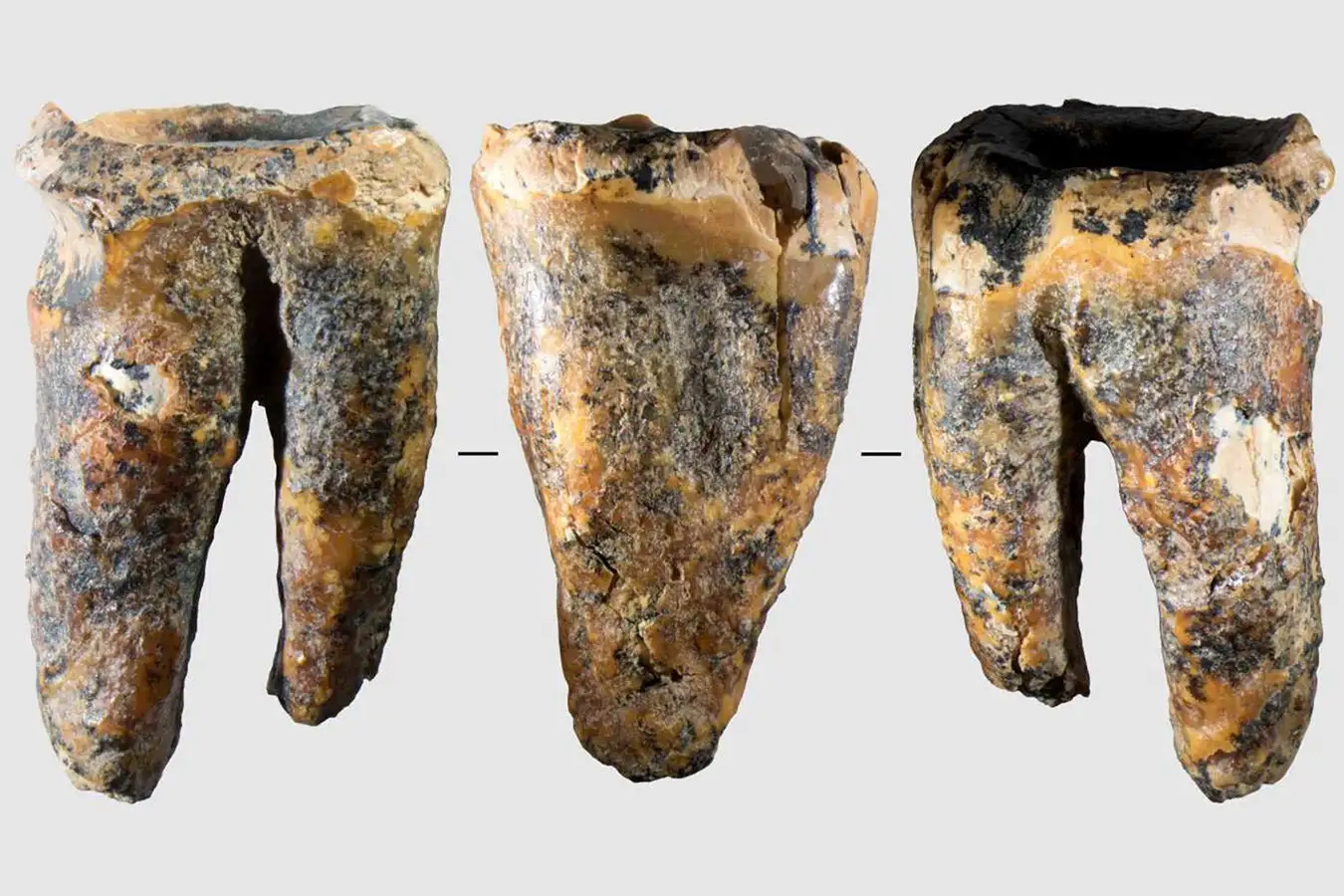
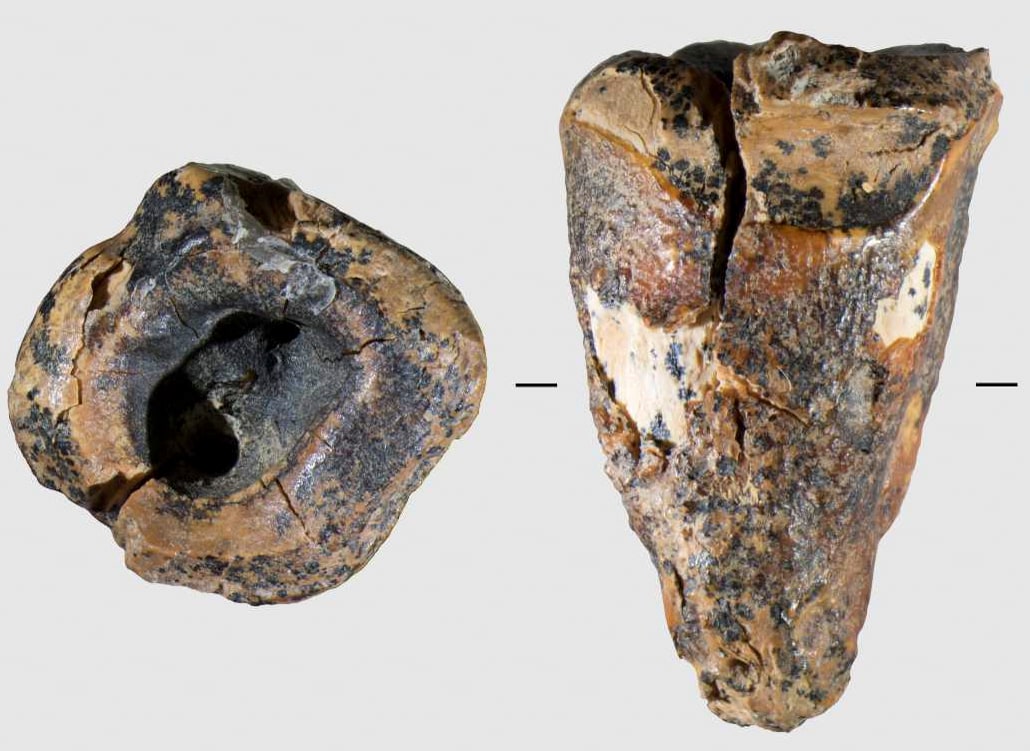
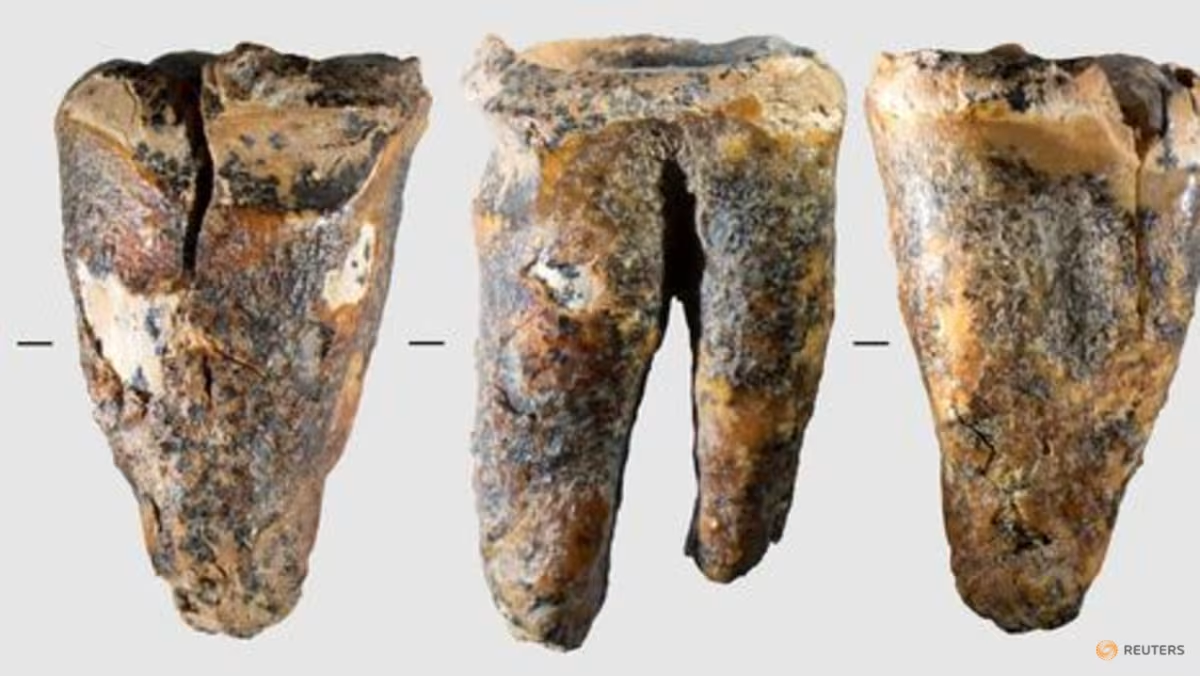
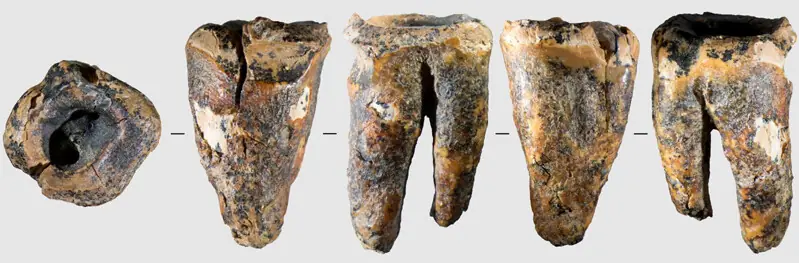
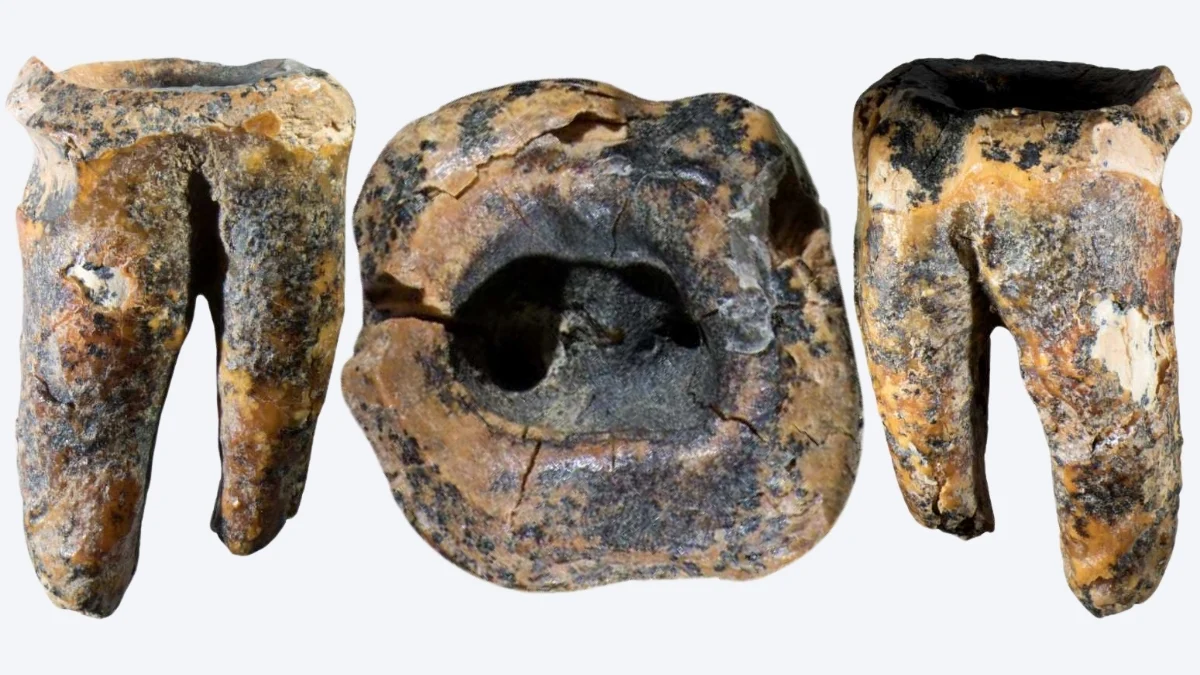
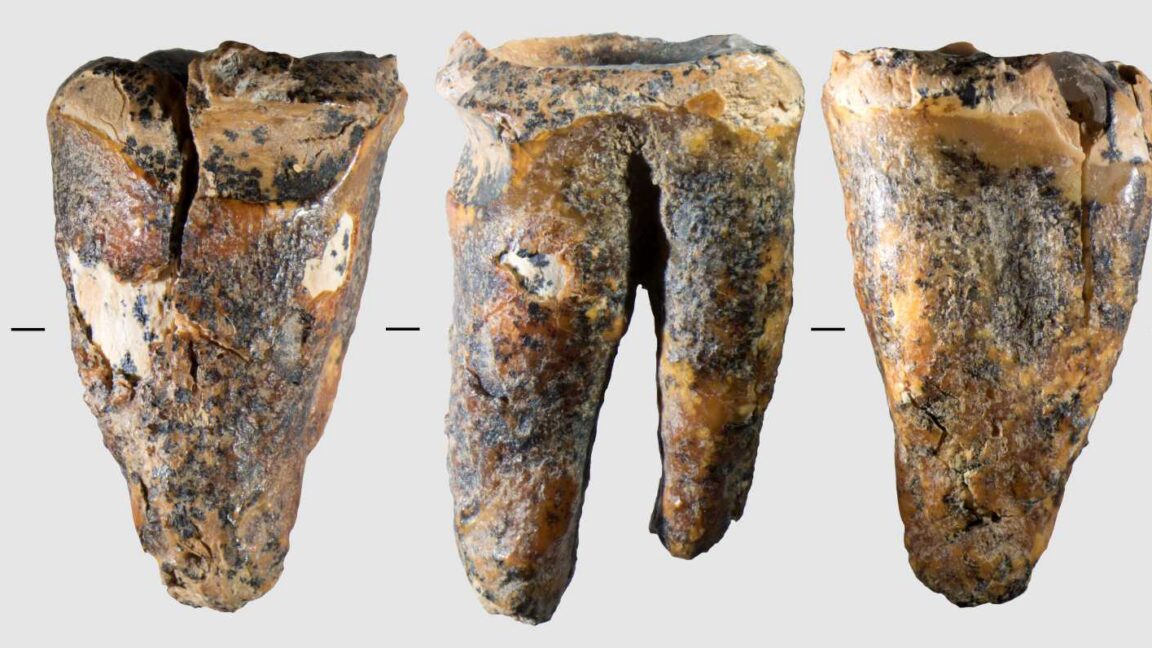
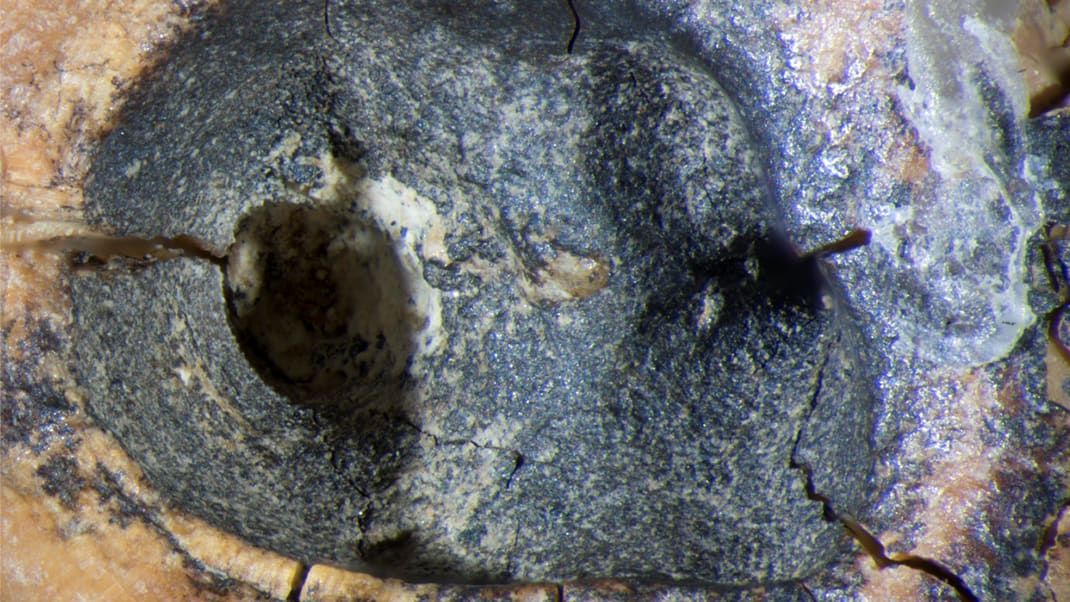
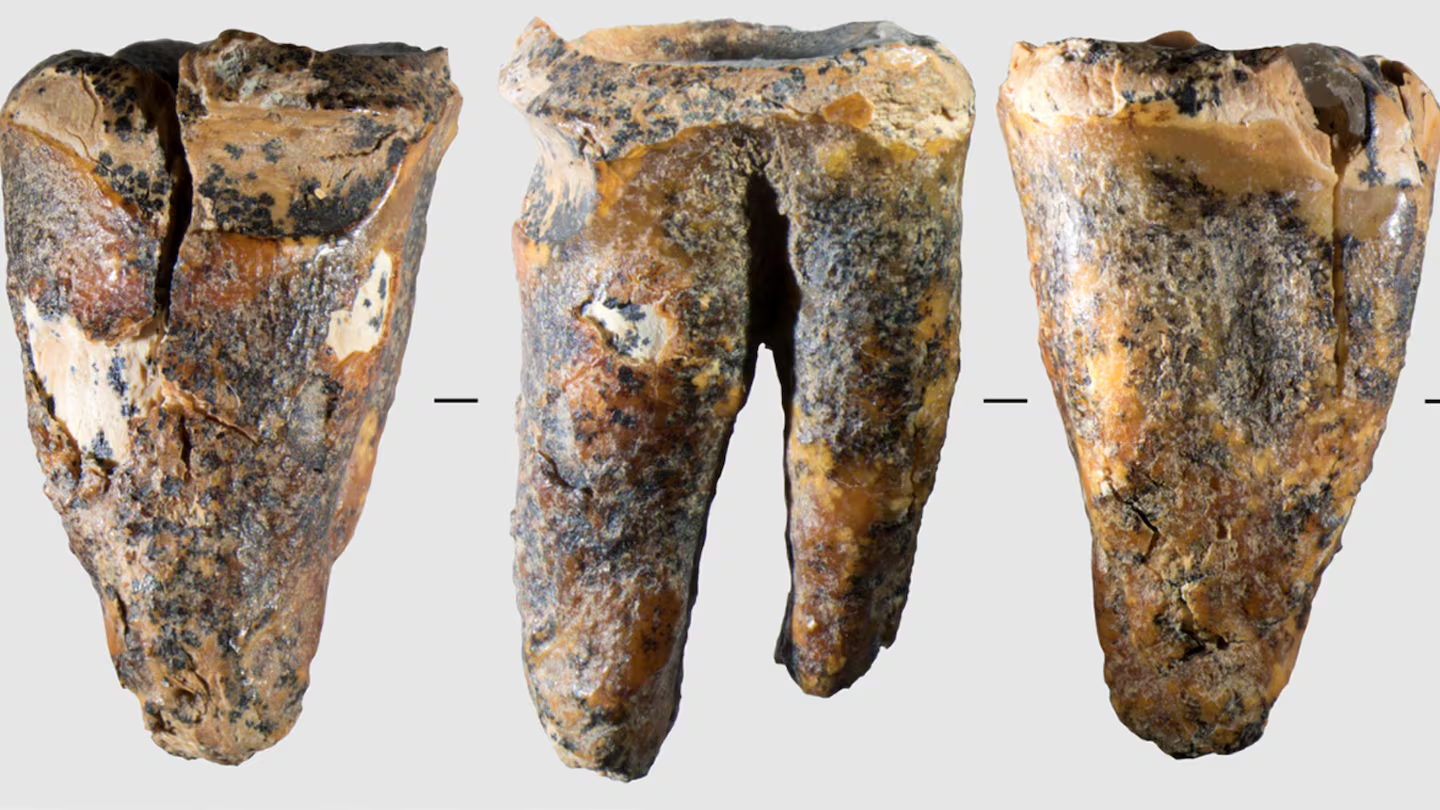
The single molar, which was unearthed in a cave in southern Siberia, features a deep hole that appears to have been created using a sharp, thin stone tool during the lifetime of the tooth’s owner.
While the prospect of stone age root canal treatment may be excruciating to even contemplate, archaeologists say the discovery provides remarkable insights into Neanderthals’ advanced behaviours – and possibly their gritty disposition.
Dr Kseniya Kolobova, an archaeologist at the Siberian branch of the Russian Academy of Sciences in Novosibirsk, said: “This discovery powerfully reinforces the now well-supported view that Neanderthals were not the brutish, inferior cousins of outdated stereotypes but a sophisticated human population with complex cognitive and cultural capacities. [It] adds an entirely new dimension – invasive medical treatment – to the growing list of advanced Neanderthal behaviours.”