Evidence of Caries Treatment on a 60,000-year-old Tooth Found in Russia Pushes Back the Birth of Dentistry, a Skill That Archaeologists Didn't Expect to Encounter in Neanderthals

Evidence of Caries Treatment on a 60,000-year-old Tooth Found in Russia Pushes Back the Birth of Dentistry, a Skill That Archaeologists Didn't Expect to Encounter in Neanderthals

Russian archaeologists have discovered evidence of a sophisticated dental procedure that took place nearly 60,000 years ago.
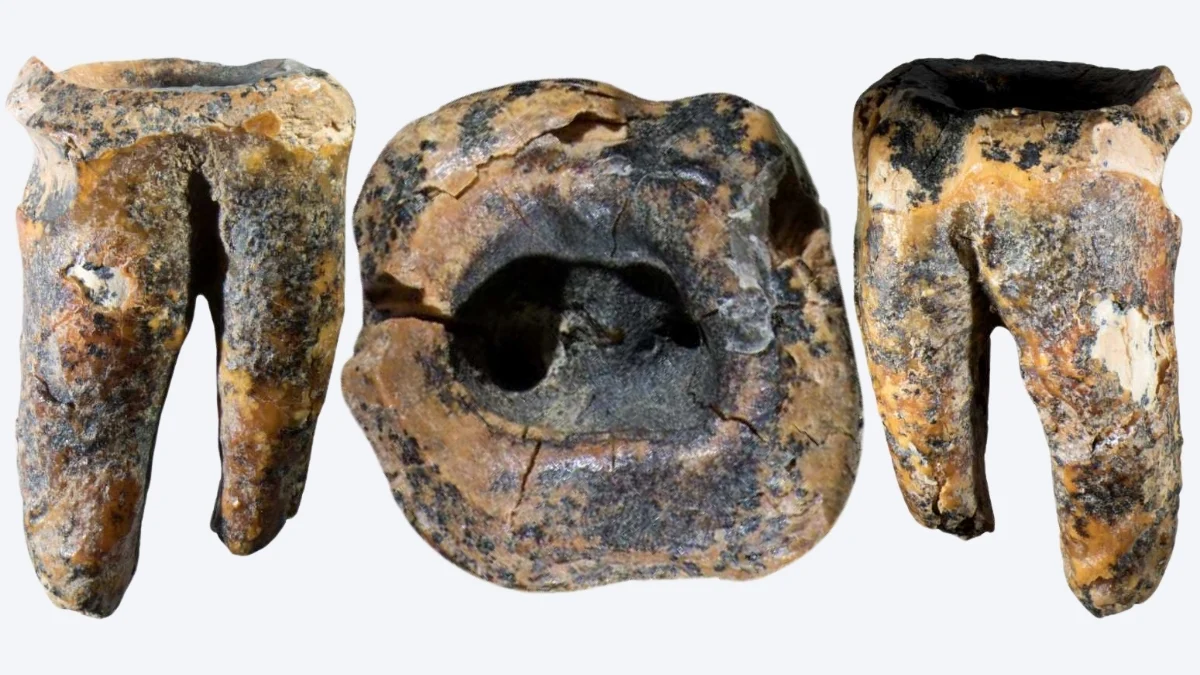
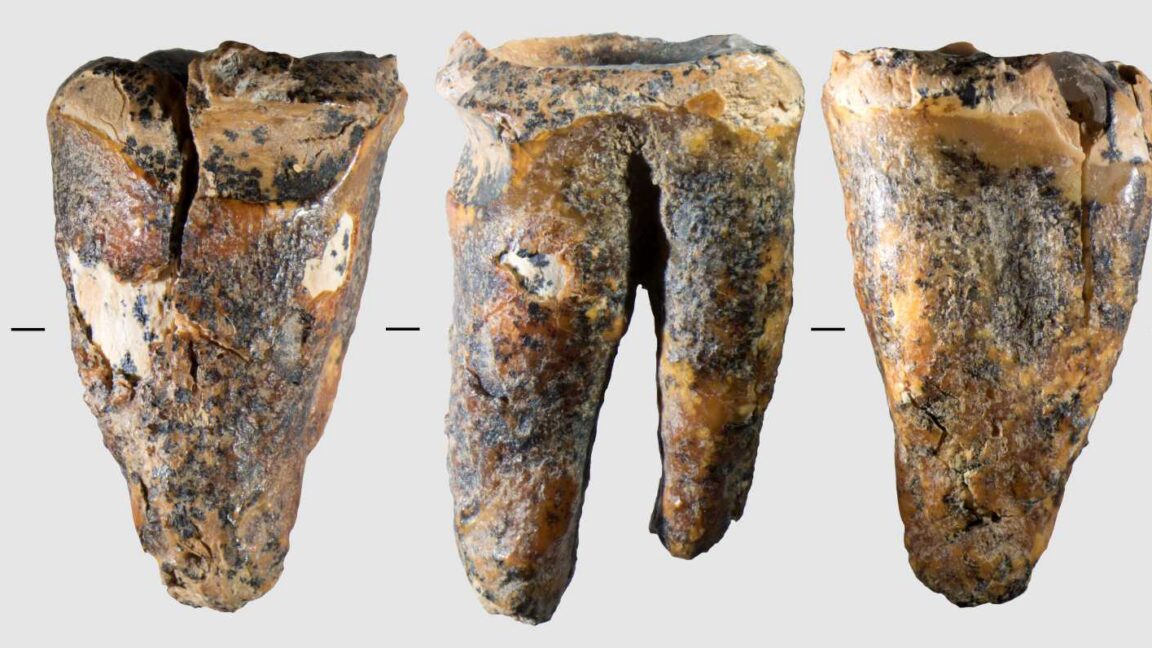
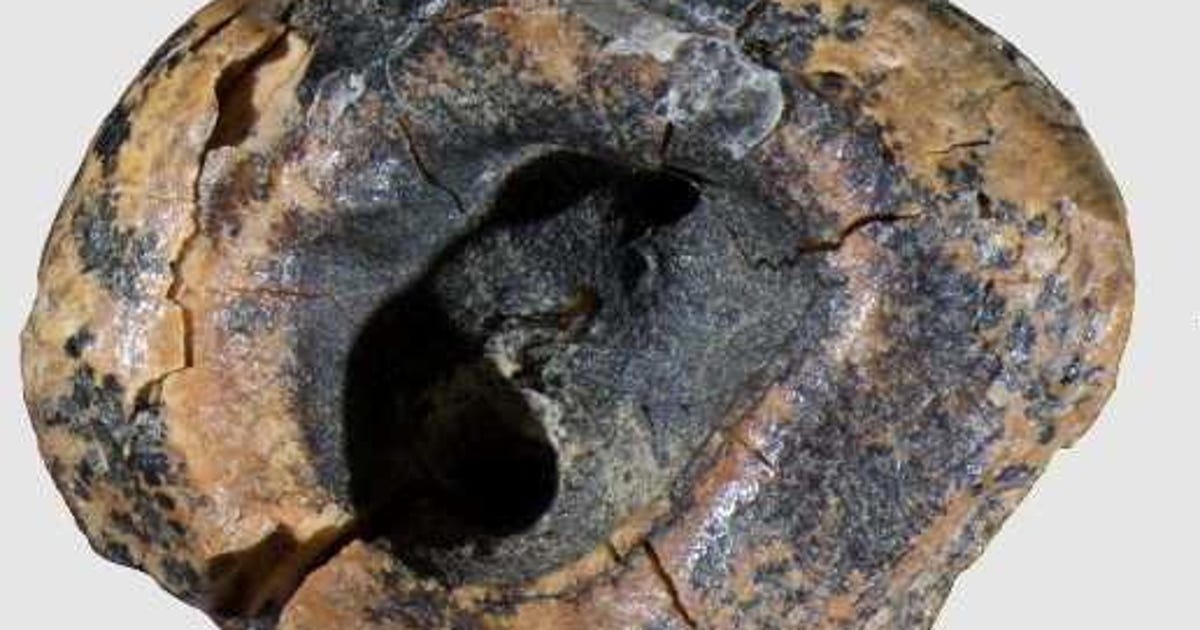
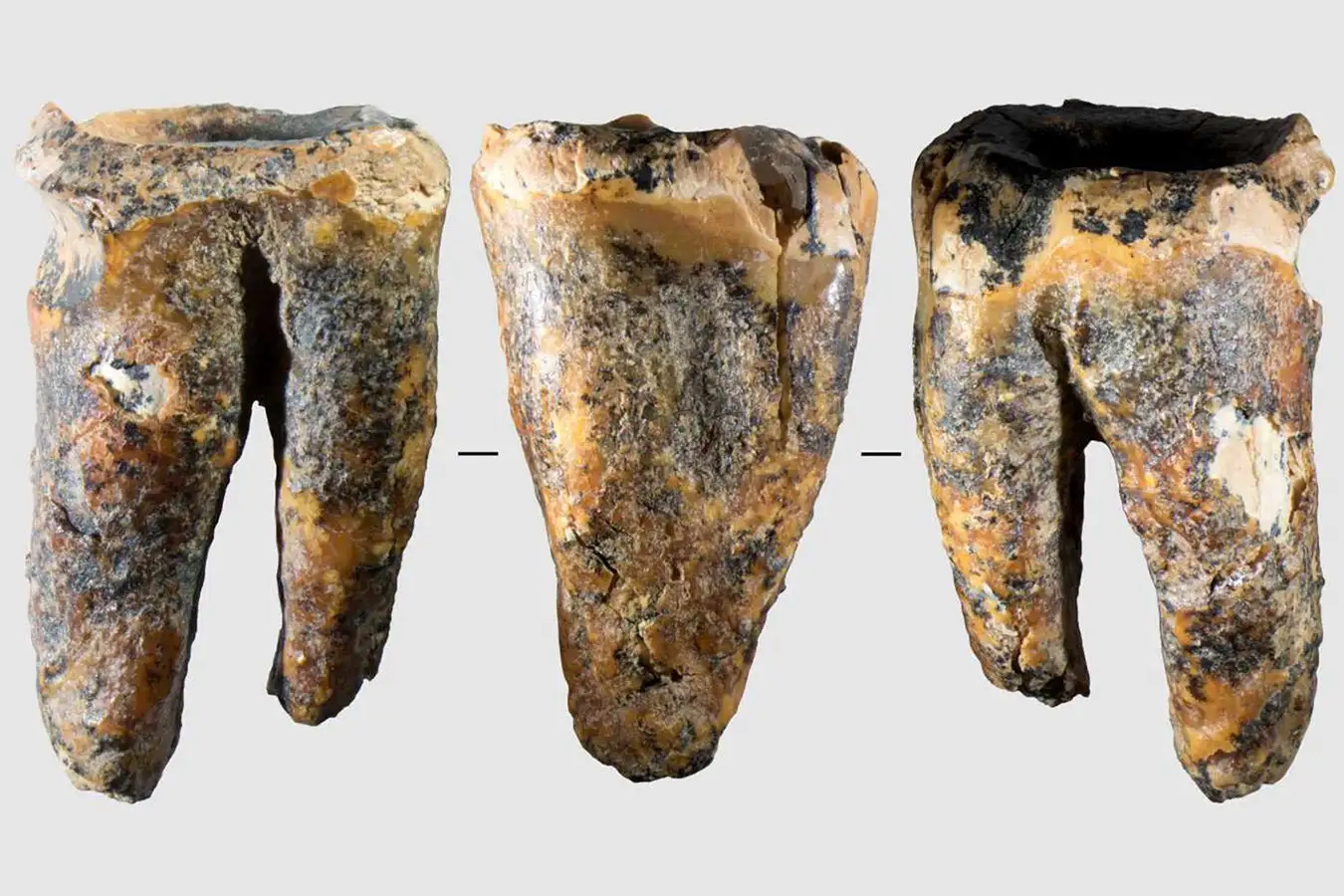
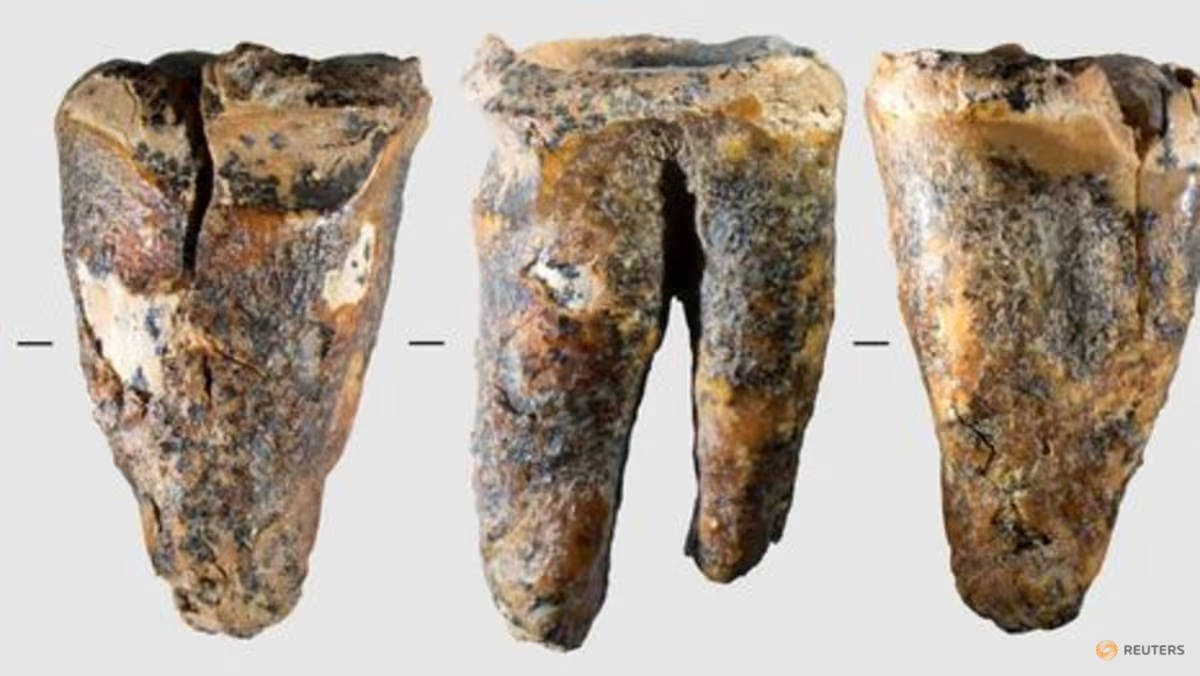
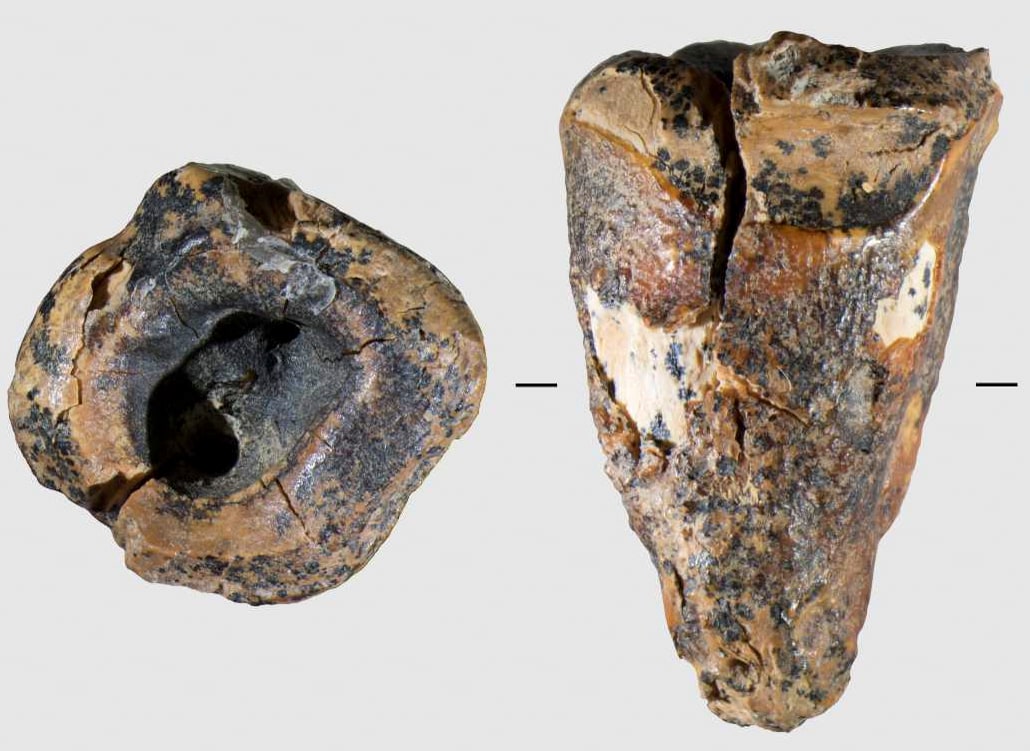
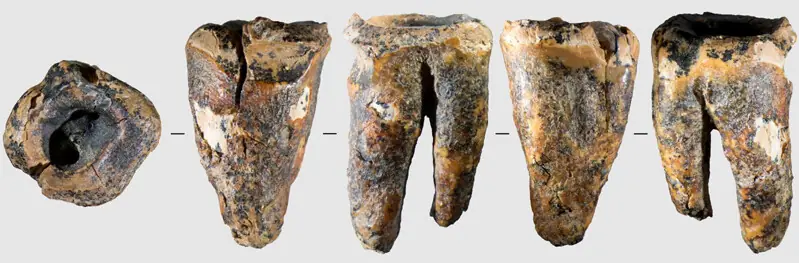
A 60,000-year-old Neanderthal tooth left behind in a cave in modern-day Russia contains a deep hole that cannot be explained by decay alone.

“Every time I go to the dentist, I think about that guy,” researcher says.

A Neanderthal tooth shows clear signs of human intervention to treat bacterial decay, showing that the earliest dentistry began at least 59,000 years ago

Molar found in Siberia features deep hole that appears to show earliest known evidence of dental treatment

May 13 : About 59,000 years ago, a Neanderthal suffered from an awful toothache caused by a deep cavity in one of the molars on the lower jaw. That tooth has now been discovered…

Neanderthals used rock drills to treat an infected tooth, according to a study that pushes back the earliest known evidence of dentistry by more than 40,000 years.

ST PETERSBURG: About 59,000 years ago, a Neanderthal suffered from an awful toothache caused by a deep cavity in one...

Una scoperta archeologica in Siberia apre nuovi scenari sulla medicina preistorica: i Neanderthal praticavano interventi dentali complessi già oltre 59.000 anni fa. La scoperta…

Un dentista neandertal manipuló una piedra afilada para extraer la caries de un diente infectado hace 59.000 años, más de 40.000 años antes de las primeras evidencias de que...