HomeAI · summaries
Storia in 7 fonti
Trump’s new tariffs shift focus to balance of payments; economists see no crisis
President Donald Trump’s temporary 15 percent tariffs to replace those struck down by the US Supreme Court are meant to resolve a problem that many economists say does not exist: a US balance of payments crisis, making them potentially vulnerable to new legal challenges. Hours after the high court on Friday struck down a huge swath of tariffs Trump had imposed under the International Emergency Economic Powers Act, the president announced the new duties under Section 122 of the Trade Act of 1974 — a never-used statute that even his own legal team dismissed as irrelevant months ago.
Confronto fonti
6 prospettive sulla stessa storiaTimeline cronologica
- ·
fortune.com
Trump's plan B to impose new tariffs is also illegal because a balance-of-payments deficit doesn't exist, trade experts say | Fortune
"A balance of payments deficit is not the same thing as a trade deficit."
- ·
upi.com
Trump announces 15% global tariff after Supreme Court setback - UPI.com
President Donald Trump said he will raise global tariffs from 10% to 15% after the Supreme Court on Friday ruled his emergency tariffs are illegal.
- ·
bbc.com
Trump tariffs: The uncertainties facing businesses and consumers after tariff changes
Businesses say questions remain after US President Donald Trump announced he will impose global tariffs of 15%.
- ·
cnbc.com
CNBC Daily Open: Trump's reaction to Supreme Court tariff ruling seems to cause more uncertainty
The U.S. Supreme Court on Friday struck down much of President Donald Trump's "reciprocal" tariffs. But Trump didn't take their decision lying down.
- ·
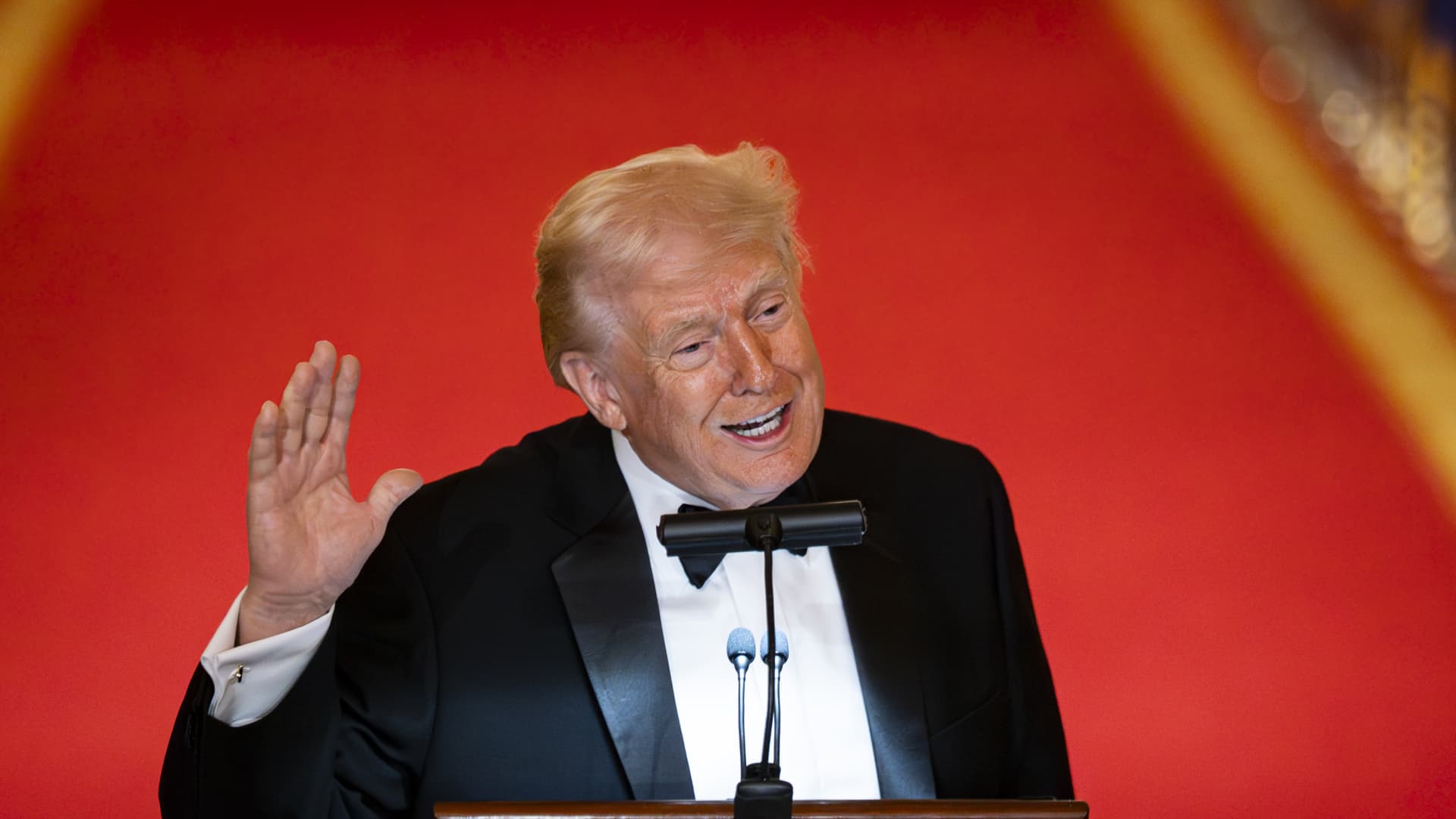
CNBC Daily Open: New Trump tariffs are up after U.S. Supreme Court strikes some down
The U.S. Supreme Court on Friday struck down much of President Donald Trump's "reciprocal" tariffs. But Trump didn't take their decision lying down.
- ·
aljazeera.com
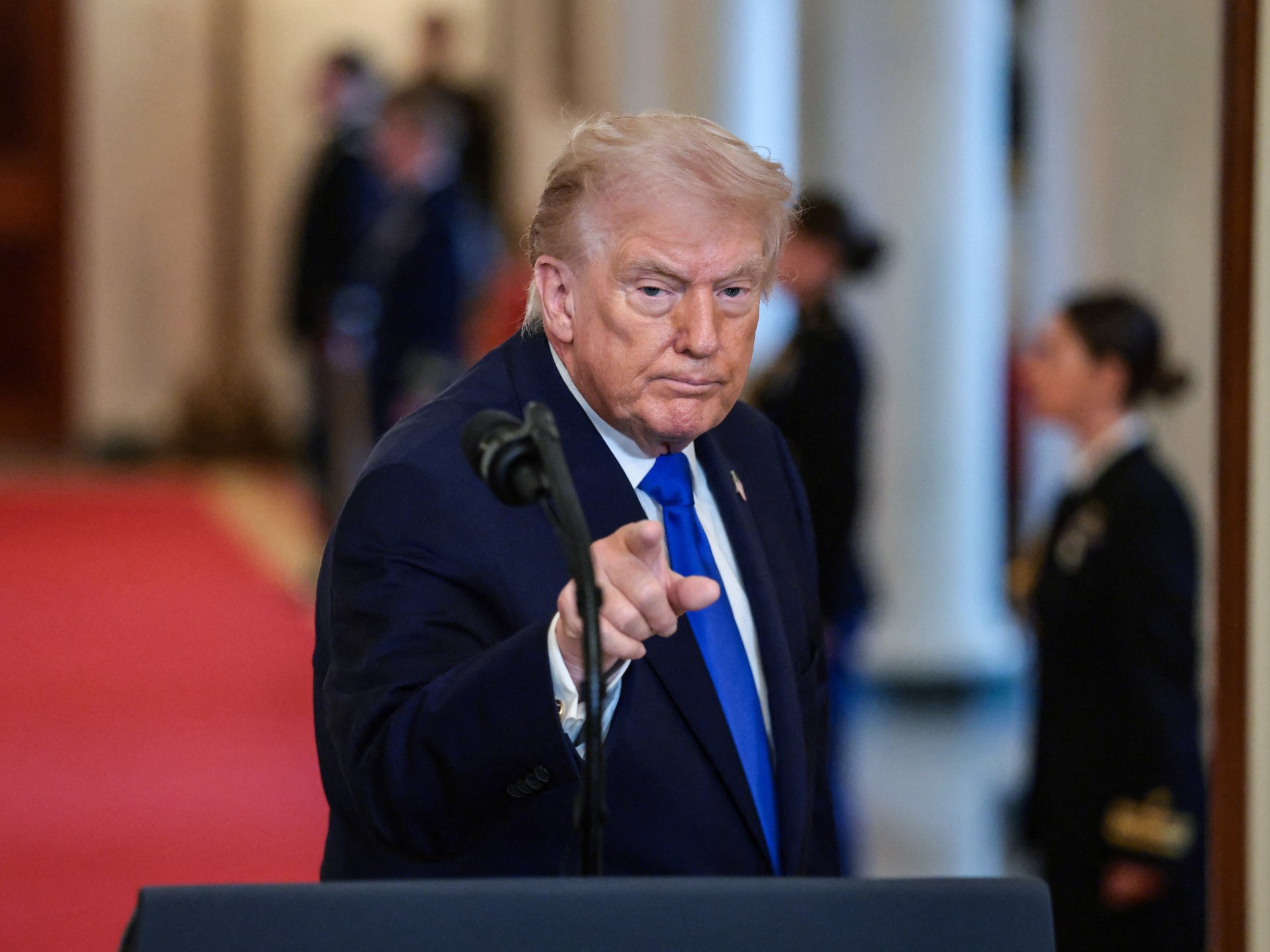
Trump’s new tariff threats trigger economic uncertainty; trade deals stall
The White House is set to impose a 15 percent tariff through Section 122 after the US Supreme Court ruled against Trump.
- ·
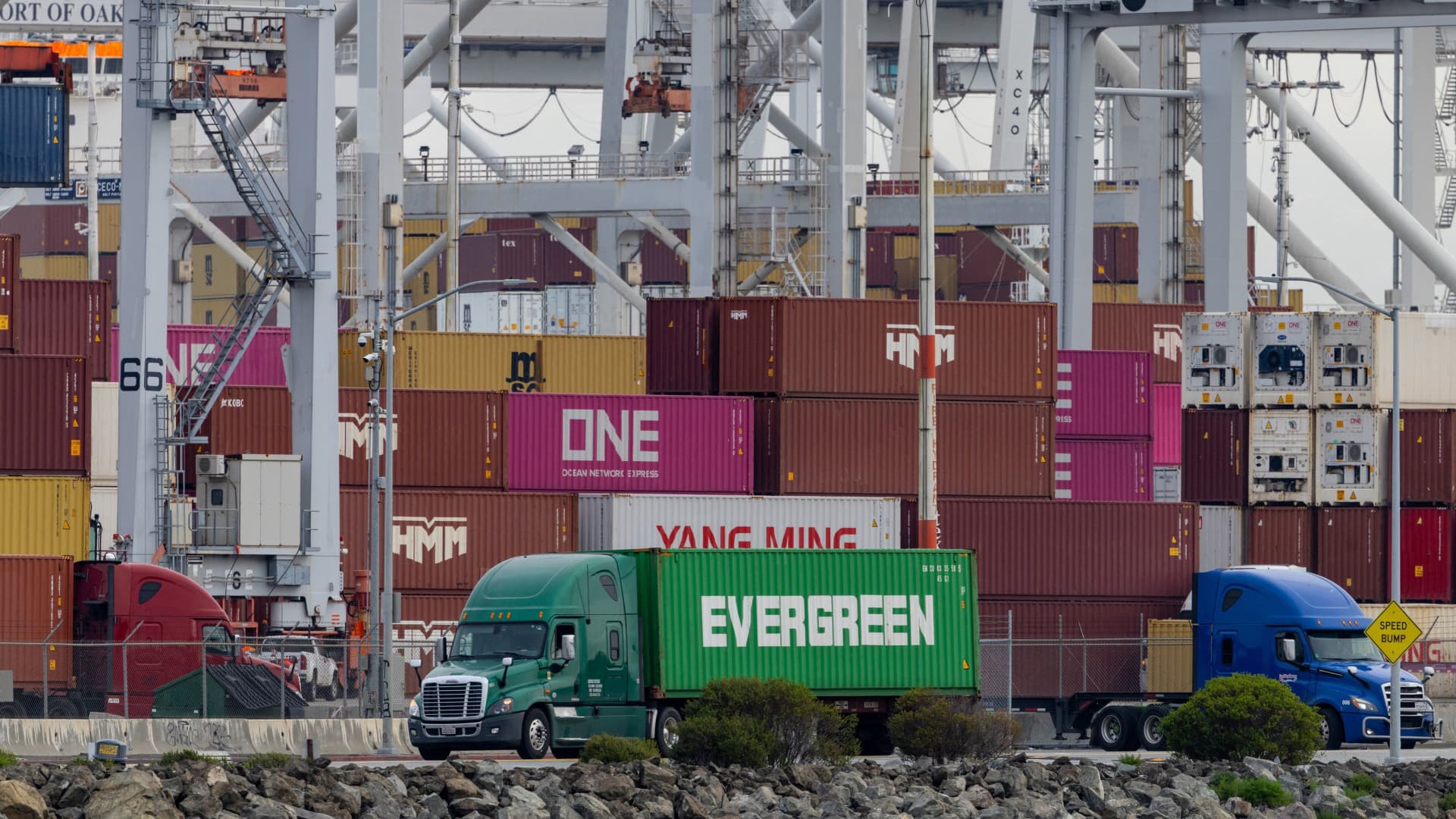
Supreme Court ruling throws Trump administration's tariff strategy into flux. What it means for global trade, U.S. economy
President Trump's new tariffs could further strain global trade relations, pushing businesses to operate more cautiously and hurting the U.S. economy.
- ·
huffpost.com
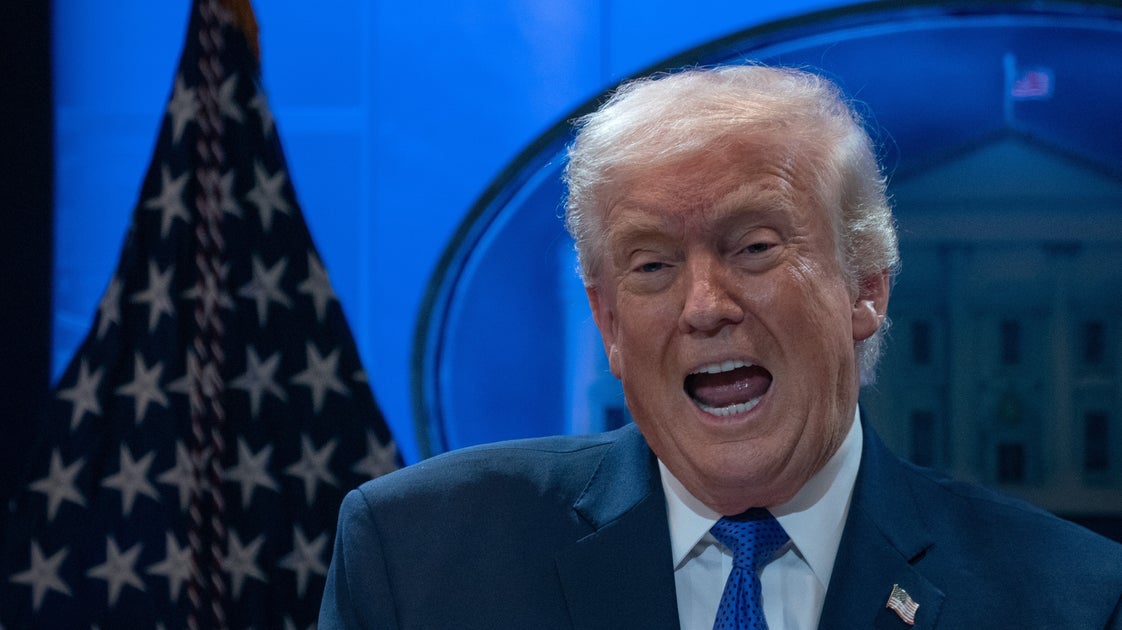
Trump’s Probably Headed Back To Court Again
Trump’s Department of Justice previously argued in court that he couldn’t issue tariffs under the authority that he is now using to justify a 15% blanket tariff.
- ·
arabnews.com
Trump’s new tariffs shift focus to balance of payments; economists see no crisis
President Donald Trump’s temporary 15 percent tariffs to replace those struck down by the US Supreme Court are meant to resolve a problem that many economists say does not exist:…
- ·
Supreme Court tariff ruling clarifies Trump’s trade authority - UPI.com
The Supreme Court's ruling to limit President Donald Trump's use of emergency powers to impose tariffs is forcing the administration to look to different statutory authorities to…
- ·
America’s $901 billion trade deficit is like ‘chronically high cholesterol,’ top economist says, and Trump’s 150-day tariffs are the wrong…
The president’s new temporary tariffs risk confusing America’s trade deficit with a much bigger problem.