HomeAI · summaries
Storia in 4 fonti
CNBC Daily Open: New Trump tariffs are up after U.S. Supreme Court strikes some down
The U.S. Supreme Court on Friday struck down much of President Donald Trump's "reciprocal" tariffs. But Trump didn't take their decision lying down.
Confronto fonti
4 prospettive sulla stessa storiaTimeline cronologica
- ·
aljazeera.com
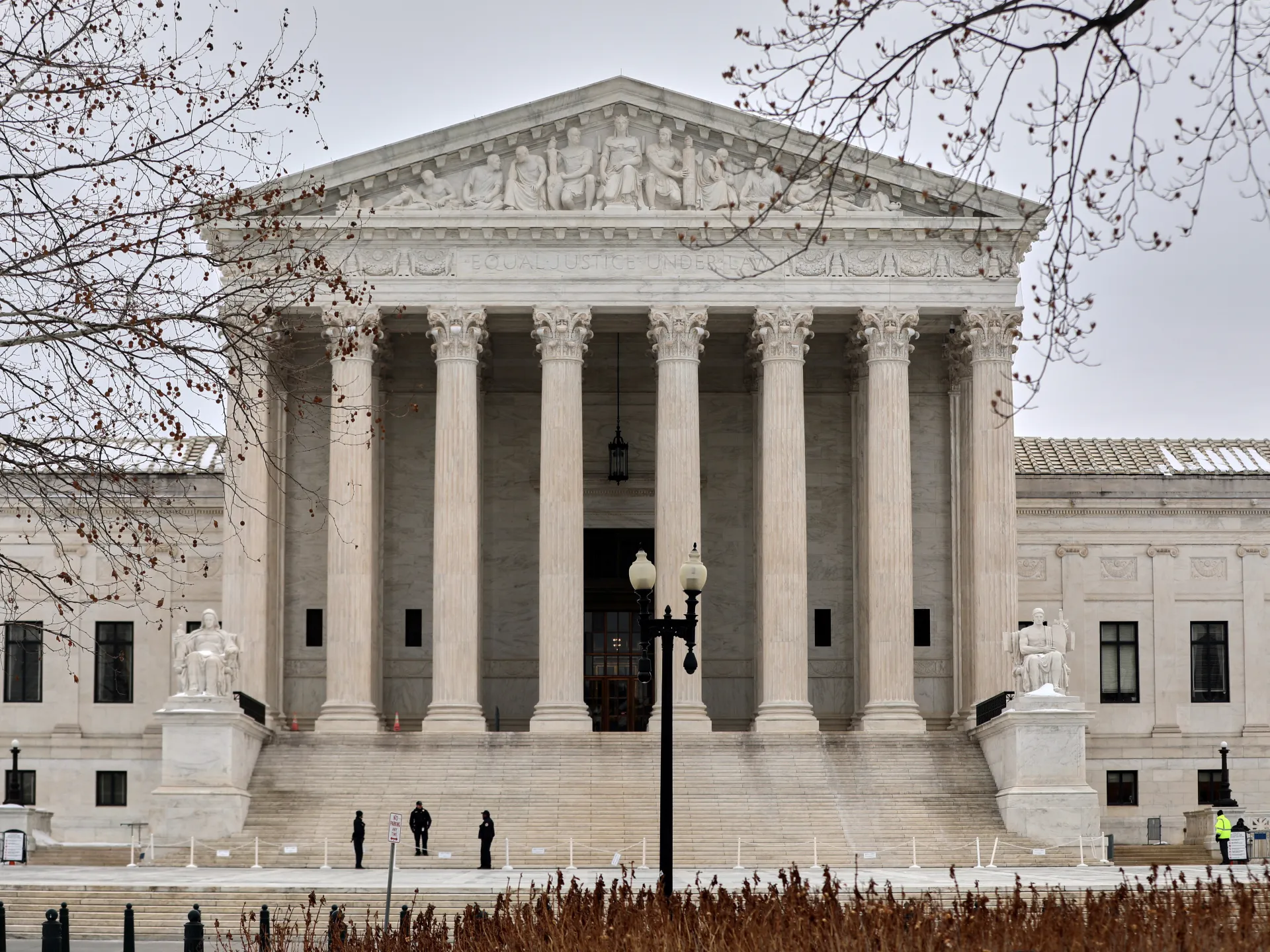
In major blow to Trump, US Supreme Court strikes down his global tariffs
The decision is a significant loss to US President Trump on an issue that has been critical for his economic agenda.
- ·
cnbc.com
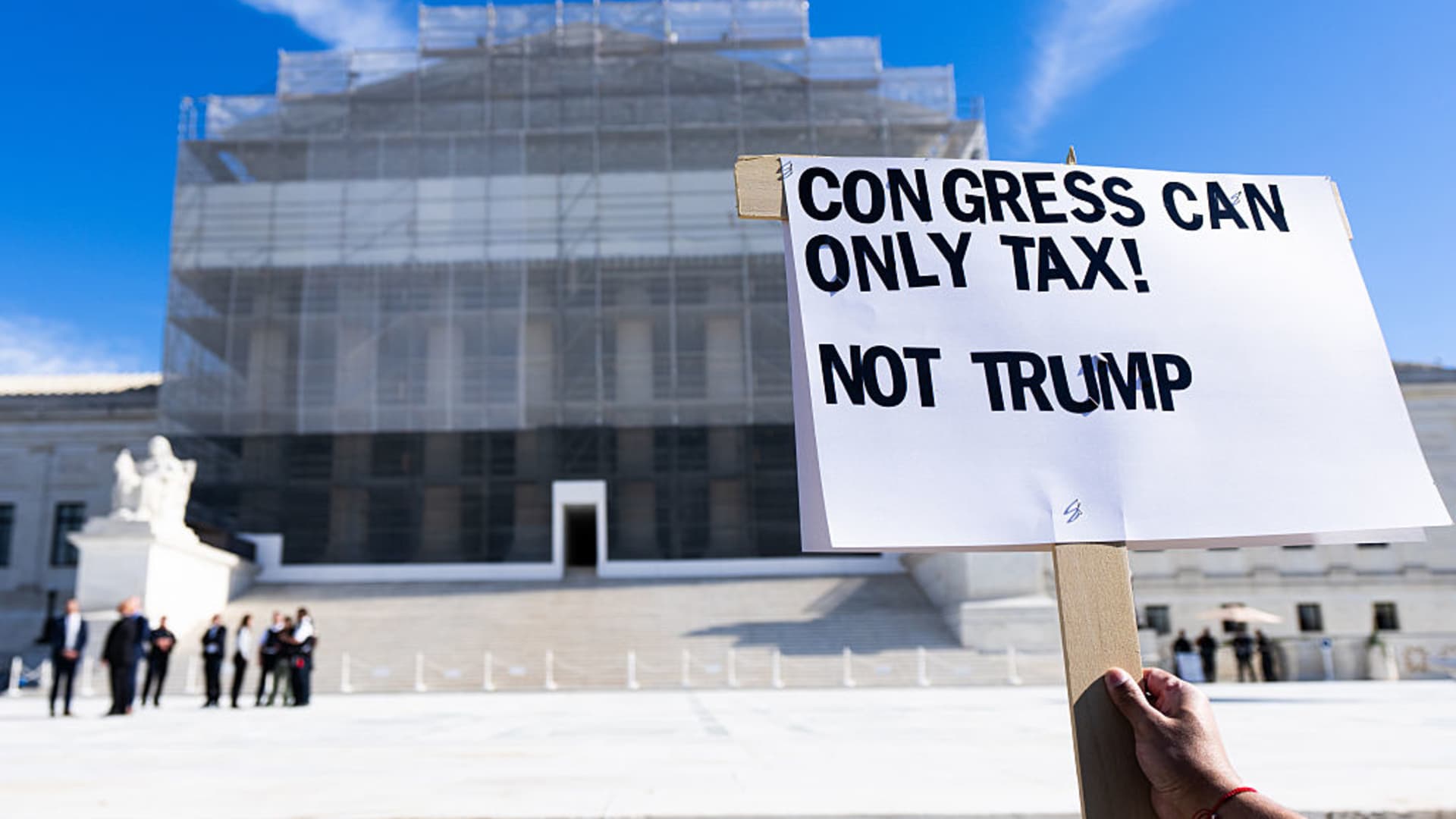
Supreme Court strikes down Trump tariffs, rebuking president's signature economic policy
Trump, as recently as Thursday, has talked up the consequences of the Supreme Court striking down his tariffs prior to the seismic ruling.
- ·
bbc.com
Supreme Court strikes down Trump's sweeping global tariffs
The ruling opens the door to potentially hundreds of billions of dollars in tariff refunds.
- ·
With Trump's 'reciprocal' tariffs struck down, here are the industries still facing higher rates
President Donald Trump's so-called "reciprocal" tariffs were deemed unconstitutional by the Supreme Court, but some sector-specific tariffs remain in place.
- ·
lemonde.fr
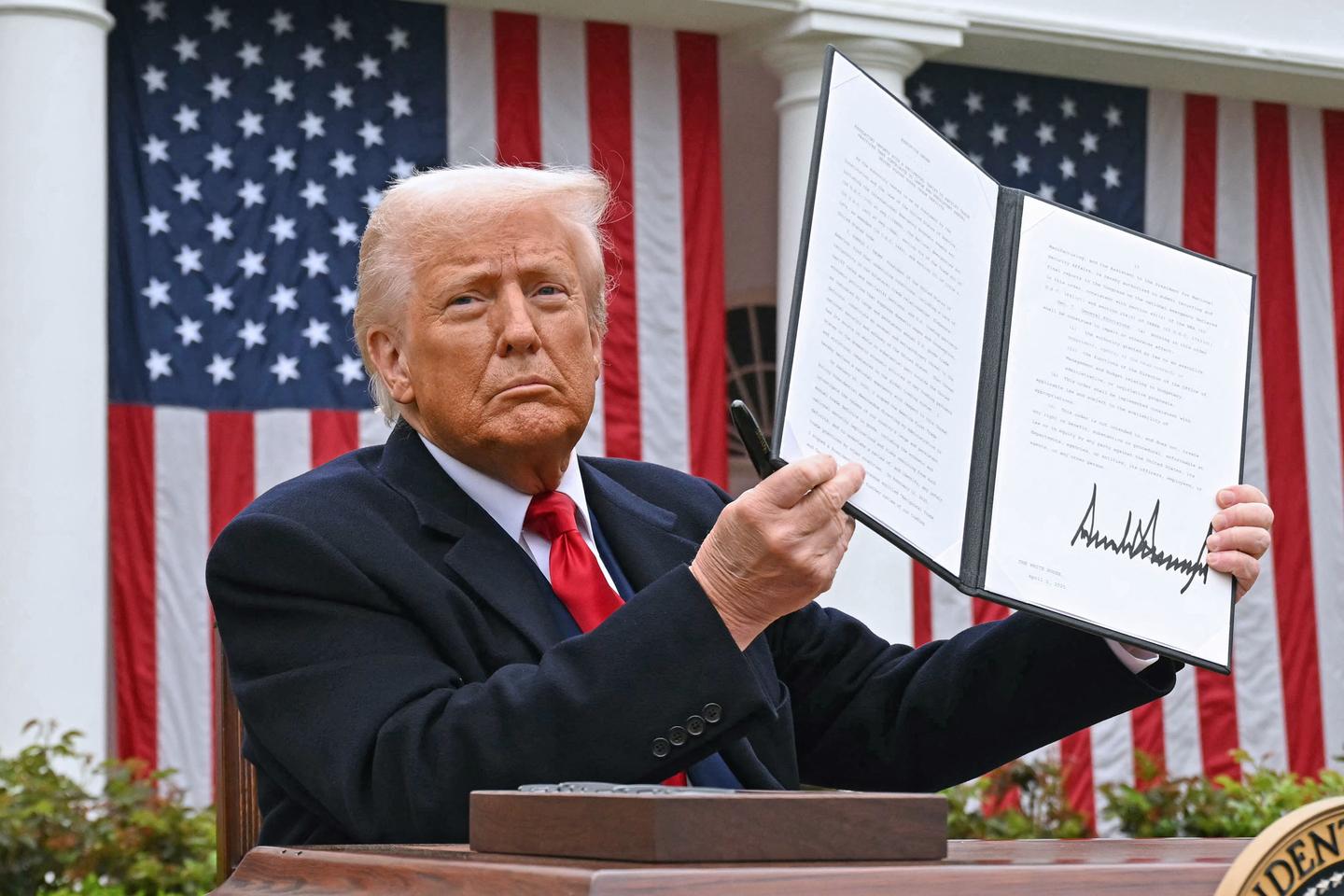
Tariffs: US Supreme Court delivers harsh setback to Trump's trade policy
The US Supreme Court ruled that 'reciprocal' tariffs imposed by the American president were illegal.
- ·
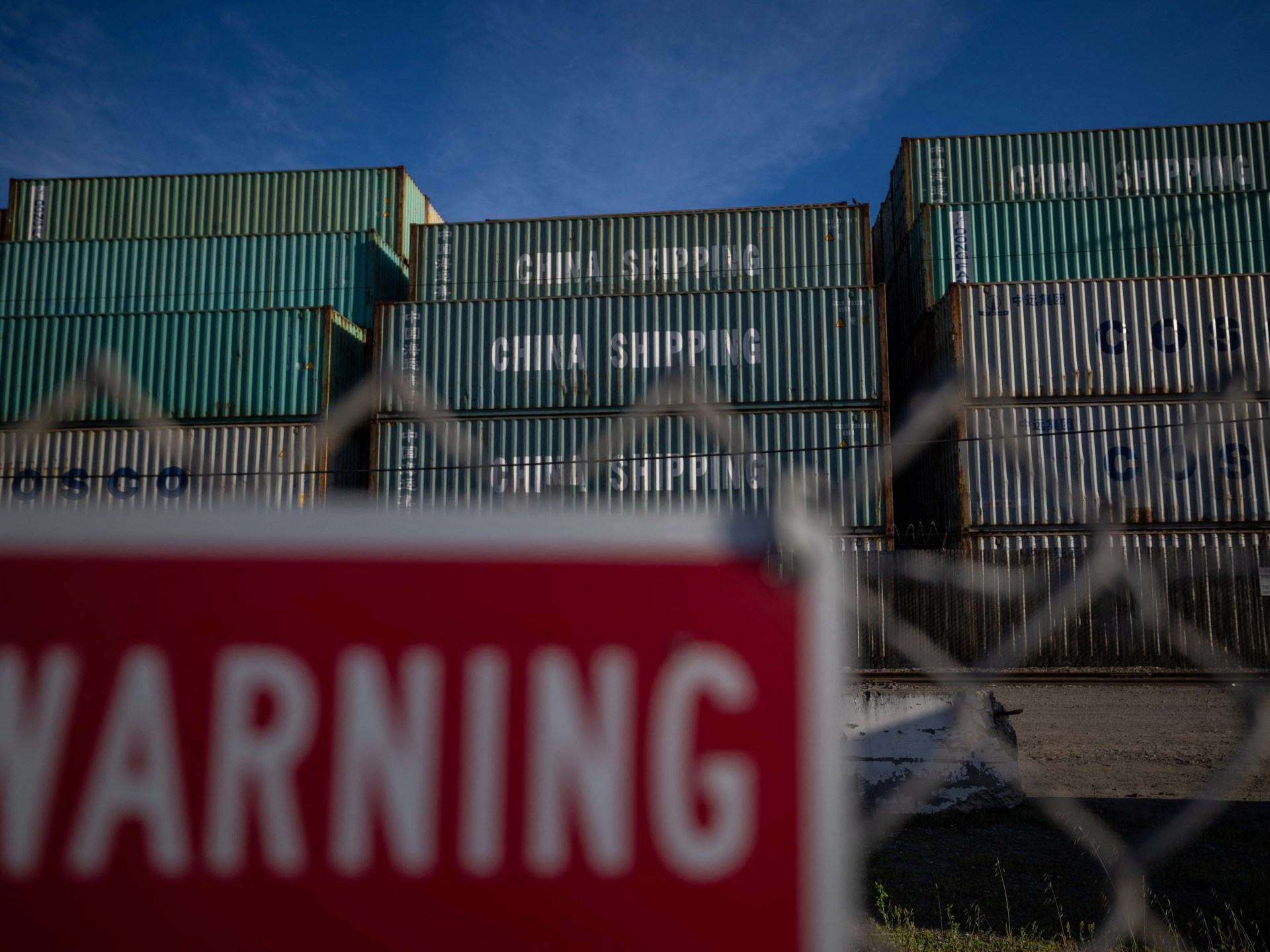
US President Trump promises new tariffs, slams Supreme Court decision
Supreme Court blocks Trump's emergency tariffs, but he plans to invoke other laws to maintain and raise tariffs.
- ·
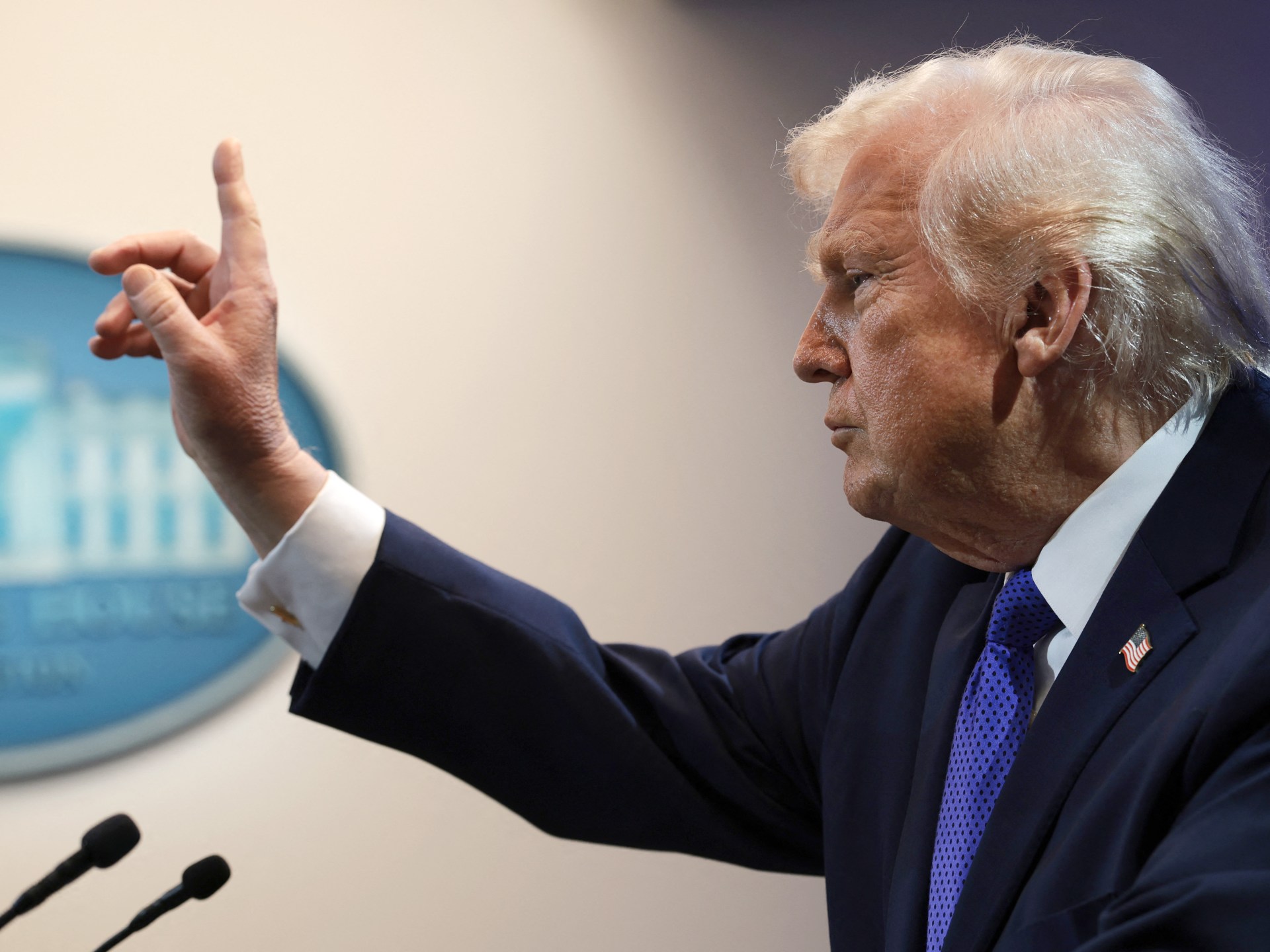
World reacts as US top court limits Trump’s tariff powers
Some countries welcome the ruling, while others review trade deals and economic effect.
- ·
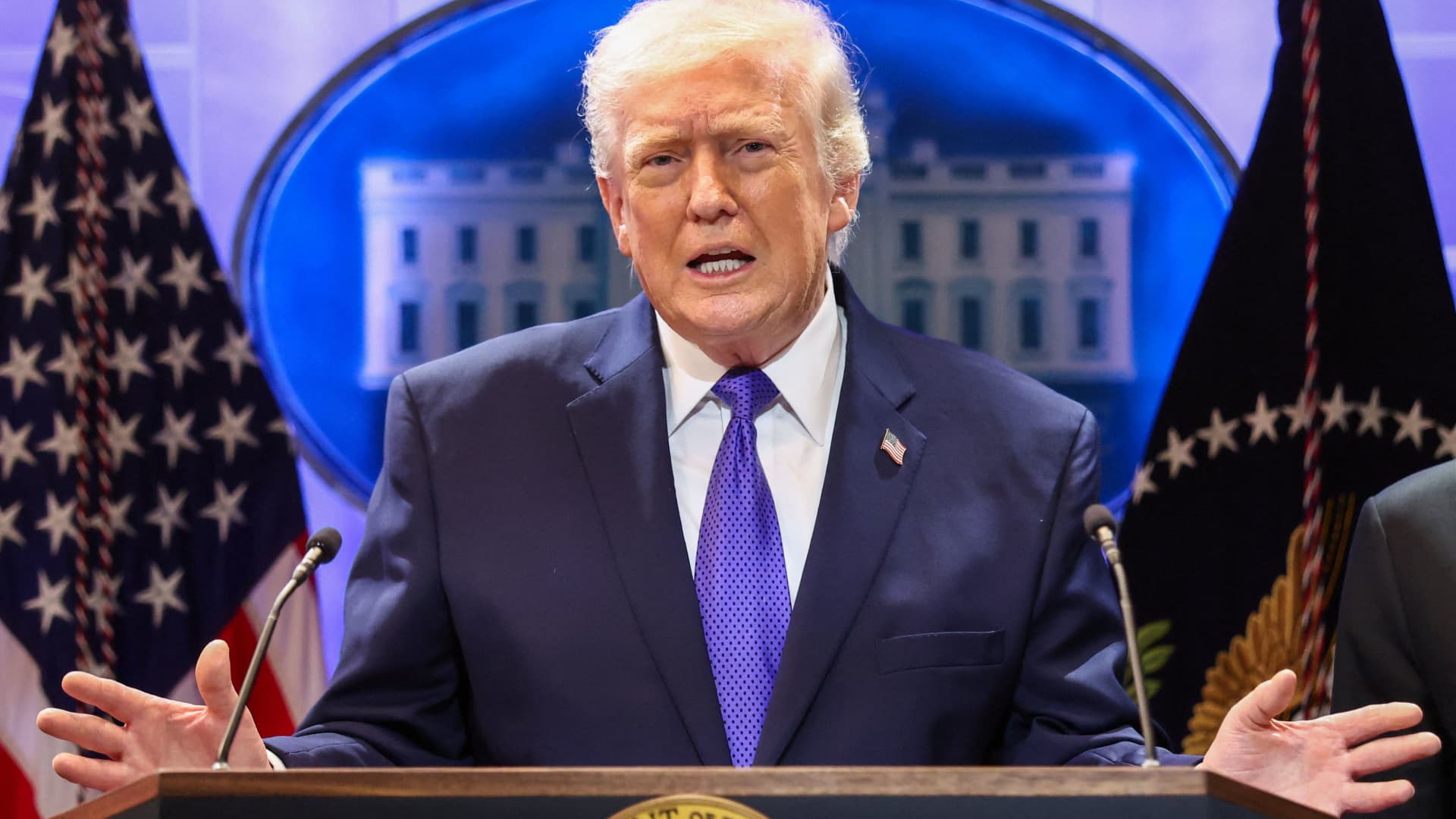
Five key takeaways from the Supreme Court's landmark decision against Trump's tariffs
What's far less certain is the longer-reaching impacts as the economy and markets again adjust to a changing landscape.
- ·
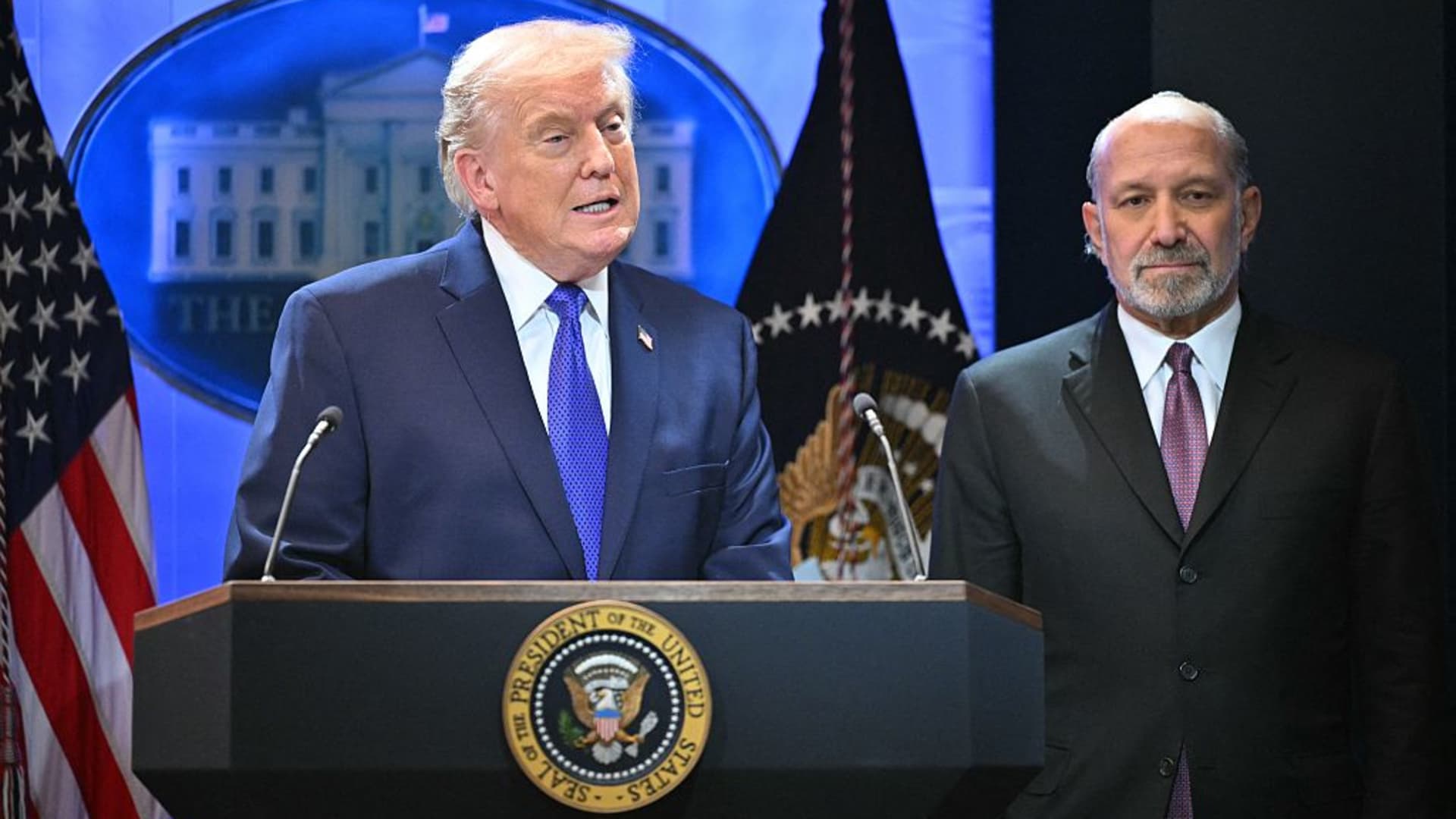
CNBC Daily Open: Trump's reaction to Supreme Court tariff ruling seems to cause more uncertainty
The U.S. Supreme Court on Friday struck down much of President Donald Trump's "reciprocal" tariffs. But Trump didn't take their decision lying down.
- ·
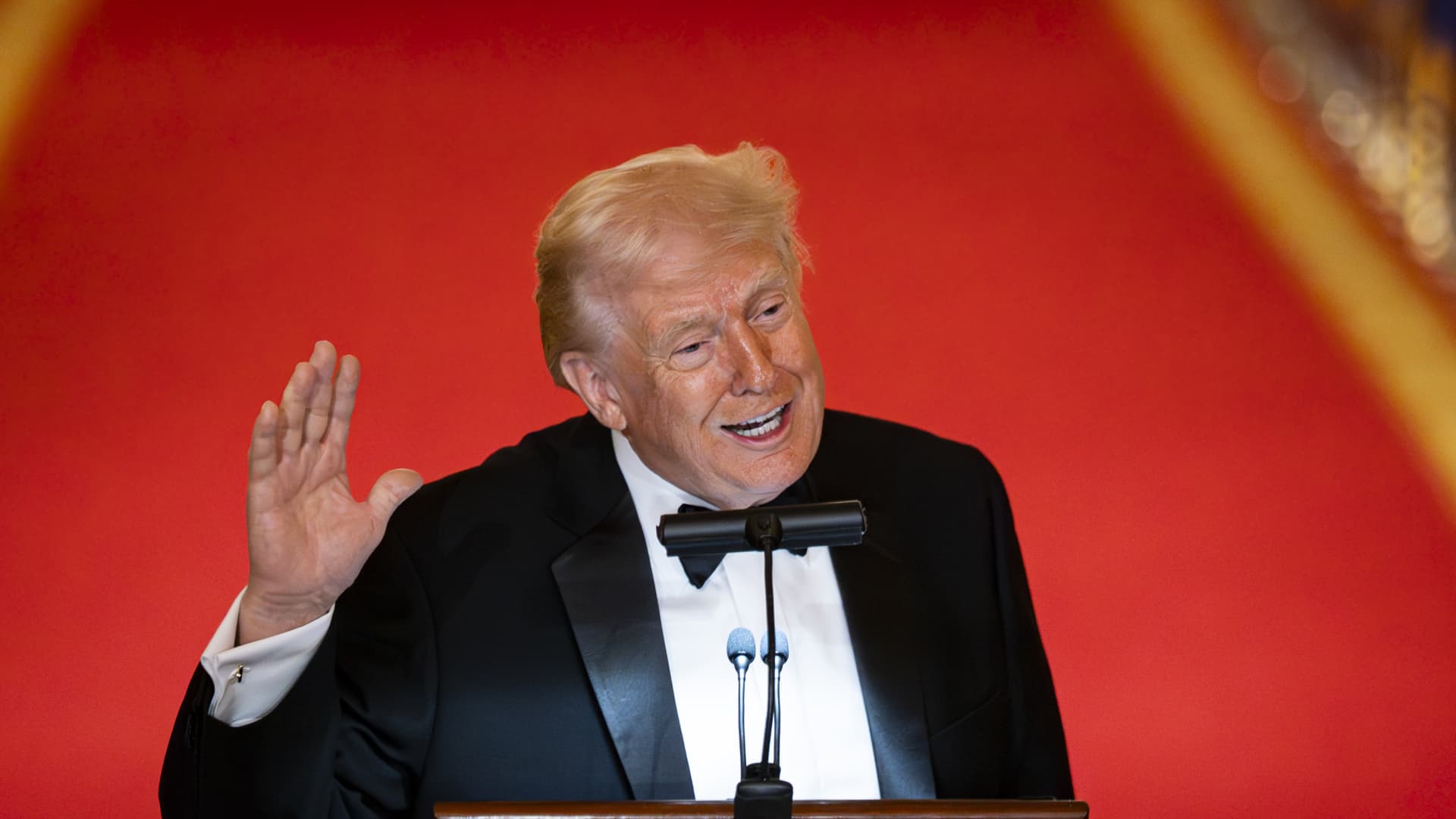
CNBC Daily Open: New Trump tariffs are up after U.S. Supreme Court strikes some down
The U.S. Supreme Court on Friday struck down much of President Donald Trump's "reciprocal" tariffs. But Trump didn't take their decision lying down.
- ·
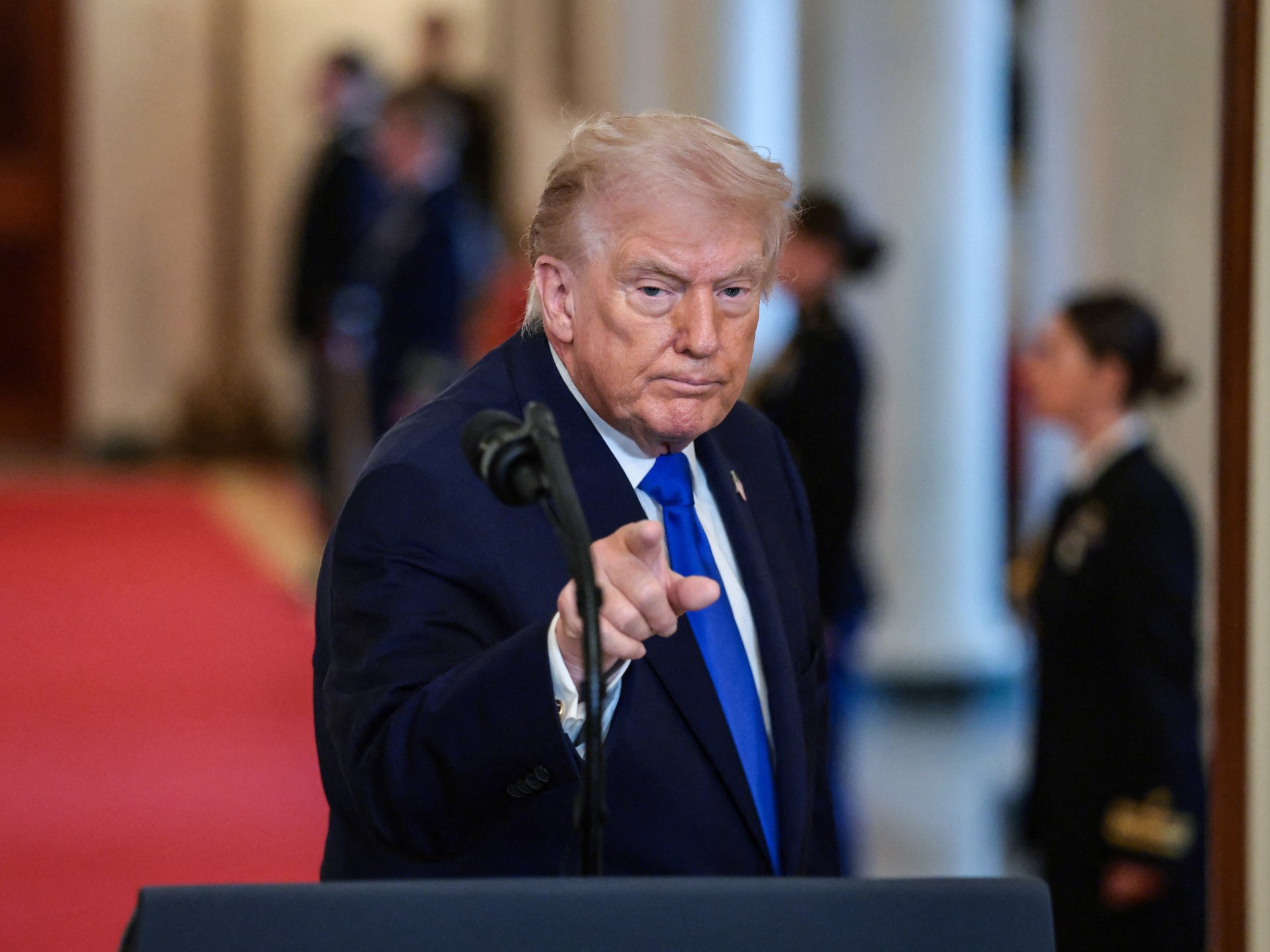
Trump’s new tariff threats trigger economic uncertainty; trade deals stall
The White House is set to impose a 15 percent tariff through Section 122 after the US Supreme Court ruled against Trump.
- ·
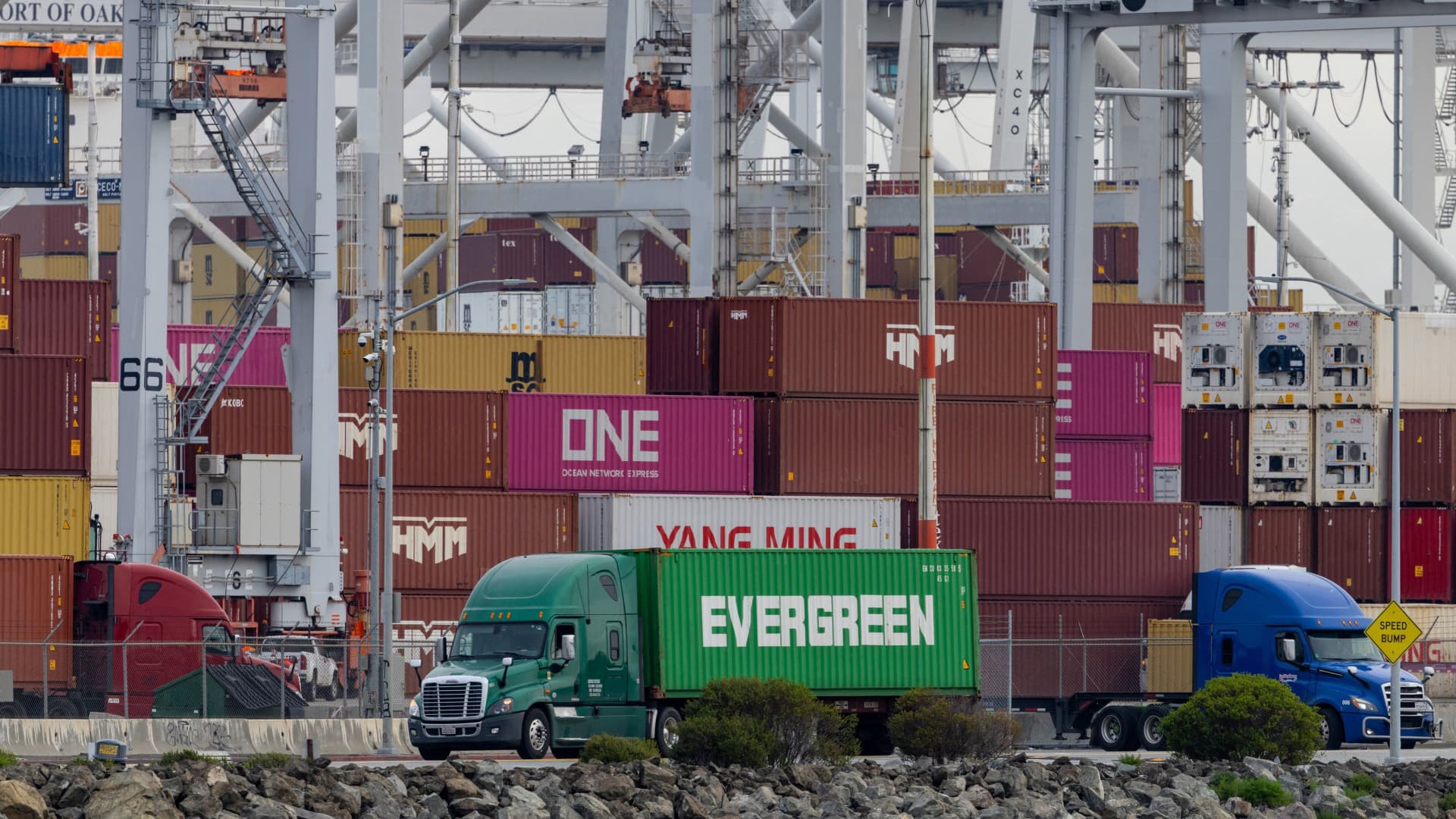
Supreme Court ruling throws Trump administration's tariff strategy into flux. What it means for global trade, U.S. economy
President Trump's new tariffs could further strain global trade relations, pushing businesses to operate more cautiously and hurting the U.S. economy.
- ·

New Trump tariffs take effect days after Supreme Court decision
New tariffs on imported goods come into effect as Trump moves to rebuild his trade agenda after top court's ruling.
- ·
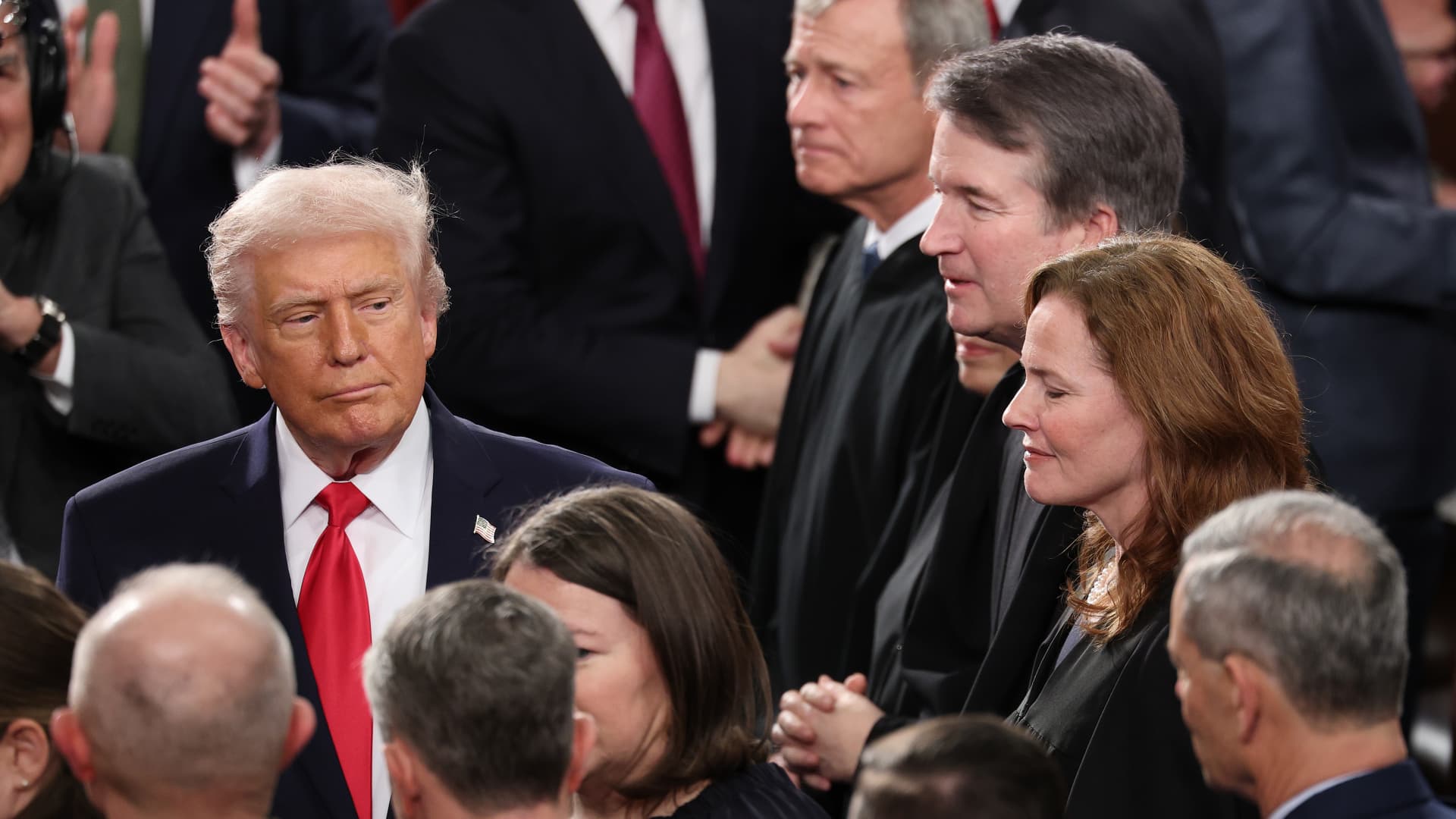
Trump insists trade deals safe after Supreme Court ruling upends tariff authority, but partners aren’t so sure
The Supreme Court decision to strike down Trump's tariffs has thrown fresh confusion over the raft of trade deals negotiated with global partners, stalling trade talks.